Agricultural Equipment Paint: Types, Benefits, and Applications
Agricultural equipment paint is a specialized category of industrial coating engineered to protect tractors, harvesters, sprayers, and tillage implements from corrosion, UV degradation, and chemical exposure. Unlike general-purpose coatings, these formulations address the compounded stresses of outdoor fieldwork—mud, fertilizer splash, moisture cycles, and mechanical abrasion. Selecting the right protective coating directly impacts machinery service life, resale value, and OEM warranty compliance. This guide walks procurement managers and coating engineers through paint types, performance criteria, application protocols, and sourcing strategies to support smarter purchasing decisions.
Understanding Agricultural Equipment Paint Types
Water-Based Zinc-Rich Primers
Chen Yang's water-based two-part zinc-rich binder is the standard for OEM production lines right now. The system makes dense, chemically bonded films that protect steel substrates from cathodic damage by mixing Component A and Component B in a standard way. The mixture has an industrial gray, matte finish and meets ISO 12944 C4–C5 environmental standards, so it can be used on equipment that works near fields or in places with a lot of humidity. Logistics compliance is much easier than with solvent-borne options because it moves as non-hazardous cargo.
Epoxy and Polyurethane Topcoats
Coatings made of epoxy work really well on chemical sprayers and fertilizer spreaders because they need to be resistant to nitrogen-based compounds and acidic liquid treatments. Polyurethane topcoats make the paint more resistant to UV light and keep the gloss. This is very important for keeping OEM brand colors like the greens and reds that are associated with major equipment lines. According to ASTM B117 salt spray testing, high-performance epoxy primers usually last more than 500 to 1,000 hours without breaking down the substrate. This is a standard that purchasing teams should ask all suppliers to meet.
Powder Coatings and Enamel Systems
OEM production lines that make a lot of parts often use powder coating because it doesn't release any VOCs and keeps the film thickness the same. Alkyd enamel is still used for repairs and retrofits when spray equipment or baking ovens are not available, even though it is not as chemically resistant as two-component systems. Low-VOC or water-based choices are becoming more popular for OSHA and REACH compliance. Procurement teams that are looking for products to export should make sure that any coating meets the necessary regulatory standards before sending out a buy order.
Key Benefits of Using Quality Agricultural Equipment Paint
Putting money into a protective Agricultural equipment paint coating that was made just for that reason pays off in a number of practical ways. Here are the main performance benefits that set professional systems apart from cheaper options.
- Corrosion and rust prevention: Primers that are high in zinc offer sacrificed protection, which means that the zinc oxidizes before the steel does. Data from heavy-industry uses in the field shows that properly designed zinc-rich systems make substrates last 10–15 years longer than single-component alkyd systems.
- UV and weathering resistance: With UV-stable pigments and HALS (Hindered Amine Light Stabilizers), you can keep the color from chalking and fading over full growing seasons. This keeps vehicle identification and helps OEM brands stay consistent.
- Chemical resistance: Coatings made for NPK fertilizer and diesel contact stay stuck on even after being splashed with them many times, which lowers the number of guarantee claims from end users for rust.
- Reduced maintenance downtime: Durable films cut down on the number of times that equipment needs to be painted, so it stays in the field and not in the workshop during important planting or harvest windows.
Because of these benefits, the total cost of ownership goes down. When you compare the cost of a coating system to the time and money lost on repairs and lost productivity, even one extra season of use on a combine harvester can more than pay for itself.
How to Select the Best Agricultural Equipment Paint: A Decision Support Guide
Matching Paint to Equipment and Environment
Choosing Agricultural equipment paint based on tools and setting requires procurement professionals to look at three things at the same time: the substrate material (steel, cast iron, or aluminum); the operating environment (C3 inland moderate; C4 industrial; or C5-M marine/coastal); and the production method (spray line, brush touch-up; or powder coat). A zinc-rich water-based primer and a polyurethane topcoat work best for most OEM situations and meet requirements for both environmental compliance and field durability.
OEM Color Matching and Bulk Ordering
Any maker that keeps a named fleet needs to be able to do custom color matching. Chen Yang does color calibration services that are based on color cards provided by clients. Spectrophotometric measurement is used to control the regularity of each batch. For procurement teams in charge of yearly contracts, setting color standards at the start of the supply agreement gets rid of the costly color differences that happen in the field and hurt touch-up programs after the sale. Bulk orders also turn on volume pricing tiers, which lowers the cost per unit on production lines with a lot of turnover.
Verifying Supplier Credibility
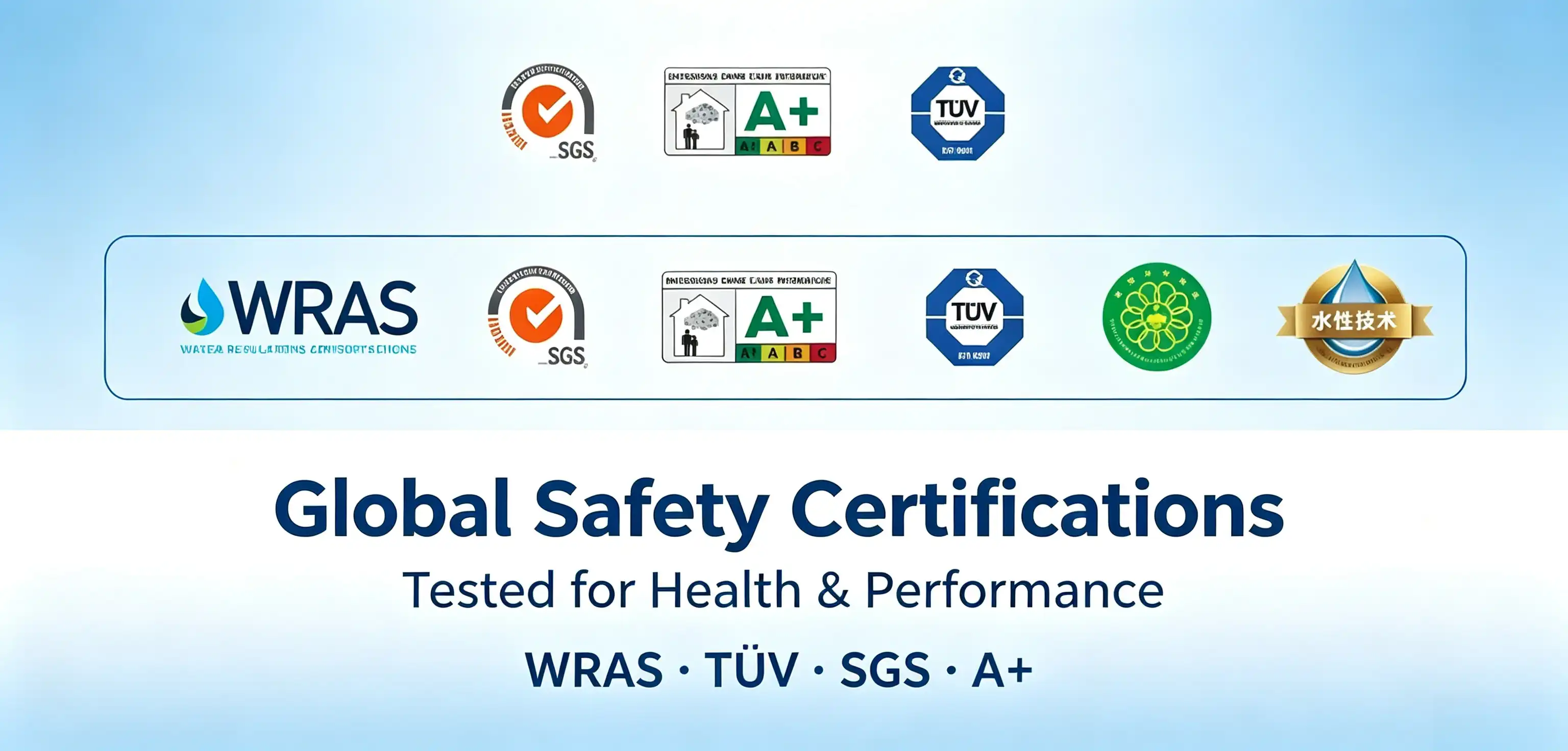
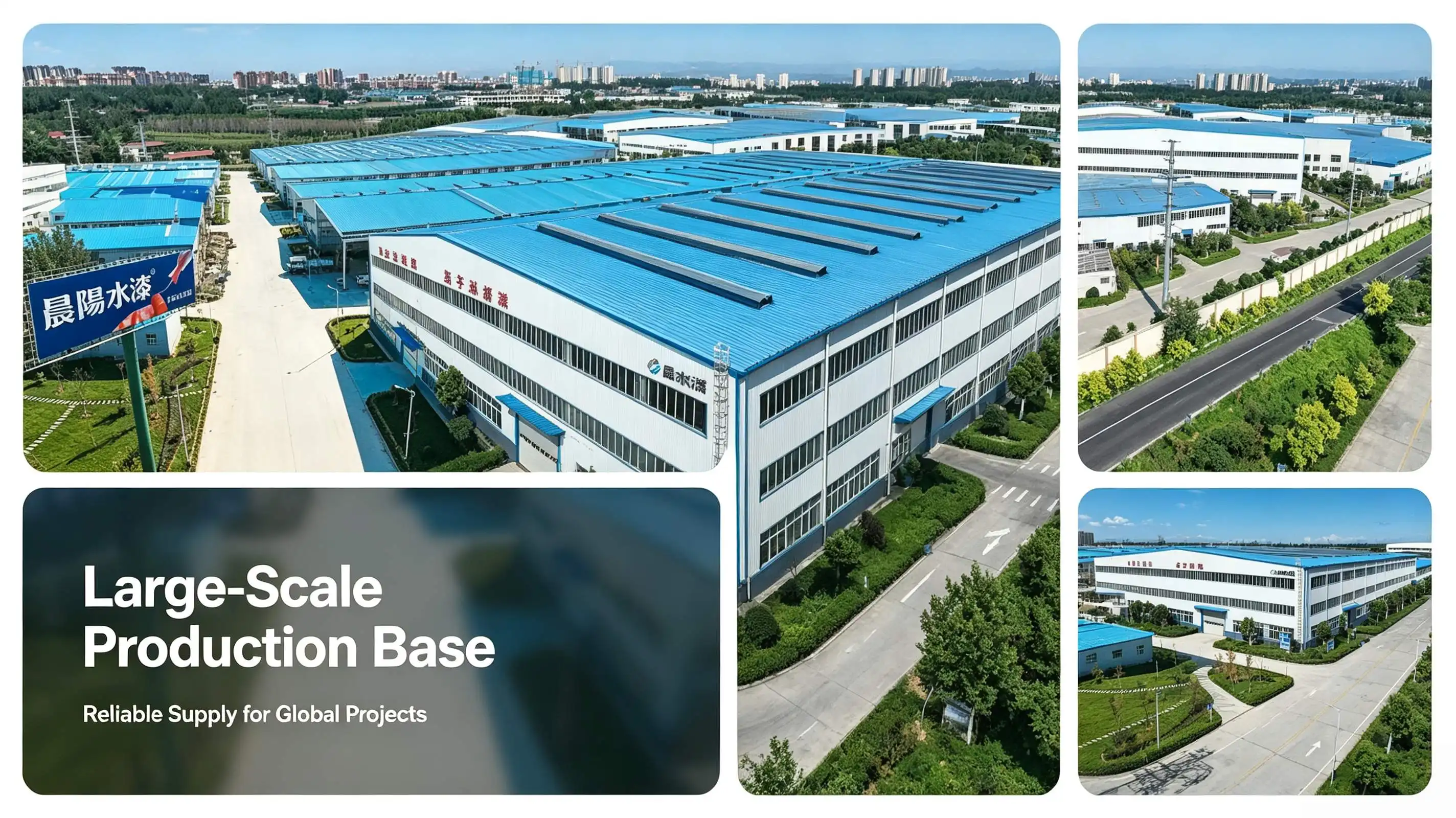
Before you approve a new coating provider, make sure you get written reports of the salt spray test (ASTM B117), the cross-cut bonding results (ASTM D3359), and the QUV weathering data (ASTM G154). Certifications from around the world, like EU SGS, German TÜV, UK WRAS, and US FDA food-contact grade, show that a product meets the quality standards of developed markets. Production capacity paperwork is just as important for a supplier that makes 1.25 million tons of goods a year as it is for a smaller producer in the same area.

Application Best Practices and Maintenance Tips
Even the best Agricultural equipment paint covering method will only work as promised if the surface is properly prepared. Before you prime, get rid of all the grease, loose mill scale, and rust on the surface. For the best cross-linking, surfaces must be fully dry and the temperature should be between 15°C and 30°C (59°F to 86°F). The relative humidity should also be below 85%.
The suggested three-layer method works like this: a zinc-rich primer sticks directly to the cleaned steel base; a middle coat adds thickness to the film and smooths out any rough spots on the surface; and a UV-stable polyurethane topcoat protects the outside from the weather. Each layer chemically connects to the one below it, making a single protected structure instead of three separate ones.
Checking for chipping, edge rust, and UV chalking as part of regular care every three to six months lets you do small repairs before the damage gets worse. Early fixes with matched touch-up paint are much cheaper than refinishing the whole panel, and they keep the equipment in good working order and ready for the field for the whole warranty time.
Procurement and Supply Chain Insights for Agricultural Equipment Paint
It's easier to find Agricultural equipment paint now that B2B platforms let you connect directly with verified manufacturers. When choosing a paint provider for farm equipment, give more weight to those that offer full technical paperwork in English, such as TDS, MSDS, and test certificates. This will make it easier to clear customs and register the project in target markets.
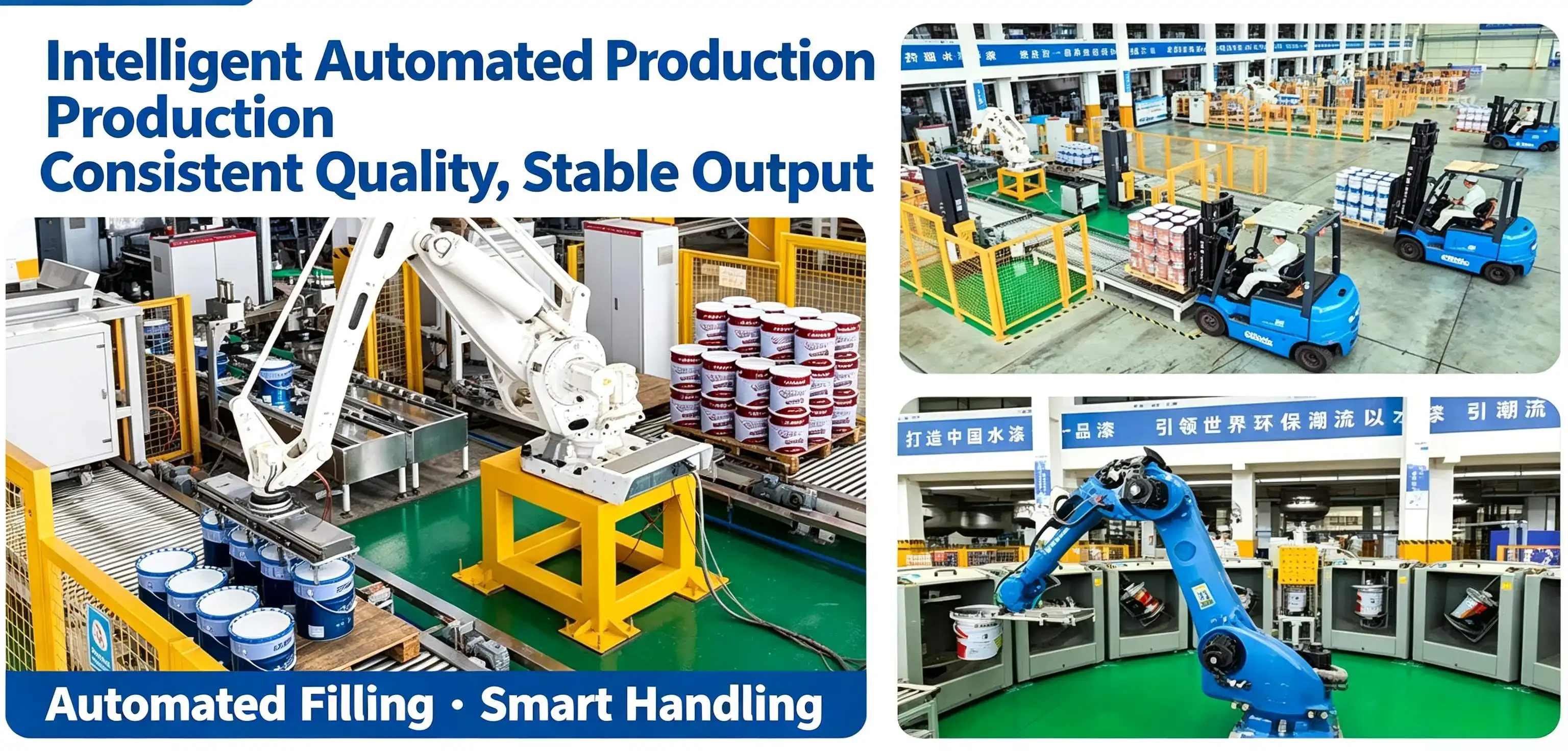
When Chen Yang Water Paint sends its water-based products, they are considered non-hazardous materials and only need a normal MSDS and a transport condition evaluation certificate. This classification gets rid of the problems with logistics that slow down shipments of solvent-based paint and significantly lowers freight costs for large orders. A normal production cycle of 7–10 days allows for quick restocking for OEM production plans that can't handle coating gaps.
Check the supplier agreements to see what they say about maintaining color standards once a year, the minimum order quantity for custom colors, and technical service after the sale, especially help with line changeover when switching from solvent-borne to water-based systems. Often, these contract terms determine whether a covering switch works or fails at the trial stage.
Conclusion
Choosing the right Agricultural equipment paint is a technical and commercial decision with long-lasting effects. Heavy-industry steel protection can now be achieved with water-based zinc-rich primers that offer rust resistance that is on par with or better than standard solvent systems, without the added legal load. Matching paint chemistry to climate, checking seller credentials with independent test data, and making clear yearly supply agreements are the steps that protect both your equipment and your buying budget. This is true whether you are in charge of an OEM production line or an after-sales parts network.
FAQ
1. Why does coating on fertilizer spreaders peel faster than on other equipment?
When fertilizer comes into touch with micro-pores in Agricultural equipment paint films that aren't properly sealed, chemical under-cutting rust starts to happen below the coating. A strong resin coat that doesn't react with chemicals blocks the ways that fertilizer chemicals can get to bare steel.
2. Can I apply a two-component polyurethane topcoat over existing alkyd paint?
You should be careful. Solvents in two-component systems can make alkyd layers that are only made of one component softer or lift them. Before a full application is made, a compatibility patch test must be done on a non-critical panel.
3. What temperature range is optimal for applying water-based farm equipment coatings?
Use between 15°C and 30°C (59°F to 86°F) and below 85% relative humidity. These conditions help coalescence and cross-linking work right, which controls the strength of the adhesion over time.
4. How do I maintain consistent color between production-line painting and field touch-ups?
When the contract is signed, choose color codes from a single batch that has been calibrated. Suppliers who use spectrophotometric controls can match touch-up paint after the sale to the original OEM line coat within acceptable Delta-E ranges.
5. Is a direct-to-metal coating sufficient for tractors working in coastal environments?
When used in moderate C3 environments, DTM coatings work well. A special zinc-rich primer put down before the topcoat gives marine or high-humidity C5-M grades the cathodic protection that DTM systems can't provide on their own.
Partner With Chen Yang Water Paint for Reliable Agricultural Coating Solutions
Chen Yang Water Paint makes water-based Agricultural equipment paint trusted by OEM production lines all over the world. We offer stable quality, custom color matching, and full English technical paperwork. We have over 1,000 patents, EU SGS, German TÜV, UK WRAS, and US FDA approvals, and our yearly capacity is more than 1.25 million tons. To get a trial sample kit and technical data package from a trusted manufacturer, email our team at sales@chenyangpaint.com or go to chenyangpaint.com right now.
References
1. Journal of Coatings Technology and Research — 2022
2. ASTM International Standards Handbook: Paint and Related Coatings — 2021
3. ISO 12944: Paints and Varnishes — Corrosion Protection of Steel Structures — 2018
4. Progress in Organic Coatings — 2023
5. SSPC: The Society for Protective Coatings — Guide to Protective Coatings Specification — 2020
6. European Coatings Journal — Waterborne Coatings for Industrial Applications — 2022
Send Inquiry
You may like