Anti-Bacterial Wall Paint for Public Transportation: Benefits and Applications
Public transportation carries millions of passengers daily, making surface hygiene a persistent operational challenge. Anti-bacterial wall paint offers a science-backed solution by embedding active antimicrobial agents directly into the coating layer, continuously suppressing pathogens like E. coli and Staphylococcus aureus on walls, panels, and station interiors. Unlike conventional decorative coatings, these specialized formulations create a durable microbial barrier that performs between cleaning cycles—reducing bio-burden accumulation and supporting healthier transit environments. For procurement managers and facility teams, understanding how this technology works and where it applies is the starting point for smarter infrastructure decisions.
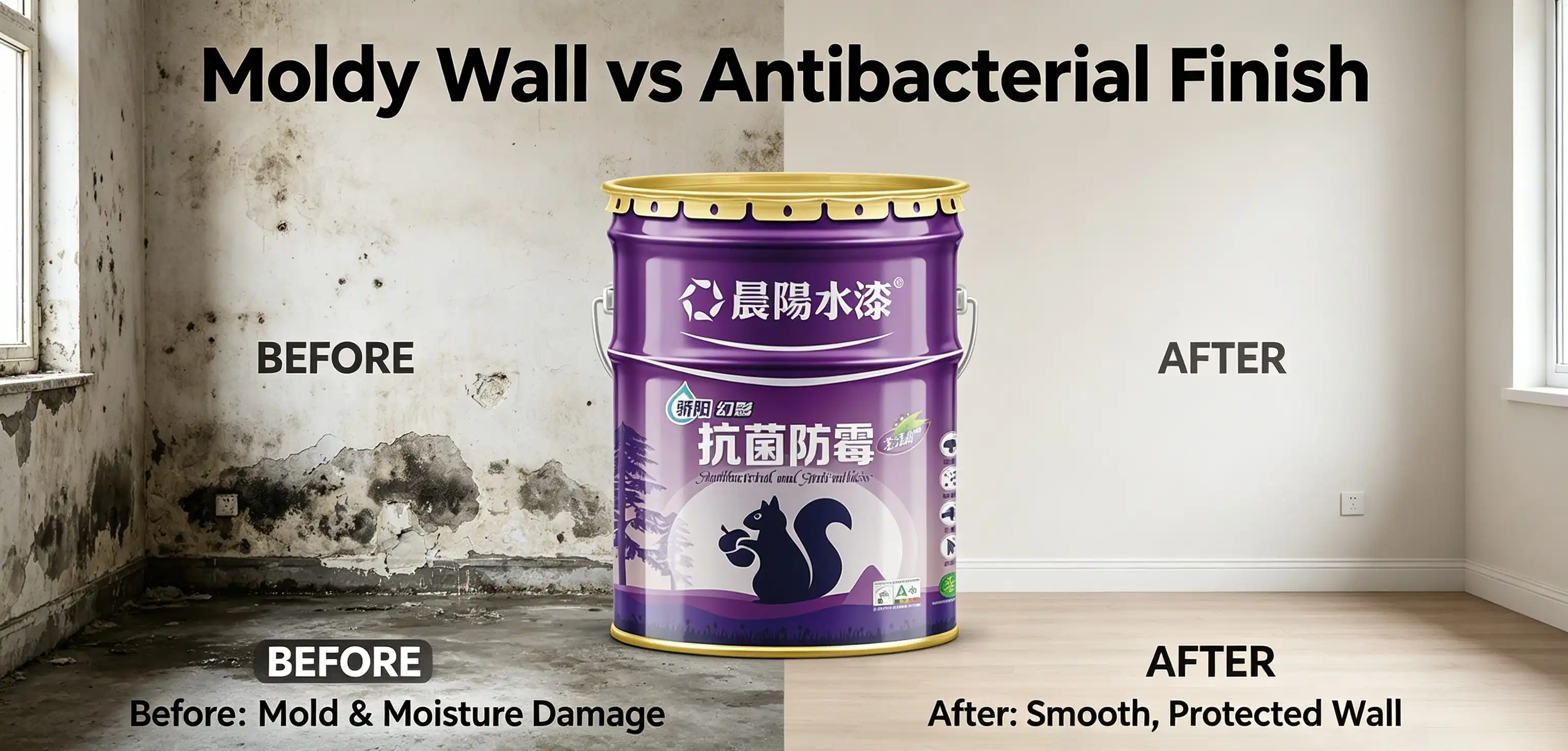
Understanding Anti-Bacterial Wall Paint and Its Role in Public Transportation
What Sets Antimicrobial Coatings Apart from Standard Paint
In most paints, there is a thin film that microorganisms can live in for a long time. An antimicrobial interior coating, on the other hand, has silver ions (Ag+), copper derivatives, or quaternary ammonium compounds as active ingredients. These hurt the DNA and cell walls of microbes when they come into contact with them. This ion exchange method doesn't leach, so it protects all the time without wearing out the active ingredient too fast. Because of this, it's perfect for high-touch transit surfaces that get used by a lot of people every week.
Water-based, low-VOC formulations are now the rule for public places that are kept safe. They often meet indoor air quality standards better than oil-based options, and the fact that they are safe makes it easier to handle them and follow the rules. If transit agencies care about both the health of their customers and how efficiently they run their businesses, water-based antimicrobial treatments are the best way to get the best of both worlds.
Benefits of Using Anti-Bacterial Wall Paint in Public Transportation
Lots of people walking on top of coatings, high humidity, and chemical cleaning all the time are bad for busses, subway cars, and station concourses. Normal coats wear off quickly, and germs grow in the time between maintenance visits.
These are the main ways that anti-bacterial wall paint treatments keep germs out of loading docks:
- Continuous pathogen suppression: Active agents work around the clock between cleanings to lower the number of microbes on the surface, not just hide the contamination. This keeps diseases from spreading. A study in the Journal of Hospital Infection says that silver-ion coats can kill over 99% of germs on the surface of things in just 24 hours.
- Mold and mildew resistance: Underground stops and car cabins that are closed off all the time have high humidity. Grade 0 anti-mold performance, which is the highest rating under GB/T 1741-2020, keeps structures from falling apart and walls from turning black. This cuts down on the number of expensive renovation cycles.
- Scrub resistance and durability: Dense paint films don't lose their antibiotic qualities when they are cleaned with alkaline disinfectants or high-pressure water. In tests based on ASTM D2486, they did better than regular emulsions at stopping wear and tear.
- Improved indoor air quality: The air quality inside is better because zero-VOC and APEO-free formulations stop off-gassing in small transport areas, which is good for both riders and maintenance staff.
They get better over the life of a layer. When transit agencies paint the inside of their cars with antibacterial paint, concerns about broken parts have gone down and full repaints are done more often. This means that the total cost of ownership is lower per square meter across large station networks.

Practical Application and Maintenance of Anti-Bacterial Paint in Transit Systems
Surface Preparation and Application Protocols
Full germ-killing power starts before the first coat of anti-bacterial wall paint is applied. The bases must be less than 10% wet and have a pH level less than 7. Flaked, efflorescent, or dirty old paint makes it harder for the new film to stick and leaves tiny holes where germs can live. When it comes to public places, the ground has to be properly cleared.
Tools, Drying Times, and Recoating Intervals
If you don't want to use air, you can brush, roll, or spray water-based antimicrobial coats. This lets them use them on a lot of different surfaces, like the inside of cars, cave walls, and train stations. At 25–30°C, the surface dries in 30 minutes, and it's completely dry in 60 minutes. Without lowering the quality of the film, transit projects can stick to tight schedules as long as they have at least two hours to coat again. If you want the film to form correctly, the temperature should stay between 5°C and 35°C and the humidity should be less than 85%.
Maintenance to Preserve Antimicrobial Performance
Cleansers that don't have pH hurt the polymer framework that keeps active ions in the paint film. Scrubbing with rough materials or cleaners that are very alkaline makes the surface wear out faster and the antimicrobial coating doesn't last as long. If they are checked once a year, facilities teams can find worn spots that need to be reapplied before bacteria get bad enough to put passengers' health at risk.
Procurement Considerations for B2B Clients in Public Transportation
Evaluating Certifications and Compliance Documentation
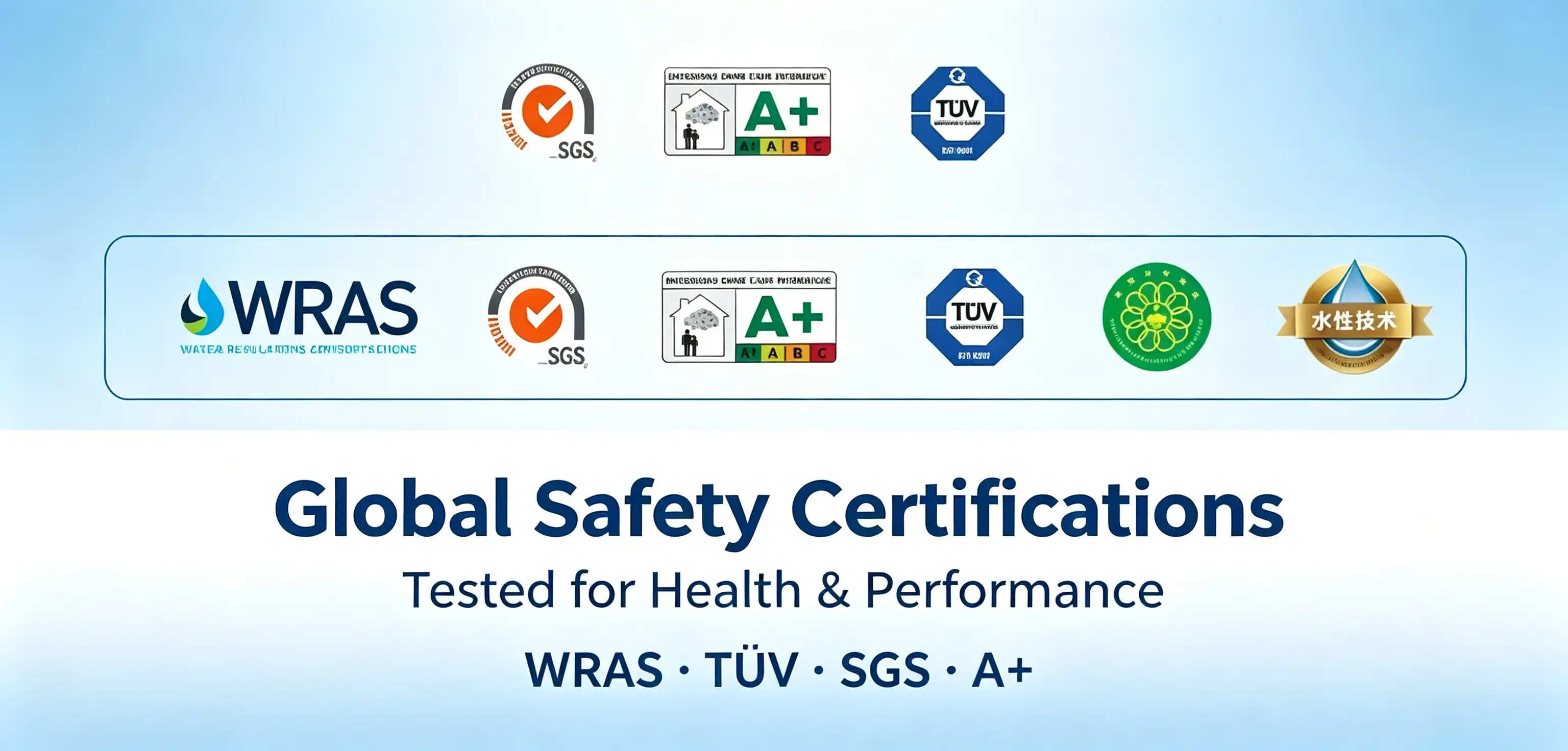
It's just as important that the tickets work right as they are that the paperwork is correct when you buy a lot of them. As needed by ISO 22196 or similar national standards, teams that buy things should make sure that the antibacterial power has been tested against common germs like S. aureus and E. coli. According to GB/T 1741-2020, the mold resistance should be proven at Grade 0. If a product meets GB 18582-2020 or similar US/EU standards for VOC, it is more likely to be accepted in public tender documents. This is in addition to green building certifications.
Chenyang Water Paint's Jiaoyang Huaxin Series carries FDA 21 CFR 175.300 food-contact grade certification, Ten-Ring environmental certification, and documented compliance with HG/T 3950-2007 for antibacterial performance. The formula is free from benzene, formaldehyde, and APEO—meeting the stringent substance-restriction requirements increasingly written into public infrastructure tender specifications.
Bulk Purchasing, OEM Options, and Supply Reliability
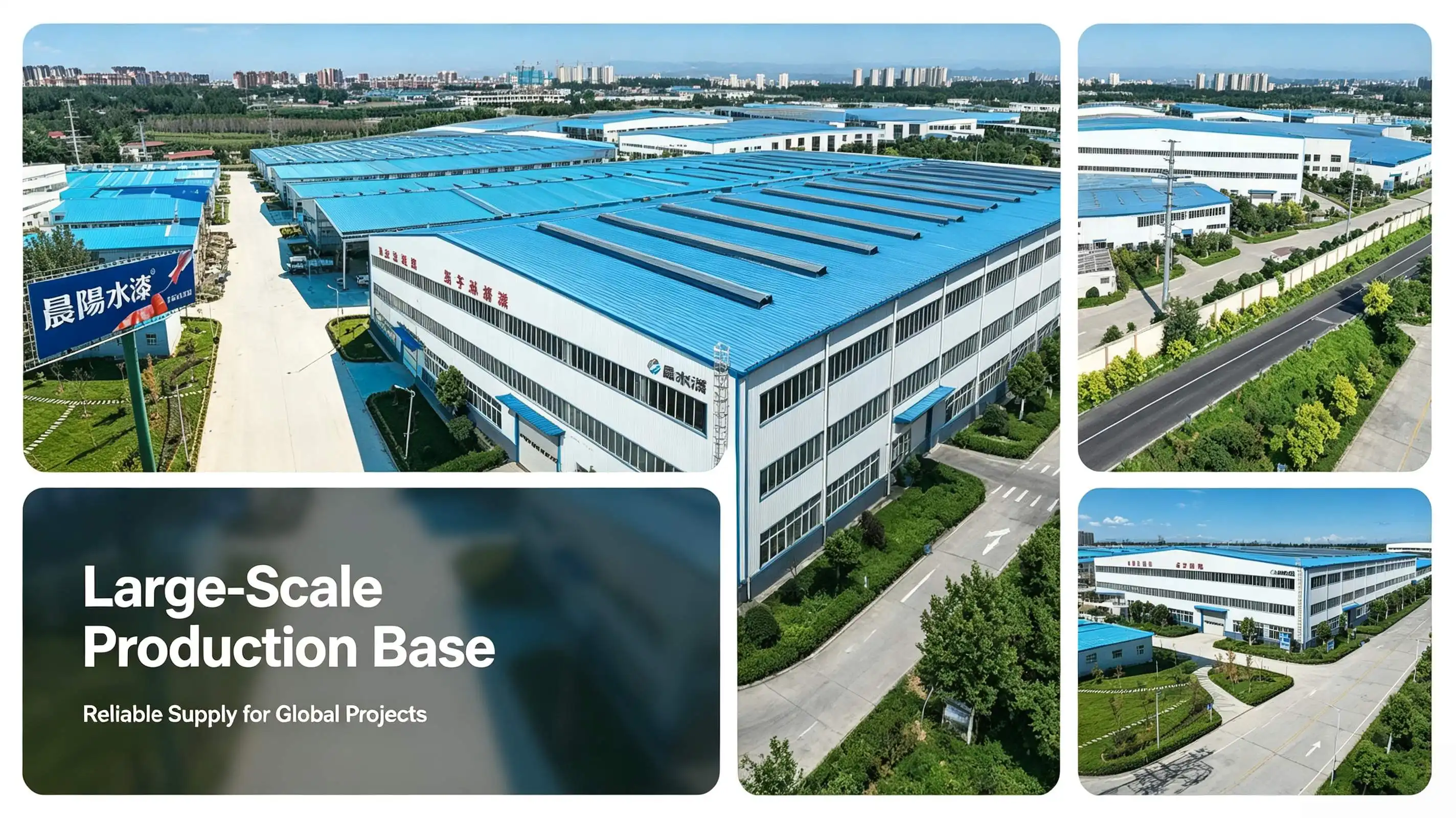
For transportation projects, every batch must be of the same standard, even if it takes several thousand liters of anti-bacterial wall paint to get there. In a green plant with a lot of machines, Chenyang can make more than 1.25 million tons of goods every year. In 7–10 days, standard items are sent out. Buckets of 6 kg, 20 kg, and 25 kg can be used for both small orders from contractors and big orders for supplies. Engineers who are making their own cleaning brands will find Chenyang's OEM/ODM services useful. These services include private-label packing and custom color matching, which will help their bids stand out.
Future Trends and Innovations in Anti-Bacterial Paints for Public Transportation
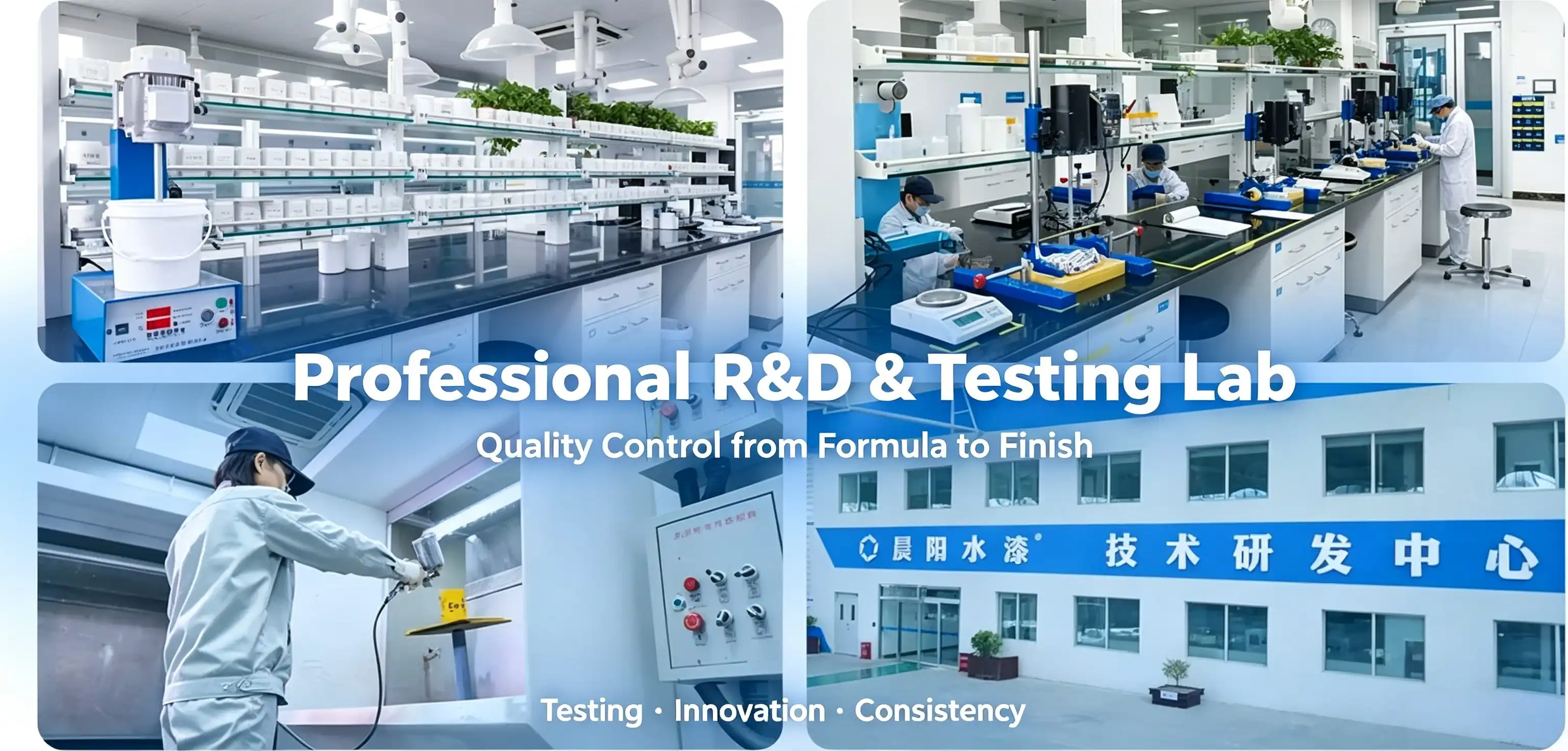
Nanotechnology is making surface layers able to do different things. Nanoparticles of silver and copper have a high antimicrobial density at film widths that were not possible with standard insecticide loading. This makes the biocide work better and lowers the chance that resistance will form. TiO2 coatings that react with light are being used on metro systems in Europe. When these coatings are exposed to light, they break down organic pollutants and kill pathogens in the air.
Transit officials' rules on sustainability are pushing the use of bio-based binders, recycled-content dyes, and coatings that meet all the requirements of LEED or GREENGUARD Gold. Investing in clear cleanliness, like approved anti-bacterial wall paints, is a big part of getting people to trust again after a pandemic, according to research that looks at traveler trust. When business-to-business buyers ask for these finishes now, they are putting their systems ahead of rules that are becoming law in a number of places.
Conclusion
In the past, antimicrobial wall coatings were only needed in some healthcare situations. These days, anti-bacterial wall paints are often needed when building public structures. Transit areas are the worst places for quiet artistic paint because they are small, the air changes often, and people touch the walls all the time. As a general rule, goods that work are those that have been tested for antibacterial effectiveness, long-lasting film construction, low-emission recipes, and reliable third-party approval. There is proof that the Jiaoyang Huaxin Series from Chenyang Water Paint meets all of these needs. It has passed tests and been approved around the world. This makes it a good choice for buying managers who need to win bids and make sure that performance stays high throughout the whole project.
FAQ
1. How long does antimicrobial protection last in a high-traffic transit environment?
If the paint film stays separate and isn't covered with paint that isn't antibacterial, it should work for as long as the coating does, which is usually five to ten years. Inspections that are done regularly show areas that need small fixes before they stop working right.
2. Does anti-bacterial wall paint replace routine cleaning?
Not at all. These coats lower the amount of bio-burden on the surface and stop bacteria from growing between cleanings. But the coating still needs to be cleaned regularly with pH-neutral products to keep it clean and make it last longer.
3. Is this paint safe for enclosed transit spaces with limited ventilation?
Yes, recipes that are water-based, zero-VOC, and APEO-free don't give off any harmful gasses. The FDA has approved Chenyang's Jiaoyang Huaxin Series. This means it meets safety standards for food contact and can be used in places that are closed off or don't have good air flow.
4. What certifications should procurement teams require from suppliers?
It must at least be antibiotic according to ISO 22196 or HG/T 3950-2007 and antimicrobial up to Grade 0 according to GB/T 1741-2020. It must also have VOC compliance paperwork and a well-known environmental certification like GREENGUARD Gold or Ten-Ring.
5. Can custom colors be specified for transit branding requirements?
Chenyang's Jiaoyang Huaxin Series does have a white base, but it can be fully changed to any color. This meets the branding requirements of transit agencies without lowering the effectiveness against bacteria.
Source Antimicrobial Wall Coatings from a Trusted Manufacturer — Chen Yang Water Paint
If transit procurement managers need a qualified anti-bacterial wall paint provider, they can call Chen Yang Water Paint and ask for the full set of technical documents. There are test reports, TDS, MSDS, and copies of the certifications in this package. It's now easier to join projects and put in bids. Chenyang has been making goods for over 28 years. They have more than 1,000 patents and have been checked by FDA, TÜV, SGS, and WRAS to make sure they meet their standards. For big rail projects, this means they can give them the supply security and technical depth they need. Reach the team at sales@chenyangpaint.com or visit chenyangpaint.com to request samples or a bulk order quotation.
References
1. Journal of Hospital Infection — Volume 85, Issue 1, 2013
2. ASTM International — ASTM D2486: Standard Test Methods for Scrub Resistance of Wall Paints, 2022
3. ISO — ISO 22196: Measurement of Antibacterial Activity on Plastics and Other Non-Porous Surfaces, 2011
4. American Journal of Infection Control — Volume 47, Issue 3, 2019
5. Indoor Air — Volume 30, Issue 4, 2020
6. Transportation Research Record: Journal of the Transportation Research Board — Volume 2675, Issue 9, 2021
Send Inquiry
You may like