Anti-Corrosion Coatings for the Marine Industry
Marine infrastructure is one of the most corrosive environments on the world. Salt water, humidity, mechanical stress and continual wet-dry cycling relentlessly damage structural steel. It is a significant procurement choice to choose the best anti-corrosion coating for marine use since it directly affects asset life, maintenance intervals, and regulatory compliance. This book leads procurement managers, project engineers and distributors through the principles of coatings, selection criteria, application discipline and sourcing strategy to enable confident, long-term investment choices.

Understanding Marine Anti-Corrosion Coatings
How Protective Chemistry Works at the Steel Surface
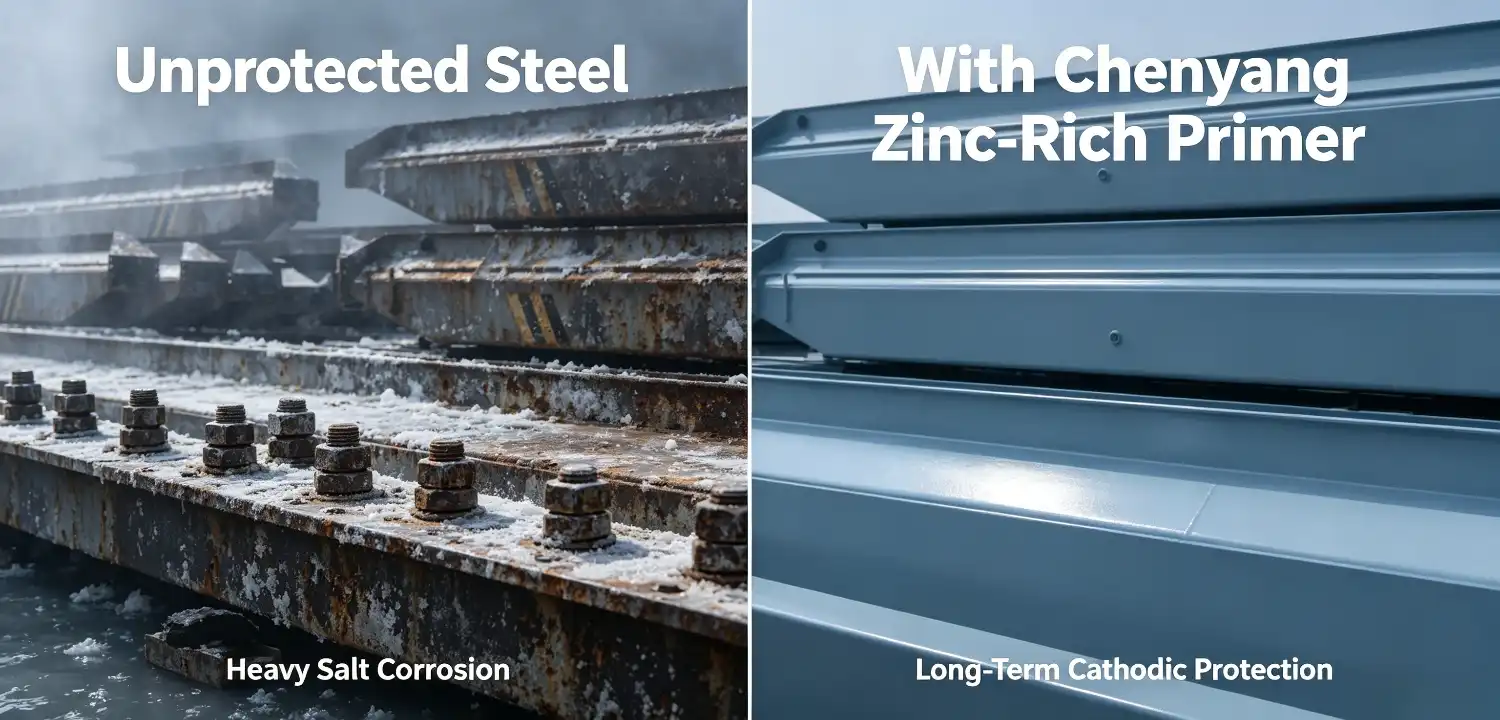
There are two kinds of protective layers for marine-grade coatings that act in tandem: barrier protection and cathodic protection. Barrier coatings are generally high-build epoxies that prevent chlorine ions and air from penetrating the steel. Zinc rich primers provide an extra level of protection , as the zinc particles will dissolve first , protecting the steel underlying , even if the coating film is somewhat damaged . ISO 12944-6 test criteria state that coatings designated for C5-M (marine) environments should be able to withstand salt spray for more than 1,440 hours. Two separate mechanisms make zinc-rich epoxy primers superior than single-component solutions in both immersion and splash zone service.
Common Coating Types and Their Trade-offs
The three primary kinds of chemicals used in anti-corrosion coating for marine use to defend against heavy-duty rust are epoxy, polyurethane and zinc-rich primers. They are also resistant to chemicals . Epoxy coatings have excellent adhesion and are the ideal option for ballast tanks and cargo spaces . A polyurethane coating protects the surface from UV damage and maintains gloss above the waterline. Zinc-rich primers are the primary corrosion-inhibiting layer in practically all important naval paint systems and are soluble in either water or solvents. Understanding how these chemicals interact in a multi-layer system is vital before choosing a product for a factory or offshore project.
Choosing the Right Marine Protective Coating: A Decision Support Framework
Key Evaluation Criteria for Procurement Teams
There are a number of performance elements you need to think in when picking a naval paint system that you can’t do without. Here are the key considerations purchasing teams should consider before choosing a seller:
Salt spray resistance: To determine whether a marine primer is salt spray resistant, check for findings that demonstrate it has been tested for more than 1,000 hours under ISO 9227 or a similar ASTM B117 standard.
Zinc content: SSPC Paint 20 requires a minimum of 80 percent by weight of zinc in the dry film to provide adequate cathodic protection performance.
Adhesion strength: Pull-off adhesion > 5 MPa according to ASTM D4541 Strong bonding to ready steel surfaces.
Weld-through compatibility: Primers used in shipping should not compromise the weld. Liquid zinc-rich formulations tend to provide less danger of weld contamination than solvent-borne types.
System documentation: TDS, MSDS and suitability charts of the primer, intermediate coat and topcoat should be written in English language for complete coating specification.
These elements together determine whether a coating system is applicable for evaluation process by a classification society and qualification process at a manufacturing. Without verified evidence on each issue, it’s doubtful that procurement clearance will get very far in a shipyard’s source screening process.
Waterborne vs. Solvent-Borne: The Regulatory Pressure Driving the Shift
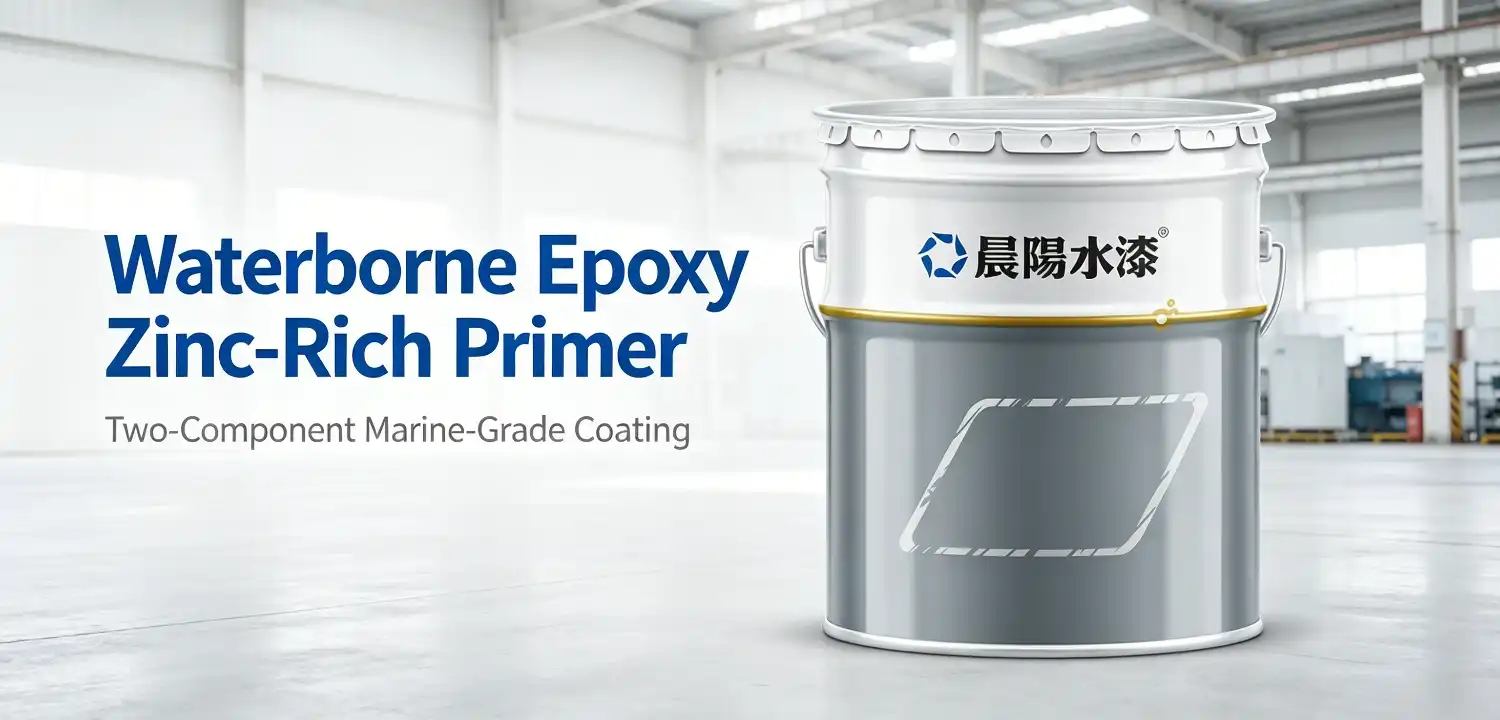
Solvent-borne primers are getting more attention because of IMO resolutions and stricter VOC regulations in the US, EU, and key Asian shipbuilding markets. Waterborne zinc-rich epoxy formulations now provide a legal option for anti-corrosion coating for marine use that lowers health risks in the workplace, makes transporting dangerous materials easier, and meets the requirements for international shipping as non-hazardous cargo. Waterborne technology is no longer an extra for companies who work with shipyards in places with strict air quality rules; it is now the usual way to do business.
Application Best Practices for Marine Corrosion Protection
Surface Preparation Standards That Determine Outcome
The quality of the area below a covering system determines how well it works. ISO 8501-1 Sa 2.5, which means "near-white blast cleaning," is the minimum surface preparation standard that should be used for steel structures in marine immersion and splash zones. To stop osmotic blistering, the Bresle patch method should be used to measure soluble salt contamination and make sure it is less than 20 mg/m² before application. To keep moisture from getting trapped in the film, the substrate temperature must stay at least 3°C above the dew point during application and the first fix.
Application Methods and Quality Verification
For big structural areas, airless spray is the best way to apply because it gives a uniform dry film thickness (DFT) even in complicated shapes. For welds, corners, and tight areas, brush and roller application are still useful. After the coating is put on, inspectors use calibrated electromagnetic gages to check the DFT and use high-voltage holiday detection according to NACE SP0188 to find pinholes before adding more coats. If a classification society is going to review a project, these quality control steps have to be done. They are required by contract and protect both the worker and the asset owner.
Innovations and Trends in Marine Coating Technology
Graphene Reinforcement and Nanotechnology Integration
Adding graphene nanoplatelets to epoxy film matrices is one of the most important material advances in recent research on anti-corrosion coating for marine use. The two-dimensional sheet structure of graphene makes a winding diffusion path that makes moving water and chloride ions through the covering film much slower. According to separate research published in the journal Progress in Organic Coatings, graphene-modified epoxy systems have significantly lower water vapor transmission rates than regular epoxy formulations. This means that ships can go longer between dry-docking cycles.
Low-VOC Waterborne Formulations and Regulatory Alignment
To meet new environmental rules, the marine coatings industry is moving quickly toward low-VOC, waterborne chemistry. Epoxy zinc-rich primers that are waterborne now perform as well as solvent-borne peers in terms of salt spray, adhesion, and cathodic protection. This means that they can be stored more safely, transported more easily, and applied by workers with less risk to their health. For builders and coating companies in charge of big projects, these benefits in logistics and compliance add up to big cost savings over the course of building a ship.
Procurement and Sourcing Strategies for Marine Coating Supply
To find marine protective coatings at the business-to-business level, you need to do more than just compare prices. Supplier qualification cycles in the shipbuilding industry usually last between six and twelve months. They start with approval from the classification society and end with trials on a sample vessel before a product is added to a yard's list of approved vendors. It can be the difference between approval and refusal during this process how thorough the technical paperwork is. This includes English TDS, MSDS, and full coating system compatibility records.
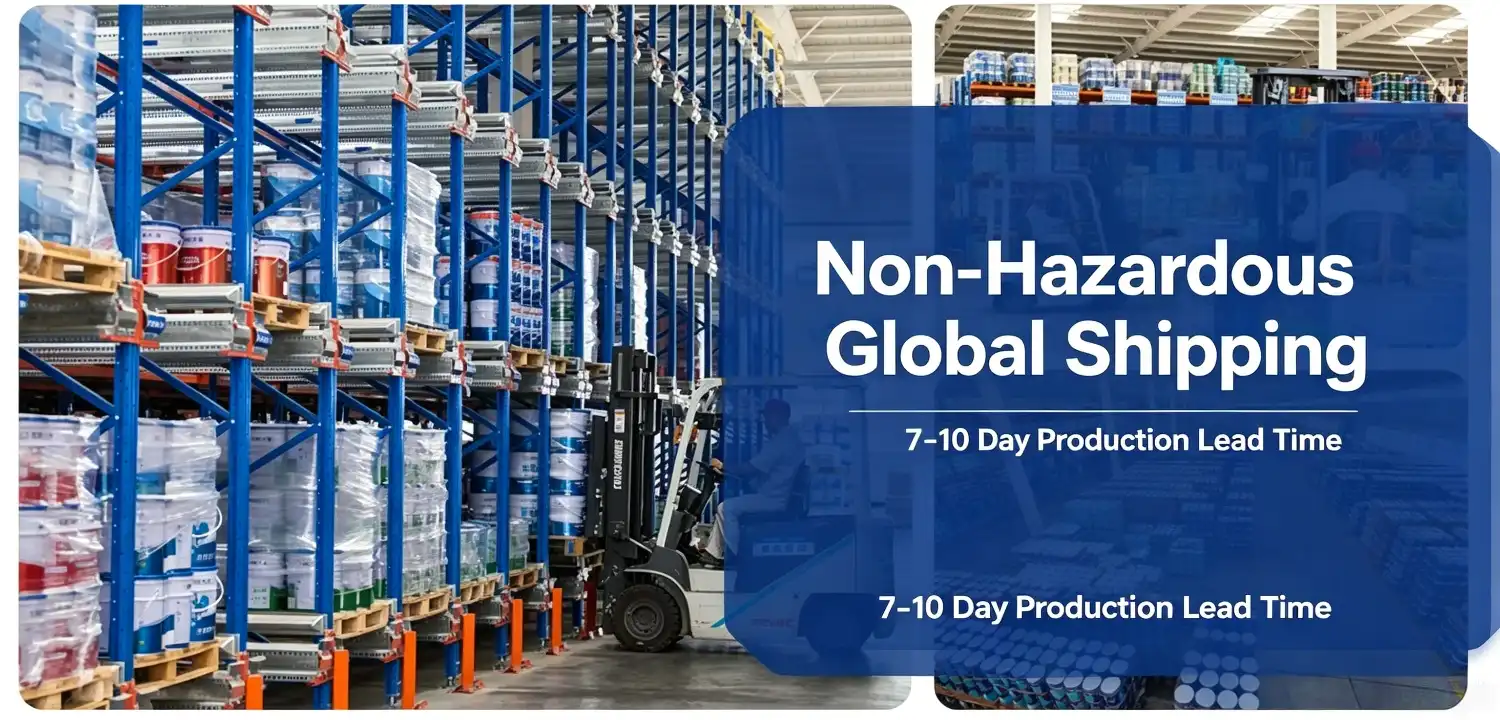
Reliable arrival times are also very important. A standard production lead time of 7–10 days is kept even during busy construction seasons. This lets project managers schedule the supply of coatings with the construction of the hull without having to build up buffer stock. Instead of retail-sized cases, bulk packing forms that are better for shipyard dock delivery cut down on even more handling work and application waste.
Long-term partnerships with suppliers that include on-site technical support, system warranty paperwork, and OEM packaging options offer benefits that can't be found in just buying commodities.
Conclusion
To keep naval steel structures safe, you need a coating plan that is based on science, rules, and good building practices. The current standard for serious anti-corrosion coating for marine use is waterborne zinc-rich epoxy primers that meet ISO 12944 C5-M classification, have salt spray test data that can be verified, and work well with multi-layer systems. When purchasing managers put full paperwork, thorough seller qualification, and application protocol integrity at the top of their list of priorities, they will always get lower lifecycle maintenance costs and better asset longevity results.
FAQ
1. Why is a zinc-rich primer the standard foundation for marine coating systems?
When the layer is broken, the zinc particles in the dry film corrode as a sacrifice, defending the steel below through electrochemical action instead of barrier exclusion alone. Because of these two effects, zinc-rich primers are the only ones that meet the requirements of the IMO PSPC guidelines and most classification society coating requirements.
2. How does a waterborne epoxy zinc-rich primer differ from a conventional solvent-borne product?
Waterborne products use water instead of organic solvents as the carrying medium. This greatly lowers VOC emissions and the risk of breathing them in at work. Importantly, they are also considered non-hazardous cargo by international shipping rules. This makes clearing customs easier and lowers the cost of freight for supply chains that cross borders.
3. How often should marine protective coatings be inspected?
According to IMO rules, major coating checks should happen every 2.5 to 5 years, along with intermediate and special studies. Ultrasonic thickness gaging checks how much steel is still there under the coating, and visual inspection finds any blistering, delamination, or cathodic disbondment that means the coating needs to be redone.
4. Can zinc-rich primers be applied in high-humidity shipyard environments?
For standard waterborne epoxy zinc-rich primers to work, the substrate must stay at least 3°C above the dew point. Specialized surface-tolerant formulas make the humidity window bigger so they can be used in repair situations where perfect conditions aren't possible.
Partner with Chen Yang Water Paint for Reliable Marine Coating Supply
Chen Yang Water Paint has been making liquid paints for 28 years. They have more than 1,000 patents and can make more than a million tons of them every year. Full English TDS and MSDS documentation, EU SGS, German TÜV, and UK WRAS certifications, flexible OEM packaging, and a standard 7–10 day lead time are some of our anti-corrosion coating for marine use suppliers' capabilities. Get in touch with our expert team right away to talk about project details and big purchasing terms. You can email us at sales@chenyangpaint.com or go to chenyangpaint.com.
References
1. ISO 12944-6: Paints and Varnishes — Corrosion Protection of Steel Structures by Protective Paint Systems. International Organization for Standardization, 2018.
2. NACE International. SP0188: Discontinuity (Holiday) Testing of New Protective Coatings on Conductive Substrates. NACE International, 2006.
3. IMO. Resolution MSC.215(82): Performance Standard for Protective Coatings for Ballast Water Tanks. International Maritime Organization, 2006.
4. SSPC: The Society for Protective Coatings. SSPC Paint 20: Zinc-Rich Primers (Type I and Type II). SSPC, 2019.
5. Liu, S., et al. "Graphene-Modified Epoxy Coatings for Corrosion Protection." Progress in Organic Coatings, Elsevier, 2020.
6. ISO 9227: Corrosion Tests in Artificial Atmospheres — Salt Spray Tests. International Organization for Standardization, 2017.
Send Inquiry
You may like