Anti-Fungal Paint for Tropical Homes: Benefits, Applications, and Tips
If you manage building procurement or distribution in a tropical region, you already know how relentlessly humidity attacks exterior walls. Anti-fungal paint for tropics is a purpose-engineered coating that deploys active fungicidal agents to suppress mold colonization at the spore level — not just mask discoloration after the fact. Chenyang Water Paint's Economic Engineering Exterior Wall Water-Based Paint delivers exactly this capability: six-in-one performance combining weather resistance, color retention, strong adhesion, excellent covering power, easy application, and competitive cost, all compliant with GB 24408-2009.
Understanding Anti-Fungal Paint in Tropical Climates
Why Standard Coatings Fail Under Tropical Conditions
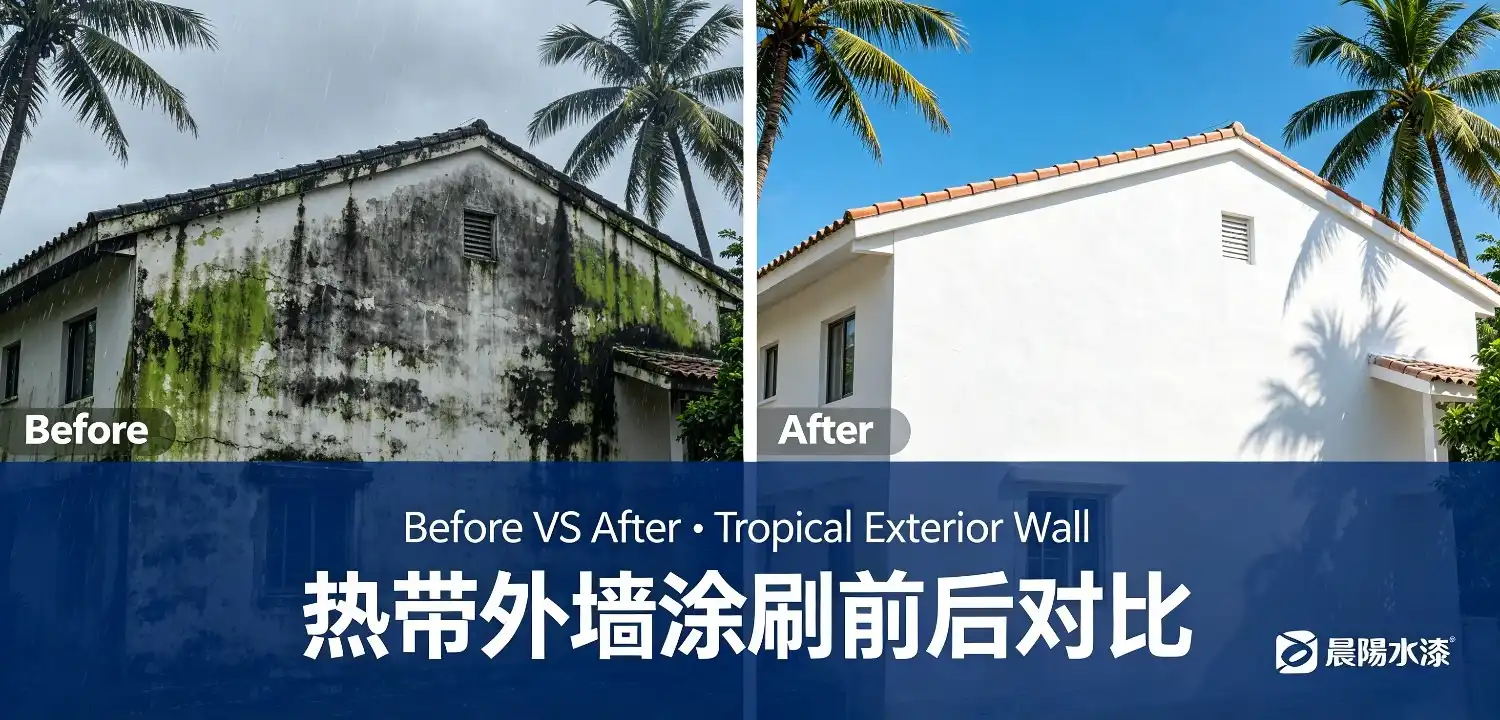
Normal outdoor paint wasn't made to last in tropical zones, where the humidity is above 80%, the temperature changes every day, and the UV radiation is very strong. Aspergillus niger and Penicillium are two types of fungi that do very well in these settings. They make enzymes that break down normal binder materials in 12 to 18 months. According to a study published in the journal Construction and Building Materials in 2021, the formation of microbial biofilm speeds up the failure of paint films by up to 40% in humid subtropical climates compared to temperate climates.
Mold-proof coats make a shield that doesn't do anything. Real anti-fungal paint for tropics does more than that; they have controlled-release biocides (like Zinc Pyrithione derivatives) mixed in with a flexible acrylic or silicone-modified resin matrix. The microporous structure lets wetness from the base escape, which stops the film from blistering and delaminating, which traps fungal spores below it.
It is important to know the difference between these two terms before making a purchase decision about tropical construction assets.
Key Benefits of Anti-Fungal Exterior Paint for Tropical Buildings
Tropical building owners and distributors often find that the real cost of paint that doesn't meet specifications isn't the paint itself, but the multiple times it has to be fixed. Here are the main benefits of using a properly made anti-fungal paint for tropics:
- Extended surface lifespan: The coating stops fungi from colonizing and protects plaster, cement mortar, and brick substrates from enzyme-based breakdown, so they only need to be painted every 5–7 years in confirmed tropical conditions, instead of every 2–3 years.
- Improved occupant health: Low-VOC, water-based recipes don't give off the solvent gasses that alkyd paints do. Chenyang's product meets the limits set by GB 24408-2009 for harmful substances, which protects people living, working, and going to school in buildings that have been treated.
- Reduced lifecycle maintenance costs: Less fungal growth means fewer complaints, fewer emergency touch-up orders, and less work costs over the course of the product's life. This is a clear benefit for wholesalers who handle warranty claims and keep customers coming back.
- Non-hazardous shipping classification: Water-based paints can be shipped as general goods, while oil-based alternatives need to be handled as Class 3 flammable liquids. This cuts down on freight costs, makes customs paperwork easier, and speeds up port clearance time—all of which are important benefits for import sellers who are dealing with FOB/CIF profit pressure.
Because of these benefits, water-based coverings that don't grow mold are the best choice for any building in an area with a lot of dampness. Even if the unit price is higher in the first repainting cycle, the savings over the lifecycle usually make up for it.
Selecting the Right Mold-Inhibiting Coating for Humid Climates
Technical Criteria That Matter Most
When choosing a high-performance outdoor paint that is resistant to humidity, you need to look at more than just what the marketing says. Teams in charge of buying things should ask for written results from ASTM D3273 (resistance to mold growth) and ASTM D5590 (resistance to fungal defacement) tests. Results from QUV accelerated weathering tests on UV stability and ASTM D3359 on adhesion are both important for tropical deployment.
Certifications as a Verification Shortcut
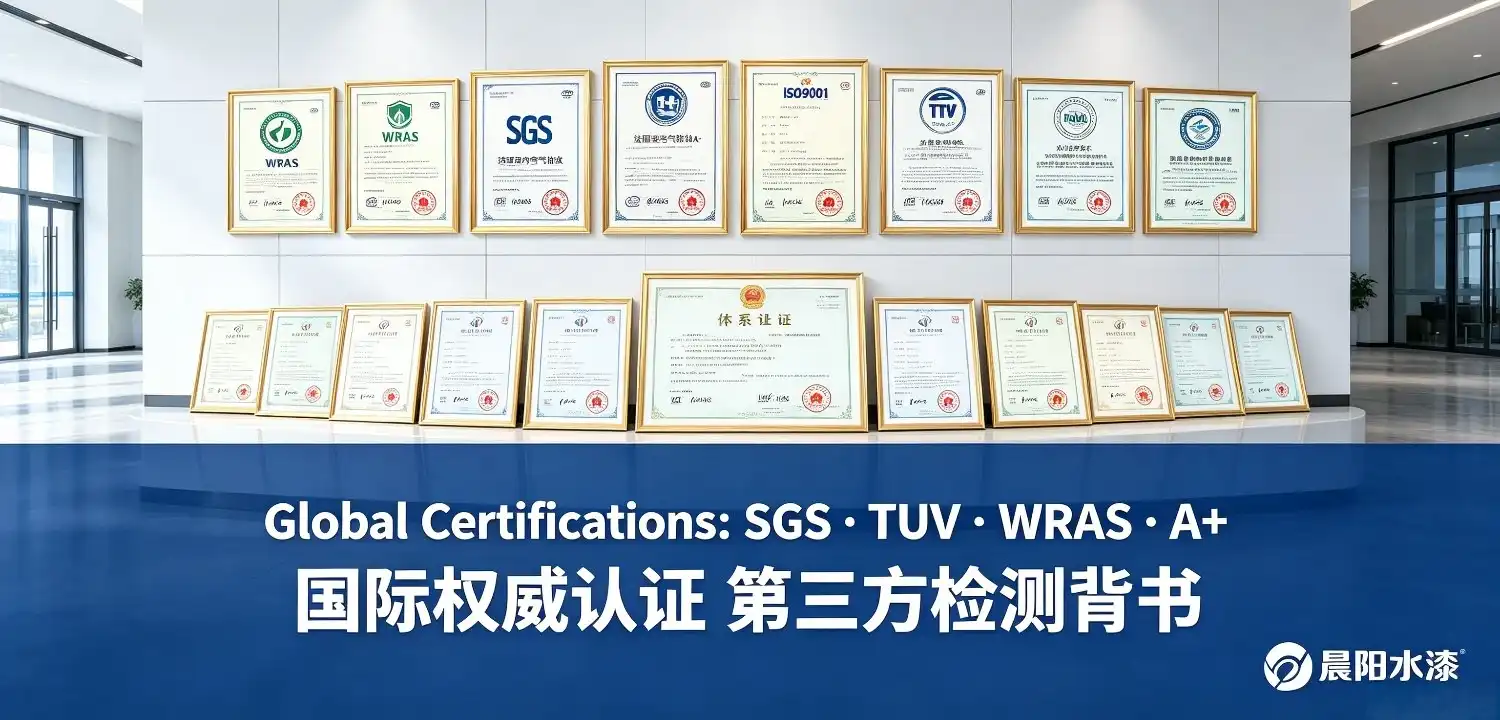
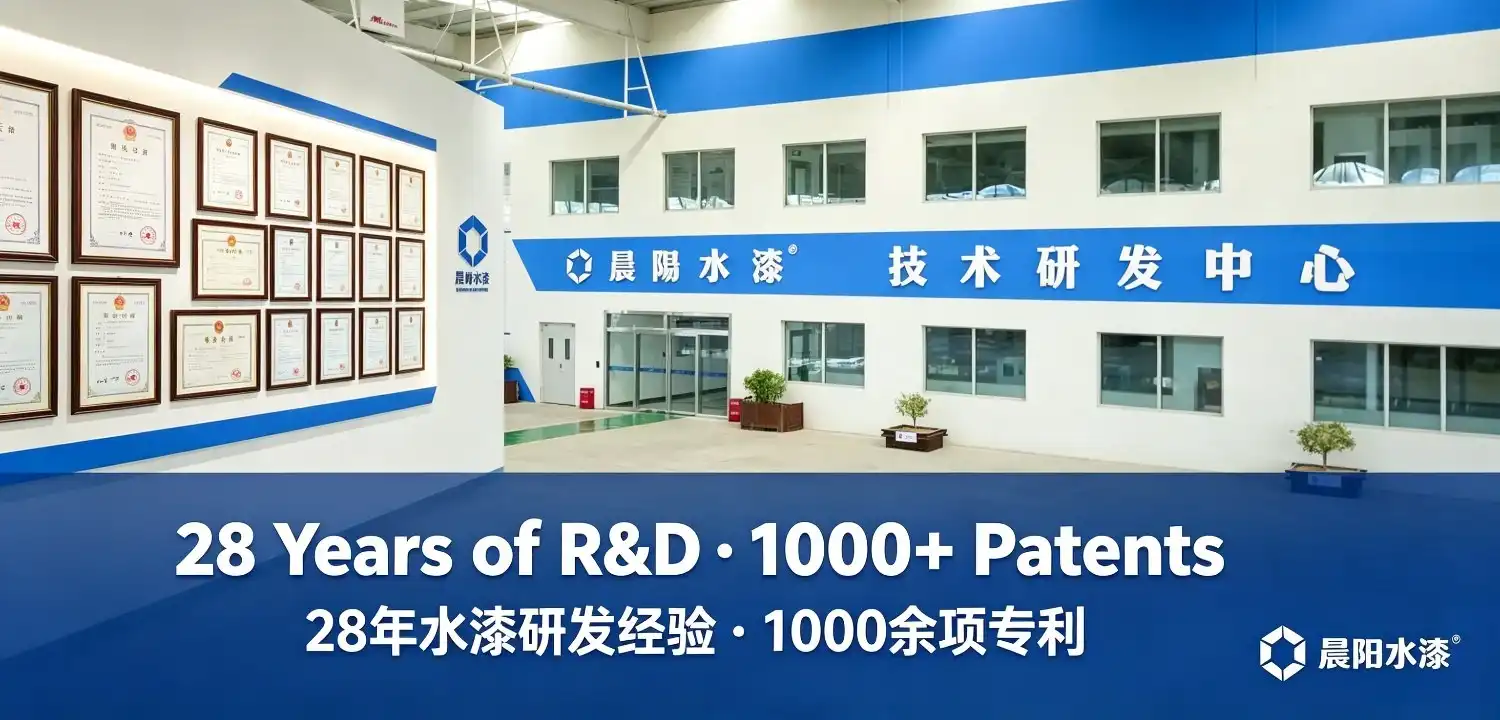
There are more than 1,000 patents on Chenyang Water Paint's products, and the company is involved in making more than 100 Chinese national standards. Its products have EU SGS verification, German TÜV certification, UK WRAS compliance, and French A+ rating. These are proof that they perform at the level needed by regulatory frameworks in developed markets. When looking for a new supplier, these certifications take the guesswork out of the process for B2B buyers in Southeast Asia, Africa, or Latin America.
What to Ask a Supplier Before Ordering
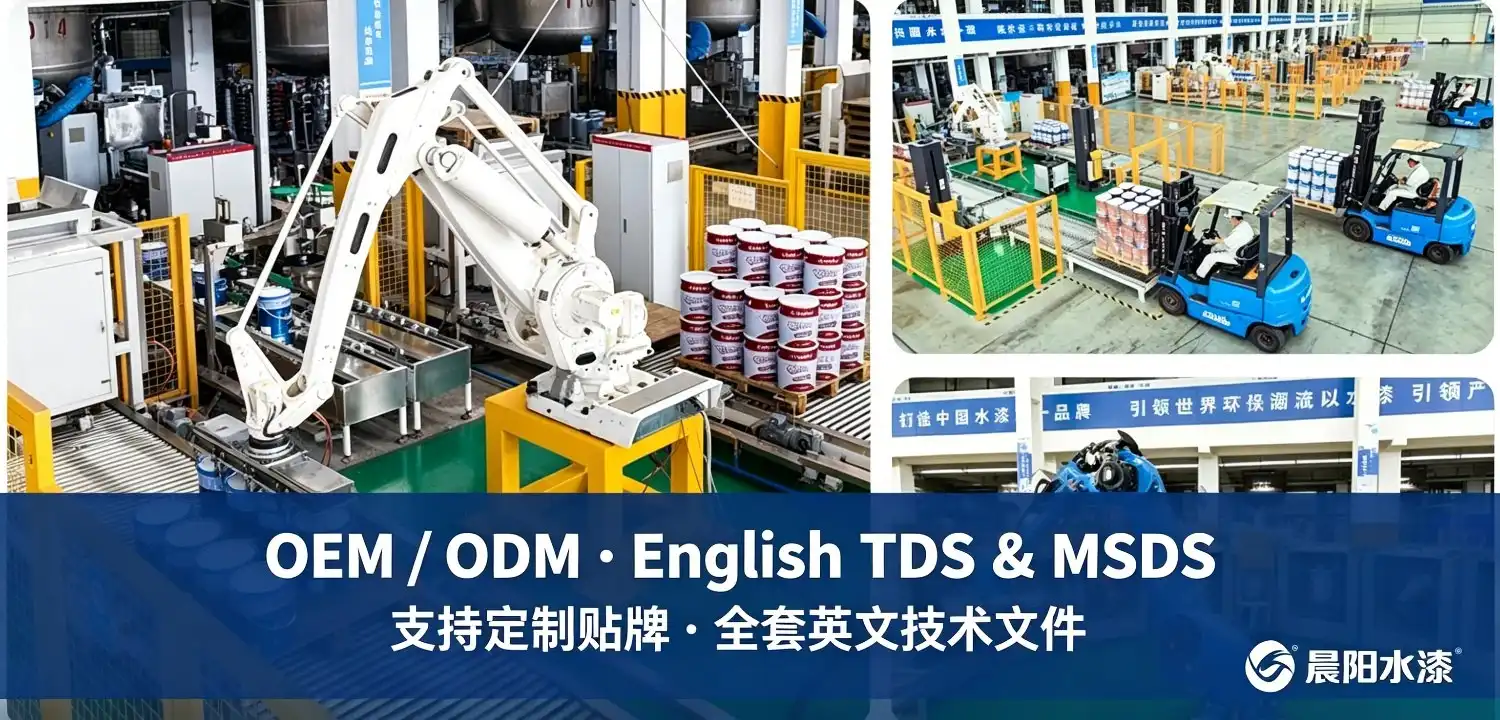
Before you agree to a trial container, make sure you get full TDS and MSDS documentation in English, reports from accelerated aging tests, and information on whether the manufacturer offers OEM/ODM labeling. Chenyang offers full English technical documents and helps with custom packing and private-label production, which makes it easier to set up a brand in the country where you want to sell it.
How to Apply Anti-Fungal Exterior Paint Correctly
Choice of product is just as important as the right way to use it. If the substrate isn't ready properly, even the best mold-inhibiting coating won't work as well.
Before the application starts, the substrate must have a moisture content of less than 10% and a pH level lower than 10. Any mold that is already there needs to be killed with a biocidal wash. Putting new paint over live fungal colonies will only seal the spores below the film, making failure inevitable in the future. Cracks and holes in the surface should be closed and given time to cure.
Chenyang's Economic Engineering Exterior Wall Paint, an anti-fungal paint for tropics, should be diluted ≤20% for roller or brush application, and ≤10% for airless spray application. At 25–30°C, surface drying is done in 30 minutes, and hard drying takes an additional 60 minutes. The time between coats must be at least two hours. The application should happen between 5°C and 35°C, and the humidity should be less than 85%. In most tropical markets, these conditions are easy to meet during the dry season.
Regular maintenance greatly increases the coating's useful life. A gentle wash with water gets rid of surface dirt without lowering the biocide level, and a visual check once a year finds tiny cracks before water gets in.
Procurement and Supply Chain Guidance for B2B Importers
Evaluating Manufacturer Credibility
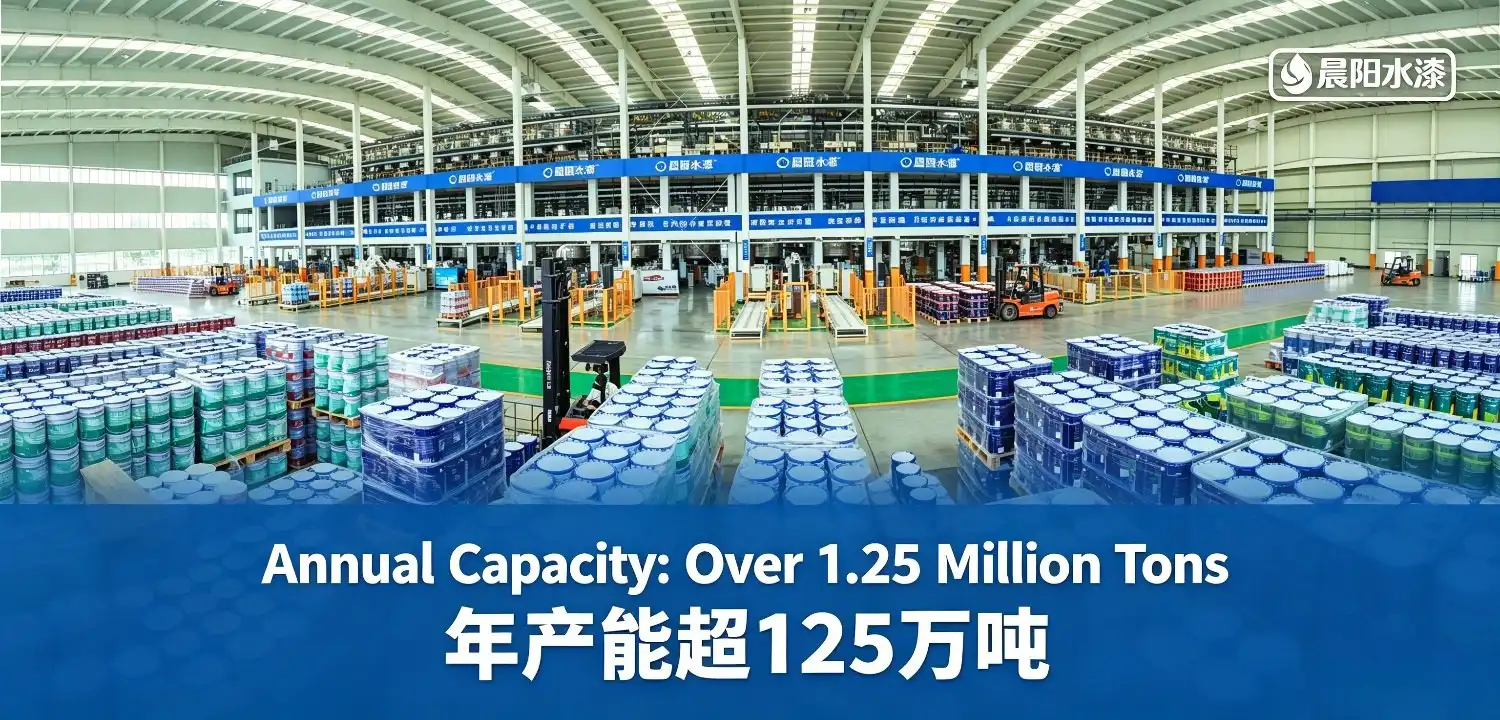
When buying paint from another country, the biggest risk is buying from a trade middleman instead of the plant that makes the paint. Chenyang Water Paint runs a national-level green manufacturing plant that can make more than 1.25 million tons of paint every year. The standard lead time for production is 7–10 days, so there is always enough to go around, even during busy building seasons. The fact that the company is involved in important Chinese national projects like renovating Tiananmen Square and building the Bird's Nest Stadium shows how much trust institutions have in its products.
Managing Logistics and Compliance
Water-based coatings that are considered non-hazardous materials only need standard MSDS and transport condition appraisal certificates to get through customs. This is because they don't need the extra fees and complicated paperwork that come with solvent-based coatings. Chenyang also gives buyers advice on what paperwork they need to get licenses for specific markets, which helps them figure out how to bring things into their own areas.
Buying in bulk in 25 kg buckets lowers the cost of packaging each unit and makes it easier to figure out how to load a container. Because the product has a high covering power, less material is needed per square meter. This lowers the cost-per-coverage for big projects even more.

Conclusion
In tropical regions, coats need to do more than just look nice. Fungal damage is bad for both the structure and the budget, and regular paint can't fix it. A specially made, weather-resistant, low-VOC anti-fungal paint for tropics that comes with tested lab results and globally recognized certifications protects a wide range of building types, from homes to businesses and factories. Chenyang Water Paint's Economic Engineering Exterior Wall Water-Based Paint combines all of these needs into a single, globally available product with a reasonable price that can be used by OEMs.
FAQ
1. Does anti-fungal paint completely prevent mold growth?
No covering can promise complete protection. In warm climates, high-quality anti-fungal paint for tropics formulations can keep fungi from growing for 5–7 years, but the base still needs to be maintained and inspected on a regular basis to keep working.
2. What is the difference between anti-fungal and mold-resistant paint?
Paint that doesn't grow mold acts as a shield. Anti-fungal paint has active biocidal agents in it, like Zinc Pyrithione derivatives, that stop fungal spores from germinating on a biological level. This gives better and longer-lasting protection in places with a lot of moisture.
3. Is water-based anti-fungal paint safe for occupied buildings?
Yes, Chenyang's formula meets the limits set by GB 24408-2009 for harmful substances and is certified as low-VOC. When used in living areas, schools, and hospitals, it is safe. Normal air rules during application are enough.
4. Can this coating be applied over existing painted surfaces?
Yes, but only after all the mold is gone and the surface is structurally sound. Before it can be used, the substrate must have a pH below 10 and a moisture amount below 10%.
5. What documentation does Chenyang provide for customs clearance?
Chenyang gives full TDS, MSDS, and transport condition appraisal certificates in English. The fact that water-based goods are not considered hazardous makes the purchase process easier in most tropical markets.
Request a Sample or Bulk Quote from Chen Yang Water Paint
A big advantage for any building materials dealer is being able to find a trustworthy anti-fungal paint for tropics producer with verifiable certifications and OEM capabilities. Chen Yang Water Paint has more than 1,000 patents, 28 years of experience with water-based coatings, quality that has been checked by EU SGS and German TÜV, and the ability to produce under a private name. The company can also produce 1.25 million tons of paint every year. You can email our international sales team at sales@chenyangpaint.com or visit chenyangpaint.com to get free samples, full technical documentation, and a price proposal for containers.
References
1. Construction and Building Materials — Microbiologically Induced Degradation of Exterior Paint Films in Humid Subtropical Climates, 2021.
2. Progress in Organic Coatings — Biocide Efficacy and Controlled-Release Mechanisms in Antifungal Architectural Coatings, 2020.
3. Journal of Coatings Technology and Research — Accelerated Weathering Performance of Acrylic Exterior Coatings Under High-UV Tropical Conditions, 2019.
4. Indoor Air — VOC Emissions from Architectural Coatings and Their Impact on Indoor Air Quality in Occupied Buildings, 2022.
5. ASTM International — Standard Test Method for Resistance to Growth of Mold on the Surface of Interior Coatings in an Environmental Chamber (ASTM D3273), 2022.
6. Biofouling: The Journal of Bioadhesion and Biofilm Research — Zinc Pyrithione as an Active Antifungal Agent in Exterior Architectural Coatings: Efficacy and Environmental Considerations, 2018.
Send Inquiry
You may like