Anti-Fungal Paint for Tropics: Choosing the Right Paint for Humid Climates
If you manage exterior wall projects in Southeast Asia, Africa, or any region where the rainy season never truly ends, you already know the frustration: walls turn green, black patches spread across facades within months, and clients call to complain before the paint has even cured properly. Choosing the right anti-fungal paint for tropics is not a cosmetic decision — it is a structural and commercial one. This guide walks through what makes a mold-resistant exterior coating genuinely effective, what to look for when sourcing at scale, and why the right manufacturer partnership matters more than the lowest unit price.
Understanding Anti-Fungal Paint and Its Role in Tropical Climates
What Makes Tropical Environments So Destructive to Coatings?
Tropical regions have high UV rays, temperatures that stay between 25°C and 35°C, and relative humidity levels above 80%. These conditions make it easier for biofilm to grow on outside surfaces. Algae and fungi like Aspergillus and Penicillium grow on microporous wall surfaces and eat the organic binders that are in most coats. Once they get started, their enzymes break down the paint film from below, which leads to peeling, staining, and eventually damage to the substrate. Standard architectural coatings don't have enough biocide or the ability to breathe to last through more than one rainy season.
Anti-Fungal vs. Anti-Mold Paint: A Critical Distinction
A lot of buyers use these terms to mean the same thing, but the difference is important for product specifications. Broad-spectrum fungicides are often used in anti-mold treatments to kill surface-level mildew. True anti-fungal paint for tropics treatments, on the other hand, use controlled-release biocide systems that are usually Zinc Pyrithione (ZPT) or silver-ion derivatives and are mixed into a microporous acrylic or silicone resin matrix. This matrix lets air pass through, so any wetness that is trapped in the base can leave, which stops blistering. The most important compliance standards for procurement workers choosing paints in areas with a lot of rain are ASTM D3273 (mold resistance) and ASTM D5590 (fungal defacement resistance).
Key Criteria for Choosing the Best Anti-Fungal Paint for Tropical B2B Applications
When buying in bulk, choosing an outer finish that doesn't absorb water means looking at a lot of technical and financial factors at the same time. The main things that set high-performing anti-fungal paint for tropics formulations apart from general ones are the following:
- Vapor Permeability: A film that lets air pass through it stops hydrostatic pressure from building up under the coating surface. This is what causes peeling in wall systems that are often damp. Look for formulations that are a good mix of being hydrophobic and allowing controlled vapor diffusion.
- UV Stability: Coatings that aren't properly stabilized will chalk and change color within 12 to 18 months of being exposed to high levels of sunlight in equatorial zones. Any product that is meant to be used outside in the tropics should come with verified QUV rapid weathering statistics.
- Biocide Durability: Biocide systems that don't wash away during multiple wet seasons stay effective instead of losing their power after the first rainfall. Active anti-fungal drugs should come with HPLC dosage confirmation from the manufacturer.
- Substrate Compatibility: Coatings that work well must stick well to concrete, cement mortar, brick, and stone, which are the most common substrates in Southeast Asian and African construction markets.
- Environmental Compliance: Low-VOC, water-based formulations are being required by public procurement standards more and more. They also make it easier to classify freight for foreign shipments.
Together, these factors show whether a coating will work well in the real world or lead to expensive guarantee claims in just one wet season.
Application Best Practices for Anti-Fungal Paint in Tropical Regions
Surface Preparation Is Non-Negotiable
When applied to dirty or wet surfaces, no anti-fungal paint for tropics covering works well. Before applying, surfaces must be cleaned with a biocidal wash that meets JIS Z 2911 standards to get rid of any spore colonies that are already there. The pH must be less than 10 and the amount of water in the substrate must be less than 10%. In coastal or high-humidity areas, this preparation step usually takes longer than the painting itself. But if you skip it, the coating won't protect as long.
Optimal Application Conditions and Methods
Chenyang's Engineering Exterior Wall Water-Based Paint says that it should be used in a temperature range of 5 to 35°C and a relative humidity of less than 85%. At 25–30°C, the surface dries in 30 minutes, and it's ready to recoat after two hours. Roller, brush, or high-pressure airless spray can be used by applicators. High-pressure airless spray is suggested for big commercial facades where even film thickness is important. It is only possible to dilute roller/brush at 20% and spray at 10% so that the biocide concentration and film integrity are kept. Tools can be cleaned right away with water, which gets rid of the need for solvent removal handling completely.
Procurement Guide: Sourcing Reliable Anti-Fungal Paint for Tropical Markets
What Importers and Distributors Actually Need From a Supplier
If you are a business buyer in a tropical import market, your relationship with your supplier is more than just a product specification sheet. Reliable large-scale supply, OEM/private-label freedom, and clear customs paperwork are all important factors. These concerns are directly addressed by Chenyang Water Paint:
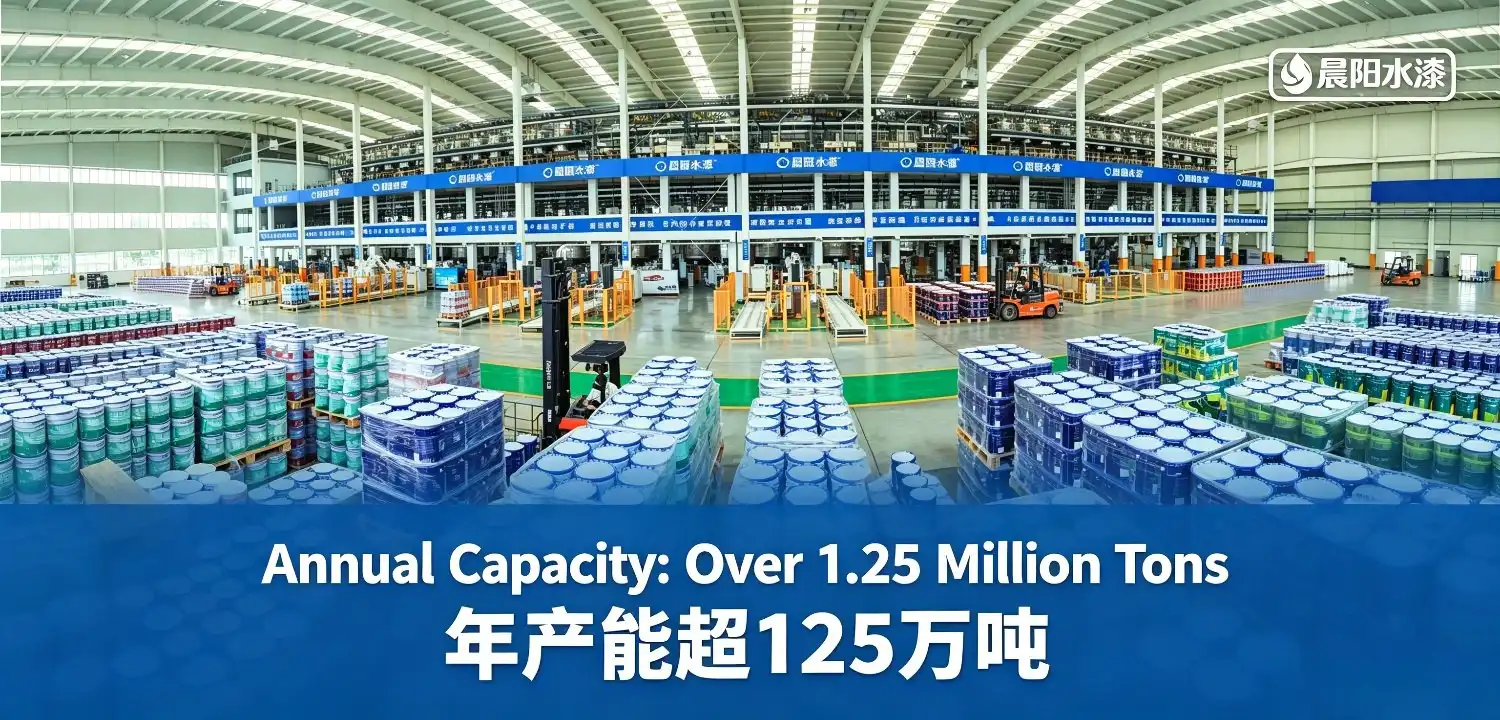
- Production Capacity: Chenyang can handle both trial orders and full-container exports without worrying about wait times. Each year, they produce more than 1.25 million tons of goods, and the production cycle lasts for 7–10 days on average.
- Non-Hazardous Classification: Because this coating is water-based, it moves as non-dangerous goods, needing only standard MSDS and transport condition evaluation papers. This makes it much easier to get through customs and saves a lot of money on freight costs compared to oil-based options.
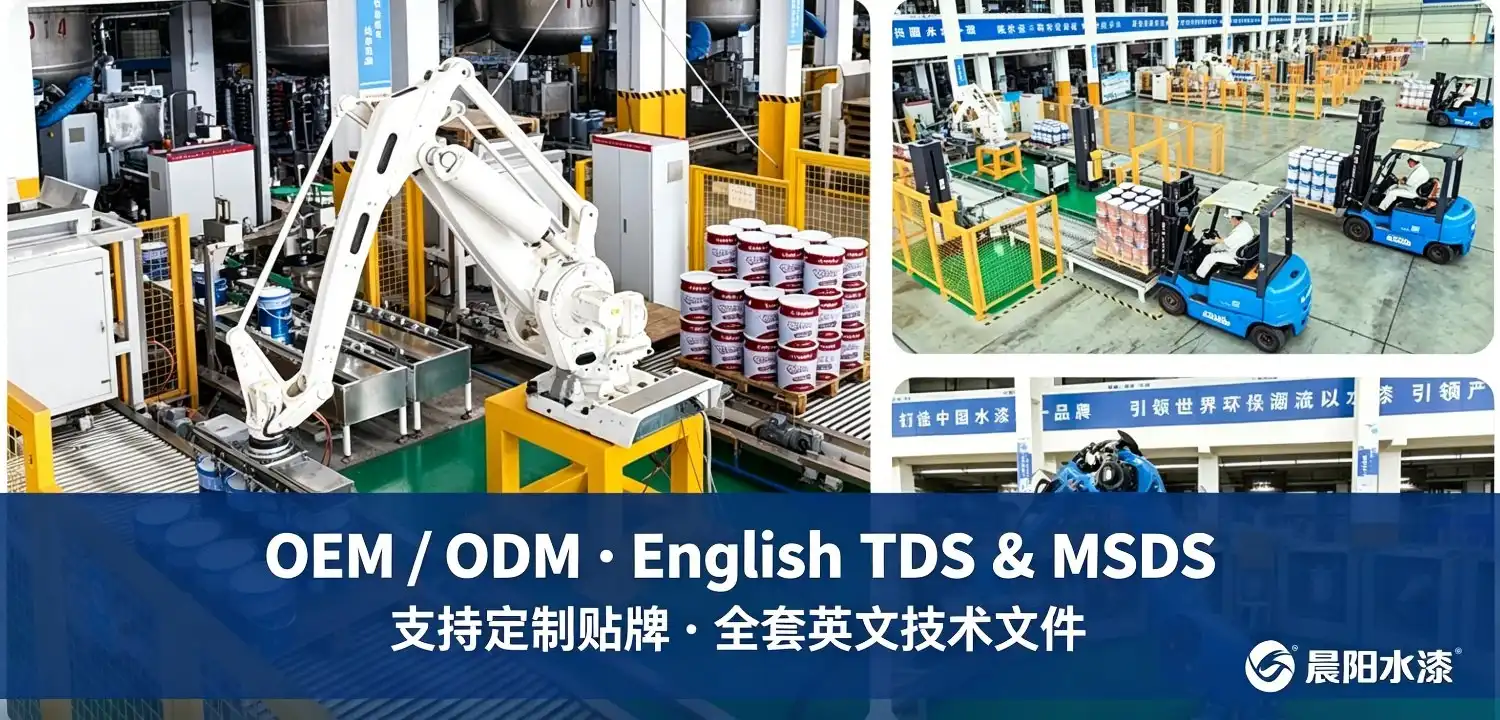
- OEM/ODM Flexibility: Chenyang can do private-label packing, label customization in local languages, and formula changes that are made to fit the temperature of each area.
- Complete English Documentation: You can get full TDS and MSDS packages in English to help with project registration and clearing customs at the target port in places like Southeast Asia, the Middle East, and Sub-Saharan Africa.
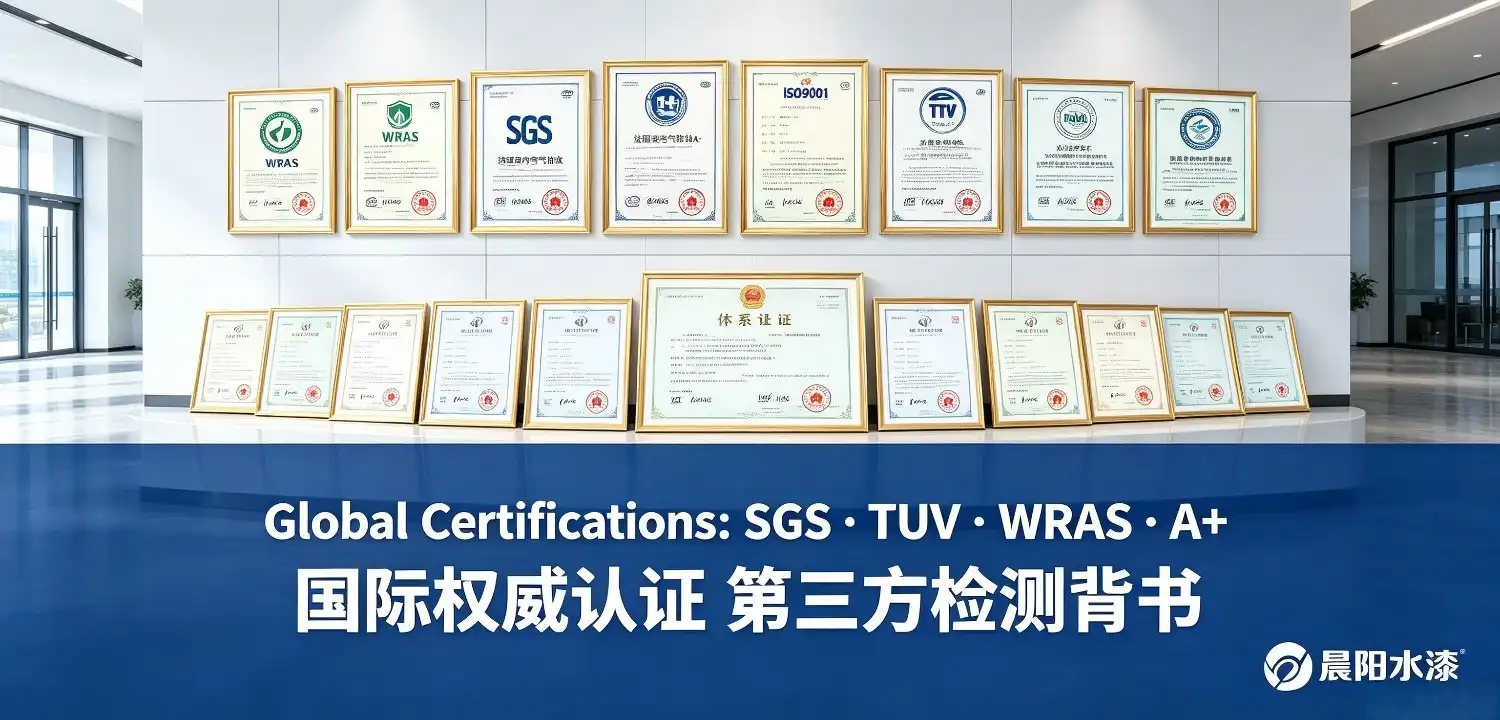
- International Certifications: Products have been checked by EU SGS, German TÜV, and UK WRAS. This is the third-party confirmation that purchasing managers need before adding a new foreign product.
Chenyang is more than just another trade middleman thanks to these benefits, making it a reliable anti-fungal paint for tropics provider.
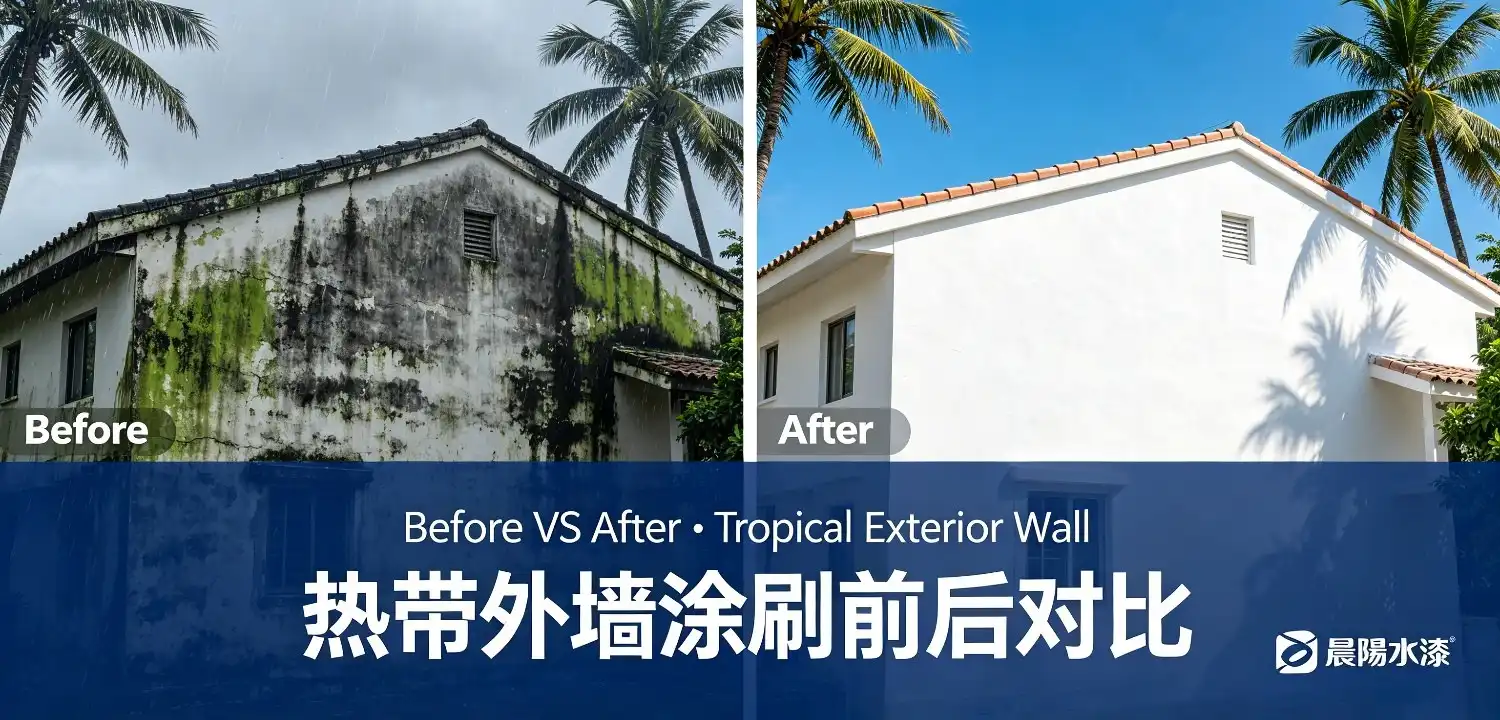
Case Studies and Industry Insights: Effectiveness of Anti-Fungal Paint in the Tropics
Field Performance Across Key Sectors
There are clear benefits to using water-based mold-resistant outdoor coatings over other goods in three types of high-stress situations. Coastal hotel projects in tropical areas have reported longer repaint cycles when biocide-stabilized coatings are used. This is especially important in places where salt spray makes normal humidity damage worse. Food and drink processing plants in muggy industrial parks use low-VOC anti-fungal paints to keep their walls clean and in line with HACCP standards. A persistent "green wall" syndrome from algal and fungal staining affects affordable housing programs in areas with a lot of rain. Projects that use GB 24408-2009-compliant water-based coatings have reported much lower remediation costs over five-year maintenance windows.
In warm and subtropical markets, Chenyang's Engineering Exterior Wall coating is widely used in living areas, schools, hospitals, and industry sites. It comes in 25 kg buckets, has a matte finish, and can be made in any color. The six-in-one performance profile of weather resistance, color retention, adhesion, covering power, ease of application, and low cost takes into account the realities of managing large projects, where both contractor efficiency and long-term client satisfaction play a role in purchasing decisions for an anti-fungal paint for tropics.
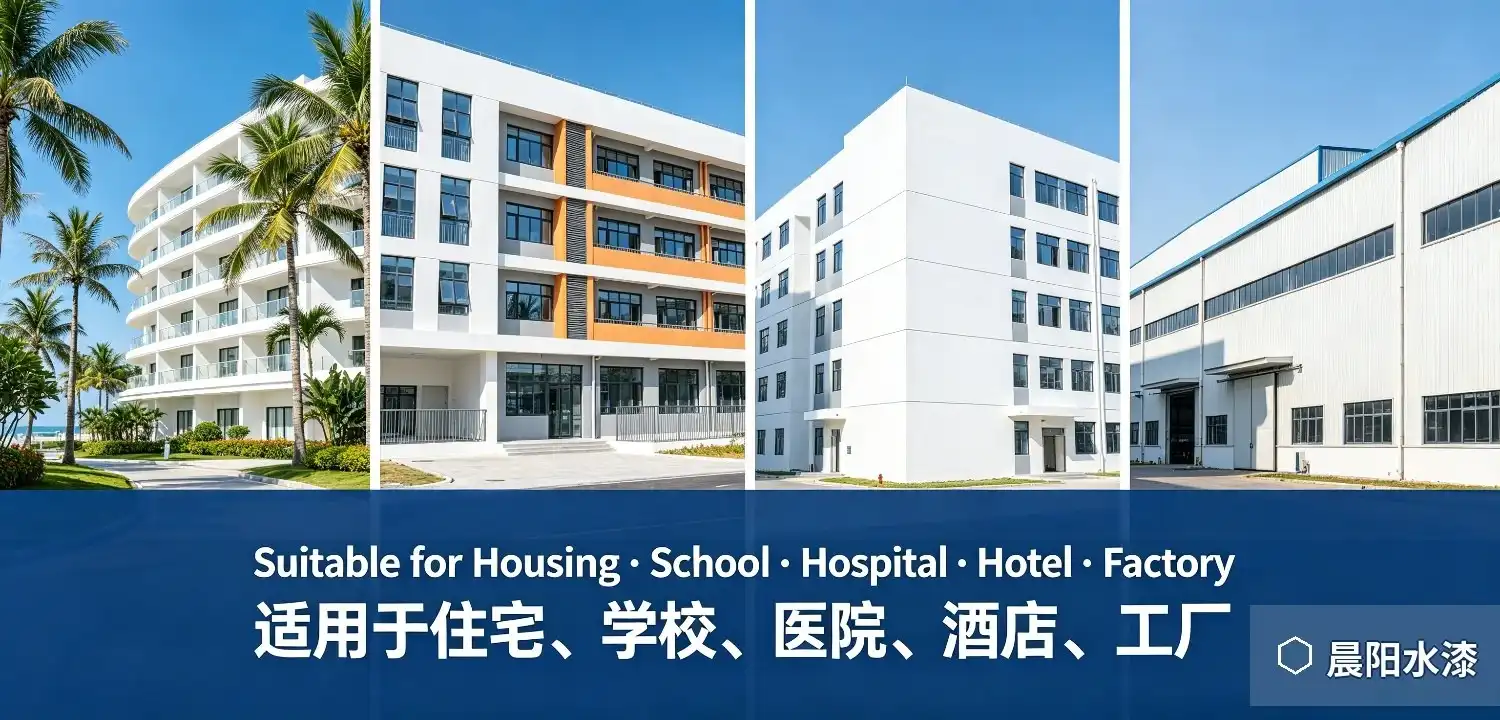
Conclusion
In tropical climates, walls are constantly exposed to high humidity, UV rays, and living things that regular paints can't handle. The most important thing that determines how long a project lasts and how many clients stay is the choice of a purpose-engineered, breathable, biocide-stabilized exterior coating. Chenyang's water-based exterior wall coating meets the technical requirements and supply reliability of tropical market importers. It is internationally certified, follows GB 24408-2009, and is available in full-container OEM configurations as a dependable anti-fungal paint for tropics.
FAQ
What is the difference between anti-fungal and anti-algae paint properties?
Anti-fungal agents kill mold and mildew that grow on damp, shady surfaces, while anti-algae agents address green organisms that grow on walls that get sun. Both types of threats occur in tropical areas, so high-performance anti-fungal paint for tropics solutions must include biocides that kill both types of threats.
How long does mold-resistant protection last in tropical conditions?
In humid areas, high-quality formulations with low-leaching pesticide systems usually stay effective for five to seven years, though this depends on how often the surface is maintained and how much rain falls on it.
Can this coating be applied over existing fungal growth?
No. Any fungal contamination that is already there must be completely removed, and the surface must be treated with a biocidal wash before the paint is applied. Painting over active spore colonies stops them from sticking properly, so they lose their protective value.
Why does exterior paint peel even when it carries anti-fungal properties?
Peeling is usually caused by too much moisture in the substrate, not a failure of the biocide. If the vapor permeability isn't high enough, moisture inside the wall can't leave, which builds up hydraulic pressure that lifts the coating film.
Does Chenyang offer private-label options for import markets?
Yes, Chenyang can do full OEM packing, custom labels in the local language, and climate-adjusted ODM formulations. They also offer English TDS and MSDS paperwork.
Partner With Chen Yang Water Paint for Your Next Tropical Project
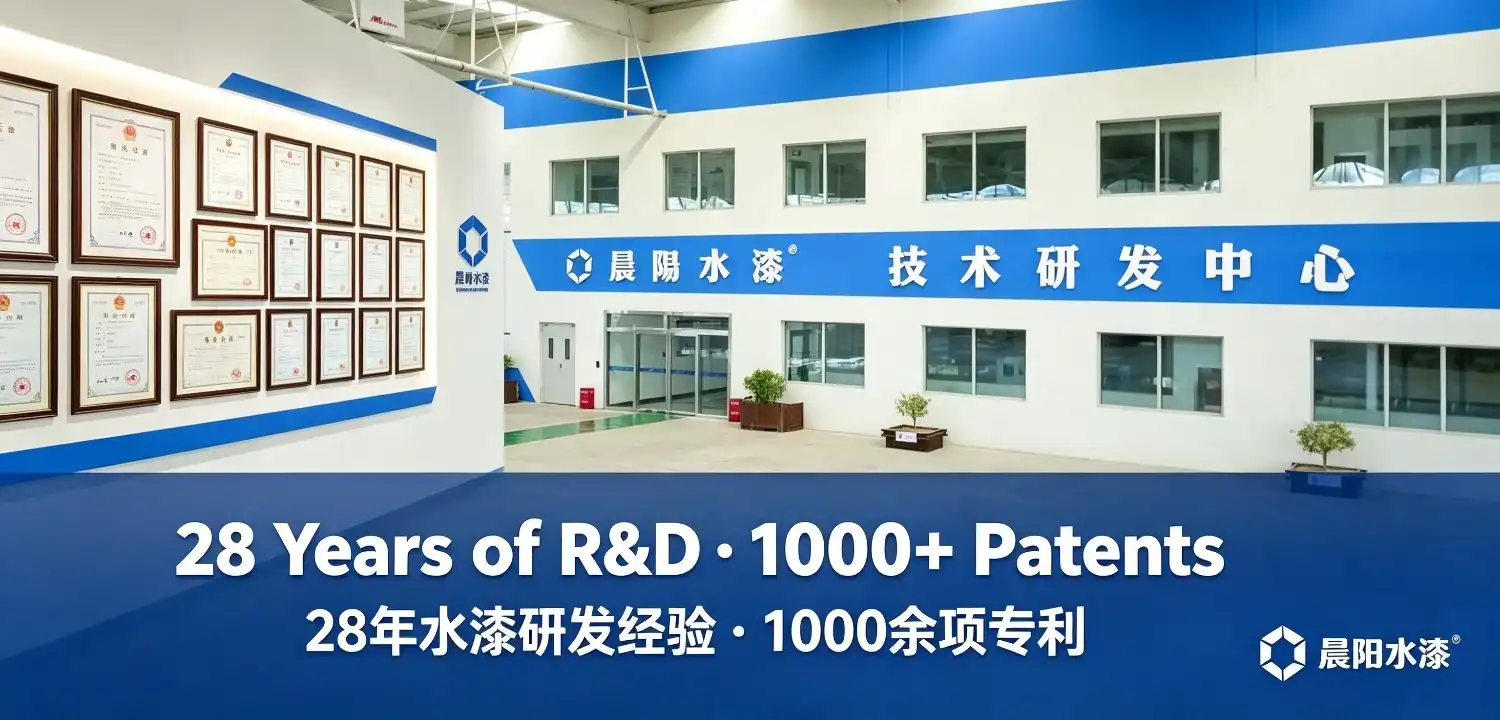
Chen Yang Water Paint has more than 1,000 patents and 28 years of experience with water-based coatings. For importers who require reliable performance and supply, our anti-fungal paint for tropics maker capabilities, which include full-container OEM supply, internationally approved formulas, and fast technical paperwork, are intended. Get a free sample right now to see the change for yourself before you decide to order a whole jar. You can email us at sales@chenyangpaint.com or go to chenyangpaint.com.
References
1. Shirakawa, M. A., et al. — Construction and Building Materials, 2010
2. Johansson, P., et al. — Building and Environment, 2012
3. Gaylarde, C. C., & Morton, L. H. G. — Biofouling, 1999
4. ASTM International — ASTM D3273: Standard Test Method for Resistance to Growth of Mold on the Surface of Interior Coatings in an Environmental Chamber, 2016
5. ISO — ISO 11998: Paints and Varnishes — Determination of Wet-Scrub Resistance and Cleanability of Coatings, 2006
6. Tran, T. T., et al. — Journal of Coatings Technology and Research, 2019
Send Inquiry
You may like