Antimicrobial Wall Paint: How to Stop Bacteria, Mould and Viruses on Your Walls — 24 Hours a Day
If you manage a hospital ward, a school classroom, or a food processing facility, you already know that wall hygiene is not decorative—it is operational. Anti-bacterial wall paint is a purpose-engineered coating that embeds active antimicrobial agents directly into the paint film, delivering continuous protection against bacteria, mould, and fungi without requiring repeated chemical treatments. Unlike standard emulsions, these coatings work around the clock, making them the preferred specification for healthcare construction, cleanroom fit-outs, and institutional renovation projects where infection control is non-negotiable.
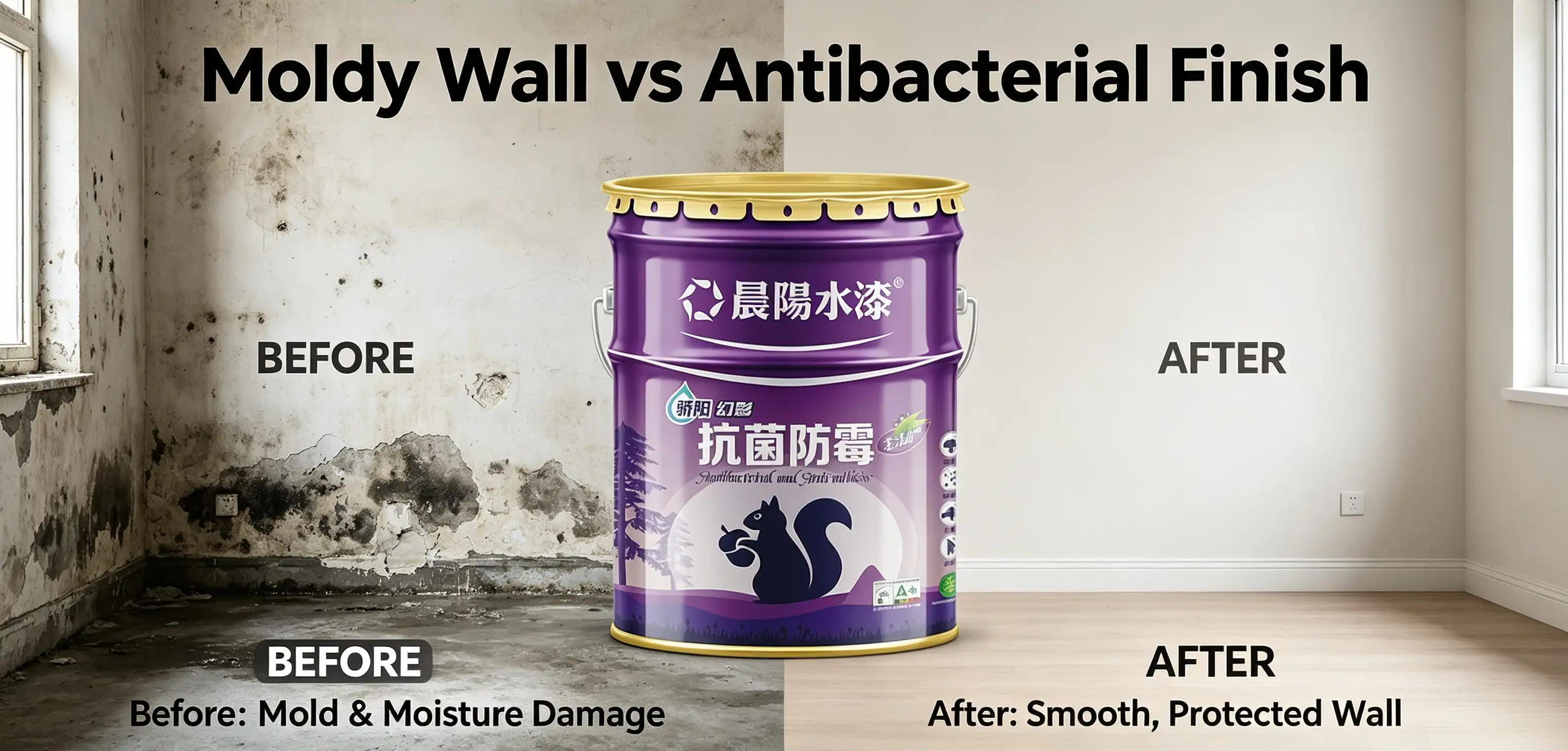

Understanding the Challenge: Why Walls Harbor Bacteria, Mould, and Viruses
The Hidden Biology on Your Wall Surface
Most facility managers pay attention to the floors and fixtures, but the walls inside buildings also get a lot of microbes. Paint films with holes soak up water vapor, making tiny spaces where Staphylococcus aureus, E. coli, and mold spores can grow within hours. A study released in 2019 in the Journal of Hospital Infection proved that healthcare-associated infections (HAI) are more likely to spread on walls that are dirty. This risk grows quickly in places that are humid or don't have enough air flow, like business kitchens, basement hallways, and pediatric rooms.
Regular decorative paints don't kill living things. They seal the surface to make it look nice, but they don't stop microbes from sticking to or multiplying on it. Mold patches and yellowing that can be seen over time are signs of a deeper colonization. If a procurement manager is writing a technical specification for a hospital tender, they can't just send in a standard paint specification because modern infrastructure contracts include hygiene standards that call for anti-bacterial wall paint.
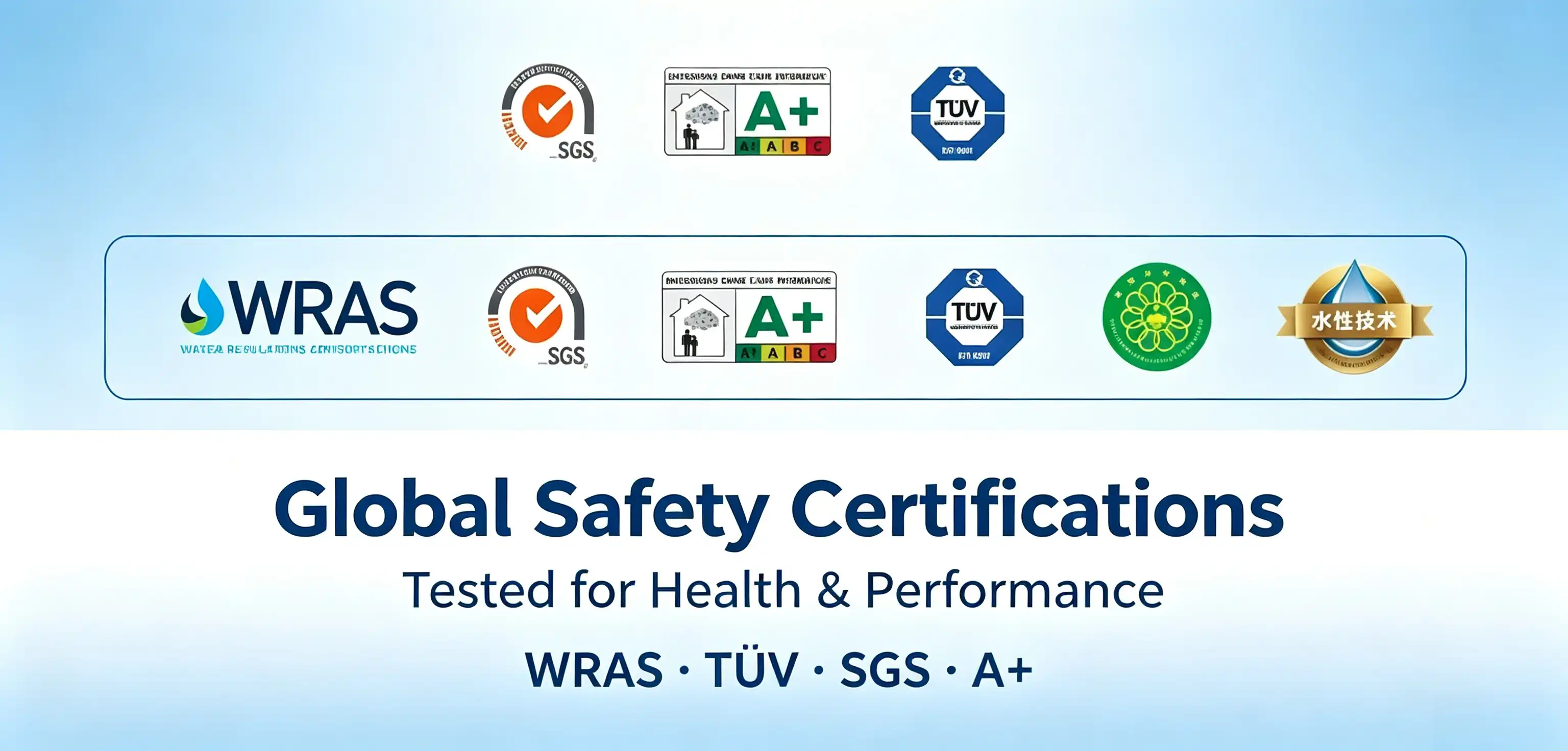
How Antimicrobial Wall Paint Works — Technology and Application
The Science Behind 24-Hour Protection
Active agents built into the polymer structure are what make high-performance antimicrobial coats work. Silver ion (Ag⁺) technology stops microbes from copying DNA and keeping their cell walls together through an ion-exchange mechanism that doesn't run out quickly. This means that the protection works for as long as the paint film lasts, which is usually five to ten years. Zinc pyrithione or quaternary ammonium chemicals are used in other versions to kill a wider range of fungi.
Most importantly, the best current formulas don't leach. The biocidal agents don't move into the base or the air inside; they stay inside the finished film. This is what makes it possible for products to be antimicrobial and low- or zero-VOC at the same time.
Application Guidance for Commercial Projects
How well a substrate is prepared determines how well it performs. Before coating can start, the wall surface must have a pH below 10 and a moisture level below 10%. It doesn't matter if you use a brush, a roller, or a high-pressure airless spray to apply the film; the important thing is that the film is at least 30 µm thick to get full antimicrobial effectiveness from the anti-bacterial wall paint. When the temperature is between 25°C and 30°C, surface drying takes about 30 minutes and hard drying takes 60 minutes. This plan keeps big project schedules on track.
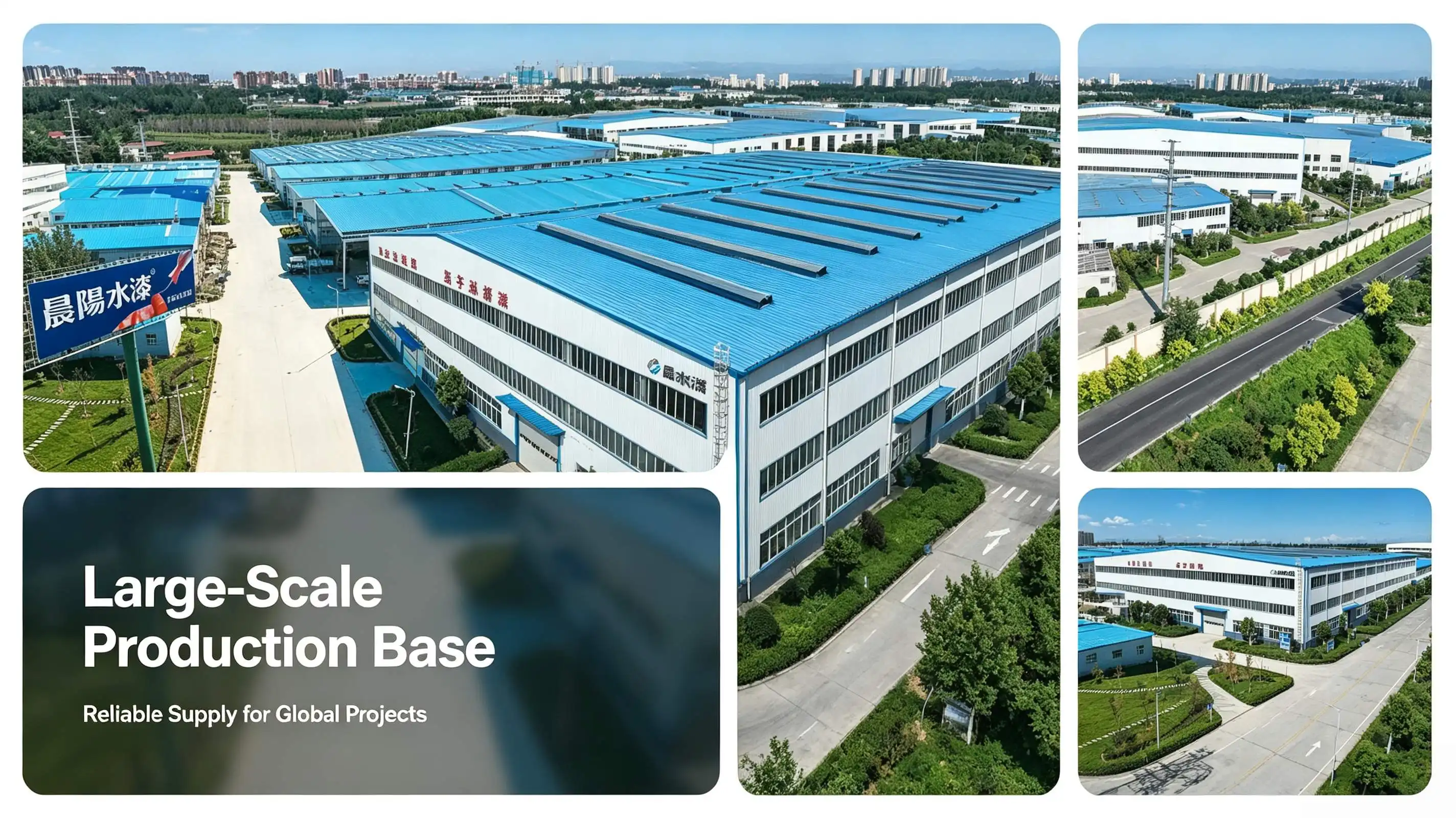
Benefits of Using Antimicrobial Wall Paint in Industrial and Commercial Settings
There are many more practical uses for antimicrobial interior coatings besides just preventing infections. Here are the main performance benefits that facility managers and procurement managers always say they see:
- Continuous pathogen suppression: With a kill rate of over 99.9% against targeted bacteria (as confirmed by HG/T 3950-2007), the coating gets rid of the need for frequent biocidal surface spraying, which saves money on chemicals and protects staff.
- Grade 0 mold resistance: This film has the best anti-mold rating according to GB/T 1741-2020. It stops the growth of black and green colonies that cause expensive cleanup work and damage to a business's image in food or healthcare settings.
- Reduced lifecycle maintenance cost: The tough, scratch-resistant film can stand up to hospital-grade disinfectants and high-pressure cleaning without breaking down, so it doesn't need to be painted as often as normal emulsions.
- Regulatory compliance readiness: Products approved to FDA 21 CFR 175.300 that are free of benzene, formaldehyde, and APEO meet the safety and environmental requirements put into modern institutional bidding papers.
These benefits directly give engineering companies a better chance to win bids. When a hospital or school procurement panel looks at different bids, a specification goes from "acceptable" to "preferred" if it comes with a verifiable certification package that covers things like antimicrobial effectiveness, mold resistance, and low harmful substance limits.
Beyond individual projects, contractors who regularly deliver measured hygiene results build a track record of trustworthiness that makes it easier for future bids to be shortlisted. Not only is compliance paperwork a box to check, it also gives you an edge over other businesses.
Comparing Antimicrobial Wall Paints: What Procurement Managers Should Know
Evaluating Suppliers Against Project Specifications
There are a lot of different kinds of antimicrobial coatings on the market, from general-use retail grades to engineering grades that are made for specific uses. Procurement managers should put the following factors at the top of their list when reviewing suppliers:
The depth of technical documentation is very important. A trustworthy company that makes anti-bacterial wall paint will show third-party lab reports, not just their own claims, that show how well the paint kills bacteria like S. aureus and E. coli, as well as mold resistance levels. Make sure you know for sure if the test results match the version of the standard that is listed in your project plan.
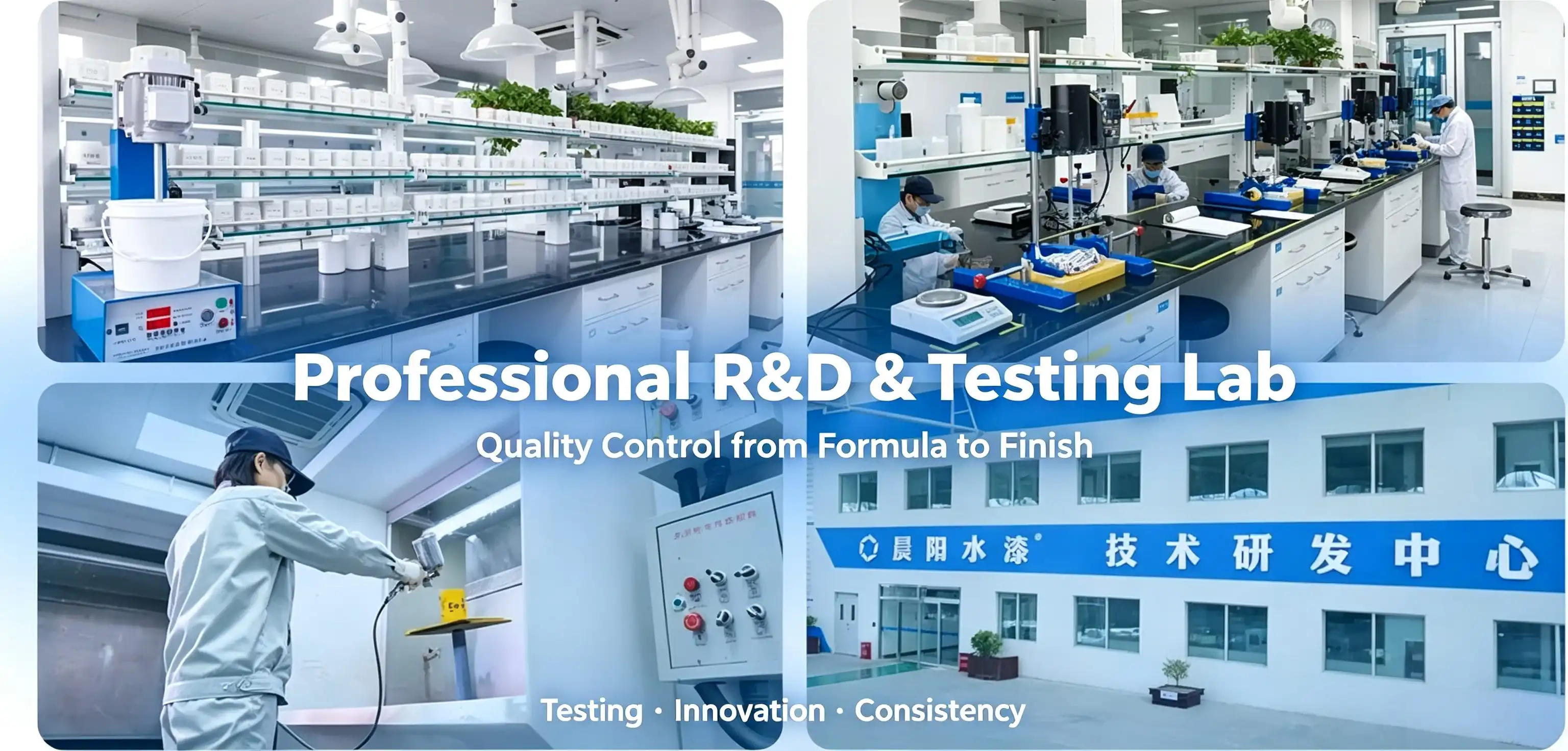
For stage-payment contracts, both the size of the production and the reliability of the delivery are very important. A seller with industrial capacity, like Chenyang Water Paint, which makes more than 1.25 million tons of paint every year, can deliver large orders to project sites that are spread out geographically within 7–10 days of receiving the order approval. This gives the builders more time to get the materials they need before they start working.
OEM potential is an important thing for contractors to think about as they build their own brand. A seller with more than 1,000 patents and active involvement in more than 100 industry standards can work with contractors to create custom formulations, color ranges, and private-label packaging. This way, contractors can offer a unique product in competitive bids instead of a standard line.
How to Choose the Right Antimicrobial Wall Paint for Your Facility
Matching Product Specifications to Environment Type
To choose the right finish, you need to be honest about the working conditions. A pediatric ward and a food production line both need antimicrobial protection, but the chemicals that people are exposed to in these places are very different. Here is a useful framework:
Healthcare and clinical areas need a covering that is rated as Grade 1 antibacterial and has been shown to be effective against MRSA and E. coli. It also needs to be resistant to quaternary ammonium disinfectants. The Jiaoyang Huaxin Series from Chenyang Water Paint fits this description. It has over 99.9% bacterial prevention, as confirmed by HG/T 3950-2007, and Grade 0 mold protection, as confirmed by GB/T 1741-2020. The FDA has certified the chemicals to be safe for food contact.
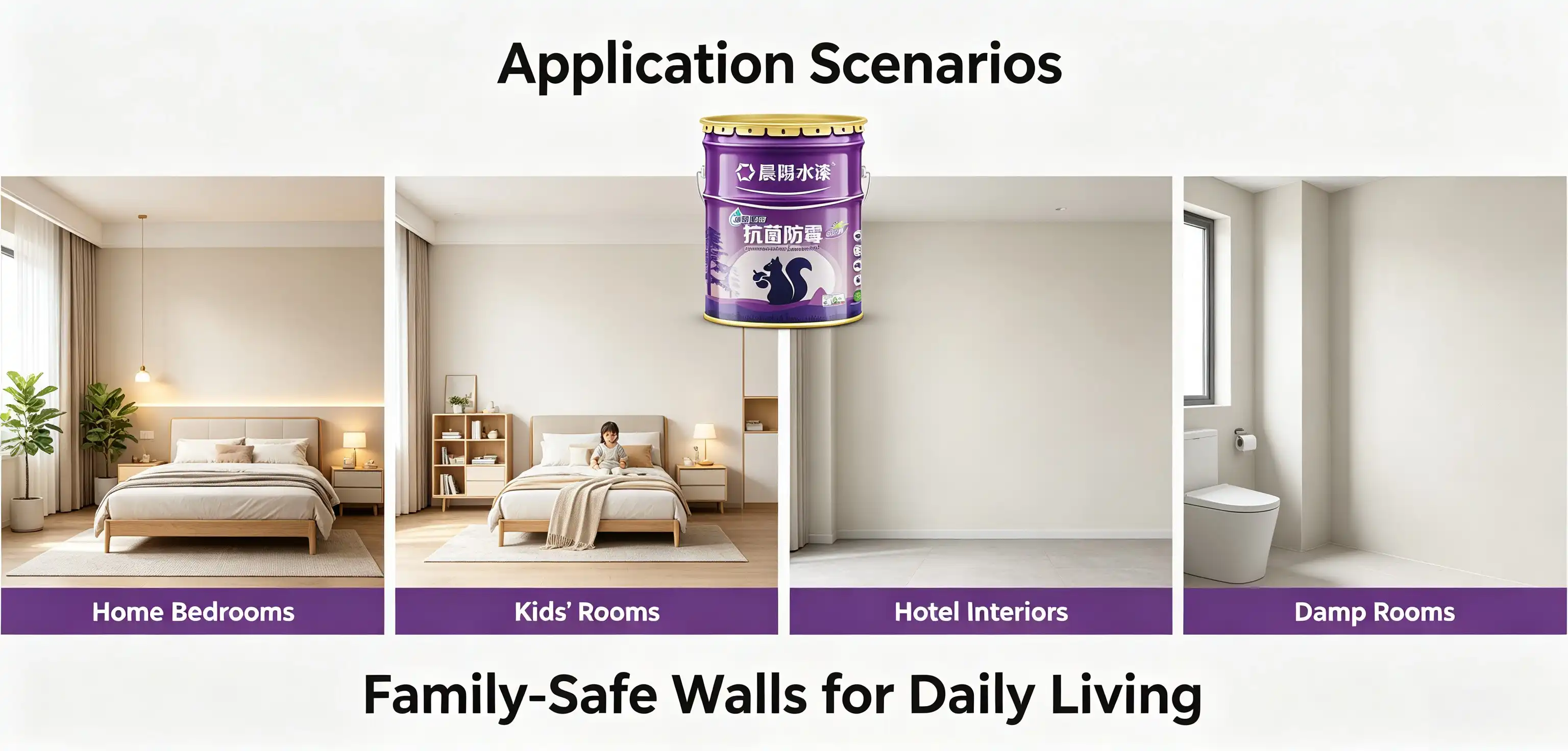
Low-emission formulas are preferred by schools and daycares. A water-based coating with no formaldehyde or APEO meets the health needs of children and the standards for indoor air quality in green building reviews. In commercial kitchens, where wall coatings have to stand up to steam, grease vapor, and high-alkaline cleaning that happens a lot, the same product logic applies.
Scratch resistance class and hiding power become the most important selection criteria for warehouse and industrial uses where long-lasting surface integrity under physical stress is most important. It covers 8–10 m² per kg per coat at 30 µm dry film, which means that large-surface projects use less material.

Conclusion
Microbial growth on inner walls is a real operating risk, not just an annoyance for looks. That risk can be turned into a manageable specification choice by choosing a purpose-built anti-bacterial wall paint that comes with reliable certifications, test reports from a third party that can be checked, and a maker that has the production depth to handle complex multi-phase projects. The Jiaoyang Huaxin Series from Chenyang Water Paint has Grade 0 mold resistance, 99.9%+ bacterial prevention, FDA-certified safety, and industrial-scale supply stability all in one line of products that are compliant. That makes it faster for procurement managers and engineering contractors who work in healthcare, education, or cleanrooms to go from tender specification to confident bid submission.
FAQ
1. How long does antimicrobial protection last in a commercial setting?
The active ingredients in a good antimicrobial coating will keep working for as long as the paint film lasts, which is usually five to ten years, as long as the surface isn't scratched or coated with a product that isn't antimicrobial. Cleaning regularly with soaps that don't change the pH level protects the polymer framework that holds active ions in place.
2. Is anti-bacterial wall paint safe for hospitals and childcare centers?
As long as they don't contain benzene, formaldehyde, or APEO and are certified to FDA 21 CFR 175.300, modern silver-ion formulations are safe for normal living conditions. Chenyang's Jiaoyang Huaxin Series has both Ten-Ring and FDA certifications, which proves it can be used in sensitive areas like nurseries and juvenile hospitals to use anti-bacterial wall paint.
3. What is the difference between anti-bacterial and anti-mold coatings?
Pathogens of bacteria like S. aureus and E. coli are especially targeted by anti-bacterial coats. Anti-mold coats stop the growth of hyphae and the formation of fungal spores. Some high-quality goods, like Chenyang's Jiaoyang Huaxin Series, have both functions in one mixture. They offer Grade 1 antibacterial and Grade 0 antimicrobial performance in the same application.
4. Can these coatings support a tender's environmental compliance section?
Yes, products with Ten-Ring certification, FDA food-contact grade approval, and GB 18582-2020 dangerous chemical limits come with all the paperwork needed for institutional tenders that need proof of green certification.
Partner With Chen Yang Water Paint for Your Next Antimicrobial Project
Contractors, distributors, and OEM partners in the healthcare, education, and industrial sectors can buy engineering-grade anti-bacterial wall paint from Chen Yang Water Paint. The Jiaoyang Huaxin Series has been tested and proven to kill 99.9%+ of germs, fight mold (Grade 0), and be safe according to FDA standards. It is backed by 28 years of experience in water-based coatings and can produce more than 1.25 million tons of products each year. Ask for your expert documentation package or price on a large order today. Visit chenyangpaint.com or email sales@chenyangpaint.com to get in touch with us.
References
1. Journal of Hospital Infection — "Role of the environment in the transmission of Clostridioides difficile and other pathogens in healthcare settings," 2019.
2. Indoor Air — "VOC emissions from interior architectural coatings and their impact on indoor air quality," 2021.
3. Progress in Organic Coatings — "Silver-ion antimicrobial mechanisms in polymer-based coatings: a review," 2020.
4. Building and Environment — "Mold growth on building materials: risk factors and prevention strategies," 2018.
5. ASTM International — ASTM E2180: Standard Test Method for Determining the Activity of Incorporated Antimicrobial Agent(s) in Polymeric or Hydrophobic Materials, 2018.
6. Journal of Coatings Technology and Research — "Durability and leaching behavior of biocidal agents in architectural paint films," 2022.
Send Inquiry
You may like