Are Low Odor Wall Coatings Safe for Schools and Daycare Centers?
Procurement managers and building directors frequently inquire about the safety of low odor wall coatings for children when choosing wall finishes for educational settings. The answer makes me feel better. When compared to regular paints, these special coats are made with ultra-low volatile organic compound (VOC) formulas that greatly lower chemical emissions. They make the indoor air quality better for vulnerable groups by getting rid of harsh chemicals and toxic additives. Certified goods that meet EPA standards and have third-party testing records add an extra layer of safety, making them perfect for places like schools and daycares where kids spend significant amounts of time.
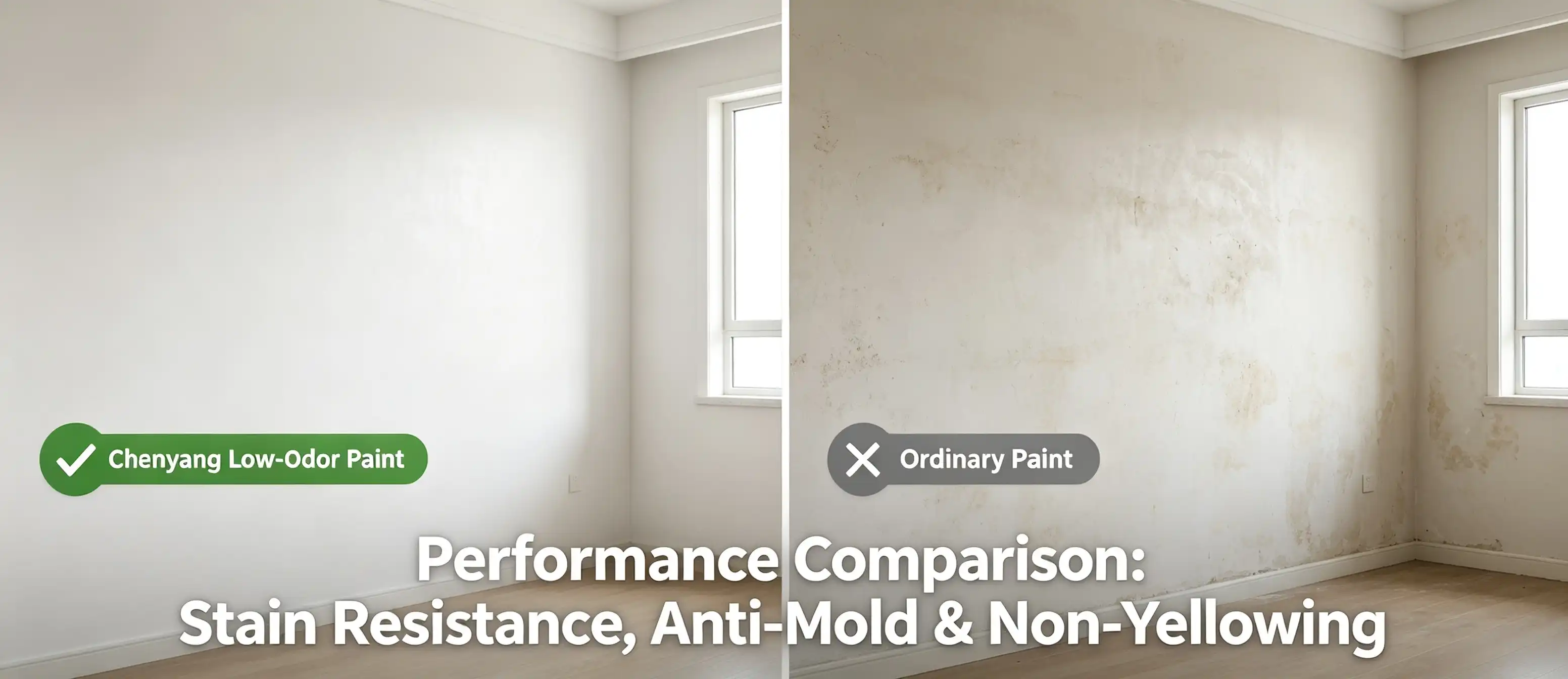
Understanding Low Odor Wall Coatings and Their Safety in Sensitive Environments
What Makes Low Odor Wall Coating Different from Standard Paints
Modern low odor wall coating systems based on water are a big change from old solvent-based paints that were based on solvents. Advanced polymer technology is used in these coats to hold colors and ingredients together without using aromatic hydrocarbons or heavy chemicals. Molecular-level purification is used in the production process to get rid of any leftover monomers that can cause smells to stay. Concerns about Sick Building Syndrome have been plaguing schools for decades, but this engineering method directly addresses those issues.
Chemical Composition and Safety Standards
The safety of these goods comes from the fact that their ingredient lists are carefully checked. VOC levels in high-quality low odor wall coating systems are below 1g/L, which is much lower than the standards set by regulators in developed markets. They don't include benzene, formaldehyde, or alkylphenol ethoxylates (APEO), which are three chemicals that are known to be harmful to the lungs and the developing child. Chenyang Water Paint's Aishang White Bamboo Charcoal Three-in-One is a great example of this dedication because it is made with no dangerous chemicals that were added during the production process. The product has been tested and found to meet the strict safety standards of both the EU (SGS) and the UK (WRAS).
Why Indoor Air Quality Matters in Educational Settings
Children are more likely to be affected by indoor air pollutants because their growing lungs can take in chemicals from the air more easily than adults. Researchers have found a link between bad air quality and more asthma cases, worse cognitive ability, and more absences. Facility managers protect students' health and make learning spaces more comfortable by choosing finishes that reduce chemical off-gassing. Specialized goods contain bamboo charcoal, which adds an extra layer of protection by soaking up formaldehyde and other volatile chemicals that are still present after application.
| Parameter | Specification |
|---|---|
| Theoretical Coverage | 11-14 m²/L per coat |
| Dry Film Thickness | Approximately 30 microns |
| Dilution Ratio | Roller/Brush ≤20%; Airless Spray ≤10% (clean water) |
| Surface Dry Time | 30 minutes (25-30°C) |
| Hard Dry Time | 60 minutes (25-30°C) |
| Recoat Interval | ≥2 hours |
| Application Methods | Roller, brush, spray (airless spray recommended) |
| Application Environment | Temperature: 5-35°C; Humidity: <85% |
| Substrate Requirements | Moisture content <10%; pH value <10 |
| Tool Cleaning | Clean water immediately after use |
| Storage Conditions | 5-35°C in sealed containers, cool dry place |
| Packaging Options | 6kg, 20kg, 25kg per bucket |
| Environmental Standards | VOC, formaldehyde, benzene, lead, heavy metals - undetectable |

Comparison of Low Odor Wall Coatings vs. Traditional Paints for Educational Facilities
Before getting into specifics, knowing the difference in performance between covering types can help you make the case for spending money on better options. Traditional oil-based and high-VOC latex paints often need longer times of air and are hard to work with when schools are being renovated.
VOC Concentration and Emission Profiles
Conventional paints used instead of low odor wall coating products can have VOC levels higher than 250 g/L, and it can take weeks for them to completely off-gas. This pollution profile causes problems with operations because rooms need to be empty during drying times. Within hours of being applied, advanced water-based coatings hit a neutral sensory level. At normal temperatures, Chenyang's formula dries to the surface in 30 minutes and hardens in 60 minutes. This quick turnaround lets repair work be done over the weekend without affecting how ready the classroom is for Monday.
Durability and Maintenance Considerations
There are people who are skeptical about whether safer versions hurt effectiveness. There is evidence to the contrary. According to EN 13300 standards, premium water-based paints have Class 1 scrub resistance, which means they can handle the frequent cleaning that needs to be done in high-traffic educational areas. Coverage rates of 8 to 10 square meters per kilogram per coat show that the Aishang White line is very good at hiding things. This ability to hide things uses less material and gives finishes that are bright and even. They don't yellow and keep their color for a long time.
Real-World Implementation Results
Schools that have switched to low odor wall coating systems say they have seen real results. Maintenance teams like how water-based goods make transportation easier because they don't need to handle dangerous materials. Facility managers like it when they can update common areas like hallways and cafeterias without moving students to other places. When you consider lower air costs and no longer losing time at work because of long room closures, the financial case gets stronger.

Selection Criteria for Low Odor Wall Coatings in Schools and Daycare Centers
To get something, you have to balance more than just the original price point during the buying process. Quality assurance teams should set up evaluation systems that take into account both short-term and long-term performance goals.
Technical Documentation and Certification Verification
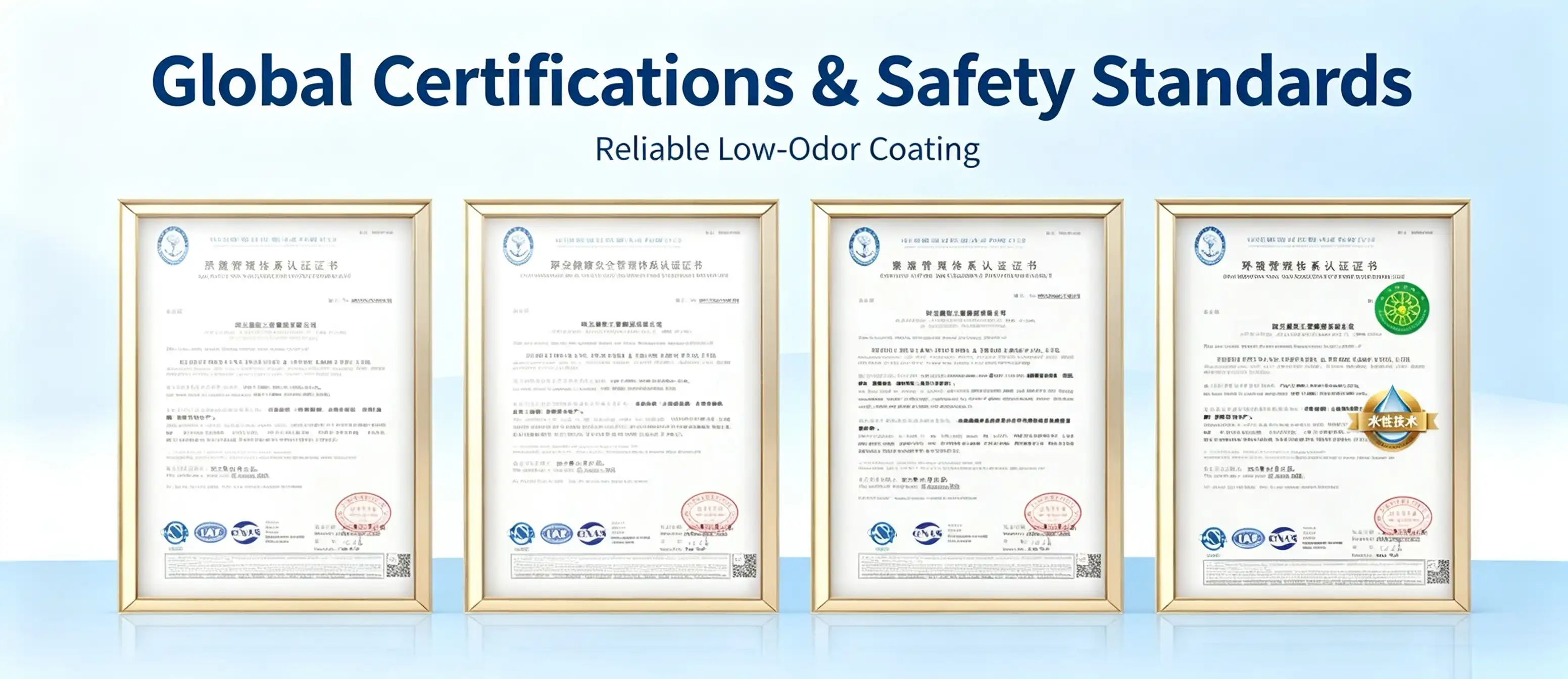
When evaluating a seller, people in charge of buying things should ask for detailed technical data sheets (TDS) and material safety data sheets (MSDS). These papers give important details about VOC levels, application conditions, and chemical makeup. International certificates show that a product was made with care; for example, products that are certified to German TÜV standards or have US FDA food-contact grade approval show that the products were made with care. Chenyang Water Paint provides full English paperwork to help with project registration and customs clearing, which speeds up the buying process for people from other countries.
Supplier Reliability and Production Capacity
For large school projects, it's important that products are always available and wait times are known ahead of time. Manufacturers with automatic factories and large annual production capacities, like Chenyang's million-ton capacity, can handle large orders without changing the quality. The company's normal production cycle of 7–10 days lets project managers stick to tight renovation plans. A supplier's ability to meet strict requirements is shown by their work on large building projects, such as historic national sites.
Customization and Logistics Support
A lot of the time, schools need to match colors in a certain way to follow branding rules or psychological design principles. Manufacturers who are flexible and offer OEM/ODM services can change the ingredients, the way the products are packaged, and the labels to meet the needs of institutions. The Aishang White line comes in 6 kg, 20 kg, and 25 kg buckets and lets you change the color from a pure white base. Compared to solvent-based options, water-based formulations that are considered non-hazardous materials make foreign shipping easier and cause fewer problems with freight.
Application and Maintenance Best Practices for Low Odor Wall Coatings in Sensitive Environments
When low odor wall coating products are installed correctly, they perform better and cause fewer disruptions to school operations. When purchasing teams, maintenance staff, and contractors coordinate effectively, consistent results can be achieved.
Optimal Application Methods for Low Odor Wall Coating in Sensitive Environments
There are a lot of different ways to apply these coats, such as roller, brush, and spray. When it comes to big surfaces, high-pressure airless spray gives the most consistent results. However, roller application is still popular for smaller jobs. When using a roller or brush, Chenyang's technical specs say that no more than 20% water should be added, and for spraying, they say that only 10% water should be added. The temperature should be between 5 and 35°C, and the relative humidity should be less than 85%. For proper bonding, walls that have been prepared for the substrate must have a wetness content of less than 10% and a pH value of less than 10.
Scheduling Strategies to Minimize Operational Impact
When you plan your time well, possible problems can be turned into smooth changes. Coatings can cure before Monday school starts when they are applied over the weekend. Over the summer break, there are more days to do thorough repairs and maintenance on buildings. Water-based products dry quickly, so you can apply more than one coat in a short amount of time. Recoat times can be as short as two hours. Facility managers should work with cleaning teams to make sure there is enough airflow while the paint is being applied. However, because the paint has a low-odor profile, there isn't the need for as much air flow as there is with traditional paints.
Long-Term Maintenance Protocols
Keeping the purity of the covering increases its useful life and keeps its good looks. Regular washing with light soaps and soft tools keeps dirt from building up on film surfaces without hurting them. For color uniformity, touch-ups should use the same amounts of products. Regular checks find places with a lot of wear that need care before small problems get worse. It's easy to clean tools—a quick rinse with water after use keeps materials from getting too hard and extends the life of tools.
Environmental and Health Benefits of Using Low Odor Wall Coatings in Educational Environments
In addition to improving safety right away, these coats also help with larger sustainable goals that are important to everyone in educational institutions.
Direct Health Impact Reduction
Getting rid of harmful chemical contact has real health benefits. Less VOC pollution means that kids with asthma and allergies are less likely to have respiratory discomfort. People who work there say that freshly painted rooms make them feel better and give them fewer headaches. The bamboo charcoal adsorption technology in special formulas actively cleans the air inside by collecting residual pollutants, which has a protective effect that lasts longer than the initial application time.
Supporting Green Building and Certification Goals
Schools that want to get LEED approval or meet the WELL Building Standard find that low-VOC paints help them get important points toward their goals. These third-party systems understand the link between the choice of materials and the health and happiness of the people who live in them. Purchasing choices that put environmental responsibility first show that an organization cares about the future, builds stronger community ties, and backs funding requests that support green projects.
Aligning with ESG and Corporate Responsibility
More and more, governance systems stress social responsibility and taking care of the environment. There is more and more pressure on educational managers to show that they can handle resources responsibly. Choosing water-based coatings with proven safety meets several ESG factors at once: protecting the environment through lower emissions, being socially responsible by protecting health, and being open about government through proof of compliance. Manufacturers like Chenyang are leading the way in innovation that is moving sustainable covering technology forward. They hold more than 1,000 patents and are involved in more than 100 industry standards.

Conclusion
There is strong proof that low odor wall coating products should be used in schools and daycare centers. These modern water-based products have been shown to be safer because they have very low VOC emissions, no toxic additives, and meet strict international standards. Performance qualities are the same as or better than traditional paints, and they allow projects to be finished faster and spaces to be used again right away. Purchasing managers who choose certified goods from reputable sellers protect the health of students, help meet sustainability goals, and save money in the long run. Today's specialized formulations bring together safety science, material engineering, and real-world application needs. This makes them the clear choice for schools and daycares that want to provide healthy learning settings.
FAQ
Are these coatings completely odor-free?
When compared to regular paints, these goods have a lot fewer of those nasty chemical smells. However, "low-odor" only means minimal emissions, not none at all. Most high-end formulations lose their smell within hours of being applied, though slight smells may stay for a short time while the formula cures.
Can low-odor coatings be used on exterior school walls?
When it comes to low-emission profiles, these paints work especially well on internal surfaces. Certain product mixes can be used outside, and some water-based lines have weather-resistant ingredients that can be used outside. Teams in charge of buying things should check that the technical specs match the planned application settings.
What are typical costs and lead times for bulk educational projects?
Material costs are a little higher than regular paints because the ingredients are cleaned up, but overall project costs often go down because less air is needed and the job can be finished faster. Suppliers that have been around for a while usually offer discounts for large orders, and wait times range from one to two weeks, based on how customized the items need to be and how far they need to be shipped.
Partner with a Trusted Low Odor Wall Coating Manufacturer for Your Educational Facilities
Purchasing managers looking for dependable sources for covering projects in educational facilities should look at well-known companies that have a history of working in these settings. Chenyang Water Paint has been making water-based paints for 28 years and has goods that are certified by the EU SGS, the German TÜV, the UK WRAS, and the US FDA. Our Aishang White Bamboo Charcoal Three-in-One line gives schools and daycare centers the odorless, eco-friendly performance they need. It comes with full English technical documentation and open OEM/ODM customization services. With yearly production of more than a million tons and streamlined production processes of 7 to 10 days, we can give large-scale projects the supply security and responsiveness they need. Email our team at sales@chenyangpaint.com to get samples, talk about your unique needs, and get competitive bulk pricing that fits the needs of your school.
References
1. United States Environmental Protection Agency. (2021). "Indoor Air Quality in Schools: Volatile Organic Compounds and Health Effects." EPA Publication Series on Educational Facility Standards.
2. Green Building Council. (2022). "LEED v4.1 Building Design and Construction: Material Selection Credits for Educational Facilities. "USGBC Technical Guidance Manual.
3. American Society for Testing and Materials. (2020). "ASTM D2486-17: Standard Test Methods for Scrub Resistance of Wall Paints." ASTM International Standards Collection.
4. National Institute of Environmental Health Sciences. (2019). "Chemical Exposures in School Environments: Impact on Child Development and Academic Performance." NIEHS Research Report Series.
5. European Committee for Standardization. (2018). "EN 13300:2001 - Paints and Varnishes: Water-borne Coating Materials for Interior Walls and Ceilings - Classification. "CEN European Standards Database.
6. International WELL Building Institute. (2023). "WELL Building Standard v2: Air Quality Features for Educational Occupancy Types." IWBI Certification Requirements Manual.
Send Inquiry
You may like