Best Concrete Wall Sealer for Waterproofing: What to Look For
When evaluating the best concrete wall sealer for a renovation or new construction project, the stakes are genuinely high. A substandard choice leads to efflorescence, topcoat delamination, and moisture-driven rebar corrosion — problems that cost far more to fix than to prevent. The right penetrating primer creates a molecular bond within the substrate, blocking alkaline migration and water ingress before they compromise your finish system. This guide walks through sealer types, evaluation criteria, a practical comparison, and application best practices to help procurement professionals make a confident, technically grounded decision.

Understanding Concrete Wall Sealers and Their Role in Waterproofing
Learn about concrete wall sealers and how they keep water out. Concrete is open by nature. Its capillary network absorbs water, dissolved salts, and alkaline substances surprisingly well. This absorption is what goes wrong with most coatings on home improvement projects.
Penetrating vs. Film-Forming Sealers
Sealers that go deep into the substrate, like silanes, siloxanes, and nano-emulsion starters, react chemically with the calcium silicate matrix. They pass the ASTM E96 air permeability tests with flying colors and can still be seen. Sealers that form a film, like acrylics and epoxies, protect the surface by making a membrane. Acrylics are stable in UV light and are easy to recoat. Epoxies, on the other hand, are better at resisting chemicals but make it harder for the base to breathe. As a base layer, a penetrating nano-emulsion primer usually works better than surface coatings on old walls that have active moisture and high pH levels, making the best concrete wall sealer a penetrating rather than film-forming choice in such conditions.
Why Breathability Matters on Renovation Substrates
Hydrostatic stress is felt in walls that trap internal air pressure. That stress leads to blistering, spalling, and delamination over time, which are the failures that contractors spend the most time fixing. Microporous sealers let moisture mist leave but not liquid water come in. This is why ratings for breathability are just as important as ratings for water resistance on old or damp surfaces.

Core Criteria to Evaluate When Choosing the Best Concrete Wall Sealer
People who work in procurement on a project level can't just rely on brochure language. Checking the technical details during the definition stage saves a lot of money on rework later on.
Before you choose a seller, you should compare their success against these key factors:
- Penetration depth: Core samples should show that the active ingredient has moved at least 3–5 mm into the material. When the sealer doesn't go deep enough, it usually acts more like a surface coating than a structural consolidant.
- Alkali resistance: During the curing phase, concrete substrates often test above pH 12. You should only use a sealer that is rated for materials with a pH of 10 or less after the base has bubbled enough. If you don't, the anti-alkali barrier could fail too soon.
- VOC and chemical compliance: Low-VOC paints are being required more and more in global B2B projects. VOC levels are limited by standards like LEED, SCAQMD, and China's GB 18582. Specifiers now ask for formulas with no heavy metals and APEO as a minimum.
- Inter-coat adhesion: The sealer must stick well to the topcoat system that is being used. One of the main reasons warranty claims on business repair projects go wrong is that the primer and finish coat don't stick together well.
- Application tolerance: On busy job sites, temperature changes, roller inconsistency, and short recoat windows are unavoidable. It is much easier to use a sealer that has a long open time and can be used at a wide range of temperatures, ideally between 5°C and 35°C.
When put together, these factors show if a sealer will work in the real world, not just in a lab. Using independent test data or third-party approval to confirm them gives procurement teams a solid reason to choose a seller.
Comparison of Popular Concrete Wall Sealer Types for Waterproofing
There isn't a single sealer chemistry that works well for all projects. When you know the pros and cons, you can fit the best concrete wall sealer to the substrate instead of choosing the cheapest choice. A lot of people use acrylic sealers on the outside of masonry because they are resistant to UV light, simple to use, and work with most topcoat systems. Their weakness is the thickness of the film they make—they sit on top and can trap water on substrates that are already wet. Epoxy sealers work great in chemically-affected industrial settings, but they need dry surfaces and careful surface preparation. If renovation walls still have some moisture on them, they can come apart. Nano-emulsion primers that penetrate fill the gap between these two groups. Nanometers are the size of their particles, which means they can get through tiny holes in the skin and stick to surfaces that are loose, powdery, or friable in a way that neither acrylics nor epoxies can.
The most cost-effective way to buy things for a large project is to use a penetrating primer as the base layer and a topcoat from the same manufacturer that works with it. A single-source supply eliminates the risk of inter-coat compatibility and makes managing warranties easier, which is a big operational benefit for renovation projects that involve more than one building.

How to Apply Concrete Wall Sealer for Optimal Waterproofing Results
Surface Preparation Is Non-Negotiable
Before putting on any best concrete wall sealer, get rid of any loose material, efflorescent deposits, oil contamination, and coatings that are starting to fail. The substrate must have less than 10% moisture and a pH level below 10 at the treatment site. The most common reason sealer fails on renovation sites is that these checks are not done.
Application Method and Recoat Timing
Depending on the surface texture and conditions at the site, you can use a roller, a brush, or an airless spray. For roller or brush work, don't dilute more than 5% clean water; too much diluting lowers the amount of active solids and the depth of entry. Before putting on a second coat to badly damaged substrates, let the first coat dry on the surface. On a typical renovation wall at 25–30°C, it takes 30 minutes for the surface to dry, and 60 minutes for it to be completely dry. Recoating at the two-hour mark keeps the system's structure without adding extra time to the project that isn't needed.
Maintenance and Reapplication
According to industry standards that are in line with NCHRP Report 244 performance standards, professional-grade penetrating sealers should last between 7 and 10 years when exposed to normal UV light and rain. Every year, check covered areas for signs of chalk, crack growth, or water absorption. Putting more on damaged areas in specific places stops water from getting back into the ground.
Conclusion
Choosing the best concrete wall sealer is a particular choice that will have long-lasting effects. The longest-lasting systems have real nano-penetration into the base, proven resistance to alkalis, compliance with low-VOC environmental standards, and proven compatibility with the finish that will be used. When these qualities are proven by independent approval, not just marketing claims, workers and project managers can confidently place materials, which lowers the risk of having to do more work. The Penetrating Primer from Chenyang combines all six important performance attributes into a single water-based, APEO-free formula that meets JG/T 210-2018 and has China Environmental Labeling certification. This makes it a technically sound base for renovation coating systems on any size project.
FAQ
1. What is the difference between a penetrating sealer and a film-forming sealer?
Penetrating sealers move into the pores of the concrete and react chemically with the base material. They can't be seen and keep the flow of vapor open. Film-forming sealers add a protected layer to the surface. This can make the surface shiner or even out the color, but it may trap water on walls that are already wet. When renovating surfaces that are still damp or have a lot of alkalinity, a penetrating mixture is usually the better choice for the base layer.
2. How long does a professional-grade concrete sealer last?
High-performance penetrating sealers that meet NCHRP 244 standards usually last between 7 and 10 years, but this depends on how strong the UV light is, how acidic the rain is, and the state of the material when the sealer is applied.
3. Does sealing concrete prevent mold growth?
A good binder makes it harder for mold to get the water it needs. Formulations with mold-resistant ingredients add an extra protection, especially on walls inside homes that are in wet places.
4. Can a sealer be applied to green concrete?
Most penetrating primers need the substrate to cure for at least 28 days. Applying sealer to concrete that hasn't fully set up yet can cause the bond to break because ongoing hydration reactions fight for space.
5. Does a concrete sealer stop structural cracks?
There is no sealer that can stop structures from settling or cracking when loads move. Sealers fix microcracks that grow because of wetness, not cracks that move mechanically.
Sourcing the Right Penetrating Primer? Connect With Chen Yang Water Paint
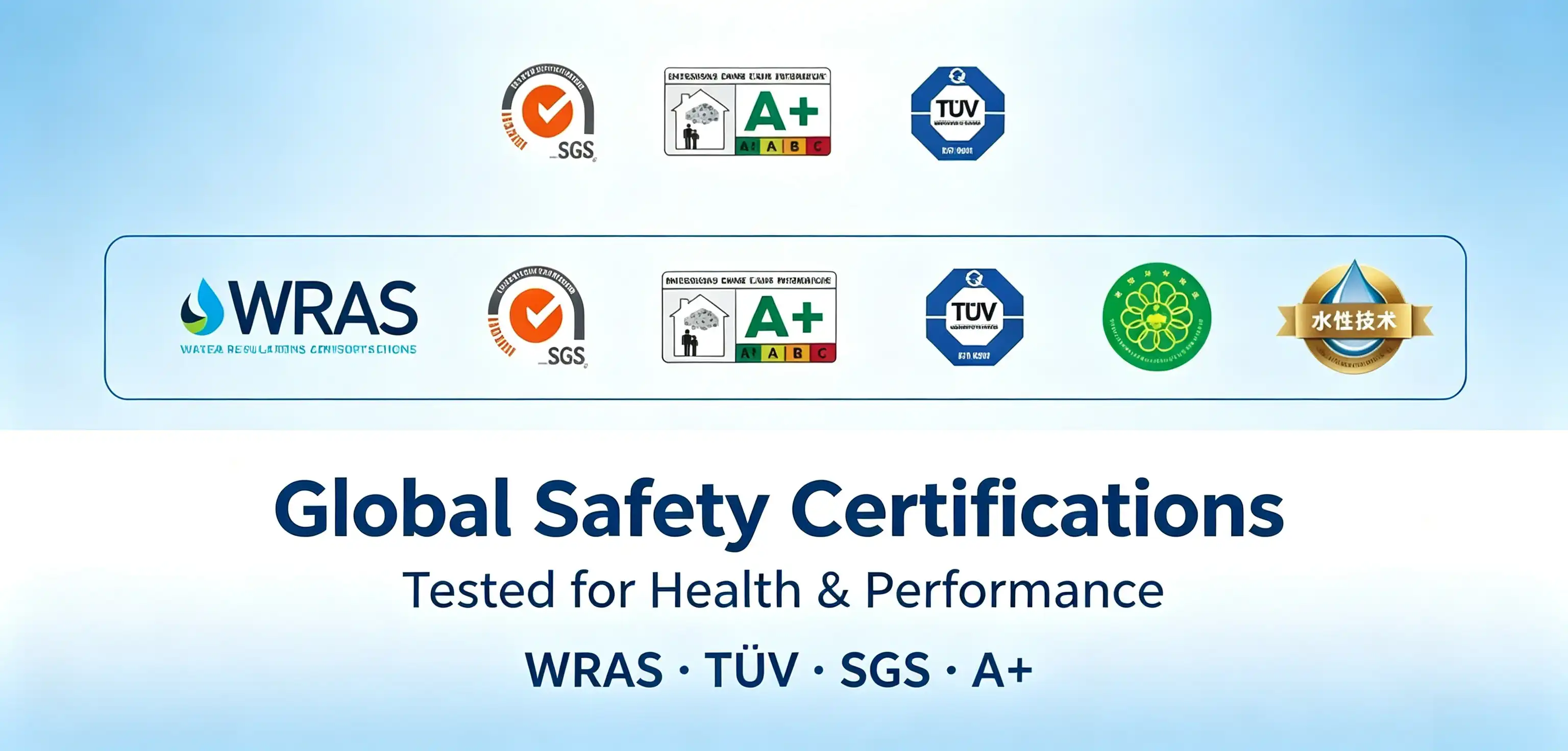
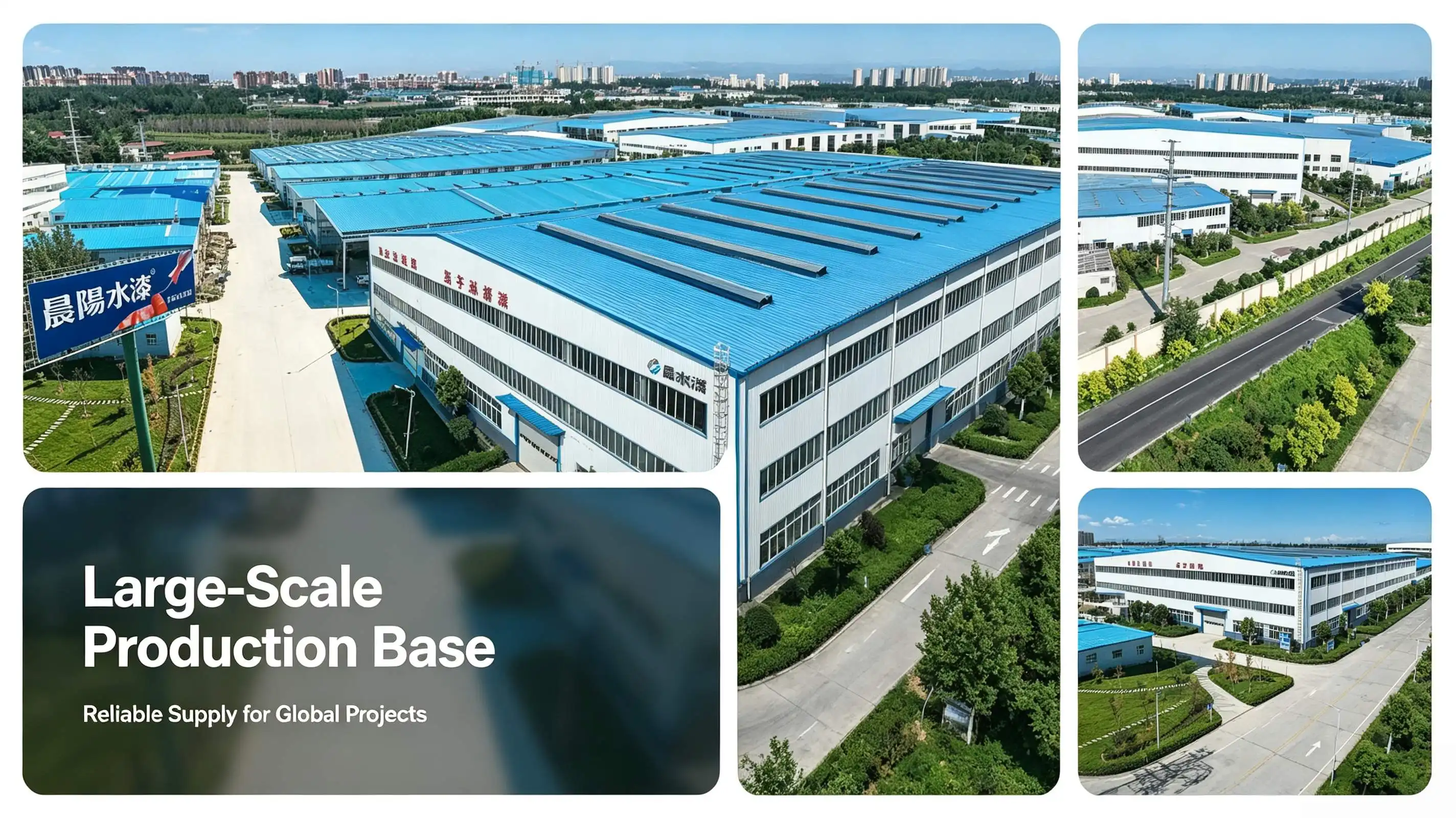
Chen Yang Water Paint has been making water-based coatings for 28 years and is a reliable concrete wall sealer manufacturer with certifications that can be tracked. Our Penetrating Primer covers 10–12 ㎡/kg per coat, dries to the touch in 30 minutes, and has no heavy metals, APEO, or very low VOC. It is approved by China Environmental Labeling and tested by EU SGS and German TÜV. It ships from a green plant that can handle 1.25 million tons of goods every year and comes in 5L, 6 kg, and 20 kg packages. OEM choices are also available. You can get a sample or talk about terms for bulk purchases by emailing sales@chenyangpaint.com or going to chenyangpaint.com.
References
1. American Concrete Institute. ACI 515.2R: Guide to Concrete Masonry Waterproofing. ACI, 2013.
2. ASTM International. ASTM C642: Standard Test Method for Density, Absorption, and Voids in Hardened Concrete. ASTM, 2021.
3. Transportation Research Board. NCHRP Report 244: Concrete Sealers for the Protection of Bridge Structures. National Academies Press, 1989.
4. Concrete Construction Staff. "Selecting the Right Sealer for Concrete Surfaces." Concrete Construction Magazine, 2019.
5. Portland Cement Association. Design and Control of Concrete Mixtures, 16th Edition. PCA, 2016.
6. Construction Specifier Editorial Team. "Waterproofing Below-Grade and Above-Grade Concrete Walls." The Construction Specifier, 2022.
Send Inquiry
You may like