Best Water Based Floor Paint: How to Choose the Right Product
Choosing the best water based floor paint for industrial and commercial projects requires more than picking a product off the shelf. Whether you manage factory workshops, underground garages, school corridors, or laboratory floors, the right waterborne floor coating balances environmental compliance, mechanical durability, and practical application flexibility. Unlike solvent-based alternatives, a quality water based floor paint delivers extremely low VOC emissions, faster recoat windows, and safer working conditions—without sacrificing the wear resistance your operations demand. This guide walks through every critical decision point so procurement managers and project teams can move forward with confidence.
Understanding Water Based Floor Paint: Key Advantages and Considerations
What Sets Waterborne Floor Coatings Apart
Water-based floor paint doesn't use solvents made from gasoline as its main ingredient. Because of this basic difference, VOC levels are usually less than 50 g/L, which meets the requirements of LEED v4 and all of the strict health and safety rules at work in the US and EU. The permeable polymer film lets controlled amounts of water vapor pass through. This directly addresses osmotic blistering, which is one of the most common ways that concrete surfaces fail, which is caused by stored hydrostatic pressure.
A common misunderstanding in business procurement is that waterborne systems give up hardness to be environmentally friendly. Tests by an outside company using ASTM D4060 consistently show that high-end best water based floor paint formulations lose less than 100 mg after 1,000 cycles on a CS-17 wheel. This is enough to meet the requirements for industrial-grade durability. Under ASTM D4541 pull-off tests, the adhesion strength often exceeds 400 psi. This means that the bond is stronger than the concrete base itself.
In addition to performance data, epoxy self-leveling systems usually need 24 hours or more before the next trade can enter the area. Quick surface drying times—often within two to four hours at suggested temperatures—reduce operational downtime by a large amount.
Key Criteria to Evaluate When Choosing Water Based Floor Paint
Performance Metrics That Actually Matter on the Job Site
When looking at different floor covering options for areas with a lot of foot traffic, you should base your choice on a number of measured factors.
The main performance triangle for factory and warehouse floors is made up of resistance to wear and tear, resistance to oil, and tolerance for moisture. Any product that is worth considering should come with test results that can be verified, not just marketing speak. A film with a Shore D hardness between 70 and 80 can survive trucks, pallet jacks, and heavy foot traffic without microcracking.
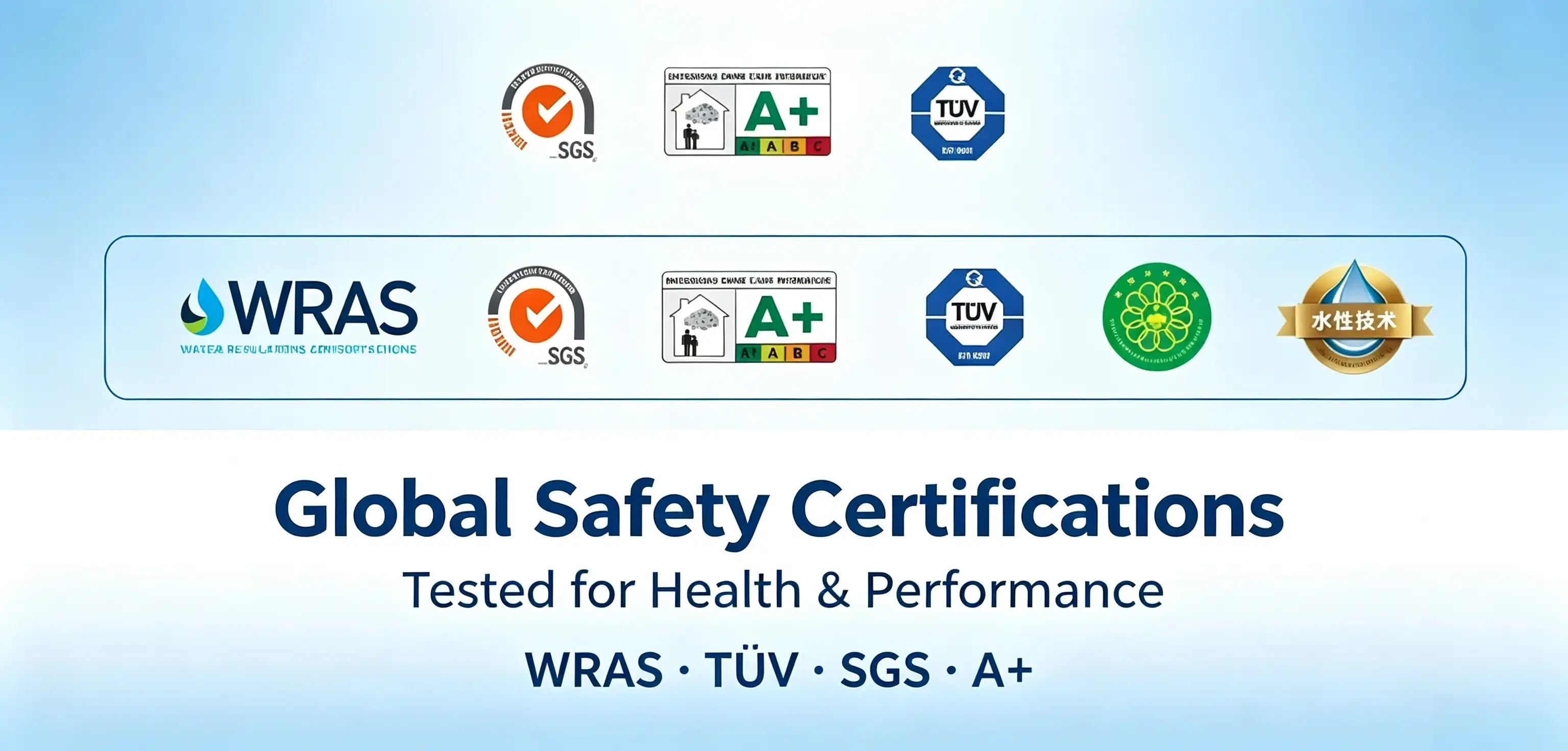
Environmental certifications are just as important in controlled areas. There are strict rules about the cleanliness of the air inside places like schools, hospitals, and food processing plants. Coatings with EU SGS testing approval, German TÜV certification, or French A+ environmental scores are proof that they are safe and reliable, which is needed for bids and government checks.
For more comparisons between products, procurement teams should use the following criteria:
- Substrate compatibility: Check the adhesion test results on concrete, surfaces that already have coats on them, and wet surfaces. Moisture-tolerant formulations let you apply them to substrates that still have some moisture on them, which is helpful for renovation projects that can't wait for the perfect drying conditions.
- Application method flexibility: A product that can be used with a brush, roller, or spray can be used by crews of different sizes and on projects of different sizes without the need to buy special tools.
- Color system depth: A full primer-intermediate-topcoat system and custom color matching let contractors meet owner requirements for a wide range of project types without having to buy from multiple suppliers.
These factors directly lead to lower project risk, fewer callbacks, and more reasonable bids across all of a contractor's work.
Comparative Analysis: Water Based Floor Paint vs. Alternatives
Where Each Technology Wins—and Where It Falls Short
Because they are so chemically resistant and strong when compressed, epoxy self-leveling systems are the most popular choice for high-specification industrial floors. However, they need exact mixing ratios, strict moisture control during application (usually below 75% relative humidity), and much longer fix times before the road can be used again. The costs of materials and labor are much higher, and it costs a lot to fix parts that didn't work right the first time.
Oil-based floor paints last pretty long, but they have VOC levels that make them unsafe for healthcare or school buildings that are already occupied. Following the rules set by the EPA and states like California (CARB standards) makes it harder and harder to use them inside of businesses.
Acrylic waterborne systems are the entry level; they are easier to use but tend to be softer when mechanical loads are applied over time. Modified acrylic-urethane or hybrid waterborne epoxy versions fill in the gaps, giving properties like hardness and chemical protection that are much closer to regular epoxy while still having the versatility and low impact on the environment of a water-based product. For specifiers seeking the best water based floor paint, these hybrid chemistries often represent the optimal balance between performance and sustainability.
A high-performance one-component waterborne floor coating is the best choice for mid-range commercial and industrial projects like warehouses, garages, light manufacturing, and institutional floors. It has a competitive cost of materials, shorter project cycles, meets all regulations, and has been shown to last long enough for the operating conditions.
How to Apply Water Based Floor Paint Properly for Optimal Results
Surface Preparation Is Non-Negotiable
No coating system can make up for a surface that hasn't been properly prepared. Before primer is added, the concrete must be free of laitance, oil residue, curing chemicals, and water that is still sitting on top of it. The usual way for the industry to get the surface profile needed for good inter-coat adhesion is to grind or blast it.
The temperature of the application should stay at or above 10°C, and the relative humidity of the air should be less than 70%. Applying below these levels slows down the drying of the surface and raises the risk of film flaws. Temporary heating keeps things comfortable during building plans that happen in cold weather.
The suggested system setup has three coats: a penetrating primer to bond to the substrate, an intermediate coat for build and opacity, and a durable topcoat to protect the surface. Each coat is diluted with clean water until it has the right viscosity for the application method (brush, roller, or airless spray). This makes sure that the film thickness is the same all over, with no dry-spray or sagging.
If you're having trouble, note that popping during application is usually caused by moisture still being in the base or by applying the paint in direct sunlight on a warm surface. Getting rid of these root causes reliably fixes the defect.
Where and How to Procure the Best Water Based Floor Paint
Evaluating Suppliers for Large-Scale Industrial Projects
Choosing a seller for project-volume floor coatings depends on how reliable the supplier is, how good the technical paperwork is, and how well the supplier can support product trials before committing to the full scale. When sourcing the best water based floor paint, a reliable manufacturer should offer TDS and MSDS papers in English, support test batches for use on the job site, and keep enough production capacity to meet project deadlines for phased delivery.
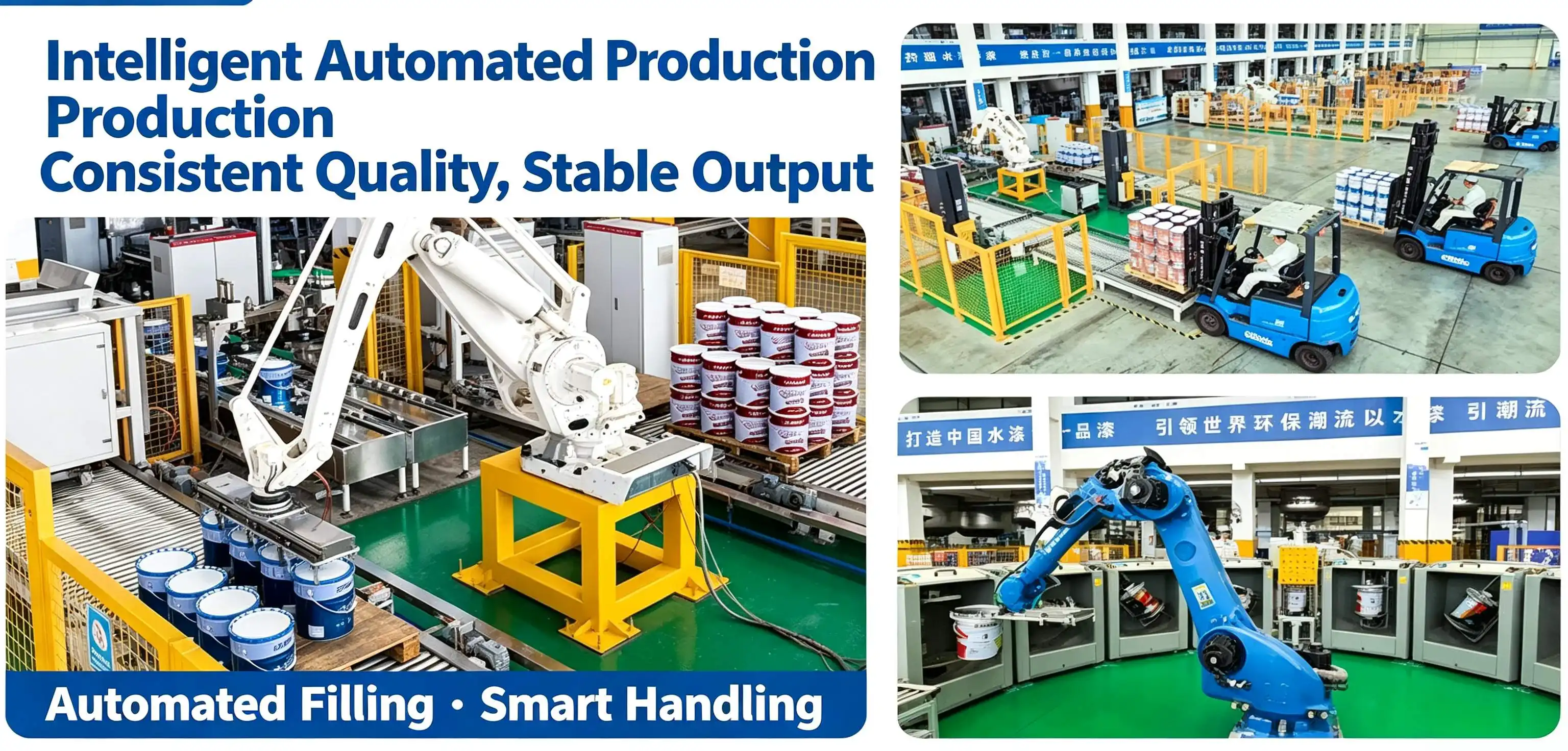
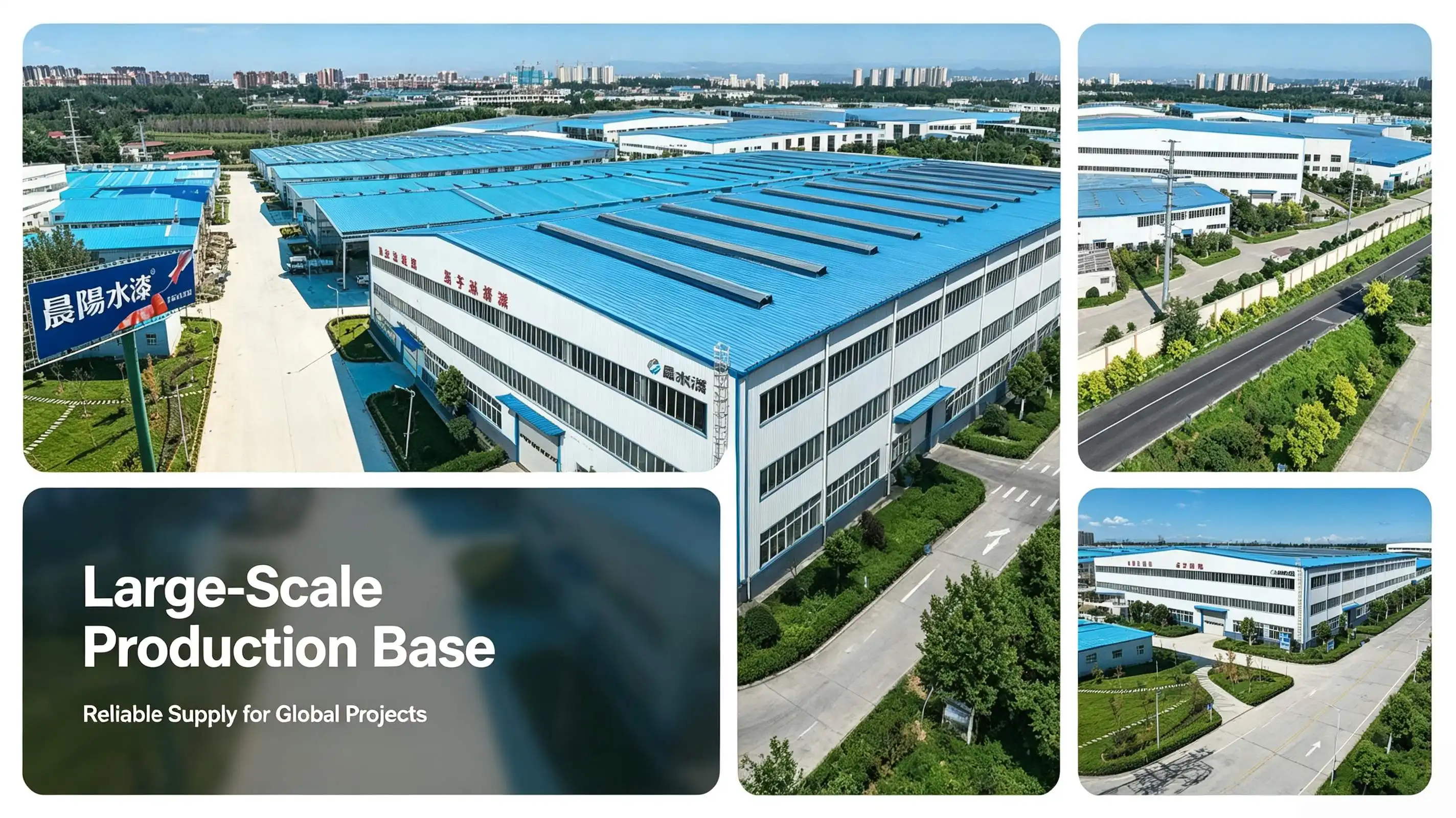
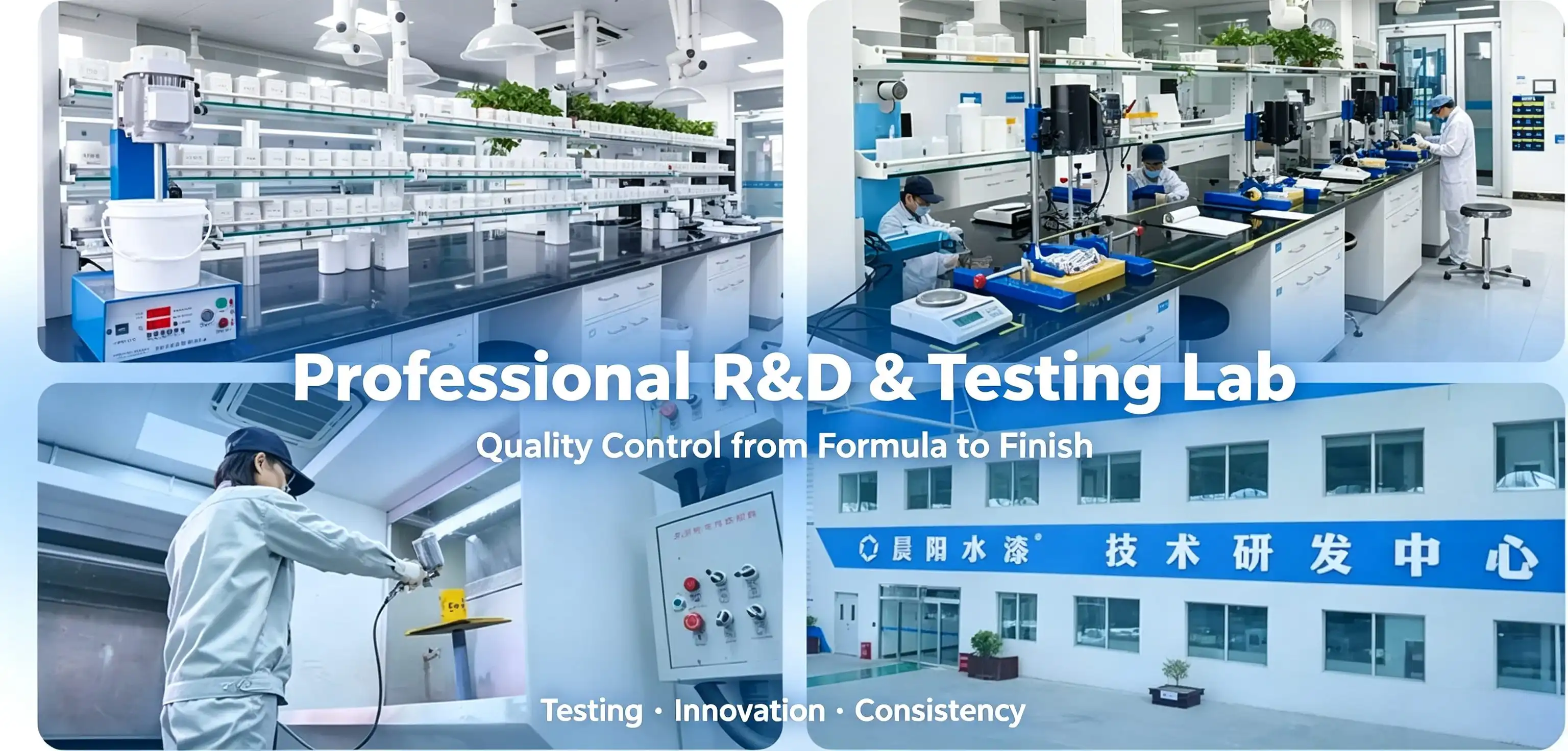
Chen Yang Water Paint runs China's biggest factory for waterborne coatings, which makes more than 1.25 million tons of paint every year. Chen Yang has over 1,000 patents, 28 years of research and development focused on waterborne systems, and has helped write more than 100 national coating standards. This means that every product specification comes with a lot of technical information.
Chen Yang's Floor Water Paint Series is an example of this dedication. It is a ready-to-use industrial floor coating made of only one component. The product comes in 20 kg buckets that are ready to go to the job site and can be color-matched to your needs. It can be used in plant workshops, underground garages, labs, schools, and stores. It ships as non-hazardous cargo, which makes clearing customs easier and cuts down on freight costs compared to solvent-based alternatives that are marked as dangerous goods.
Conclusion
To choose the best water-based floor paint, you need to carefully look at its sturdiness, environmental credentials, suitability for the job, and the supplier's abilities. Water-based floor paints have come a long way since their early days. The best versions today are on par with epoxy in terms of bonding and wear resistance, while also cutting costs, speeding up projects, and meeting the strictest indoor air quality standards. A highly documented, one-component waterborne system from a qualified maker is the best and most cost-effective way for buying teams to move forward when they are in charge of different types of facilities.
FAQ
1. Does water based floor paint require a primer?
If the concrete is weak or dirty, you should definitely use a liquid primer made just for that purpose. It makes mechanical bonding better and lowers the chance of inter-coat adhesion failures. On sound, well-prepared substrates, some formulations can prime themselves, but a full three-coat system always gives better long-term results.
2. Can this coating be applied to damp concrete?
Some products that can handle wetness can be used on damp surfaces as long as there is no standing water. Before working on a substrate with high readings, you should always check the supplier's written moisture tolerance threshold.
3. What is the recoat window?
Most recoat windows take between four and twenty-four hours to dry in normal circumstances. If the upper limit is exceeded, the surface may need to be lightly abraded to restore inter-coat adhesion.
4. How does it compare to epoxy in terms of wear resistance?
Best water-based floor paint has Taber Abrasion weight loss below 100 mg per 1,000 cycles (ASTM D4060), which is the standard for commercial use. Waterborne coatings are fine for most business and light industrial uses, but custom epoxy systems can work better in situations with a lot of chemical exposure.
5. How should the cured surface be maintained?
The polymer matrix stays in good shape when it is cleaned regularly with pH-neutral cleaners. Harsh cleaners that are acidic or alkaline break down surfaces faster and should be avoided.
Partner With Chen Yang Water Paint — Your Trusted Water Based Floor Paint Manufacturer
Chen Yang Water Paint brings 28 years of experience with waterborne paints to every job. We are a top company that makes water-based floor paint and have EU SGS, German TÜV, and ISO9001 certifications. We offer 20 kg job-site pots that can be customized in any color and come with full English technical instructions. For your next project, you can email our team at sales@chenyangpaint.com or visit chenyangpaint.com to ask for samples, technical datasheets, or a bulk pricing proposal.
References
1. Paint & Coatings Industry Magazine, 2022
2. Journal of Coatings Technology and Research, 2021
3. ASTM International Standards: D4060, D4541, D522, 2020
4. U.S. Environmental Protection Agency – Architectural Coatings Rule, 2023
5. European Chemicals Agency (ECHA) – VOC Directive Compliance Guide, 2022
6. Construction Specifier Magazine – Industrial Floor Coatings Buyer's Guide, 2023
Send Inquiry
You may like