Child-Safe Nursery Paint: The Complete Guide to Non-Toxic Safe Paint for Toddlers and Babies
Choosing the right child-safe nursery paint is one of the most important decisions when creating healthy environments for babies and toddlers. High-quality child-safe nursery paint is specially formulated to minimize VOC emissions, eliminate harmful chemicals, and improve indoor air quality. Compared with conventional decorative coatings, these advanced paints provide safer protection for nurseries, childcare centers, pediatric clinics, and family homes.
Understanding Child-Safe Nursery Paint: What Makes It Safe for Toddlers and Babies?
Formulation Differences That Matter
The main difference between regular paints and paints made for kids is how the molecules are put together and how clear the ingredients are. Premium child-safe nursery paint formulations do not contain harmful chemicals such as alkylphenol ethoxylates, phthalates, and aromatic hydrocarbons that make indoor air dirty. High-performance acrylic resins and water are the main ingredients in these improved child-safe nursery paint formulations. Solvents that give off dangerous vapors during application and curing are not used. The lack of these substances directly addresses "New Room Odor Syndrome," a common worry among parents getting their homes ready for babies who need to be in there right away without long ventilation times.
Certification Standards That Build Confidence
Professional buying teams use widely recognized testing methods to verify the safety and performance of child-safe nursery paint products. GREENGUARD Gold-certified products have VOC emissions below 1 g/L, and EN 71-3 standards make sure that no harmful elements move when painted surfaces are touched or swallowed, which is likely to happen in places where kids like to explore by touching and tasting things. The ASTM D-4236 approval also proves that the formulas don't contain any materials that need to have long-term warnings about their dangers. When buying something, these independent checks give you objective proof that goes beyond marketing claims and includes lab-confirmed performance data.
Hypoallergenic Properties for Sensitive Users
Children's settings work with people whose sensitivity levels are different and whose immune systems are still growing. Premium child-safe nursery paint products use safe pigments and exclude common allergens like rubber proteins that make your lungs react. Some more modern versions use photocatalytic technology or silver-ion antimicrobial systems to stop bacteria from colonizing without releasing biocides into areas that are already occupied. This two-pronged method keeps surfaces clean and air quality high, tackling the two problems of preventing infections and managing chemical sensitivity in business childcare centers.
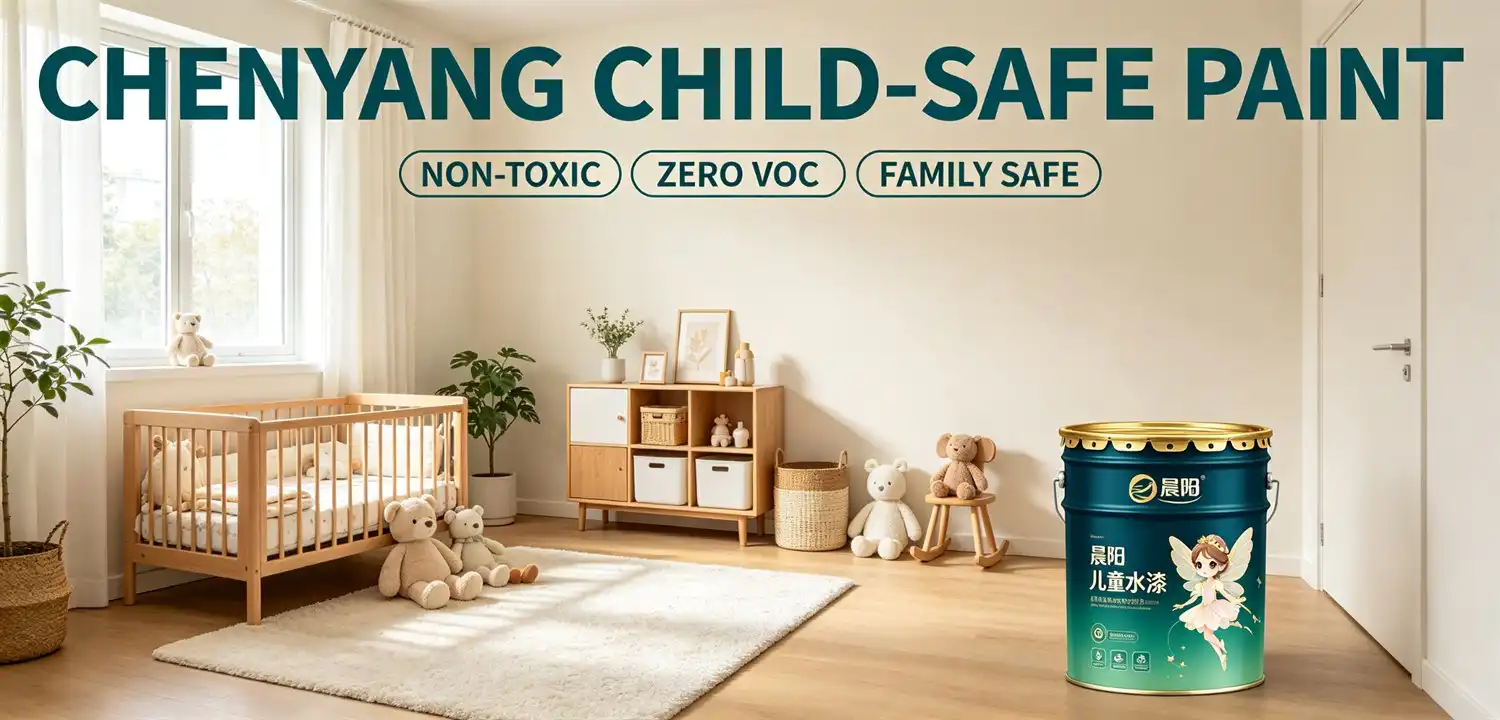
Why Choose Child-Safe Nursery Paint for Toddlers and Babies? Benefits and Safety Considerations
Health Protection Through Chemical Elimination
One of the primary reasons for choosing child-safe nursery paint is that young children breathe faster than adults relative to their body weight, which makes them more exposed to airborne pollutants. Endocrine disruptors and neurotoxins linked to developmental delays can't get through water-based coats with zero-additive formulas. High-quality, child-safe nursery paint eliminates formaldehyde, which is a known respiratory irritant that is listed by health agencies, making urban settings much healthier. Testing done in classrooms with kids shows that rooms finished with approved low-emission products have air quality levels that are the same as outside within 24 hours of application. This makes breathing much easier for kids who are still growing.
Durability That Justifies Investment
Long-term performance traits are helpful for procurement managers who have to balance safety goals with operational funds. According to EN 13300 standards, high-quality child-safe nursery paint formulations designed for pediatric environments have Class 1 wet-scrub resistance, which means they can handle frequent cleaning procedures without the film breaking down. Products with a scrub resistance of more than 30,000 rounds go far beyond what is required by standard paint specs. This means that high-traffic daycares don't have to paint as often. This mechanical resilience means lower lifecycle costs because building managers don't have to pay for repair over and over again, and the look stays the same after years of heavy use.
Regulatory Compliance and Liability Management
The government is looking more closely at environmental health standards for organizations that run childcare centers. Choosing certified child-safe nursery paint that meets or exceeds government standards for child-friendly areas shows that you are mindful about managing risk. Products meeting the requirements of GB/T 34676-2017 for coats on the inside of children's rooms meet safety regulations in different areas and lower an organization's risk of being sued. Documentation like technical data sheets and material safety data sheets is very important for facility checks and accreditation reviews because it helps keep operations going and protects the brand's image.
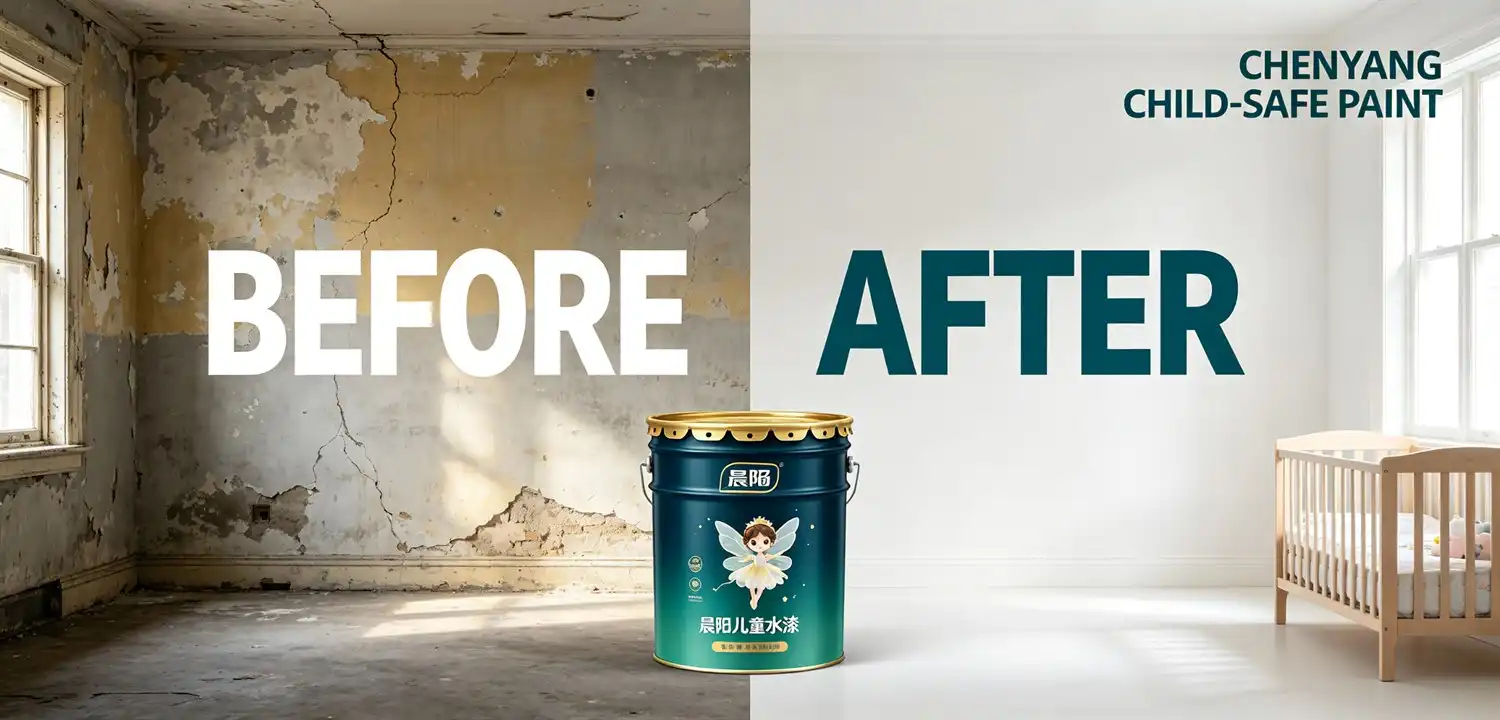
How to Choose the Best Child-Safe Nursery Paint for Nursery Walls: A Comprehensive Buying Guide
Evaluating Project-Specific Requirements
Different applications require specific child-safe nursery paint performance characteristics. In hospitals with neurodiverse children, ultra-low-sheen finishes that cut down on glare are needed in sensory rooms. In commercial kindergartens, stain resistance is a top priority for hallways that get a lot of use. When selecting a child-safe nursery paint product, procurement teams should look at how much moisture is present, how often the surfaces will be cleaned, and the conditions of the substrate. Coatings that let a lot of water vapor pass through help facilities that have problems with humidity because they keep wetness out and stop mold growth, which is a major source of allergens in enclosed areas.
Critical Performance Specifications
The first step when evaluating child-safe nursery paint is checking VOC content. Products that show less than 5 g/L are considered to have ultra-low emissions. Drying times have a big effect on project schedules. With modern recipes, the surface is dry in 30 minutes and a hard film forms in 60 minutes when conditions are managed. This faster curing makes it easier for building managers to plan repairs around when people are in the rooms. Coverage rates of 11 to 14 square meters per kilogram per coat figure out how much material to buy so that budgeting is correct. Knowing these measures can help you avoid cost overruns and delivery delays that make it hard to finish a job.
Supplier Credibility and Manufacturing Capacity
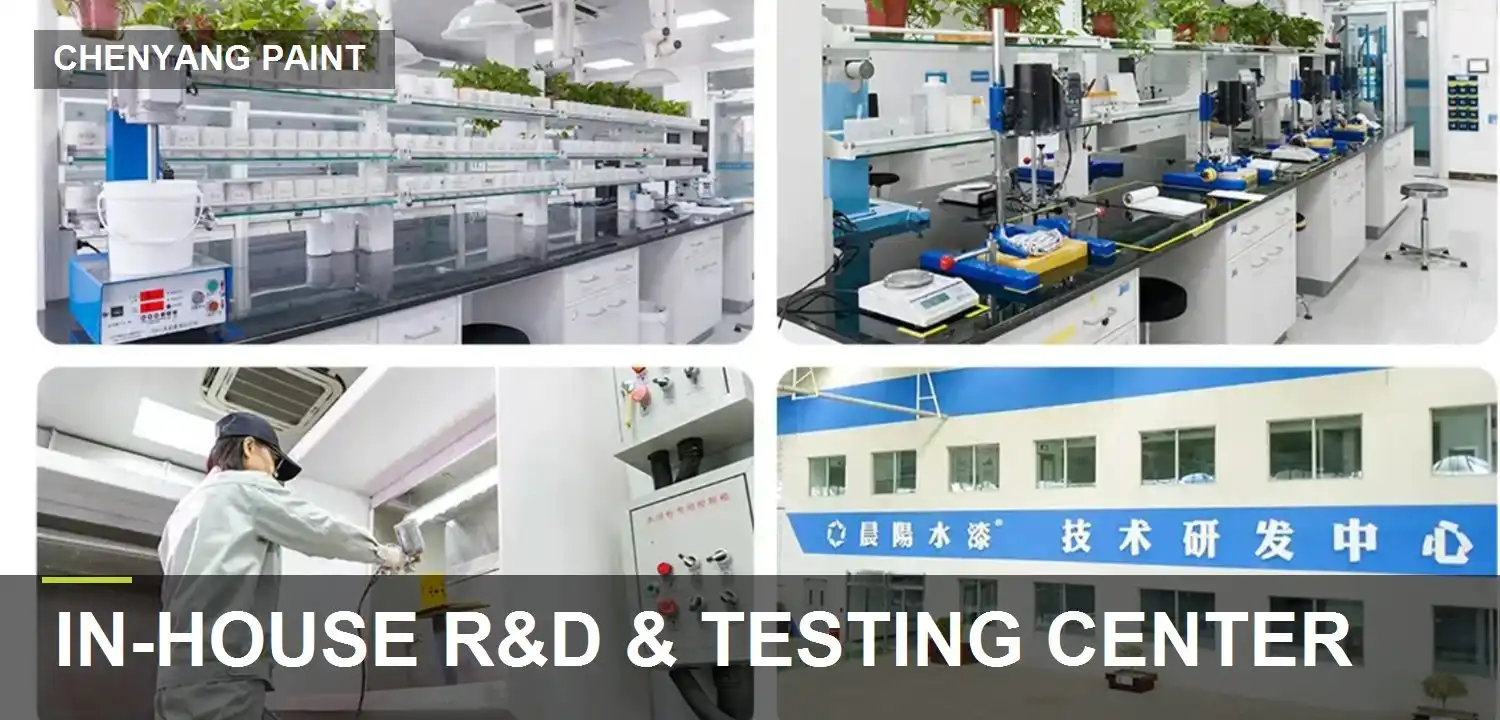
Supply interruptions can be avoided by partnering with experienced child-safe nursery paint manufacturers. Suppliers with automatic factories that make more than a million tons of goods a year keep a lot of stock on hand to support big business contracts. Companies with more than 1,000 patents and involvement in developing industry standards show they can come up with new ideas and be professional stars. Verified participation in important building projects shows that you can guarantee quality and perform reliably under strict conditions.
Customization Options for Brand Differentiation
When wholesalers work with OEM and ODM companies, they can make their own product lines that fit the needs of local markets. Over 1,000 color formulas, starting with neutral base tints, can be customized to fit the needs of any project, and there are no minimum order sizes for amounts smaller than a single bucket. Retailers who want to get into the premium childcare market can use private labeling services and custom package design to help build their brand identities. Flexible manufacturing deals allow for changes in yearly demand while keeping the quality of the product the same from batch to batch.

How to Apply Child-Safe Nursery Paint Correctly for Maximum Safety and Effectiveness
Surface Preparation and Substrate Assessment
To achieve the best performance from child-safe nursery paint, the material must first be properly evaluated and prepared. For films to stick well and keep them from failing too soon, wall surfaces must have a pH value below 10 and a moisture content below 10%. Surfaces that are dirty from efflorescence, chalking, or organic growth need to be fixed by mechanically cleaning them and applying the right primer. When you use zero-VOC primers, they create a continuous emission shield that stops chemical telegraphing from beneath substrates. This is especially important when covering old painted surfaces that may still contain dangerous materials.
Application Techniques and Environmental Controls
For professional use, the temperature must stay between 5 and 35°C, and the relative humidity must stay below 85% during the coating and drying times. Large business jobs can be covered most effectively with airless spray equipment that needs clean water dilution ratios of no more than 10%. Rollers and brushes are best for small areas and fine details, and the film should only be diluted by 20% at a time to keep its consistency. Allowing at least two hours of recoat time between layers makes sure that the intercoats stick together properly and stops the film from wrinkling or sagging, which hurts its look and sturdiness.
Post-Application Curing and Occupancy Planning
Low-emission formulas allow for quick reoccupancy, but full film sealing gives the best performance. Keeping the area well-ventilated for the first 24 hours helps the water evaporate and speeds up the cross-linking of the polymers without adding any floating contaminants. Facility managers should plan painting times so that this short amount of time for settling in is allowed, combining the needs of operations with the goal of improving performance. As an extra safety measure, projects in pediatric medical facilities that treat immunocompromised patients may need longer ventilation times. However, approved goods allow safe usage after standard curing routines.

Introducing Chenyang's Zhi Ai Series: Engineered for Maximum Child Safety
The Zhi Ai Children's Water Paint is a premium child-safe nursery paint developed through 28 years of water-based coating research. It was made for places that need to meet the strictest environmental protection standards. This line of top-of-the-line products uses formaldehyde purification technology to actively lower airborne toxins instead of just stopping them from escaping. This is a proactive method that deals with pollution from furniture, flooring, and other indoor materials. The mixture gets Grade I ratings for antibiotic and stain-fighting properties and Grade 0 ratings for mold protection, which is the best level of defense against Aspergillus niger and other harmful fungi that grow in damp places.
This child-safe nursery paint line is unique because it contains no added formaldehyde, benzene, or VOCs. This means that no formaldehyde, benzene, or volatile organic compounds (VOCs) are added during the preparation or making process. The lotus leaf anti-stain technology makes a surface shield that doesn't absorb water, which keeps common nursery contaminants away without using chemicals that break down over time. With more than 30,000 rounds of scrub resistance—five times the requirement for superior product classification—facility managers get unmatched durability that can handle daily cleaning routines without film degradation.
The product comes in 5L containers and is ready to be customized. It can be made in over 1,000 different color combinations, starting with a white base. Application flexibility lets you use rollers, brushes, or sprays, and coverage rates of 11–14 square meters per kilogram make it easy to plan your budget. Under normal conditions, the surface dries in 30 minutes. This lets the project move quickly, and the two-hour recoat times keep the building from being shut down too much.
Following the GB/T 34676-2017 standards for children's room interior coatings shows that you are following government safety rules. Also, because the product is water-based, it doesn't need to be classified as dangerous goods, which can make foreign shipping more difficult. This legal edge makes logistics easier and speeds up customs clearance for international procurement teams that are in charge of managing supply lines that cross borders.
Conclusion
Choosing the right child-safe nursery paint for pediatric settings is a very important decision that will affect both the safety of the people who will be using the space right away and its long-term effectiveness. High-performance child-safe nursery paint products get rid of ways that harmful substances can get into the environment while also having better motor performance that can handle the heavy use that is common in childcare centers. When procurement teams have to balance safety goals with limited budgets, they find that premium water-based formulations are worth the extra money because they require less upkeep, make sure they follow the rules, and lower legal risks. As coating technology has improved, same-day occupancy is now possible without affecting air quality. This meets the needs of both private schools and commercial childcare businesses. If a company wants to make sure that vulnerable groups have truly healthy settings, they should look at their suppliers' level of approval, their ability to make things, and their past project experience.
FAQ
What distinguishes child-safe nursery paint from standard low-VOC products?
Normal low-VOC paints can have up to 50 g/L of volatile chemicals, but coatings made for pediatric settings aim for almost no emissions, below 1 g/L. What's more, these specialized formulas don't include certain endocrine disruptors like APEOs and phthalates that are still legal in general-use goods but are bad for kids' development.
How long should you wait after applying child-safe nursery paint?
When applied, premium water-based paints that aren't made with solvents don't smell bad and don't give off many volatile organic compounds (VOCs). Best practice, on the other hand, says to let the film dry completely and harden for 24 hours. This is especially important in business settings where many families may have different sensitivity levels.
How can I verify the safety certifications of child-safe nursery paint?
Ask the makers for all the paperwork you need, like GREENGUARD Gold certificates, EN 71-3 test results, and ASTM D-4236 compliance statements. Independent lab tests done by well-known organizations like SGS, TÜV, or similar state agencies provide objective proof that goes beyond what the marketing says. Reliable providers keep clear documentation that can be accessed through technical support methods.
What is the average cost of commercial-grade child-safe nursery paint?
The price depends on how complicated the recipe is, how much it costs to get certified, and how much is made. When buying in bulk from well-known companies that can handle a million tons of cargo every year, the unit costs are usually better than when buying from small-batch specialty makers. Instead of just looking at the original material price per unit volume, procurement teams should look at the overall lifecycle costs, which include how well the application works, how much it covers, how long it lasts, and how often it needs to be maintained.
Partner With a Trusted Child-Safe Nursery Paint Manufacturer
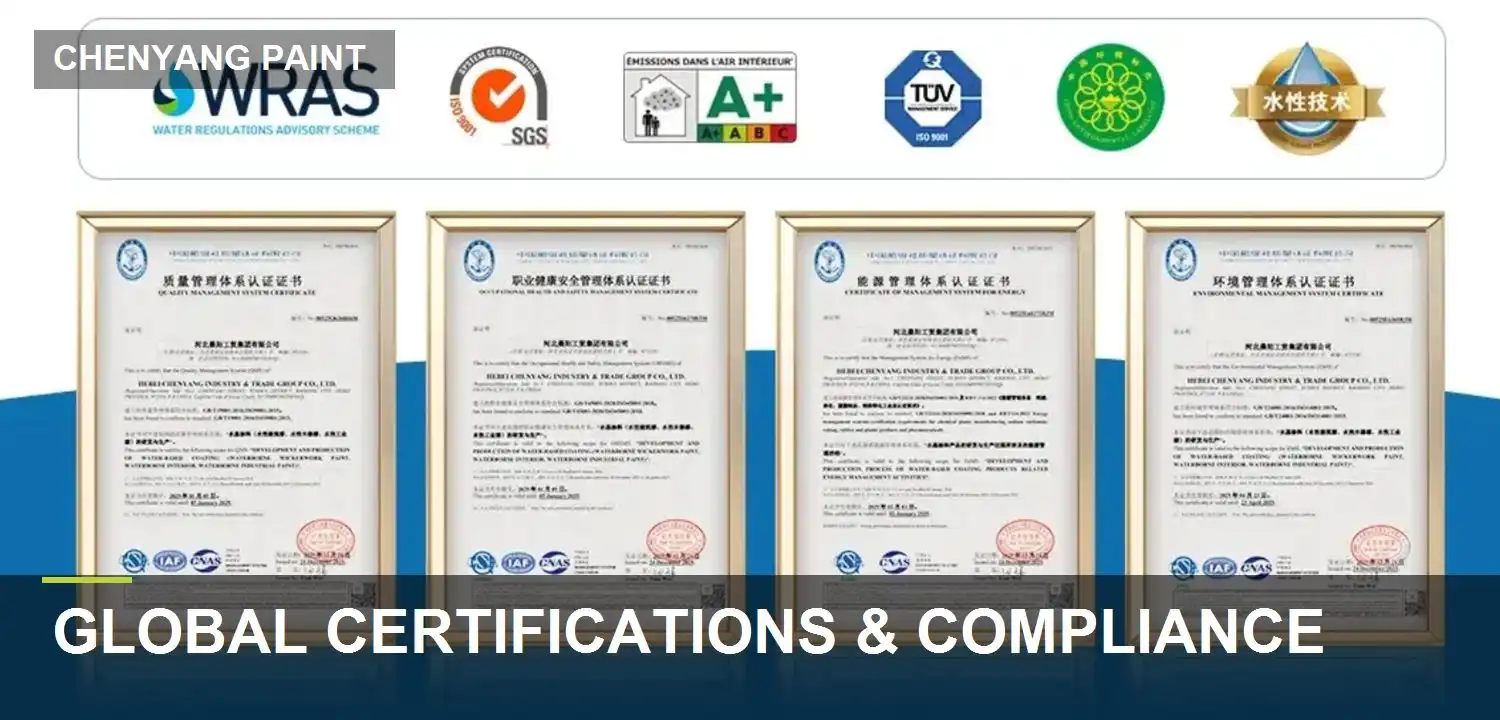
Chenyang Water Paint invites purchasing managers looking for a reliable child-safe nursery paint supplier to explore our Zhi Ai Series, which is a water-based coating system made especially for pediatric settings that need to meet the highest safety standards. Because we've been specializing in water-based technology for 28 years, we've built a supplier partner that can help with large-scale institutional projects through our automated manufacturing plant, which can make a million tons of products a year and has normal production cycles of 7 to 10 days. International approvals like EU SGS, German TÜV, UK WRAS, and US FDA food-contact grade validation show that we are dedicated to meeting the strictest quality standards around the world.
We know that business-to-business relationships need more than just legal goods. They also need reliable supply lines, technical support, and services that can be changed quickly and easily. As an OEM or ODM company, we can do color matching, private marking, and package design that fits the needs of different markets. Full English technical paperwork, including TDS and MSDS, makes it easier to clear customs and register a project in different countries. Our team can help you quickly and effectively, whether you need to find coatings for a single pediatric clinic or set up supply deals for a national childcare network. We are backed by more than 1,000 patents and more than 100 industry standards.
Email our sales team at sales@chenyangpaint.com to talk about the details of your project, get product samples, or find out how much big orders cost. Leading organizations trust Chenyang as their child-safe nursery paint supplier to protect the health of vulnerable groups, and we're ready to show you why.
References
1. National Institute of Environmental Health Sciences. (2022). Indoor Air Quality and Children's Health: The Impact of Low-VOC Coatings in Pediatric Environments. U.S. Department of Health and Human Services.
2. European Chemicals Agency. (2021). Restriction of Hazardous Substances in Coatings for Children's Products: EN 71-3 Compliance Guidelines. ECHA Publications.
3. American Society for Testing and Materials. (2023). ASTM D-4236: Standard Practice for Labeling Art Materials for Chronic Health Hazards. ASTM International Standards.
4. Building a Research Establishment. (2022). Water Vapor Permeability and Mold Prevention in Interior Coatings: Technical Performance Standards. BRE Global Publications.
5. Journal of Pediatric Environmental Health. (2023). "Comparative Analysis of VOC Emissions from Conventional and Child-Safe Paints in Clinical Settings. "Pediatric Environmental Medicine, Vol. 18, Issue 4.
6. International Association of Color Manufacturers. (2024). Technical Guidelines for Zero-Additive Water-Based Coatings in Childcare Facilities. IACM Industry Reports.
Send Inquiry
You may like