Does mold resistant paint actually work?
When properly made and applied, mold-resistant paint does, in fact, work, especially in places with a lot of moisture. Modern antifungal coats have biocides that are enclosed and other special ingredients that stop fungi from growing on painted surfaces. The success of mold resistant paint for tropics depends on a number of things, including the quality of the fungicidal agents used, how well the base is prepared, how the paint is applied, and how well the moisture is managed over time. These coats don't get rid of the underlying moisture problems, but they do make a barrier that protects against them that makes upkeep much less frequent and lessens the growth of living things compared to regular building paints.
Understanding Mold Resistance: How Does Mold Resistant Paint Work in the Tropics?
The Science Behind Anti-Fungal Coatings
Mold-resistant paint for tropics is very different from regular paints because it contains special fungicides and biocides that protect the film. These active ingredients go after the cell processes that mushrooms need to grow and germinate. Biocides stop enzyme production and cell membrane integrity when spores land on surfaces that have been handled. This stops infection before visible growth happens. Advanced formulas use microencapsulation technology to keep these active ingredients from breaking down too quickly. This way, they can keep working even after years of being exposed to warm UV rays and heavy rain.
The transport system is just as important. Water-based latex products let vapor pass through, which is an important property that is often overlooked in humid settings. Instead of making a barrier that doesn't let water through and traps it in the base, good anti-fungal paints let controlled wetness flow through. This ability to breathe stops the burning and delamination that happen when water gets stuck behind coats that don't let it through. The fungicidal parts kill biological threats on the surface.
Performance Validation and Testing Standards
High-quality mold-resistant paint for tropics is very different from products that only make marketing claims. The ASTM D3273 standard puts coated panels through controlled fungal infection in weather rooms that are set up to look like tropical areas with temperatures around 29°C and 95% relative humidity. Products that meet this standard show significant resistance over long periods of time; after 28 days of contact, they usually show no or very little growth. In the same way, ASTM G21 tests how resistant a material is to certain types of fungi that are known to grow on building coatings in warm, wet places.
Performance in the real world often shows flaws that can't be fully seen in lab tests. Within months, heavy monsoon rains can wash away biocides that are water-soluble from lower-quality versions. At the same time, strong tropical sunlight breaks down the chemistry on the surface and makes tiny cracks where water can gather. Professionals in charge of buying things should ask for accelerated weathering data (QUV tests) and fungal resistance certificates to find out how goods work when they are exposed to a lot of stressors at once, rather than just in the lab.
Technical Parameters That Matter
Besides basic resistance to fungi, there are a number of technical factors that directly affect how well tropical systems work. A film build that can withstand the mechanical stresses of thermal cycling and base movement that are common in tropical buildings is made with a high solids content (usually 40–50% by volume). Low VOC emissions meet environmental standards and lower the risks of exposure for people who live or work in areas with limited air.
It is very important that the layer can stay attached to surfaces that have been dampened and balanced. In tropical areas, concrete and brickwork rarely reach the low moisture content (below 10%) that is required by application standards for temperate climates. Quality formulations can handle base moisture levels of up to 12 to 15% without weakening the bond, which keeps standard building coatings from failing too soon in these conditions.
| Parameter | Specification |
|---|---|
| Product Gloss | Matte |
| Theoretical Coverage | 7-9 m²/kg per coat |
| Dry Film Thickness | Approximately 30 microns |
| Maximum Water Dilution | 20% for roller/brush application |
| Surface Drying Time | 30 minutes (25-30°C) |
| Hard Drying Time | 60 minutes (25-30°C) |
| Recoat Interval | ≥2 hours |
| Application Methods | Roller or brush |
| Application Temperature | 5-35°C, humidity <85% |
| Substrate Moisture Content | <10% |
| Substrate pH Value | <10 |
| Tool Cleaning | Water-based, easy cleanup |
| Environmental Compliance | GB 24408-2009 standard |
Key Benefits of Using Mold Resistant Paint in Humid Tropical Areas
Protection Against Structural Degradation
Mold growth does more than just make things look bad; fungus colonies release organic acids and enzymes that break down building materials. This biological activity speeds up carbonation and strengthens erosion on concrete surfaces. The decay of wood surfaces speeds up as fungus hyphae get deeper into the cell structures. Putting on good anti-fungal treatments stops these degradation routes, which makes valuable building assets last longer.
When you compare the cost of replacing to the cost of protective coating, the economic effect is clear. A hospital in a tropical port city said that using fungal-resistant outdoor coats stopped the concrete from flaking off too soon, which used to need fixing every 18 to 24 months. Over ten years, the longer maintenance cycle cut lifecycle costs by about 60% while keeping the building's professional look and meeting healthcare regulation standards.
Indoor Air Quality Enhancement
There are a lot of health risks from mold and germs in the air, especially in places like schools, hospitals, and food processing plants. People who are exposed to high levels of spores have more respiratory problems and allergic responses and, in the worst cases, mycotoxin poisoning. Coatings that kill fungi greatly lower surface growth, which stops spores from spreading into occupied areas.
This gain has regulatory consequences that go beyond making people more comfortable. More and more, safety rules at work require aggressive mold control in high-risk areas. By showing that they have spent money on preventative measures, like the right surface treatments, facilities lower their risk of liability and show that they care about their workers' health.
Maintenance Cost Optimization
In tropical areas, buildings that do not use mold-resistant paint for tropics usually need repainting every 12 to 18 months because mold growth leaves behind stains that cannot be easily removed. Each stage of repainting costs money in terms of materials, work, and downtime. Maintenance can be put off for 5 to 7 years with high-performance anti-fungal formulas, which greatly lowers the total cost of ownership.
In addition to saving money directly, longer repair rounds make things easier for teams in charge of purchasing and managing buildings. Fewer repainting jobs mean less work for vendors to coordinate, easier product management, and less downtime for core operations. This repair efficiency is especially helpful for places with lean staffing plans.

Types of Mold-Resistant Paint Suitable for Tropical Regions
Water-Based vs. Solvent-Based Formulations
Solvent-based acrylic formulations have mostly been replaced by water-based ones in tropical settings because they are better for the environment and easier to transport. Modern water-based systems use modern polymer chemistry to make them last longer than alkyd or epoxy systems could. They also don't need to be labeled as hazardous materials, which makes foreign shipping easier.
When it comes to buying things, water-based items that are labeled as non-hazardous goods make the export process a lot easier. Standard MSDS paperwork and transport condition certificates meet customs standards. This means that you don't have to deal with the special handling, storing, and higher freight costs that come with flammable chemicals. Shorter lead times and a simpler supply chain are the results. These are very important for projects with tight building plans.
Solvent-based products still have some uses, like when you need to be very resistant to chemicals or have great adhesion to difficult surfaces. Even though they have problems, solvent systems may be required in places that work with harsh chemicals or in the ocean where people are directly exposed to saltwater.
Low-VOC and Zero-VOC Options
Ultra-low pollution formulations of mold-resistant paint for tropics are becoming more popular because of environmental regulations and green building initiatives. Products that have been certified by Green Guard or a similar organization have low levels of volatile organic compounds. This meets the needs of LEED and WELL Building Standard standards while also protecting the health and safety of building occupants and installers.
Chenyang Water Paint's Wumeixin Weather-resistant Exterior Wall Water-based Paint is a great example of this type of paint because it meets GB 24408-2009 standards that limit harmful chemicals while still having a very low VOC content. The formula has great weather protection, which is important for warm environments, and it works well at a high cost, which procurement managers who are watching their budgets will like. Its ability to stick to different surfaces (brick, concrete, and stonework) makes it easier for builders to manage a wide range of building projects.
The matte finish that these formulas usually have keeps dirt from building up better than shiny finishes, so they look better for longer in dusty tropical settings. Theoretically, each kilogram covers 7–9 square meters, which makes it easy to figure out how much to use. The maximum dilution ratio of 20% and easy cleanup with water also make application simpler.
Substrate-Specific Formulations
In humid areas, different building materials pose different problems. For exterior concrete that will be subject to heavy rain, you need mixtures that are very resistant to alkalis and very good at shedding water. Coatings for wood bases need to be more flexible so they can adapt to changes in size as the moisture content changes with the seasons.
Often, specialized starters are necessary for the best system performance. Fungicidal primers get rid of existing contamination and load the most biocide straight onto the ground, while topcoats focus on how long the paint will last in bad weather and how it looks. This system method works better than single-coat uses, and the longer service life makes up for the extra money spent on materials.
How to Choose the Best Mold-Resistant Paint for Tropical Procurement Needs
Certification and Standards Compliance
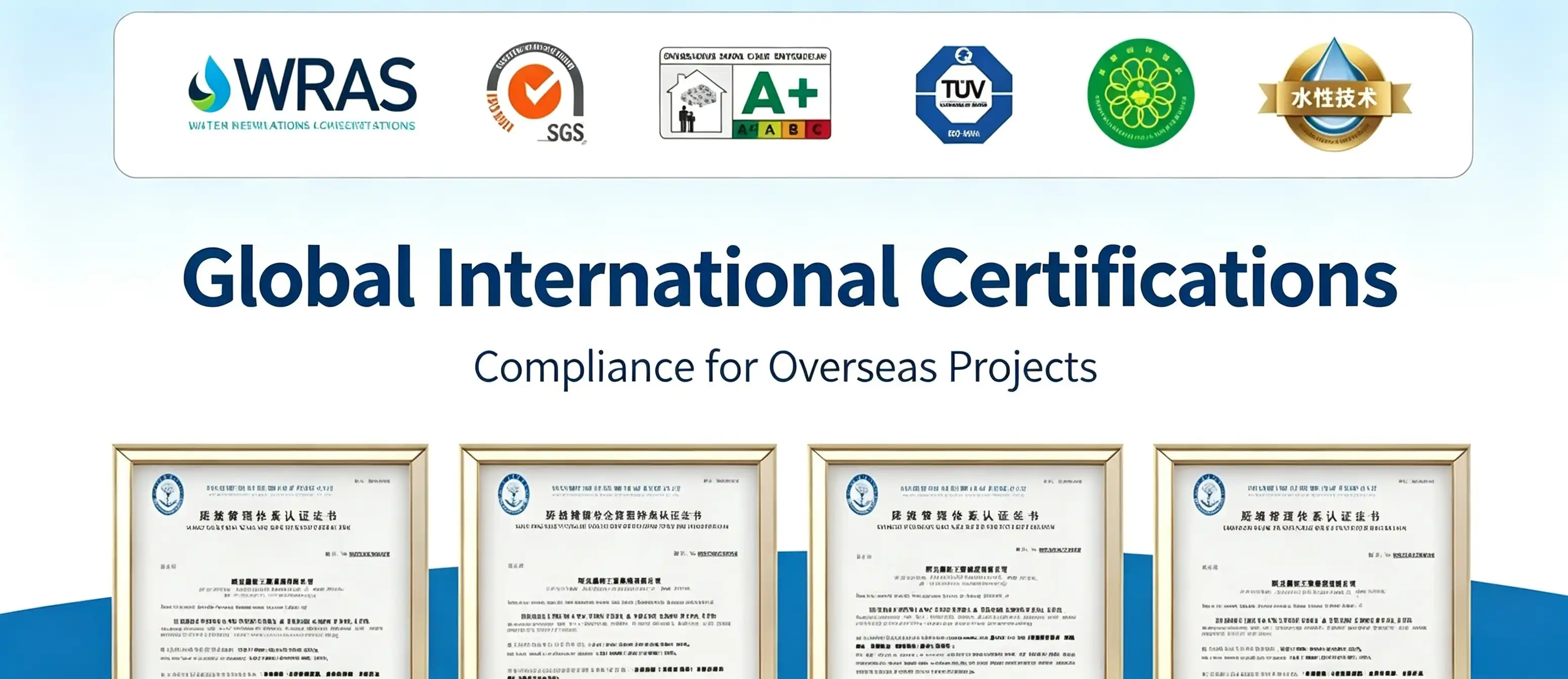
International approvals are a neutral way to make sure that a product works well and is safe. EU SGS testing confirms that the product is safe for use in European markets and doesn't contain any harmful substances. UK WRAS approval confirms that the product is safe for use with drinkable water, which is important for hospitals, schools, and food facilities. The US FDA food-contact grade license can help you get jobs in pharmacy and food processing settings that have strict rules about keeping things clean.
The German TÜV testing is one of the strictest types of testing because it looks at both performance traits and manufacturing quality systems. Products with TÜV approval show they can compete with high-end foreign names. This gives purchasing managers trust when looking for alternatives to well-known Western suppliers.
These certifications also make the process of getting a job approved faster. More and more, architects and engineers include widely recognized standards in bid papers. Products with the right certifications also get rid of the need for long technical review cycles that keep projects from starting.
Supplier Capabilities and Reliability
Product quality doesn't matter much if problems in the supply chain make it take longer to finish the job. By checking a supplier's ability to make things, control inventory, and handle logistics, you can avoid expensive schedule slippages. Large operations that produce more than a million tons of goods every year make sure that there are enough supplies, even during busy building seasons when smaller sources may not be able to meet demand.
Automated production processes are more consistent than activities that are done by hand. Green plant labels at the national level show that the company has put money into quality control systems and environmental management, which leads to reliable output. Standard production rounds of 7–10 days allow for quick order completion without having to pay too much for storage.
The ability to provide technical help is just as important. When suppliers provide full English documentation (TDS, MSDS, application guides), it makes the project run more smoothly, especially when working with foreign contractors or site management teams from different countries. Being able to use color customization services, different packaging choices, and private-label programs gives you more options, which is helpful for customers who care about brands or delivery partners who want to stand out.
Evaluating Total Cost of Ownership
The initial purchase price is only one part of the total cost of mold-resistant paint for tropics. Total ownership economics is found by adding up coverage rates, needed coat systems, expected service life, and upkeep regularity. A high-quality product that costs 30% more but lasts twice as long is a much better deal than cheaper options that need to be used again and again.
Costs of transportation and logistics have a big effect on foreign buying. Water-based formulas that aren't dangerous keep you from having to pay extra for dangerous goods, and making customs clearance easier cuts down on delays and paperwork. These things can cancel out big price differences, especially when shipping containers full of goods across continents.
Labor costs, which make up the biggest part of fixed prices, are affected by how well an application works. Fast-drying formulas with two-hour recoat intervals allow multiple coats to be applied in the same day, which saves money on renting platforms and moving workers. Products that can handle higher humidity levels during application (up to 85%) give you more weather window options, which means you can avoid costly delays caused by bad weather that are common in tropical building.
Best Practices for Applying Mold-Resistant Paint in Tropical Weather
Surface Preparation Requirements
More than any other factor, the long-term success of mold-resistant paint for tropics depends on how well the substrate is prepared. Surfaces must be clean, physically sound, and within certain amounts of moisture. If there is mold exposure, it needs to be cleaned up before the coating is applied. Antimicrobial paints stop new growth but can't get rid of colonies that are already there under the film.
Pressure washing gets rid of dirt, dust, and efflorescence salts that make it hard for things to stick together. In tropical weather, it's hard to give things enough time to dry. Moisture meters make sure that the substrate's moisture content meets the standards (usually below 10% for best results, but quality goods can handle up to 12–15%). Testing the pH of surfaces makes sure they have been reduced enough. Concrete that is just finished has a high alkalinity that breaks down some binder systems.
Application Technique and Environmental Conditions
Timing the treatment to the weather factors gives the best effects. When you apply it early in the morning, you escape the heat of the middle of the day, which can cause too much evaporation and bad film formation. You also make sure it dries enough before the afternoon humidity peaks. Keeping an eye on the temperature (between 5 and 35°C) and the relative humidity (below 85%) stops problems with the application like blushing and poor flow.
Keeping the right reduction ratios will ensure the film thickness that was wanted. Over-thinning, which means melting in hot weather to make application easier, lowers the dry film thickness below protection levels and lowers the amounts of fungicides. The Wumeixin recipe says that no more than 20% water should be added when using a roller or brush, and the mixture should be thoroughly mixed before use to make sure that the biocide is spread evenly.
Multiple thin coats work better than one heavy coat. A film layer of about 30 microns per coat creates a good shield without the drooping, wrinkles, and longer cure times that come with applying too much. Sticking to recoat times of at least two hours allows for proper interlayer bonding while keeping the project on track.
Complementary Moisture Management Strategies
Fundamental moisture problems can't be fixed by even the best coats. Fixing the sources of water entry, like leaking roofs, broken flashing, and poor draining, is still very important. Coatings are only one part of complete systems for managing moisture; they are not fixes for problems with the structure itself.
Surface humidity that helps mold grow can be stopped by making sure there is enough air flow. Keeping the temperature inside a mechanically cooled area just above the dew point stops moisture films from forming on cool surfaces. Cross-ventilation and preventing dead air areas are two ways to keep naturally ventilated buildings from creating conditions that are good for fungus growth.
Conclusion
When purchasing decisions are based on a combination of product chemistry, supplier capabilities, and application practices, mold-resistant paint for tropics can significantly improve performance in tropical environments. Formulations that work well combine encapsulated fungicides with weather-resistant, flexible binder systems that can handle both high humidity and direct sunlight. Longer repair intervals, better indoor air quality, and structural security are all known benefits that support higher prices by lowering total ownership costs and making operations more reliable.
Successful procurement of mold-resistant paint for tropics means looking at more than just product specifications. It also means checking the supplier's ability to make the product, their foreign certifications, and their organizational skills to make sure they can provide consistent supply and technical support. As environmental laws get stricter and green building standards become more common, water-based products that meet strict VOC limits and dangerous substance limits give businesses a competitive edge and make international trade easier.
FAQ
How long does mold-resistant paint for tropics remain effective in tropical climates
In tropical areas, good anti-fungal coats usually stay effective for 5 to 7 years, while regular building paints only last 12 to 18 months. How long something actually lasts relies on how much it is exposed to, how well it is used, and how often it is maintained. Products that meet ASTM D3273 standards offer good protection, but places that are directly exposed to water or have long-term moisture problems may need more regular upkeep, no matter how good the coating is.
Can anti-fungal paint be applied over existing mold growth?
Not at all. Manufacturers of coatings always need mold to be mechanically removed before the coating can be applied. Fungicidal washes that meet ASTM D4446 standards must be used to clean any contamination on the surface, and the area must then be rinsed well and dried completely. Painting over mold that is already growing just traps it under the film, where it continues to spread until it breaks through the layer. The antifungal qualities will work as designed if the problem is fixed properly.
Do these coatings work on all substrate types?
Most formulas work well on common building materials like concrete, brick, cement board, and wood that has been properly prepped. Substrate-specific products improve performance. For example, external concrete formulas focus on being resistant to alkalis and shedding water, while wood coatings focus on being flexible. Always check if the two materials are compatible by looking at the technical data sheets. This is especially important for difficult surfaces like galvanized metal or fiber cement, which may need special primers to stick well and prevent rust.
Partner with Chenyang Water Paint for Reliable Tropical Coating Solutions
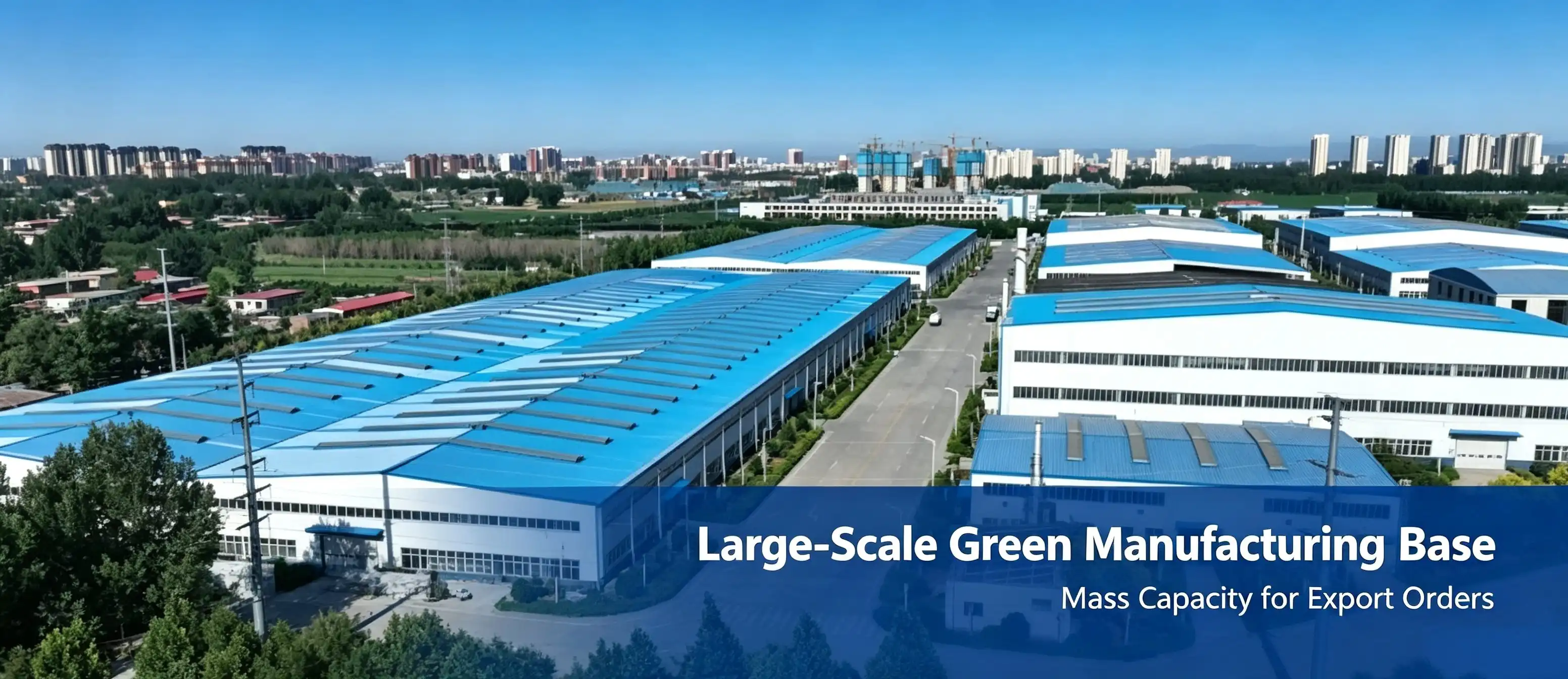
Procurement managers seeking a dependable mold-resistant paint for tropics provider will find complete support through Chenyang Water Paint's 28-year expertise in water-based coating technology. Our manufacturing infrastructure—which includes a highly automated green plant that can make more than a million tons of goods every year—ensures a steady supply even during times of high demand. Standard 7–10 day production rounds help keep projects on schedule. The Wumeixin Weather-resistant Exterior Wall Water-based Paint shows our dedication to performing well in warm environments. It has great weather resistance, very low VOC content, and GB 24408-2009 compliance, which makes it easier for regulators to approve.
Our wide range of certifications, which includes food-contact grade standards from EU SGS, German TÜV, the UK WRAS, and the US FDA, shows that we meet the high standards of developed markets. The fact that our products are classified as non-hazardous also makes foreign shipping easier by providing standard paperwork. Our OEM/ODM services allow for color customization, packaging requirements, and private-label programs for marketing partners. Our technical help includes full English TDS/MSDS documentation. Get in touch with our team at sales@chenyangpaint.com to talk about your painting needs for warm climates and find out how our technical knowledge and large production capacity can help you make the best decisions about your purchases.
References
1. Johansson, P., Ekstrand-Tobin, A., & Bok, G. (2012). The Effect of Cyclic Moisture and Temperature on Mold Growth on Wood Compared to Steady-State Conditions. Building and Environment, 65, 178-184.
2. Sedlbauer, K. (2001). Prediction of Mould Fungus Formation on the Surface of and Inside Building Components. Fraunhofer Institute for Building Physics Dissertation.
3. Vereecken, E., & Roels, S. (2012). Review of Mould Prediction Models and Their Influence on Mould Risk Evaluation. Building and Environment, 51, 296-310.
4. Adan, O.C.G., & Samson, R.A. (2011). Fundamentals of Mold Growth in Indoor Environments and Strategies for Healthy Living. Wageningen Academic Publishers.
5. Nielsen, K.F., Holm, G., Uttrup, L.P., & Nielsen, P.A. (2004). Moldd Growth on Building Materials Under Low Water Activities: Influence of Humidity and Temperature on Fungal Growth and Secondary Metabolism. International Biodeterioration & Biodegradation, 54(4), 325-336.
6. Lstiburek, J.W. (2002). Moisture Control Handbook: Principles and Practices for Residential and Small Commercial Buildings. John Wiley & Sons, New York.
Send Inquiry
You may like