Everything You Need to Know About Water-Based Paint
Water-based architectural paint represents a transformative approach to building coatings, where water replaces organic solvents as the primary carrier for resins and pigments. Engineered with advanced acrylic and polyurethane emulsions, these coatings deliver critical advantages for procurement managers and technical teams facing stringent environmental regulations and project timelines. Unlike traditional solvent-borne systems, water-based formulations significantly lower volatile organic compound emissions while still providing durability and aesthetic performance. This makes them ideal for healthcare facilities, educational buildings, commercial developments, and government infrastructure projects where indoor air quality and rapid occupancy are non-negotiable requirements.
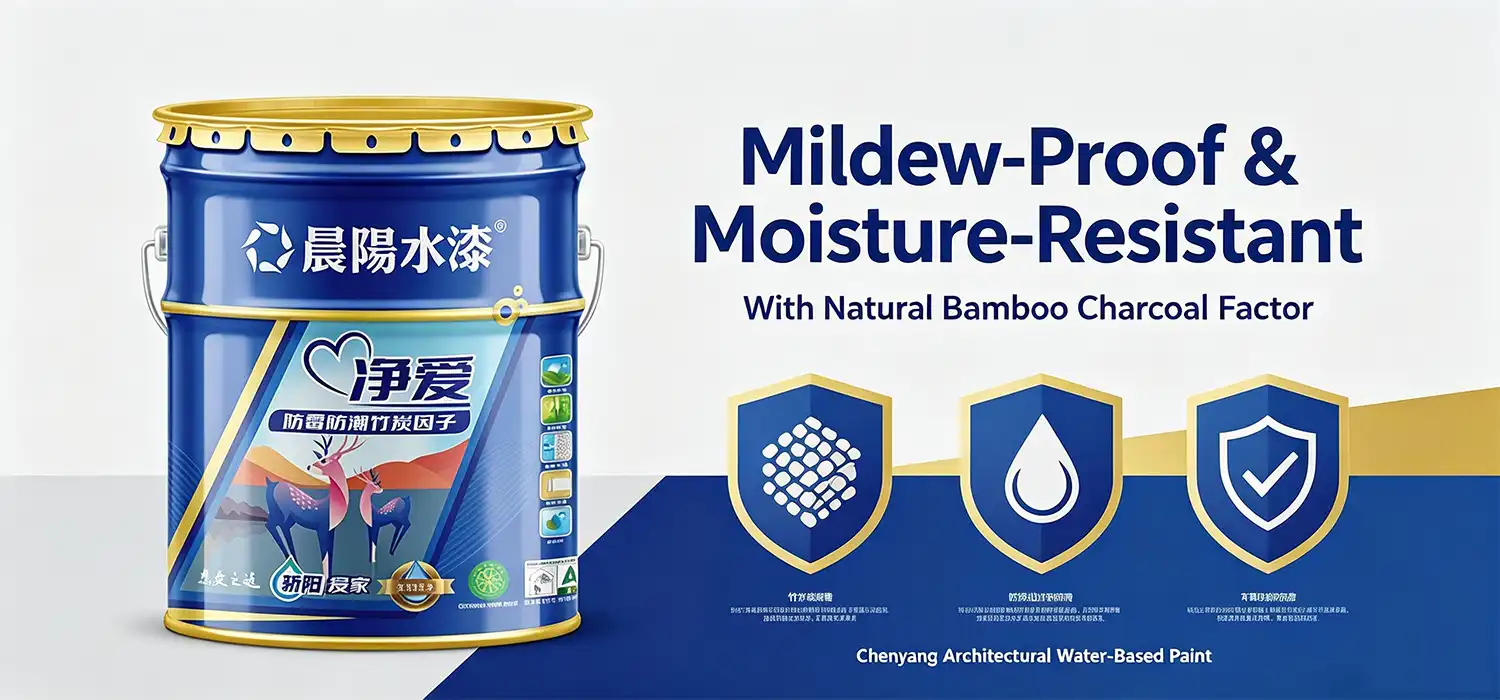
What Is Water-Based Architectural Paint?
Water-based architectural paints mix acrylic polymers, vinyl-acetate copolymers, or mixed resin systems with carefully chosen colors and additives. They use water as the dispersion medium. This main difference from solvent-based paints gets rid of dangerous air pollution while the paint is being applied and while it cures. This helps with both following the rules and keeping workers safe.
Chemical Composition and Performance Characteristics
When used with water, the polymer emulsion makes a continuous film by coalescing as the water dissolves. Controlled Glass Transition Temperature ranges in advanced formulas achieve the best balance between flexibility and surface hardness, ensuring the best performance across temperature changes. Rheological stabilizers impart thixotropic behavior to the substance, which lets it be applied smoothly and not sag on vertical surfaces. Modern water-based architectural paints have excellent binding power when tested according to ASTM D3359 standards. They are just as good at letting air pass through as traditional oil-based paints. This ability to let air pass through keeps brick surfaces dry, which reduces the risk of blistering and delamination in humid areas.
Environmental and Safety Benefits
One of the main reasons people choose water-based architectural paint systems is still to cut down on VOC emissions. Usually, these coats have less than 50 grams per liter of volatile organic substances, which is what LEED v4 and EPA rules call for. Besides being better for the environment, water-based architectural paints are also safer to move than solvent-based paints because they don't catch fire. This makes operations easier and cuts down on shipping costs. Since there are no strong smells, busy areas can stay open while the coating is being applied and removed, which keeps business running as smoothly as possible. This means big practical savings and higher stakeholder happiness for healthcare and education projects.
Versatility Across Architectural Substrates
Water-based architectural paints adhere well to walls, concrete, stucco, brick, and previously painted surfaces with little prep work. They can be used in both indoor settings that need to be cleaned often and outdoor facades that are exposed to UV rays and changes in humidity. When put through rapid weathering tests according to ISO 16474 guidelines, high-quality acrylic-based systems show great color retention and chalking resistance.
Comparing Water-Based Architectural Paint With Other Types
Knowing how different finishing technologies work helps you make smart buying decisions that fit the job's needs and your budget.
Composition and Durability Analysis
Oil-based paints use alkyd resins that have been dissolved in mineral spirits. They have a smooth finish and go deep into the paint, but they take a long time to dry and emit off a lot of VOCs. Water-based architectural paints dry by evaporation and coalescence. Under normal conditions, the surface is usually dry in 30 minutes. Latex paints are a type of water-based architectural paint layer that contain synthetic rubber polymers and are very flexible, which makes them particularly suitable for surfaces that tend to expand and contract with temperature changes. Epoxies that are based on solvents are very resistant to chemicals, but they need to be applied with special tools and strict air rules.
When testing for scrub resistance, the best water-based architectural paint formulas meet ISO 11998 Class 1 standards, which means they can handle more than 10,000 rounds without losing their film. This paint lasts as long as or longer than many oil-based products while still being easy to manage. Water-based architectural paint systems also keep colors more stable over time, unlike oil-based whites and pastels, which often turn yellow over time.
Environmental Impact and Cost Efficiency
A life-cycle cost study shows that water-based architectural paints often provide a better return on investment, even if they cost the same at first. Faster drying and recoat times mean less work for workers, and easier cleanup with water means no solvent dumping fees. When VOC emissions fall below legal limits, environmental compliance costs drop significantly because companies avoid fines and fixing costs.
When you buy things from other countries, the benefits of transportation become clear. Water-based architectural paint coatings ship as non-hazardous goods, so they don't have to deal with the extra paperwork and fees that come with shipping dangerous materials. This makes it easier to clear customs and lowers insurance costs, which is especially helpful for bringing many goods into the US market.
Supplier Landscape and Thoughts on Certification
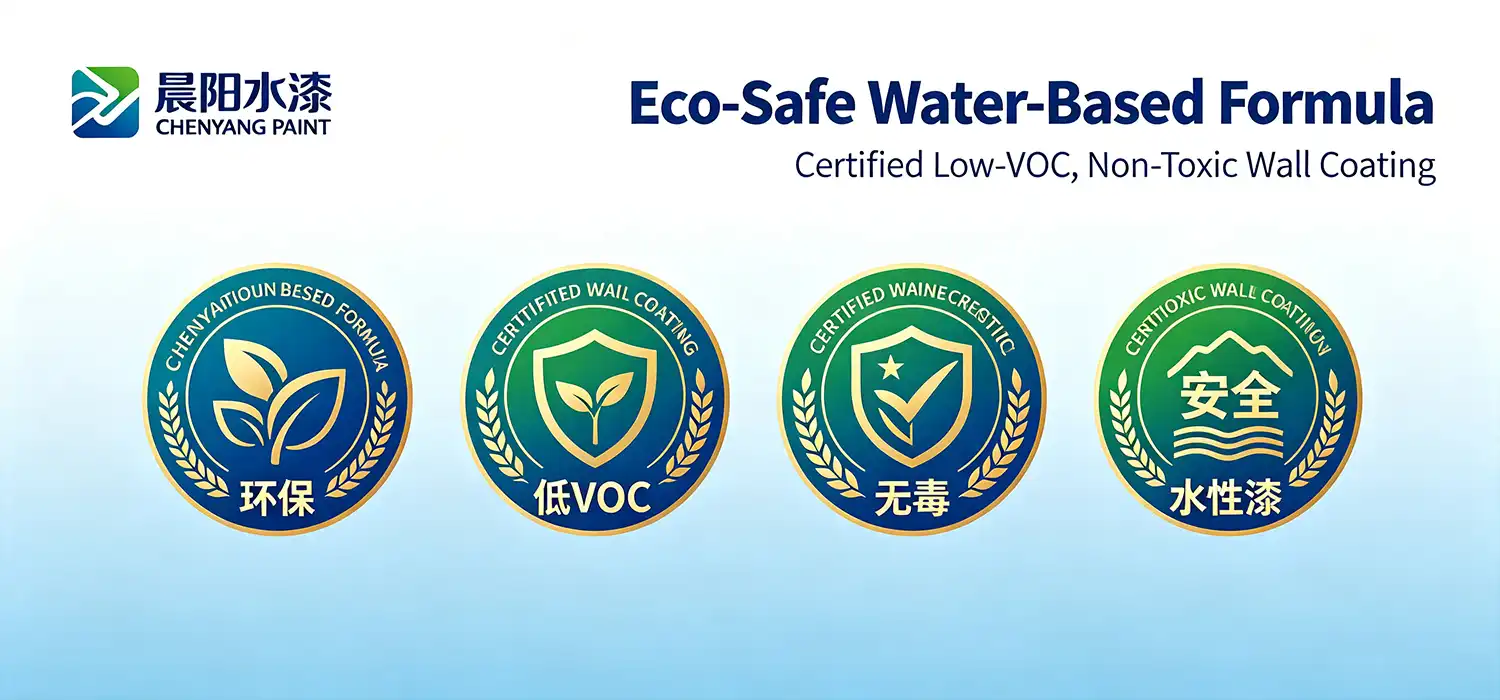
The biggest producers in the world keep many certifications that meet the needs of different regions. Products with EU SGS testing validation, German TÜV approval, and UK WRAS certification show that they are safe for use with drinkable water and meet strict European standards. Food processing plants and business kitchens that need food-contact-grade surfaces must follow US FDA rules. Businesses that buy from other businesses should make sure that the suppliers' certifications are valid for all of their products and that they can provide technical data sheets, material safety data sheets, and test results that are written in English. Established makers with yearly production capacities over one million tons ensure a steady supply during busy building seasons. This keeps projects moving by ensuring that materials are available.
How to Choose the Right Water-Based Architectural Paint for Your Project
There are factors that affect the results of a project directly, ranging from how well the application works to how much it costs to maintain in the long run.
Environmental Conditions and Performance Requirements
When used inside climate-controlled places, washability and stain resistance are very important, especially in public areas and areas with a lot of foot traffic. Antimicrobial additives stop the growth of microbes without putting the safety of the surroundings at risk. These are useful in hospitals and schools. For outdoor projects that need better UV resistance and elasticity to allow for substrate movement, acrylic-silicone blends are the best choice for seaside and warm conditions. Bathrooms and basements, which tend to get wet, need water-based architectural paint formulas that have been shown to be resistant to mold and meet GB/T 1741-2020 standards or ASTM D3273 guidelines.
Certification Priorities and Risk Mitigation
Teams that buy things for big clients have to make sure that coatings have certain environmental standards. LEED projects need to keep track of VOC content, recycled content amounts, and where materials come from in the area. A lot of the time, government contracts require companies to follow the Federal Acquisition Regulation and the Buy American Act. Sourcing from suppliers with well-established quality management systems that are ISO 9001 approved lowers the risk of variation between production batches. Technical support services, such as on-site training and application assistance, are useful for handling complicated projects with a range of substrate conditions.
Budget Optimization and Volume Considerations
Even though luxury water-based architectural paint systems cost more up front, you should include coverage rates, expected durability, and repair times when you figure out the total cost of ownership. Spread rates of 11–12 square meters per liter are possible with the suggested film thickness, which makes it possible to accurately predict the amount needed. Volume savings usually start at pallet or container sizes, and flexible packing choices from 6 kg to 25 kg containers can be used for both small touch-ups and large-scale projects. With minimum order sizes as low as one bucket, you can try it out and see if you like it before you buy a lot of it.
How to Apply Water-Based Architectural Paint: Best Practices for B2B Projects
The right way to apply a finish will make it work better and last longer, protecting project assets.
Surface Preparation Protocols
How clean the substrate is directly affects adhesion. Using diluted phosphoric acid liquids and a good rinse will get rid of efflorescence from concrete and brickwork. Use abrasive pads to remove the shine from areas that have already been sprayed to improve mechanical bonding. Fill in cracks and other surface flaws with water-based architectural paint fillers that work well together. Let the filler cure completely before applying the finish. When checked with electronic moisture meters, the wetness level in surfaces should stay below 12% to prevent blistering and ensure they stick.
Application Methods and Equipment Selection
High-pressure airless sprayers are the best way to cover big business jobs because they keep the film thickness the same across large wall areas. The best tip sizes are between 0.015 and 0.019 inches, and the best pressures are between 2000 and 3000 PSI. To keep the film's hiding power and purity, dilution ratios should not exceed 10% by volume with clean water. Roller application works best on rough surfaces and places that need thicker film builds. The nap lengths should be adjusted to match the hardness of the base. It's still best to use a brush for fine details and cutting in around fittings and trim.
Environmental conditions have a big effect on healing. To make sure the right coalescence happens, keep the application temperature between 5 and 35°C and the relative humidity below 85%. At 25–30°C, the surface dries in 30 minutes, and in perfect conditions, the whole thing cures in 60 minutes. Allow at least two hours between coats to keep the solvent from getting trapped and to avoid problems with bonding between layers.
Safety and Compliance Standards
When compared to solvent-based paints, water-based architectural paints are less dangerous, but you should still wear the right safety gear. Make sure that people who use sprays wear safe clothing, eye protection, and respirators that are allowed for particulate exposure. Make sure that contained areas have enough air flow, with a goal of at least 4 to 6 changes per hour. According to local environmental laws, garbage management plans should include how to get rid of wet paint. Dried paint is often considered non-hazardous solid trash. Please ensure that Safety Data Sheets are readily available on-site and that application teams receive training on handling emergencies.
| Property | Value |
|---|---|
| Theoretical Spread Rate | 11-12 ㎡/L/coat |
| Dry Film Thickness | Approximately 30 microns |
| Surface Drying Time | 30 minutes (25-30℃) |
| Full Drying Time | 60 minutes (25-30℃) |
| Recoat Interval | ≥2 hours |
| Dilution Ratio | Roller/brush ≤20%; airless spray ≤10% |
| Application Temperature | 5-35℃ |
| Humidity Requirement | <85% |
| Resin Content | 5-15% |
| Water Resistance | Excellent |
| UV Resistance | Good (indoor environments) |
| Mold Resistance | Complies with GB/T 1741-2020 |
| Warranty Period | 5-10 years (conditions apply) |
| Packaging Options | 6kg / 20kg / 25kg per bucket |
Environmental and Performance Advantages for Large-Scale Procurement
Both educational and industrial settings use water-based architectural paint because it is environmentally friendly and works well.
Contribution to Green Building Certifications
By lowering VOC pollution, water-based architectural paints directly help earn LEED credits in the Indoor Environmental Quality categories. Products with the Green Seal GS-11 or GreenGuard Gold certification back up environmental claims with third-party verification, which makes project approval paperwork easier. Low-emitting materials help make indoor settings healthier, which lowers health problems and the liability risks that come with them. Reducing the carbon footprint during production and use is in line with business environmental goals, especially for companies that want to reach net-zero emissions.
Long-Term Durability and the Cost of Maintenance
The latest water-based architectural paint formulas are very good at keeping colors even when exposed to strong UV light, so they look good for longer between services. Mold and mold protection reduce the number of times cleaning needs to be done in damp places, which lowers cleaning costs over time. Because it is so easy to clean with mild chemicals, regular upkeep can be done on the film without damaging the surface, which means that it can last longer between painting processes. Warranty terms of 5 to 10 years, based on the application, protect you financially and show that the maker believes the product will last.
Innovation Trends and Future Technologies
New water-based architectural paint systems use phase-change materials to control temperature and photocatalytic dyes to break down pollutants in the air. These smart layers are useful for making building walls more energy-efficient and for improving air quality in cities. Integrating with Building Information Modeling tools lets you accurately predict the amount of materials needed and keep track of their performance over their entire lifecycle. Adding bamboo charcoal to products, like those in Chenyang's Proud Sun Pure Love line, actively absorbs volatile chemicals and cleans the air inside while also making them resistant to mold and better at hiding things. With these new developments, water-based architectural paints are now at the top of the list of environmentally friendly building materials. This means that buying choices will be in line with modern building standards.
Conclusion
That's why water-based architectural paint is a great choice for businesses that care about the environment, want to save time and money, and need paint that lasts for a long time. Because they make logistics easier and improve indoor air quality, these coatings meet the strict needs of healthcare, educational, business, and building projects. Technological progress closes any leftover efficiency gaps between new and old systems, while clear environmental benefits remain. Established certification standards, predictable lifetime costs, and growing seller competition that improves value propositions are all good things for procurement pros. Water-based architectural paint formulations are the smart choice for companies that want to prioritize both project success and environmental responsibility as legal pressures rise and business sustainability promises grow.
FAQ
How quickly do water-based paints dry compared to oil-based alternatives?
At 25–30°C, the surface usually dries in 30 minutes, and the full cure takes about 60 minutes in ideal circumstances. It takes 6 to 8 hours for oil-based paints to dry on the surface and up to 24 hours to coat again. This sped-up schedule cuts down on project time and lets people move into the building faster, which is especially helpful for business improvements.
Can water-based coatings withstand exterior use in harsh climates?
When sprayed correctly, high-quality acrylic water-based architectural paint formulations show excellent strength to weather. UV-resistant pigments and bendable polymer layers allow for temperature expansion while keeping the paint from chalking and fading. To get the best performance in harsh conditions, you need to prepare the surface properly and follow the manufacturer's instructions for film thickness and drying times.
What maintenance differences exist between water-based and oil-based paints?
Water-based architectural paint systems are easy to clean with soap and water, and they keep their look without using harsh acids. They don't yellow and stay true to color longer than oil-based whites. For painting, the surface only needs to be cleaned, but oil-based surfaces often need to be deglossed so that the next coats stick well.
Partner With a Trusted Water-Based Architectural Paint Supplier
Chenyang Water Paint has been making high-quality paints for 28 years and offers approved, high-performance water-based architectural paint coating options to B2B clients. Our Proud Sun Pure Love line shows how committed we are to new ideas. It has bamboo charcoal air purification technology, formulations with no formaldehyde or benzene, and mold protection that meets GB/T 1741-2020 standards. We have more than 1,000 patents and are involved in more than 100 industry standards, so we can support complicated project requirements. Our certificates from EU SGS, German TÜV, UK WRAS, and US FDA show that our quality standards meet the needs of the world's most discerning markets. Our production cycle of 7–10 days and non-hazardous classification make transportation easier. Our annual production capacity of more than 1 million tons provides a steady supply. We provide flexible OEM/ODM services, including private marking, custom color matching, and full English paperwork, such as TDS and MSDS, to make customs clearance as easy as possible. Find out how our water-based architectural paint solutions can improve your procurement results by getting in touch with our team at sales@chenyangpaint.com to discuss your project needs.
References
1. ASTM International. "Standard Test Methods for Volatile Organic Compound Content of Coatings." ASTM D6886-03, American Society for Testing and Materials, 2018.
2. Green Building Council. "LEED v4 for Building Design and Construction." U.S. Green Building Council, 2020.
3. International Organization for Standardization. "Paints and Varnishes - Determination of Wet-Scrub Resistance and Cleanability of Coatings." ISO 11998:2006, Geneva, Switzerland.
4. Smith, Robert J. "Modern Architectural Coatings: Chemistry, Technology, and Applications." Wiley Publishing, 2019.
5. Environmental Protection Agency. "Volatile Organic Compound Emissions from Architectural Coatings." EPA Report 453/R-95-017, Washington, DC, 2021.
6. Zhang, Li, and Chen, Wei. "Water-Based Polymer Dispersions: Formulation Science and Industrial Applications." Chemistry of Materials Journal, Vol. 32, No. 8, 2020, pp. 3214-3229.
Send Inquiry
You may like