How does anti fungal paint work?
Anti fungal paint works by embedding active biocidal compounds—typically isothiazolinones or zinc pyrithione—directly into the paint film. Once applied, these agents create a chemically hostile surface that disrupts fungal cell membrane integrity, halting spore germination and hyphal colonization before visible growth begins. Unlike standard decorative coatings, the best anti fungal paint maintains this protective activity over multiple years, even under sustained humidity and UV exposure. For exterior walls in tropical or coastal climates, this mechanism is the difference between a facade that holds for a decade and one that fails within 18 months.


Understanding the Problem: Why Fungal Growth Destroys Building Exteriors
Contractors working in Southeast Asia, West Africa, or along the coast of South China all have to deal with the same problem: high humidity and UV rays. Standard coats on the outside of things soak up water through tiny cracks, giving fungus spores the damp surface they need to grow. Once hyphae get through the Anti-Fungal Paint film, they physically separate the coating from the substrate. This is what causes the bubbling, peeling, and black streaking that owners complain about 12 to 24 months after the project is finished.
Why Traditional Paints Cannot Handle Tropical Conditions
Normal acrylic coats don't have biocidal chemicals built into them. Their porous film structure keeps organic residues like dust, pollen, and algae that mold and algae use as food. ASTM D3273 chamber testing shows that fungal growth can be seen on raw latex surfaces in as little as four weeks when high humidity is managed. In real tropical places, the time frame is only slightly longer. The effect on the structure can be measured: fungal hyphae make organic acids that remove the alkalinity of the concrete, lowering the pH of the substrate and speeding up carbonation. This is why the best anti fungal paint must combine a non-porous film with active biocidal protection.

How Anti Fungal Paint Works: Mechanism and Core Principles
The safety system works on two fronts at the same time. The Anti-Fungal Paint film's physical barrier, which is made up of dense, cross-linked acrylic polymer chains, stops liquid water from getting in but lets vapor get through. Moisture evaporates instead of building up under the film, which takes away the main thing that spores need to germinate. At the same time, the biocides that are incorporated slowly spread to the film's surface, keeping a fungistatic concentration at the paint-environment contact for the lifetime of the coating.
Biocides vs. Fungicides: Understanding the Chemistry
Broad-spectrum biocides work against both mold and algae at the same time because they target multiple microbial pathways. This is important for facades that are exposed to organic matter. On the other hand, targeted fungicides stop certain enzyme pathways in fungal cells. Most high-performance surface finishes use both methods together. The active ingredients should not leak, which means that UV light and rain should not speed up their breakdown. This retention is measured by independent testing following ASTM G21 and GB/T 1741 methods. Procurement teams should ask for third-party reports showing fungal resistance grade 0 performance after rapid weathering.
Types of Anti Fungal Paints and Their Best Use Cases
The market is mostly split into two groups: acrylics that are based on water and alkyds or epoxy that are based on solvents. In the past, solvent-based products stuck better to dirty surfaces, but they contain a lot of volatile organic compounds (VOCs), which makes customs classification, application safety, and environmental licensing more difficult. Most of that performance gap has been closed by water-based plastic systems, which also make it easier to ship large amounts of goods internationally and follow all the rules. This shift is particularly relevant for buyers seeking the best anti fungal paint, since water-based formulations can now deliver both compliance advantages and reliable protective performance.
Water-Based Acrylic: The Preferred Choice for Bulk Export Projects
International transportation rules say that water-based exterior Mold-Resistant coatings are not dangerous. This gets rid of the extra paperwork and fees that come with shipping dangerous goods, which directly lowers the landed cost per project. For contractors who are working on multiple sites in different countries at the same time, full containers of water-based products clear customs more quickly and with fewer problems than solvent-based products.
This group includes Chen Yang Water Paint's Sun-Resistant Weatherproof Exterior Wall Water-Based Paint. Made from a high-quality acrylic coating that was created with the help of the Chinese Academy of Sciences, it has a matte white finish that is very resistant to alkalis and waterproof. Some important technical factors are:
- Application temperature range: 5–35°C, which includes tropical morning application windows.
- Humidity requirement: Relative humidity must be less than 85% during treatment.
- Substrate moisture tolerance: ≤10%, which can be reached with normal surface preparation.
- Recoat interval: At least two hours, allowing multiple coats to be applied in one workday.
- Dilution: Only clean water, adding no more than 20% at a time, keeping the pesticide percentage steady.
Because of these specs, it can be used in a wide range of projects, from home complexes on the coast of Vietnam to business facades in Lagos.
EU SGS testing standards, German TÜV certification, and UK WRAS requirements are all met by the coating. Its water-based rating also matches the standards for French A+ environmental certification. This makes project bid documents more useful in markets that need proof from a third party that the environmental rules are being followed.
Applying Anti Fungal Paint: Best Practices for B2B Contractors
When used correctly, the Anti-Fungal Paint coating's natural chemistry is amplified. It is necessary to prepare the surface: the substrate must be structurally sound, free of contamination, dry (less than 10% moisture content), and have a pH of 10 or less. Any leftover old paint film should be completely taken off. No matter how good the layer is, it won't stick to surfaces that still have loose material on them.
Field Application Protocol That Reduces Rework
Before you use the Anti-Fungal Paint, mix it well. If you need to dilute it, add clean water little by little, making sure you don't go over 20%. Use a roller or a brush to apply the paint when the weather is stable. Avoid days with a lot of wind and direct midday sun on hot facades because the film will dry unevenly. Let the surface dry for 30 minutes before touching it, and wait the full two hours between coats to make sure that each layer has enough mechanical strength before the next coat loads it.
Keep the color of a wall uniform by mixing Anti-Fungal Paint from different containers into a single batch before it is applied. This one step gets rid of the color-variance complaints that lead to expensive rework when local crews handle each pail on their own.
Procurement Insights: Choosing the Right Anti Fungal Paint Supplier
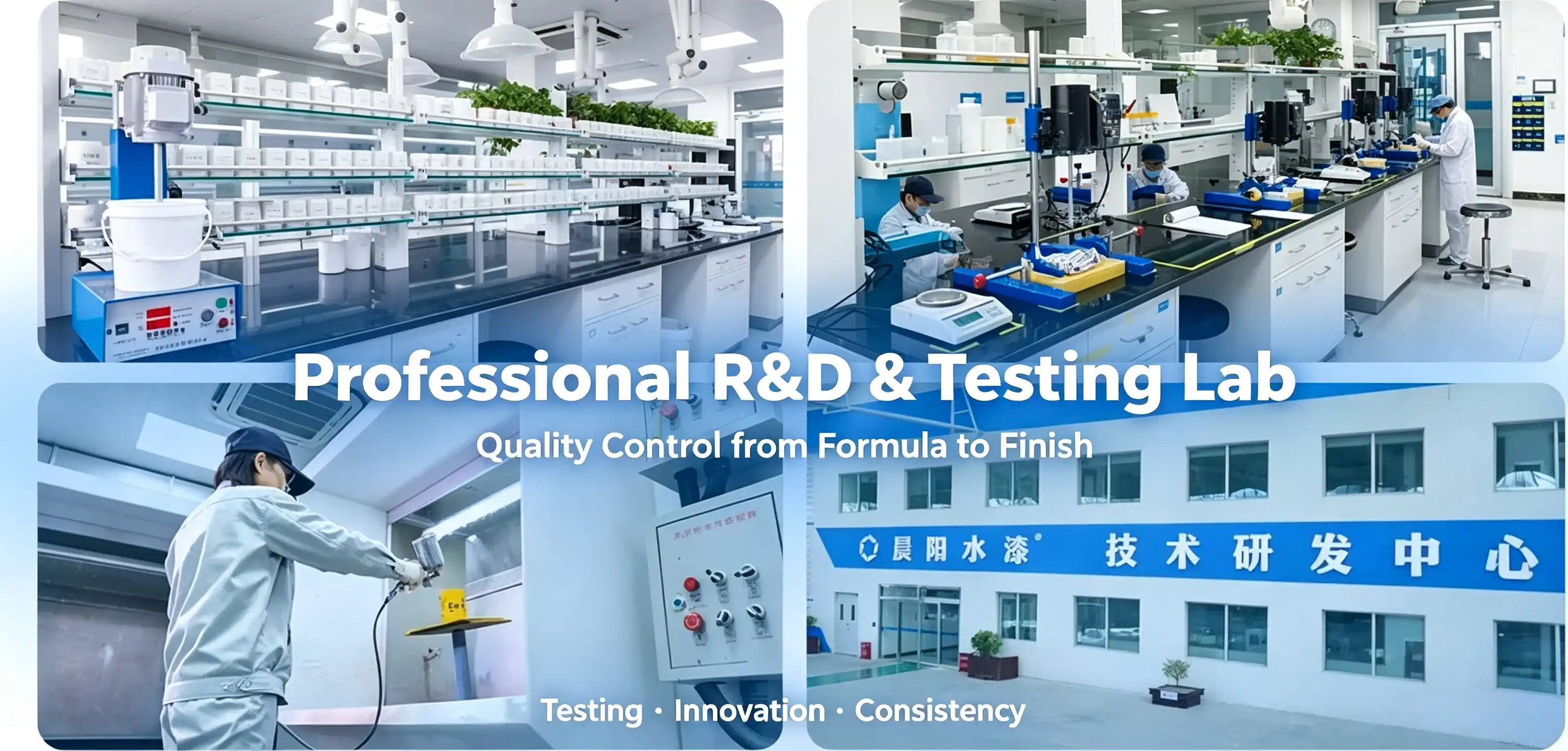
Any choice about bulk buying the best anti fungal paint is based on documentation of performance. Best Anti-Fungal Paint providers you can trust give you test results that are checked by a third party and cover things like fungal resistance grade (GB/T 1741 or ASTM G21), accelerated weathering exceeding 1,500 hours (ASTM G154 or similar), alkali resistance, and water resistance. These should be asked for by procurement teams before they agree to trial orders, not after.
Logistical skills are just as important. If a supplier can make matched primer, intermediate, and topcoat systems, there is no risk of incompatibility between coats across the whole coating stack. Full TDS and MSDS paperwork in English helps with easy customs clearing in Southeast Asian and African areas. When contractors use OEM private-label capacity, they can build brand loyalty with project owners by using their own label and buying from a single, checked manufacturer.
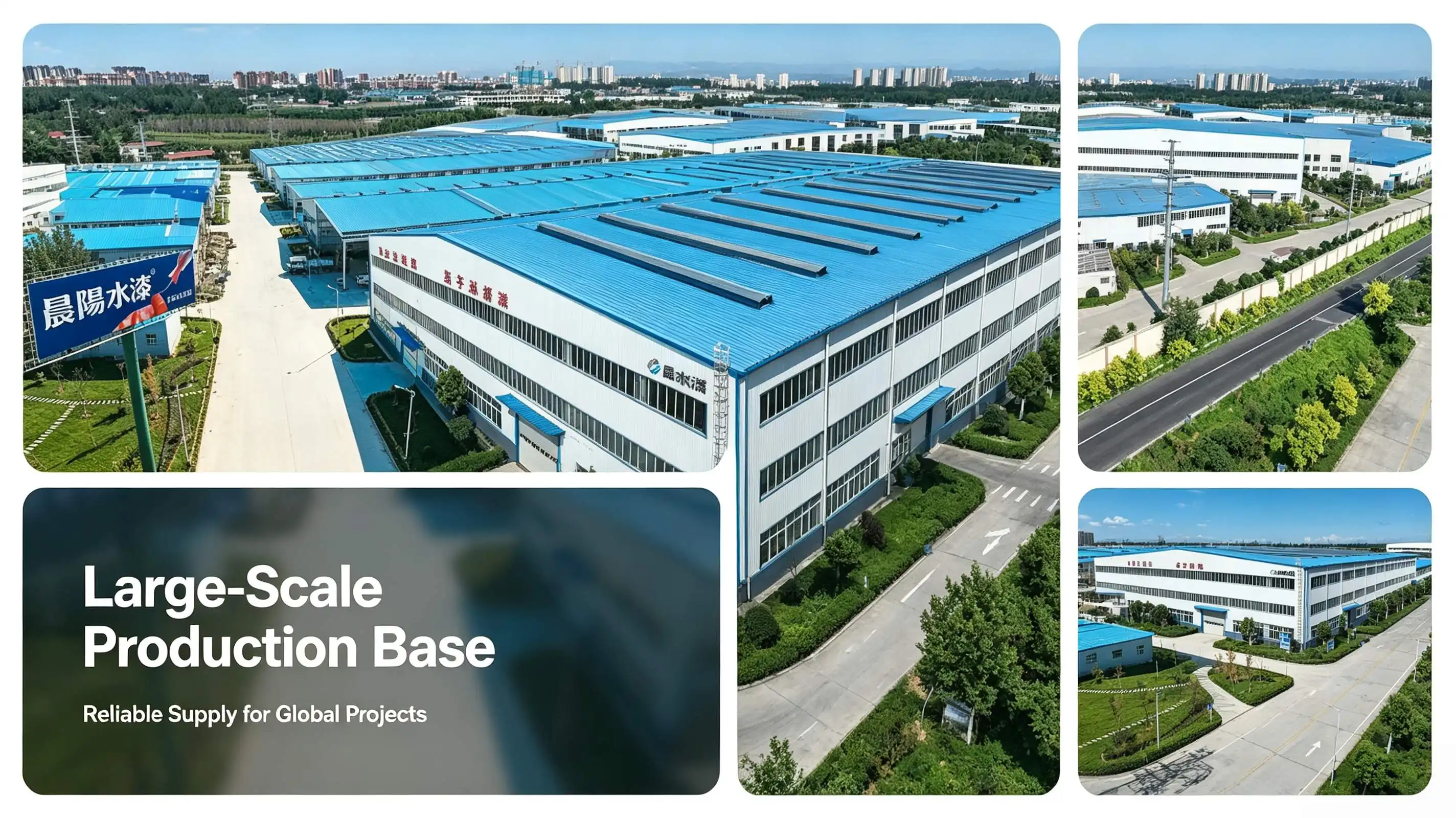
Chen Yang Water Paint has been making water-based coatings for 28 years, has more than 1,000 current patents, and makes more than a million tons of paint every year. It is one of China's most automated green manufacturing sites. Its normal production time is 7 to 10 days, which allows for flexible delivery schedules for changing project supply.
Conclusion
Fungal failure on exterior walls is a predictable and avoidable outcome. It is not a natural result of living in a tropical climate. By understanding the science behind Mold-Resistant coatings that work, procurement workers can choose the best anti fungal paint that will always do a good job, from the acceptance of samples to the long-term sturdiness of facades. Biocides that don't leach, high-density acrylic film, and reliable third-party approval all work together to make coatings that require less repair and make owners happier. The gap between what was specified and how well it works on-site can be closed by choosing a supplier with both technical knowledge and experience with export logistics.
FAQ
1. What is the difference between anti-mold paint and anti fungal exterior coatings?
Anti-Mold products primarily target common household mildew species in interior environments. Anti-Fungal exterior treatments provide broader-spectrum protection covering mold, algae, and fungal species that colonize outdoor facades. Exterior formulas must also withstand UV degradation and rainfall without losing their biocidal activity, a requirement that interior Anti-Mold products are not engineered to meet.
2. Can anti fungal paint be applied directly over an existing moldy surface?
No. Live mold colonies must be removed with a fungicide wash and the surface allowed to dry completely before coating. Anti-Fungal Paint is a preventative barrier, not a treatment for active biological contamination.
3. How long does the anti-fungal protection remain active?
Under normal tropical service conditions, high-quality exterior Anti-Fungal Paint coatings maintain active biocidal performance for 3 to 5 years. Actual longevity depends on cleaning frequency, UV intensity, and whether the coating system includes a compatible Anti-Fungal primer.
4. Do bulk export shipments require special documentation?
Water-based Anti-Fungal Paint coatings classified as non-hazardous require standard MSDS and transport condition certificates. Suppliers should provide complete English-language TDS and MSDS to support customs clearance across Southeast Asian and African markets.
Partner with Chen Yang Water Paint for Your Next Exterior Project
Chen Yang Water Paint is a trusted Anti-Fungal Paint manufacturer with 28 years of water-based coating expertise, 1,000+ patents, and full-container export capability to Southeast Asia, Africa, and beyond. Our exterior Mold-Resistant coating system—backed by EU SGS, German TÜV, and UK WRAS certifications—comes with complete English TDS/MSDS documentation and flexible OEM private-label options. Request your free sample and bulk pricing today by contacting us at sales@chenyangpaint.com or visiting chenyangpaint.com.
References
1. ASTM International. Standard Test Method for Resistance to Growth of Mold on the Surface of Interior Coatings in an Environmental Chamber (ASTM D3273). ASTM International, 2021.
2. ASTM International. Standard Practice for Determining Resistance of Synthetic Polymeric Materials to Fungi (ASTM G21). ASTM International, 2022.
3. Johansson, P., Bok, G., & Ekstrand-Tobin, A. "The Effect of Cyclic Moisture and Temperature on Mould Growth on Wood and Coated Surfaces." Building and Environment, 2013.
4. Nielsen, K. f., et al. "Production of Mycotoxins on Building Materials." International Biodeterioration & Biodegradation, 2004.
5. Leung, M. H. Y., et al. "Outdoor Air Quality and Microbial Exposure in Tropical High-Density Urban Environments." Applied and Environmental Microbiology, 2020.
6. Sedlbauer, K. Prediction of Mould Fungus Formation on the Surface of and Inside Building Components. Fraunhofer Institute for Building Physics, 2001.
Send Inquiry
You may like