How Does Zero VOC Paint Improve Indoor Air Quality?
Indoor air quality remains a critical factor influencing health outcomes in commercial, educational, and healthcare environments. We've learned through decades of facility management that paint selection directly affects occupant wellness, productivity, and long-term operational costs. Many conventional coatings emit volatile organic compounds that compromise air freshness and trigger respiratory concerns. Non-toxic, no-VOC paint represents a transformative solution for procurement professionals seeking to eliminate harmful emissions while maintaining performance standards. This guide provides actionable insights into VOC technology, product evaluation criteria, and procurement strategies tailored for B2B clients committed to environmental responsibility and occupant safety.
Understanding VOCs and Their Impact on Indoor Air Quality
What Are Volatile Organic Compounds?
Volatile organic compounds are chemicals made of carbon that evaporate at room temperature, letting gases into the air. Traditional paints have solvents, stabilizers, and chemicals that give off volatile organic compounds (VOCs) while they are being applied and for weeks afterward. These fumes are a big reason why the air inside buildings isn't very good, giving people headaches, dizziness, and breathing problems.
Health Consequences in Sensitive Environments
Facilities like hospitals, schools, and business places are more likely to be affected by VOCs. Children, the old, and people with breathing problems are more likely to be affected by these chemicals in the air. According to research released by the Environmental Protection Agency, VOC levels inside can be two to five times higher than levels outside. This is especially true during and right after painting projects. The people in charge of schools, hospitals, and assisted living facilities need to make sure that the coatings they choose get rid of these health risks.
Clarifying Terminology: Low VOC vs. Zero VOC
Industry jargon is hard to understand, which makes it hard to make smart choices about buying. Low-VOC paints have less than 50 grams of volatile organic chemicals per liter, but they still give off measurable amounts when they dry. Zero VOC products meet EPA Method 24 guidelines because they have less than 5 grams of VOC per liter, which means that no emissions can be detected. Non-toxic, no-VOC paints meet this standard because they don't contain any heavy metals, harmful air pollutants, or dangerous biocides. When procurement teams know these differences, they can choose goods that actually protect indoor air quality instead of depending on false marketing claims.
| Parameter | Specification |
|---|---|
| Coverage Rate | 8-10 m²/kg per coat |
| Dry Film Thickness | Approximately 30 microns |
| Dilution Ratio | Roller/Brush ≤20%; Airless Spray ≤10% (clean water) |
| Surface Dry Time | 30 minutes at 25-30°C |
| Hard Dry Time | 60 minutes at 25-30°C |
| Recoat Interval | ≥2 hours |
| Application Methods | Roller, brush, spray (airless spray recommended) |
| Application Temperature | 5-35°C, humidity <85% |
| Substrate Requirements | Moisture content <10%, pH value <10 |
| Packaging | 20kg/bucket, 25kg/bucket |
| Storage Temperature | 5-35°C, cool and dry location |
| Tool Cleaning | Clean with water immediately after use |
| Color Options | White base with custom color matching available |
How Zero VOC Paint Improves Indoor Air Quality
Chemical Innovation Behind Zero VOC Technology
In zero VOC formulas, solvents drawn from petroleum are replaced by water-based acrylic resins and mineral binders. Instead of toxic solvents, these new plastics cure by evaporating water, which greatly lowers the amount of pollutants in the air. Modern water-based coatings have a chemical structure that makes a film without releasing dangerous gases. This means that the room can be used right away after the coating is applied. The industry is having a hard time with required exclusion periods that stop activities in busy sites. This new technology solves that problem.
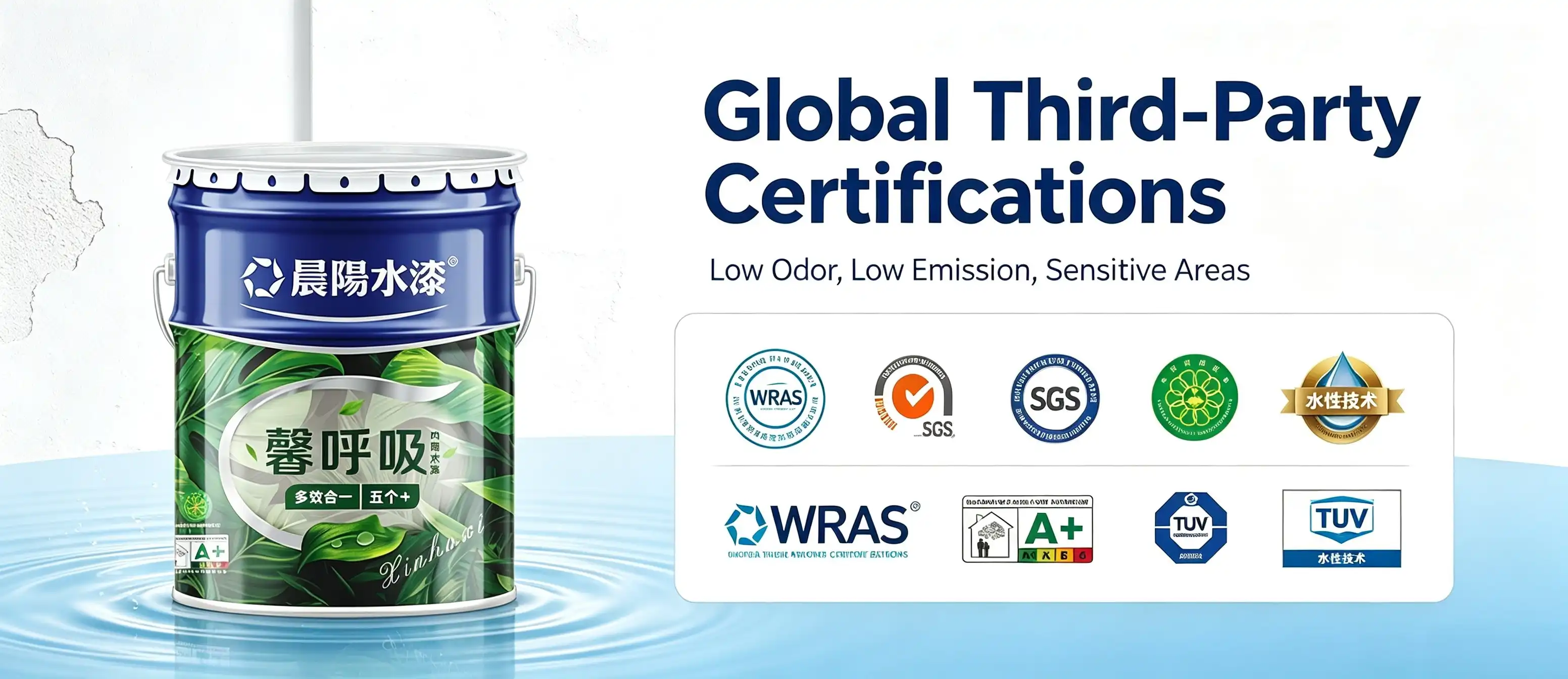
Zero VOC paints use special color dispersions and chemicals that keep their emissions very low for the whole time they are used. Following CDPH Standard Method V1.2 makes sure that after 14 days, total VOC emissions stay below 0.5 mg/m³, which is a key level for LEED approval and Green Building Council standards. The Xin Huxi Multi-functional Five-in-One Plus from Chenyang Water Paint is an example of this new technology. It has a very low VOC content and doesn't have any smell, as confirmed by Chinese national environmental protection product standards.
Comparing Emission Profiles Across Paint Categories
Traditional solvent-based paints give off 150 to 250 grams of VOCs per liter, which create strong smells and need 72 hours of air before they can be lived in. Low VOC options cut down on pollution to 50 grams per liter, but they still need longer to cure. These worries go away with zero-VOC water-based paints, which dry on the surface in 30 minutes and harden in 60 minutes at room temperature. With such a quick turn-around, facility repair teams can finish jobs outside of normal business hours, without moving people or stopping activities.
Measurable Improvements in Healthcare and Educational Settings
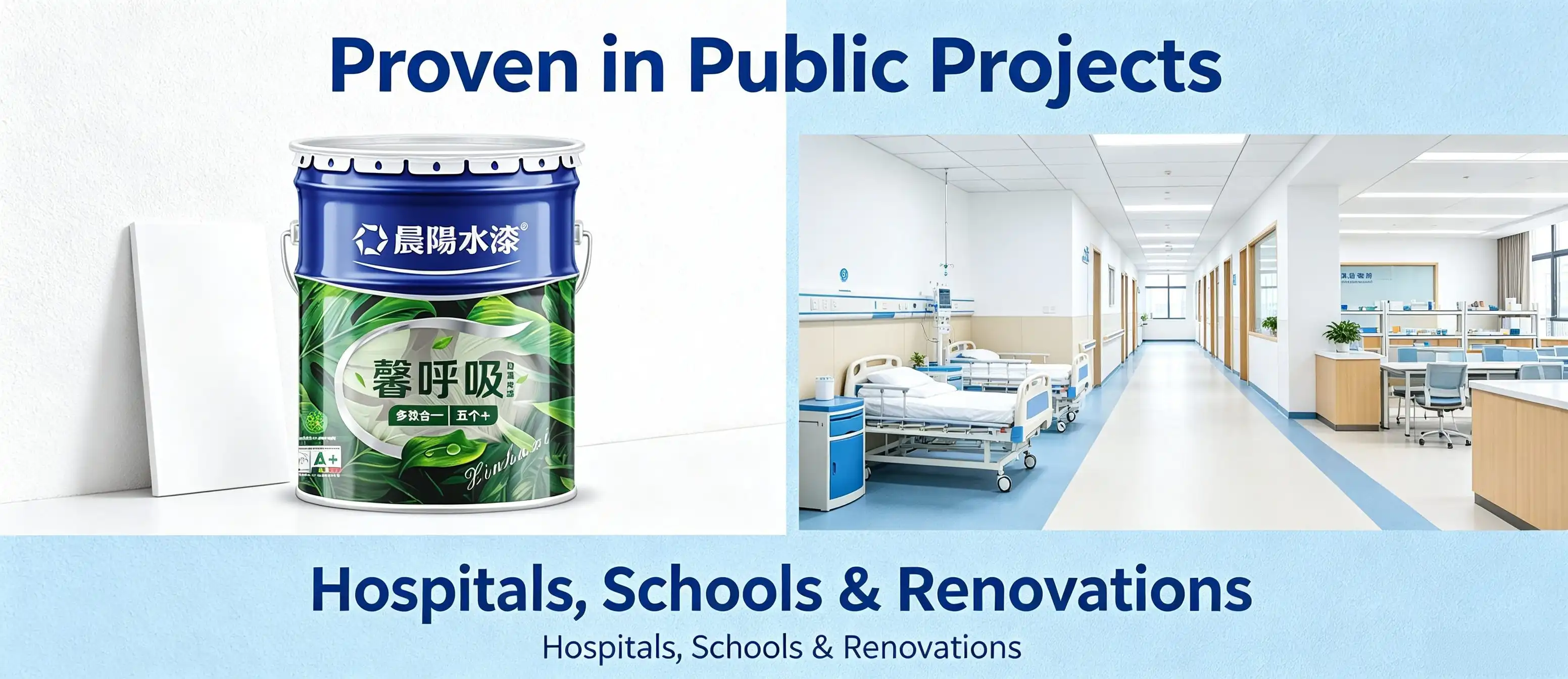
In the Midwest, a regional hospital system switched from using regular paints to using zero-VOC paints in all of the patient rooms and places where surgery was being prepared. Monitoring the air quality after the installation showed that the levels of all volatile organic compounds were 92% lower than they were at the start. The nursing staff said that headaches and sickness caused by paint were no longer a problem, and the maintenance teams liked being able to clean surfaces without having to evacuate wings.
An elementary school district with 8,000 kids used zero VOC paints to fix up their classrooms. Independent environmental experts checked the indoor air quality and found that VOC levels were below the levels needed to be detected within four hours of application. Teachers noticed that there were no longer any chemical smells that would make sensitive students with asthma act out. These real-life results show that non-toxic, no-VOC paint formulations live up to their claims about improving air quality and meeting the lasting needs of high-traffic educational settings.
Choosing the Best Non-Toxic, No-VOC Paint: Factors B2B Buyers Should Consider
Performance Indicators That Influence Total Cost of Ownership
Buying choices involve more than just the price per unit. They also include things like durability, covering efficiency, and how often to do upkeep. According to ASTM D2486 standards, zero-VOC paints must have scrub strength greater than 1,000 cycles in order to stand up to professional cleaning procedures. Chenyang's Xin Huxi line is very easy to clean because it forms a dense, tough film. This means that high-traffic areas and public places don't need to be painted as often. Coverage rates of 8 to 10 square meters per kilogram make good use of the material, which lowers project costs compared to lower-quality options that need more than one coat.
Essential Eco-Certifications for Corporate Sustainability
The Green Seal GS-11 approval makes sure that strict VOC limits are met and that carcinogens, reproductive toxins, and dangerous colors are not used. To get LEED certification, a project must show proof that it has been tested for emissions using the CDPH Standard Method V1.2. This method checks for formaldehyde, total volatile organic compounds, and individual VOC species. Chenyang Water Paint has EU SGS certification, German TÜV approval, UK WRAS standards compliance, and US FDA food-contact grade certification for luxury lines. This gives procurement teams a lot of third-party proof that the non-toxic, no-VOC paint is safe to use on foreign projects.
Evaluating Supplier Reliability and Bulk Availability
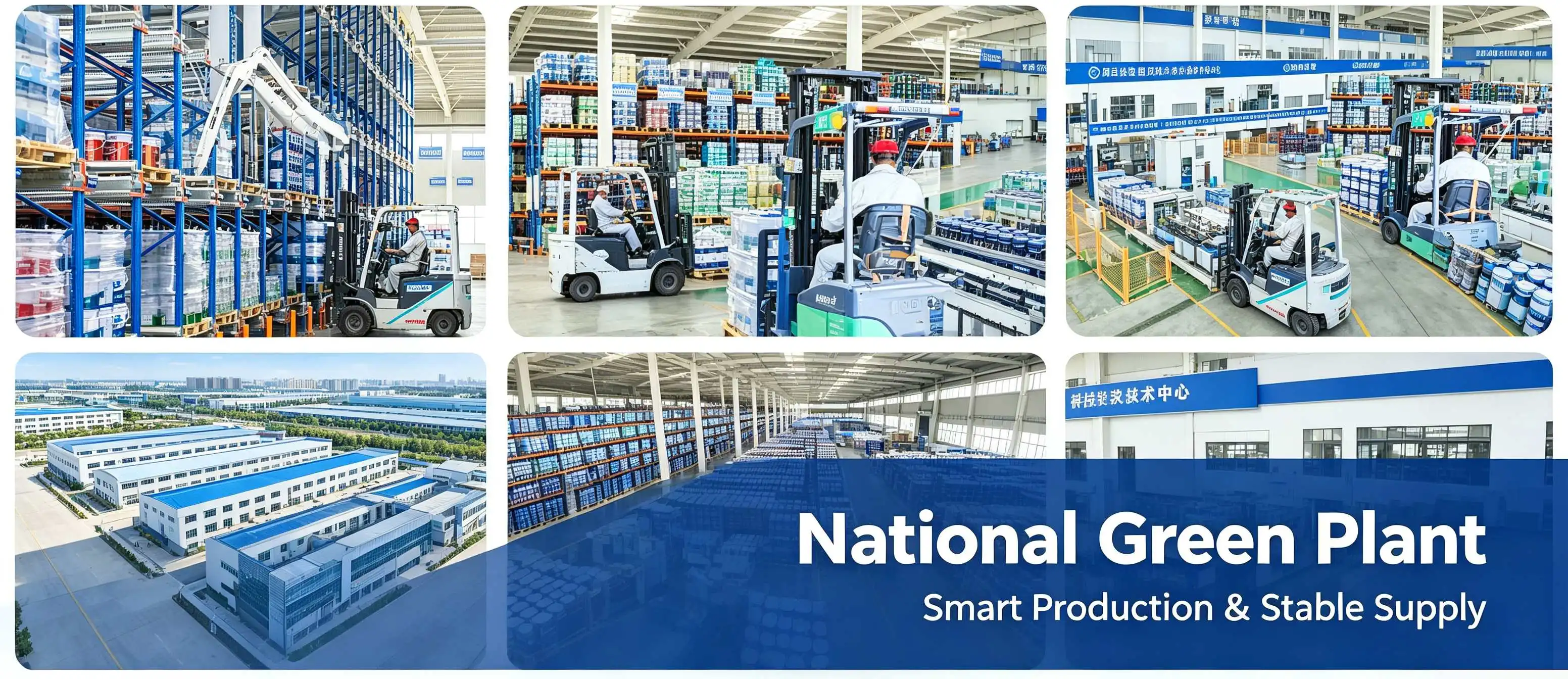
When choosing paint providers, procurement managers need to look at how much they can make, how consistently they can deliver, and how well they can help with technical issues. Chenyang runs a national-level, highly automated green plant that makes more than a million tons of goods every year, making sure there is a steady supply during busy building seasons. Standard production rounds of 7–10 days make it possible to quickly fill orders, and the smallest order quantity of just one bucket (20–25 kg) can be used for both large-scale projects and trial tests.
Full technical paperwork, like TDS, MSDS, and transportation condition certificates in English, makes it easier for foreign packages to get through customs. When compared to solvent-based options that need to be handled with care, water-based formulations that are considered non-hazardous materials make exporting easier and save money on transportation costs. Chenyang's OEM/ODM services are very flexible, and they offer private labeling, custom color matching, and package options that work with dealer branding strategies and the needs of regional markets.
Best Practices for Using Zero VOC Paint to Maximize Indoor Air Quality Benefits
Surface Preparation and Environmental Conditions
Water-based zero-VOC paints stick better and work better if the material is properly prepared. Before the film is applied, the wall surfaces must have a pH value below 10 and a wetness level below 10%. This will keep the film from getting damaged and failing too soon. Cleaning gets rid of dust, grease, and other loose particles that make bonding less effective. Fixing cracks and other flaws makes the base even. When renovating, these steps become even more important because the things that are already there may still have contaminants on them.
For the best film development, application settings should keep the temperature between 5°C and 35°C and the relative humidity below 85%. Chenyang's Xin Huxi recipe works well in normal climate-controlled rooms like those in businesses and schools. For big projects, high-pressure airless spray tools give better coverage, while rollers and brushes work better for smaller jobs. Dilution ratios of no more than 20% for roller application and no more than 10% for sprays keep the non-toxic, no-VOC paint structure and emission profiles.
Maintenance Strategies for Sustained Air Quality
Recoat periods of at least two hours allow multiple coats to be applied during the same work shift, which speeds up project timelines while still meeting air quality standards. The thick, washable film can be cleaned regularly with light cleansers, keeping its look without releasing any extra chemicals. Setting up regular inspections is a good way for facility managers to find high-wear areas that need touch-ups before they get so bad that they need to be completely repainted. This will help them save money on maintenance and keep tenants as calm as possible.
Choosing zero-VOC paint as part of complete indoor air quality management plans makes the health benefits even greater. Coordination of coating projects with HVAC care, controlling humidity, and stopping the sources of other pollutants leads to changes that work better together. Staff training on the right way to use non-toxic materials and their health benefits strengthens an organization's dedication to protecting the health of its residents and the environment.

Procurement and Supply Chain Tips for B2B Clients
Securing Bulk Quantities Through Strategic Partnerships
Direct ties with makers like Chenyang Water Paint save money compared to distributor markups and protect the quality of the product while giving you access to technical support. Multi-facility organizations can lock in good prices by negotiating annual supply agreements. Flexible minimum order numbers allow implementation to happen in stages across building portfolios. Sample testing programs lower the risk of buying things by making sure that products work well in certain situations before big purchases are made.
Online business-to-business (B2B) platforms make it easier to compare prices and check out suppliers. However, before making a final choice, buying teams should confirm licenses and ask for third-party test reports. Looking at references from suppliers who have worked on similar business or educational projects can help you figure out how reliable their delivery is and how quickly they can help with technical issues during implementation.
Logistics Considerations for Large-Scale Projects
Coordinating supply schedules with building timelines keeps materials from breaking down after being stored for too long and makes sure there is enough inventory for times when they are used the most. To keep the recipe stable, zero-VOC paints need to be kept at 5–35°C in sealed cases in cool, dry places. Chenyang's freight-prepaid terms and well-established transportation networks make it easy to get goods to project sites across North America, which makes buying administration easier.
Water-based formulas let you clean tools right away with water instead of chemical solvents, which makes managing waste on-site easier and lowers the cost of dumping. This operational edge is important for big projects with lots of crews and long schedules, where safety and productivity are affected by machine upkeep.
Evaluating Total Cost of Ownership and ROI
Adopting non-toxic, no-VOC paint has big benefits that aren't always measured, like higher output due to better health. Studies from the Harvard T.H. Chan School of Public Health show that better indoor air quality raises scores for brain function by 61% and lowers signs of sick building syndrome by up to 58%. These results mean less absence, happier employees, and better company performance, all of which support charging more for better coatings.
Facility owners and managers who choose sustainable materials with resident health in mind will see a boost in their brand image. Promoting green building certifications and air quality promises through marketing materials draws clients and tenants who care about the environment, which supports higher rent prices and helps businesses stand out from the competition. Long-term risk is lower when there is warranty coverage and technical support from the provider. This is especially true when makers offer application training and troubleshooting help that protects the quality of the installation.
Conclusion
Non-toxic, no-VOC paint technology has been used successfully in the past to help procurement workers protect indoor air quality while still meeting performance and cost goals. Using modern water-based formulations to get rid of dangerous emissions lets people move in right away, lowers health risks, and supports the company's green goals. Chenyang Water Paint has been doing research and development for 28 years and has a lot of foreign certifications and the ability to make a lot of paint. This makes us a trusted partner for B2B clients in the healthcare, education, commercial, and institutional sectors. A thorough analysis of performance traits, seller records, and the total cost of ownership gives you the information you need to make smart choices that improve the health of occupants and the efficiency of operations.
FAQ
Is zero-VOC paint truly safe for hospitals and nurseries?
Premium non-toxic, no-VOC paint versions that meet CDPH Standard Method V1.2 and have certifications like French A+ and Chinese National Environmental Protection Product approval are made to help people who are sensitive to them. These coats get rid of harmful air pollutants, heavy metals, and dangerous biocides. This makes them perfect for places like schools, childcare centers, and hospitals where vulnerable people spend a lot of time. Testing by a third party makes sure that emission profiles are below the detection limits. This gives buying teams proof-based confidence for high-stakes situations.
How does pricing compare to traditional paint?
Unit prices for zero-VOC paint may be 15–25% higher than those for conventional paints, but a study of the total cost of ownership shows big savings. Getting rid of exclusion periods lowers the costs of operating disruption, better durability lowers the number of times the paint needs to be redone, and health-related productivity gains cancel out the original prices. When you buy in bulk from a direct manufacturer like Chenyang, you can get better prices and make sure the supply chain is reliable. You can also get professional help to make sure the project succeeds.
What performance can I expect in high-humidity areas?
Chenyang's Xin Huxi Multi-functional Five-in-One Plus is waterproof and breathable to the highest standards, making it perfect for places that get a lot of wetness. The vapor-permeable film keeps water from getting trapped, and the antibacterial and mold-resistant qualities keep the surface in bathrooms, kitchens, and laundry rooms in good shape. This unique mixture solves the problems that come up in damp places without lowering the quality of the air or needing dangerous fungicides.
Partner with a trusted non-toxic, no-VOC paint supplier.
Chenyang Water Paint wants procurement managers, buying directors, and project engineers to look at our wide range of water-based coatings that are approved to be safe for the environment. The Chinese National Environmental Protection Product approval and extremely low VOC content of our Xin Huxi Multi-functional Five-in-One Plus line show that they improve indoor air quality in a way that can be measured. We can solve your air quality problems better than anyone else because we have over 1,000 patents, are involved in more than 100 industry standards, and have done great work on famous projects like Tiananmen Square and the Bird's Nest Stadium. Email our technical team at sales@chenyangpaint.com to get full TDS paperwork, sample products for testing on your specific project, and bulk prices that are tailored to your next green building project. We keep a ready stockpile, and our production cycles are 7–10 days. We also offer freight-prepaid terms, which make it easier to buy things for projects that need to be done quickly and need to work with a reliable non-toxic, no-VOC paint supplier.
References
1. Environmental Protection Agency. "Volatile Organic Compounds' Impact on Indoor Air Quality." Office of Air and Radiation, Indoor Environments Division, 2021.
2. Allen, Joseph G., et al. "Associations of Cognitive Function Scores with Carbon Dioxide, Ventilation, and Volatile Organic Compound Exposures in Office Workers." Environmental Health Perspectives, Harvard T.H. Chan School of Public Health, 2016.
3. California Department of Public Health. "Standard Method for the Testing and Evaluation of Volatile Organic Chemical Emissions from Indoor Sources Using Environmental Chambers, Version 1.2." Environmental Health Investigations Branch, 2017.
4. ASTM International. "ASTM D2486: Standard Test Methods for Scrub Resistance of Wall Paints." Annual Book of ASTM Standards, Volume 06.01, 2020.
5. U.S. Green Building Council. "LEED v4.1 Building Design and Construction: Indoor Environmental Quality Credit Requirements." LEED Rating System Documentation, 2019.
6. World Health Organization. "WHO Guidelines for Indoor Air Quality: Selected Pollutants." "Regional Office for Europe, Indoor Air Pollutants Exposure and Health Effects Assessment, 2010.
Send Inquiry
You may like