How to Choose Anti-Fungal Paint for Damp Walls in Tropical Climates
Choosing the right anti-fungal paint for tropics starts with understanding your climate's specific demands. Tropical walls face relentless humidity above 80% RH, seasonal downpours, and UV intensity that conventional coatings simply cannot endure. The right product must combine breathable film technology, sustained biocidal activity, and proven weather resistance. Water-based exterior coatings that meet verified environmental standards—such as GB 24408-2009—deliver both mold inhibition and low VOC safety. Matching your substrate type, building use, and local certification requirements to a rigorously tested formulation is the clearest path to walls that stay clean, intact, and complaint-free for years.
Understanding the Challenge of Damp Walls in Tropical Climates
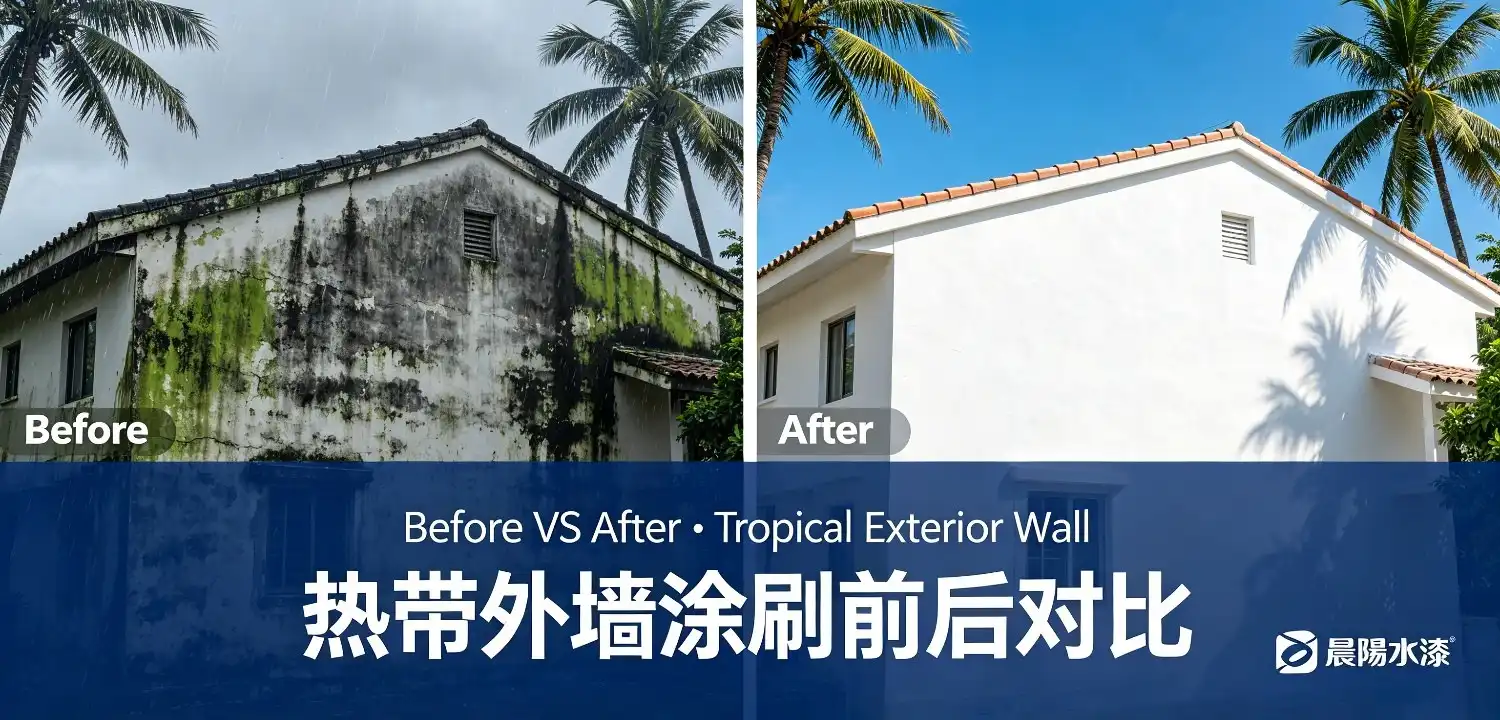
The constant cycle of moisture, heat, and biological stress on exterior walls in tropical areas is very annoying. It rains more than 2,000 mm a year, and the relative humidity rarely drops below 75%. This means that the walls are always damp, which is perfect for growing Aspergillus, Penicillium, and green algae. The World Health Organization's rules on damp and mold in buildings from 2009 say that dampness affects between 10 and 50 percent of indoor spaces around the world, with tropical areas constantly having the most dampness.
Why Conventional Paints Fail in Humid Climates
Standard acrylic or solvent-based paints for the outside don't have the microporous structure needed to let wetness out of the material. Within 12 to 18 months, blistering, peeling, and base separation happen when air pressure builds up under a surface that can't let water through. Fungal hyphae get into tiny cracks and break down the binder with enzymes, which speeds up the darkening and wears away at the structure's surface. Builders and distributors in Southeast Asia, Sub-Saharan Africa, and coastal Latin America say that regular exterior coatings need to be repainted every one to two seasons, which is expensive and makes anti-fungal paint for tropics a great option.
Core Criteria for Selecting Anti-Fungal Paint in Tropical Environments
Not all paint that says it's "mold-resistant" works the same way in humid, constant conditions. Label claims alone shouldn't be used to make decisions about what to buy; they should be based on specific technical standards.
Here are the most important performance requirements that every tropical outer finish must meet:
- Vapor permeability (breathability): A film that breathes lets moisture from the substrate escape, which stops the buildup of hydrostatic pressure that causes delamination. Check that the materials you buy have a water vapor transfer rate (WVTR) that has been approved by ISO 7783.
- Sustained biocidal activity: Zinc Pyrithione (ZPT) and other active ingredients should be sealed up for controlled release so that they stay effective even when it rains a lot, instead of washing away after the first rainy season.
- UV and thermal stability: Strong sunlight at the equator quickly breaks down pigment binders. Coatings that contain UV protectors keep the color and structure of the film even when the sun is very bright.
- Verified low VOC content: Low-VOC formulas protect human health and support green building compliance, which is especially important for schools, hospitals, and residential buildings.
These standards tell the difference between exterior wall coatings that really last and ones that just pass the lab tests but break down quickly in the real world. Water-based formulas are the best in all four dimensions, which is why they are the most popular choice for high-performance tropical coatings around the world.
Water-Based vs. Oil-Based Formulations
Water-based coatings dry through evaporation of the water instead of solvent oxidation. This leaves a flexible film that can handle the changes in temperature that happen a lot in tropical masonry. Even though oil-based paints have been used for a long time, they give off a lot of volatile organic compounds, need special paperwork to be shipped, and break down when exposed to UV light for a long time. When it comes to B2B buyers who have to keep track of shipping costs and customs rules, water-based products that are labeled as non-hazardous materials make freight a lot easier. There is no need to handle Class 3 flammable materials or get dangerous goods certificates, and port clearance is much faster. These advantages are especially relevant when sourcing anti-fungal paint for tropics, where both performance and logistics efficiency matter.
Step-by-Step How to Choose the Right Anti-Fungal Paint for Tropical Damp Walls
A organized method to buying lowers risk and safeguards the company's image for long-term resale. A reliable covering partner can be told apart from an unreliable one by the way they handle each step.
Step 1 — Define your substrate and humidity profile. Coatings stick to concrete, cement mortar, brick, and stone in different ways. At the time of coating, the substrate must have less than 10% wetness and a pH level below 10. When specifications don't match, adhesion fails, no matter how good the paint is.
Step 2 — Request verifiable aging and fungal resistance data. To get suppliers' ASTM D3273 (resistance to mold growth) or similar tropical box test results, you should ask for them. Real-world UV longevity can be predicted by accelerated QUV aging data. Along with English-language TDS and MSDS documents, any reputable manufacturer should give these.
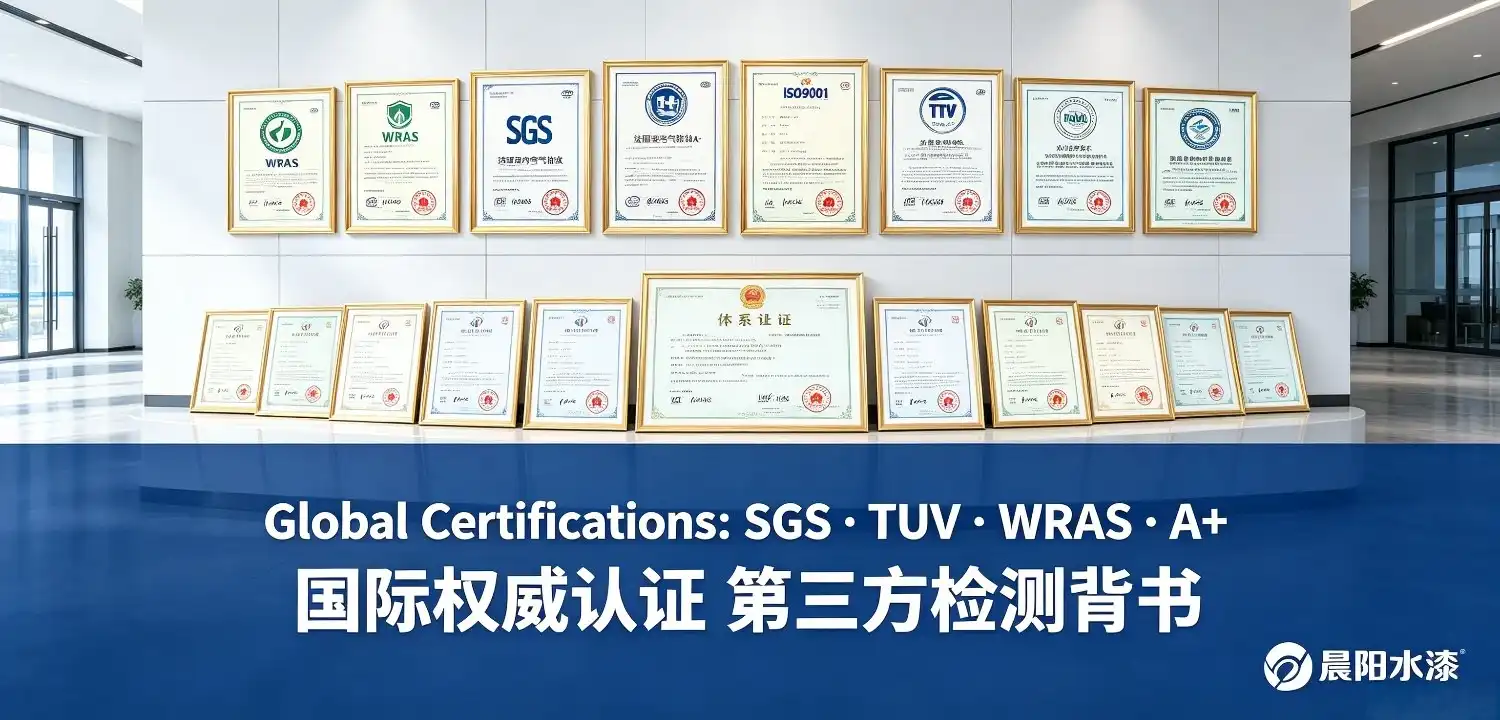
Step 3 — Verify certifications against your target market requirements. Indonesian SNI, Middle East SASO, and EU SGS all have their own ways of making sure that rules are followed. Before you place a trial order, make sure you know what documents the port of arrival needs. Chenyang Water Paint has certifications from the EU SGS, Germany TÜV, and the UK WRAS. Product paperwork is available in English to help with foreign customs processing.
Step 4 — Evaluate OEM and private-label capability. Full OEM services, such as custom packing, local language labeling, and color matching, are most helpful for distributors who are building their own brand value. When compared to reselling well-known international brands, this model has much higher profit margins.
Step 5 — Arrange a sample trial before committing to a full container. A one- to two-month field test on local substrates in real weather conditions gives performance data that can't be replaced. Suppliers who are sure of the quality of their goods often give away free samples for this reason.

Application Best Practices for Anti-Fungal Paint in Tropical Climates
Surface Preparation Is Non-Negotiable
Before a coating is put on, any mold colonies that are already there must be killed with a biocidal wash. Painting over live germs traps biological material under the film, making sure that the problem will happen again in a few months. Surfaces should be left to dry until they have less than 10% wet content after being sterilized. To make sure the base sticks well, any efflorescence, loose render, or flaking paint must be manually removed.
Application Techniques for Humid Conditions
Apply between 5°C and 35°C and below 85% relative humidity as often as your schedule allows. At 25–30°C, Chenyang's Economic Engineering Exterior Wall Water-based Paint, an anti-fungal paint for tropics, takes 30 minutes to dry on the surface and 60 minutes to dry completely. It should be painted again after at least two hours. You can apply it with a roller, a brush, or a high-pressure airless spray; for roller or brush, the mixture should not be more than 20%, and for airless spray, it should not be more than 10%. It takes two full coats to get the best coverage and biocidal film thickness.
Market Overview: Top Anti-Fungal Paint Solutions for Tropical Regions
There are foreign names that make exterior coatings in tropical areas, regional makers, and specialized importers that serve this market. International names are well known, but they cost more, which cuts into the profit of distributors. The consistency and licensing paperwork of regional producers are very different. Specialist suppliers from well-known factories offer a good compromise: factory-direct prices, checked certifications, and OEM flexibility that well-known brands can't match.
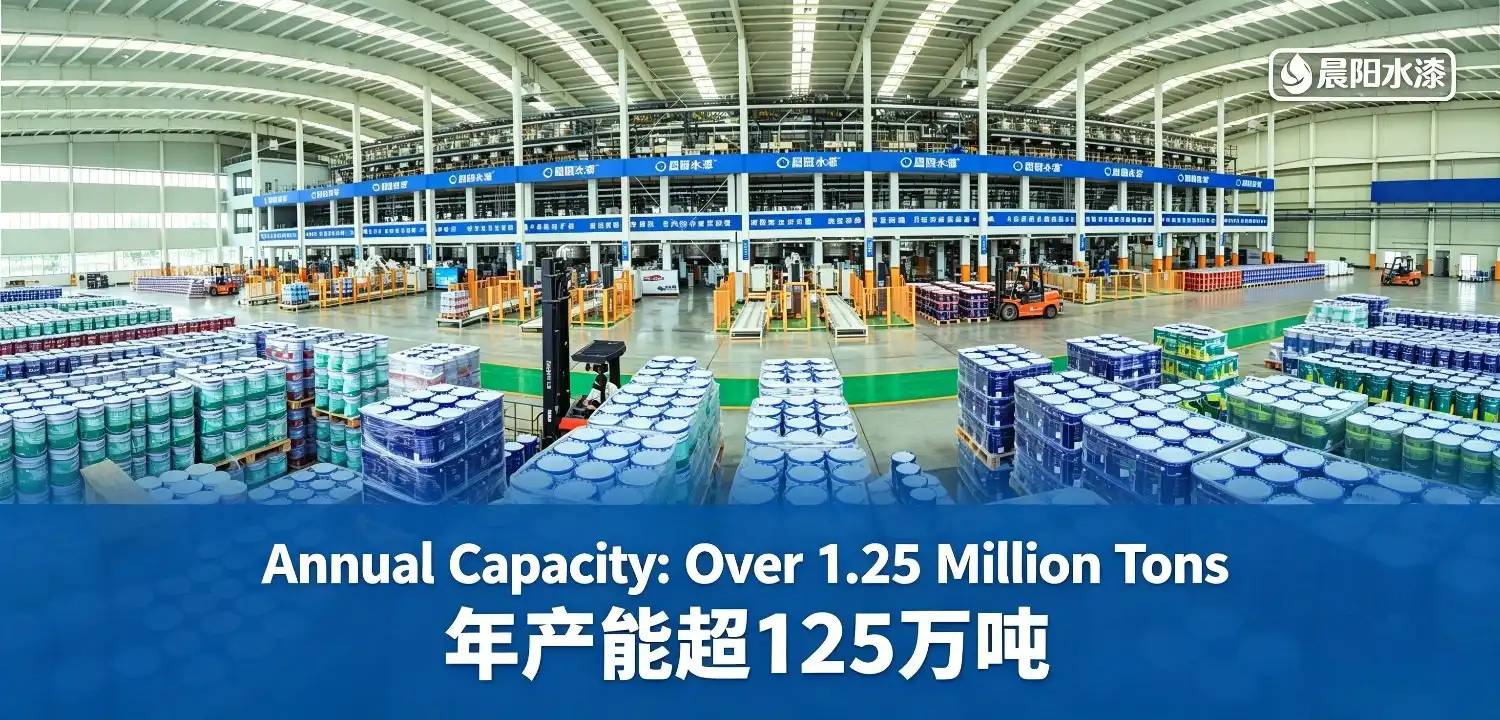
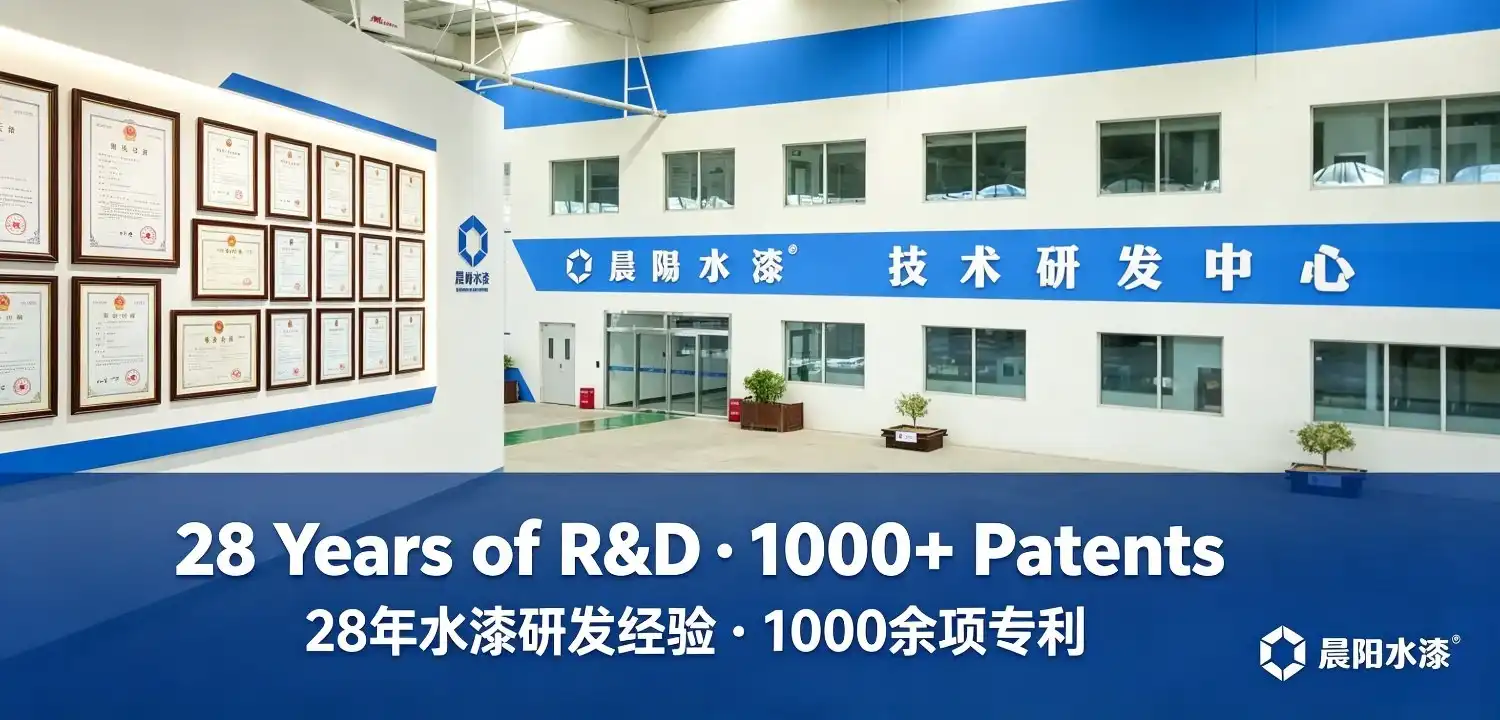
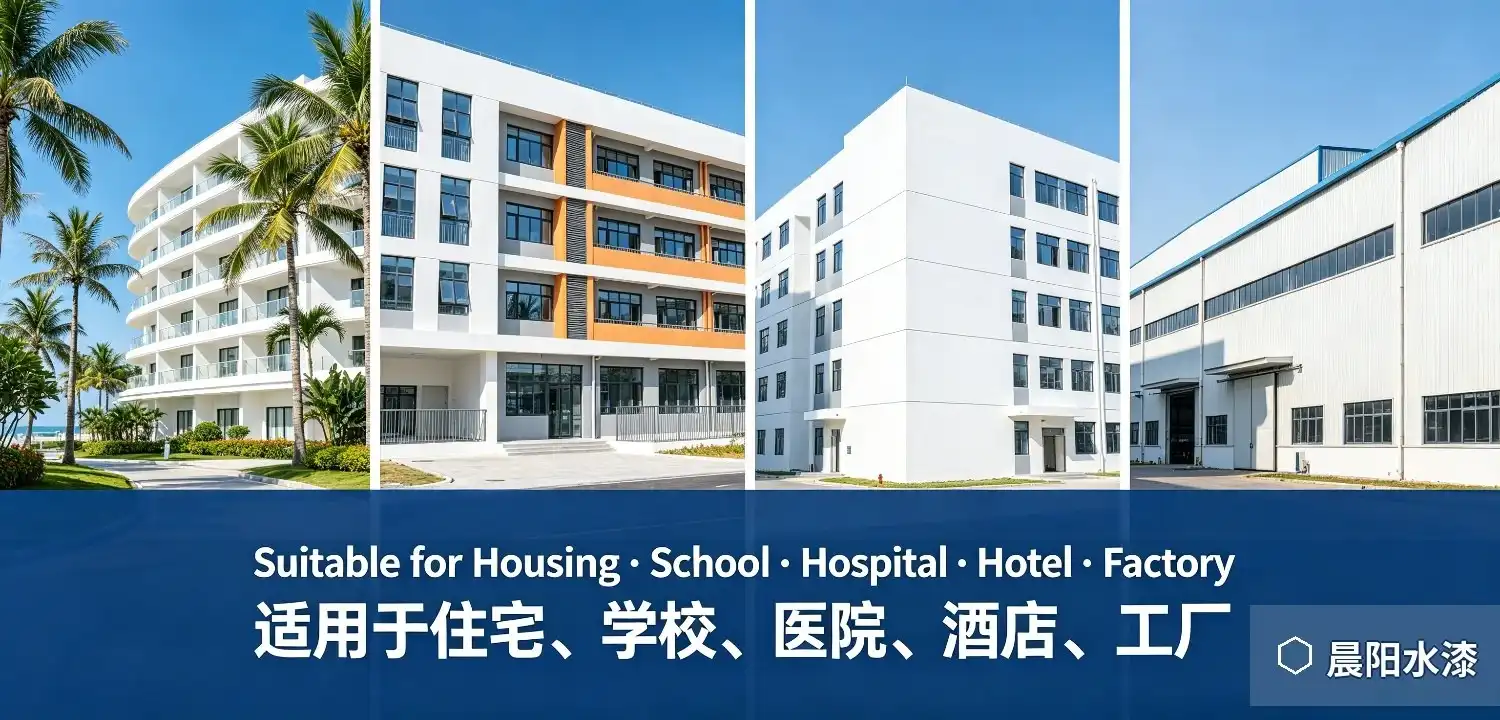
This high-value spot is held by Chenyang Water Paint's Economic Engineering Exterior Wall Water-based Paint. Chenyang has been developing water-based coatings for 28 years, is a part of more than 100 national industry standards, and can produce more than 1.25 million tons of coatings every year. This means that they can keep up with demand, even during peak times. Usually, it takes 7–10 days to make something. The mixture meets the standards set by GB 24408-2009 for dangerous substances, has been approved by EU SGS and German TÜV, and ships as a non-hazardous material, which lowers the landed cost by a large amount compared to oil-based alternatives. Each 25 kg bucket is enough for commercial-sized projects, and colors can be changed starting with a white base.
Conclusion
If you want to choose a lasting anti-fungal paint for tropics outdoor walls, you need to make sure that it works well in those conditions. The standards that can't be lowered are approved low-VOC content, biocidal action that lasts, UV stability, and the ability to breathe. Water-based formulations that meet internationally recognized standards regularly work better than traditional options in places with a lot of humidity. They also make handling easier and lower the health risks for people who live or work there. For B2B distributors trying to build long-term market positions, supplier credibility—shown through old data, English documentation, and real factory capacity—is just as important. Investing in a coating that is properly chosen and applied gets rid of the ongoing upkeep costs that make the tropical building and remodeling markets less profitable.
FAQ
1. Does anti-fungal paint permanently stop mold growth?
In normal conditions, high-quality tropical formulations stop fungi from growing for 5–7 years, but this depends on the quality of the biocide encapsulation and the amount of rain exposure. No covering can protect against damage forever if the surface isn't properly prepared and checked on a regular basis.
2. Can I apply mold-resistant exterior paint over existing mold?
No, painting over live mold traps spores under the film and makes sure that the mold will come back soon. Before applying, the surface should always be cleaned with a biocidal wash that meets accepted hygiene standards.
3. What certifications should I look for when importing exterior coatings?
Put EU SGS, German TÜV, and approvals specific to the destination market at the top of the list. In most tropical trade markets, you need TDS and MSDS papers written in English in order to clear the port and register a project.
4. Why choose water-based over oil-based for tropical exteriors?
Water-based coatings are good for humid, high-UV tropical environments because they let air flow, are low in volatile organic compounds (VOCs), are safe for shipping, and stay flexible over time.
5. What is the minimum order for a trial shipment?
Chenyang Water Paint's Economic Engineering Exterior Wall Water-based Paint can be ordered in numbers as low as one 25 kg bucket. This makes it easy to test samples before committing to full container loads.
Partner with Chen Yang Water Paint — Reliable Anti-Fungal Paint for Tropics Supplier
Chen Yang Water Paint has been using water-based paints for 28 years and offers factory-direct prices, full OEM/ODM capabilities, and formulations that are internationally certified and made to work in tropical climates. We provide free samples, English paperwork, and flexible container supply as a verified producer of anti-fungal paint for tropics serving wholesalers in Southeast Asia, Africa, and beyond. To get a quote that fits your needs, email our team at sales@chenyangpaint.com or visit chenyangpaint.com.
References
1. World Health Organization. WHO Guidelines for Indoor Air Quality: Dampness and Mould. WHO Press, 2009.
2. American Society for Testing and Materials. ASTM D3273: Standard Test Method for Resistance to Growth of Mold on the Surface of Interior Coatings in an Environmental Chamber. ASTM International, 2022.
3. American Society for Testing and Materials. ASTM D5590: Standard Test Method for Determining the Resistance of Paint Films and Related Coatings to Fungal Defacement. ASTM International, 2017.
4. Johansson, P., Svensson, T., & Arfvidsson, J. "Moisture conditions and mould growth risk in moisture-damaged building envelopes." Building and Environment, 2013.
5. Leissner, J., Kilian, R., Kotova, L., et al. "Climate change and cultural heritage: a review of the evidence." Geoscience Communications, 2021.
6. Gaylarde, C. C., Ribas Silva, M., & Warscheid, T. "Microbial impact on building materials: an overview." Materials and Structures, 2003.
Send Inquiry
You may like