How to Choose the Best Water-Based Architectural Paint for Your Project
Choosing the right water-based architectural paint can make or break a commercial or residential project. Whether you are a procurement manager sourcing coatings for a large-scale build or a contractor managing tight timelines, the decision involves more than picking a color. You need to evaluate environmental compliance, performance durability, supplier reliability, and total cost of ownership. This guide walks you through every critical step so you can confidently select a coating solution that meets your technical requirements, budget, and sustainability commitments.
Understanding Water-Based Architectural Paint: Key Features and Benefits
These days, water-based architectural paint methods are used a lot more for building coatings, and for good reason. This type of coating doesn't use chemical liquids as its main carrier, which takes away a lot of the risks that come with solvent-borne coats. Acrylic, vinyl-acetate, or polyurethane dispersions are used most of the time in these mixes because they are safer and last longer without losing function.
Why Professionals Prefer Water-Based Coatings
They're very helpful in real life. There are a lot less VOCs released by water-based coatings than by oil-based paints. This makes the indoor air quality (IAQ) better right away and after it's been applied. The levels inside are two to five times higher than the levels outside, according to the EPA. One big reason for this is VOCs from paints used inside. Finishes with low emissions make that risk a lot smaller. Additionally, these items dry faster, clean up with water instead of chemicals, and are good for your health. They also work well on drywall, bricks, concrete, wood, and other surfaces. They let air pass through, which also keeps water from getting stuck in brick walls. This keeps the building from peeling and sustaining long-term damage.
Critical Factors When Choosing Water-Based Architectural Paint for Your Project
There are different kinds of water-based architectural paint. So that they can choose the best product, buying teams should look at a set of performance and safety standards that can't be changed.
The following things are usually the first things that experienced sourcing heads look at:
- Hiding power and contrast ratio: ASTM D2805 says that strong visibility cuts down on the number of coats that need to be applied. This directly affects the costs of materials and labor. Items with a theoretical spread rate of 11–12 ㎡/L per coat speed up and improve the work that is done on large projects.
- Scrub and wipe resistance: Business areas with a lot of foot traffic need coatings that can handle being cleaned over and over again. Find items that have been tested against ISO 11998 Class 1 or national equivalents to make sure they can handle being scrubbed with water.
- VOC compliance and eco-certification: Follow any relevant laws, like LEED v4 or REACH, and make sure that the VOC content meets their requirements. Real "no-addition" goods, which don't add benzene, formaldehyde, or APEO chemically, give you even more peace of mind about their safety.
- Mold and moisture resistance: For wet places or places inside that tend to get cold, pick surfaces that meet well-known anti-mold standards like GB/T 1741-2020. These standards set measurable goals for how well mold inhibitors work.
These things aren't just things that need to be checked off. They really know how to handle financial risk. A high-performance coating that fails too soon costs a lot more to fix than the extra money that was paid for it in the first place.
How to Match the Right Water-Based Paint to Your Project Needs
Interior vs. Exterior Applications
For interior walls in homes, schools, and healthcare facilities, it's important that they have low smells, kill germs quickly, and can be used again quickly. For concrete surfaces, the outside walls must be able to withstand alkali, UV light, and being able to bend to fill in cracks caused by temperature changes. Different needs can be met by special formulas, such as enamels that don't rust metal and acrylics that don't grow mold in bathrooms.
Matching Paint to Substrate and Climate
Temperature and humidity during application change the way sheets form in a direct way. Most good coatings need to be used when it's between 5°C and 35°C outside and the humidity is less than 85%. It could mud-crack, stick poorly, or not fully combine if you use it outside of these limits. Check the freeze-thaw stability (ASTM D2243) of the product every time you work on a project in a wet area to make sure the emulsion doesn't break down during cold chain logistics.
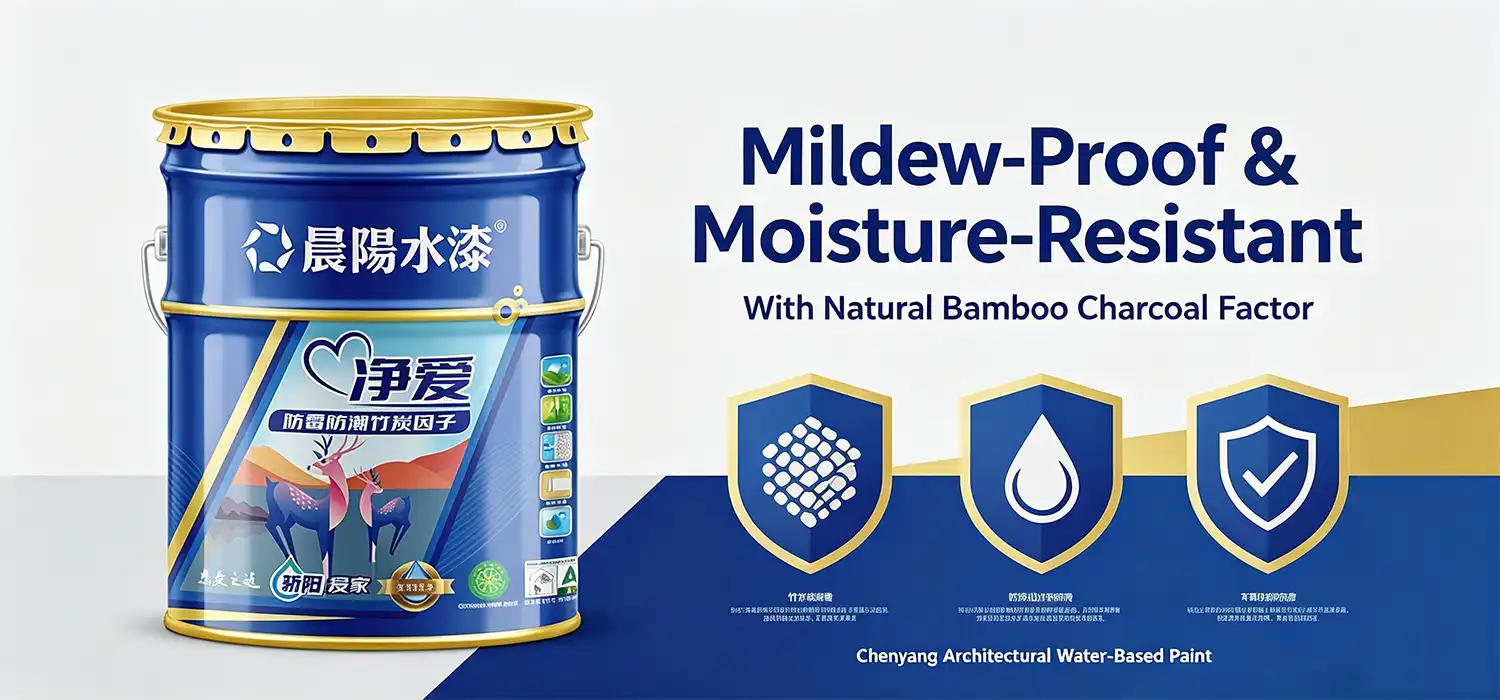
You should really think about using Chen Yang Water Paint's "Proud Sun Pure Love" paint on indoor walls where air quality is an issue, like in schools, senior living facilities, or eco-friendly business buildings. This wall covering for the inside has bamboo charcoal in it that actively pulls pollutants out of the air. This makes it better than regular paint at cleanup. The smell-free mix makes sure that the work area stays nice from the first coat to handover. It doesn't have any benzene, formaldehyde, or APEO added to it.
Comparing Leading Water-Based Architectural Paint Brands and Suppliers
When deciding who to buy from, procurement workers need to look at more than just product datasheets when sourcing water-based architectural paint. What makes a buying relationship work well in tough business conditions? The skills of the seller, the number of certifications they have, the amount of goods they make, and how simple it is for them to sell.
What to Look for in a Certified Supplier
A reputable manufacturer should also have third-party licenses that are known worldwide in addition to domestic safety marks. Other companies must meet EU SGS tests, German TÜV certification, UK WRAS norms, and US FDA food-contact grade approval if they want to sell to developed markets. The product has been approved by regulatory bodies in Europe, North America, and the UK to make sure it meets their high standards.
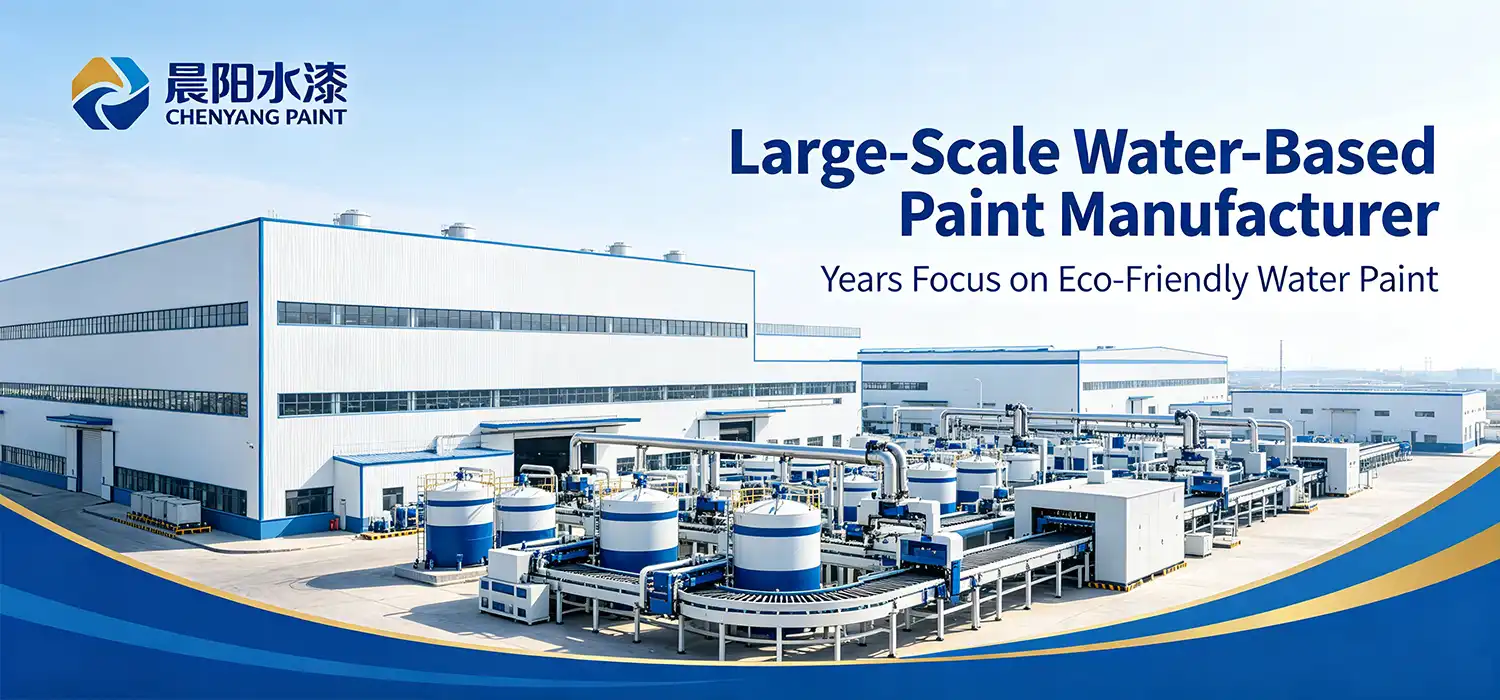
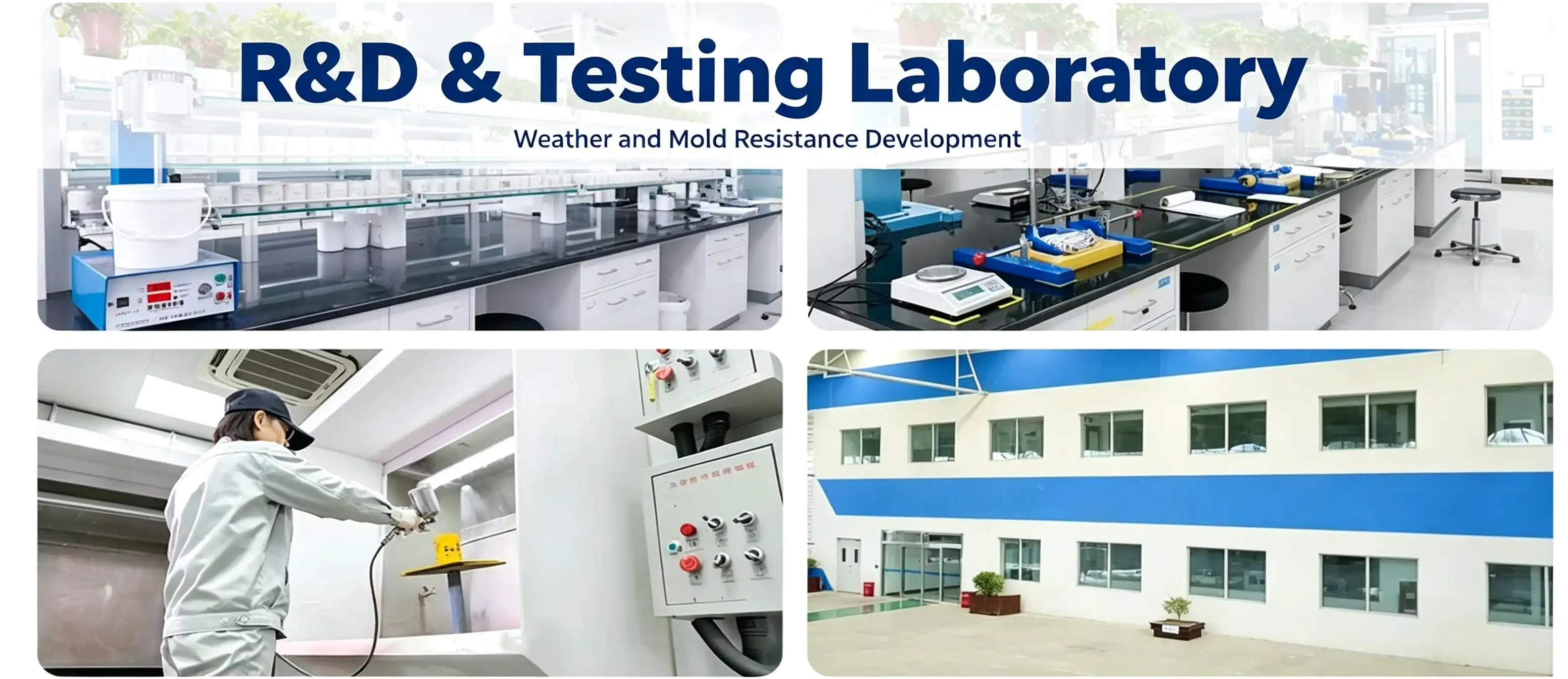
Chen Yang Water Paint has made a name for itself by researching, developing, and making water-based coatings for the past 28 years. With more than 1,000 patents, work on more than 100 industry standards, and participation in China's National 863 Program, the company has a lot of scientific authority. Its goods have been used on well-known building projects like the Bird's Nest Stadium and Tiananmen Square. When coatings fail in these technical settings, it can have a big impact on the project's image and structure.
It is much easier to fill out forms for exports when the paints are labeled as non-hazardous. Getting dangerous goods through customs doesn't have to be as hard or expensive as some people think. All you need are standard MSDS and transport condition appraisal papers. It means shorter wait times and lower total landing costs for procurement managers who are in charge of supply lines that go across borders.

Step-by-Step Guide on How to Apply Water-Based Architectural Paint for Optimal Results
Surface Preparation and Application Protocol
Prepare the surface properly first. Clean the base to get rid of dust, grease, and loose material; fix any cracks or holes; and use the right primer to help the glue stick better. After painting something with oil-based paint, you should degloss it and then use a water-based bonding agent to close the surface energy gap.
Proud Sun Pure Love can be put on with a roller, a brush, or a high-pressure airless spray. 20% water is best for roller or brush application, and 10% water is best for airless spray. It takes 30 minutes for the skin to dry at 25–30℃, and 60 minutes for the whole thing to heal. It's been at least two hours since the last coat. This makes it great for business projects with tight reoccupancy dates, since it dries quickly. With a dry film thickness of about 30 microns per coat, all substrates are evenly covered. The theoretical spread rate of 11–12 ㎡/L per coat lets you figure out how much material you need before you buy it.
Conclusion
You should think about how well the water-based architectural paint works properly, how good it is for the environment, how stable the source is, and how much it costs all together. For good reason, water-based systems are now the norm in the business world. They last about as long as solvent-borne options, release a lot less volatile organic compounds, and are much easier to use. Paintings like Proud Sun Pure Love by Chen Yang Water Paint show that paints that are good for the environment can also have real-world benefits, like making the air cleaner, stopping mold growth, and being simple to use. More weight should be given to qualified sellers who can show they can meet foreign standards and really help you.
FAQ
1. What makes water-based paint better than oil-based paint for indoor projects?
Water-based architectural paint gives off a lot less VOCs, which improves the quality of the air inside. Also, they dry faster and clean up better with water, which saves time and money on getting rid of solvents. These options are the best for places like schools, hospitals, and homes because they don't smell bad.
2. Can water-based architectural paint be applied over existing oil-based coatings?
You should fully remove the shine from the old surface and then use a water-based bonding primer to connect the old and new coatings on a surface level. This helps it stick well and keeps it from coming off.
3. Why does humidity affect drying time?
The water has to evaporate for the paint coat to stick together right. It takes longer for that to evaporate when there is a lot of humidity. Coatings should only be put on when the relative humidity is less than 85%. If it's higher than that, they could have problems like surface flaws, poor adhesion, or incomplete film formation.
4. What does "no artificial addition" mean on a product label?
This means that the company that made it didn't add any benzene, formaldehyde, or APEO on purpose. This promise is a better way to make sure safety than just following the VOC rules, especially inside where people are more likely to be sensitive.
5. How long does a water-based interior coating last?
Most quality internal coatings come with promises that last between 5 and 10 years, though this depends on how they are used and how much they are exposed to the elements. This is because they need to be put on the surface in the right way.
Partner with Chen Yang Water Paint for Your Next Coating Project
Chen Yang Water Paint, a respected water-based architectural paint manufacturer with 28 years of experience, has more than 1,000 patents, certificates from the EU SGS, German TÜV, the UK WRAS, and the US FDA. Every year we can make more than a million tons of coatings, and most of the time, people only have to wait 7–10 days. We offer approved, high-performance finishes and are happy to work with both OEM and ODM customers. We can give you a good bulk quote, send you samples, or give you technical information if you email us at sales@chenyangpaint.com or visit chenyangpaint.com.
References
1. American Coatings Association. Architectural Coatings Industry Report. 2023.
2. ASTM International. ASTM D6886: Standard Test Method for Speciation of the Volatile Organic Compounds in Low-VOC Interior Architectural Coatings. 2020.
3. ISO. ISO 11998: Paints and Varnishes — Determination of Wet-Scrub Resistance and Cleanability of Coatings. 2021.
4. U.S. Environmental Protection Agency. Indoor Air Quality: Volatile Organic Compounds' Impact and Sources. 2022.
5. European Chemicals Agency. REACH Regulation: Guidance on VOC Limits for Surface Treatment Products. 2021.
6. Grand View Research. Water-Based Coatings Market Size, Share & Trends Analysis Report. 2023.
Send Inquiry
You may like