How to Paint Agricultural Equipment for Long-Lasting Protection
Protecting farm machinery from corrosion, UV damage, and chemical exposure starts with choosing the right agricultural equipment paint. A quality coating system—particularly a water-based zinc-rich primer—creates a sacrificial barrier that actively resists rust at the steel substrate level. When applied correctly across a three-layer system, it extends equipment service life, reduces repainting frequency, and lowers total maintenance costs. This guide walks procurement professionals and equipment manufacturers through every critical stage, from surface preparation to supplier selection, so your tractors, harvesters, and implements stay protected through every season.
Understanding Agricultural Equipment Paint and Its Benefits
Why Specialized Coatings Outperform Standard Industrial Paint
Most industrial equipment never has to deal with the conditions that farm equipment does. Nitrogen fertilizers, acidic herbicides, rough soil particles, and long-term UV exposure all work together to wear down steel that isn't covered. Normal paints for cars or other uses don't have the chemical resistance and film density that are needed for this environment.
Specialized agricultural equipment paint, like water-based acrylic anti-rust formulas and two-component zinc-rich primers, are made to deal with this problem. A zinc-rich primer has zinc particles that protect against cathodic corrosion. This means that the zinc corrodes first, leaving the steel base unharmed. According to ISO 12944, corrosion groups C3 through C5-M directly apply to farming conditions outside, and coatings that are approved at these levels last significantly longer between repairs.
The right coating method not only protects against corrosion, but also keeps brand colors consistent across OEM production lines. This is important for equipment makers who have to handle a lot of assembly. Water-based formulations have become very popular because they can be shipped as non-hazardous cargo, which makes logistics easier and lowers the cost of compliance.
Step-by-Step Guide to Painting Agricultural Equipment for Long-Lasting Protection
Surface Preparation: The Foundation of Coating Performance
If the base is dirty, no covering will work well on it. Before putting on any primer, get rid of all the dirt, grease, mill scale, and loose rust. The standard for heavy-duty applications is abrasive blasting to Sa 2.5 (near-white metal), but mechanical grinding can be used for small touch-ups. During application, the surface must be fully dry and the relative humidity must stay below 85%. These are the factors that directly affect the quality of cross-linking and adhesion.
Selecting the Right Paint System for Your Operation
Here are the main steps you need to take to make a three-layer corrosion protection system that works:
- Zinc-rich primer as the base coat: Chen Yang Water Paint's water-based two-component zinc-rich primer mixes A and B components in a standard way to make a thick film that chemically sticks to clean steel. Its industrial gray matte finish hides small flaws on the surface and makes it very resistant to salt spray. The coverage is about 1 kg per square meter, which makes planning easy.
- Intermediate coat for film build: An epoxy or acrylic mid-coat adds thickness and protects the primer layer from water getting in. This layer is very important for machines that work in wet seaside areas or fields that are watered.
- Topcoat for UV stability and appearance: The topcoat has UV-stable pigments and HALS (Hindered Amine Light Stabilizers) that keep the color from chalking and fading. This layer is used to make sure that OEM makers fit brand colors like John Deere green, Case red, or custom specs.
Each layer sticks to the one below it, making one protective shield instead of three separate ones. This all-around method is what makes sure that properly coated equipment can withstand 500 to 1,000 hours of salt spray testing according to ASTM B117 without the covering failing.
It can be used with regular spray equipment, a brush, or a roller. Curing at room temperature means that you don't need any special heating equipment, which gives managers of production lines more control over their schedules.
Maintenance and Longevity: Keeping Your Agricultural Equipment Protected
Building a Documented Maintenance Routine
The life of a covering system rests just as much on how well it is maintained as on how well it was made in the first place. At the beginning and end of each working season, check painted surfaces. Pay special attention to places where soil builds up, weld seams, and bolt holes, as these are the places where corrosion starts most often.
Touch-ups with single-component acrylic anti-rust agricultural equipment paint that works with the original paint stop damage before it gets worse. Using the same product family for both coatings on the production line and touch-ups after the fact makes sure that the colors are consistent and that the coatings stick well. This is a very important detail for equipment dealers who handle warranty claims.
Fertilizer waste can be removed before it gets into the film's micropores by cleaning it every so often with water and a light detergent. According to ASTM D3359 cross-cut adhesion tests, coatings that have been properly cared for and touched up on time keep adhesion scores that are the same as films that have just been put on.

Comparing Agricultural Equipment Paint Solutions: Making the Right Procurement Decisions
Water-Based vs. Solvent-Based: A Practical Comparison
There are still solvent-based and water-based options on the market, and there are real trade-offs between them. Solvent-based alkyd and epoxy systems have been used for a long time, but they produce volatile organic compounds (VOCs), are classified as toxic materials, and are subject to stricter and stricter EPA rules. In the last ten years, water-based devices have made a big difference in how well they work.
When it comes to the things that mean most to procurement managers, these two groups are similar:
- Corrosion resistance: In standard salt spray tests, high-quality water-based two-component zinc-rich primers now match or beat solvent-based zinc-rich primers, especially when applied to steel that has been properly prepared.
- Environmental and safety compliance: Water-based coatings are usually considered non-hazardous cargo. This makes storage easier, lowers the risk of fire in paint shops, and lowers the cost of getting rid of hazardous waste, which directly saves money for the business.
- Application compatibility: New water-based formulas can be used with standard airless spray, HVLP spray, brush, and roller application, so switching systems doesn't need to buy expensive new tools.
- Total cost of ownership: Over the course of three to five years, the higher unit price compared to basic alkyd paints is balanced out by fewer times needing to be painted, lower costs for waste removal, and lower costs for following the rules.
These benefits directly mean that your fleet will need less upkeep and be better protected against rust. When picking between systems, you should always look at the total cost over their whole life, not just the price per liter.
Where and How to Procure Agricultural Equipment Paint for Your Business
Evaluating Suppliers for OEM and Aftermarket Needs
When manufacturers make decisions about what to buy, there is a lot of risk involved. Costly production stops happen when a coating supplier can't keep the color the same across 10,000-unit production runs or when there are supply problems during peak season.
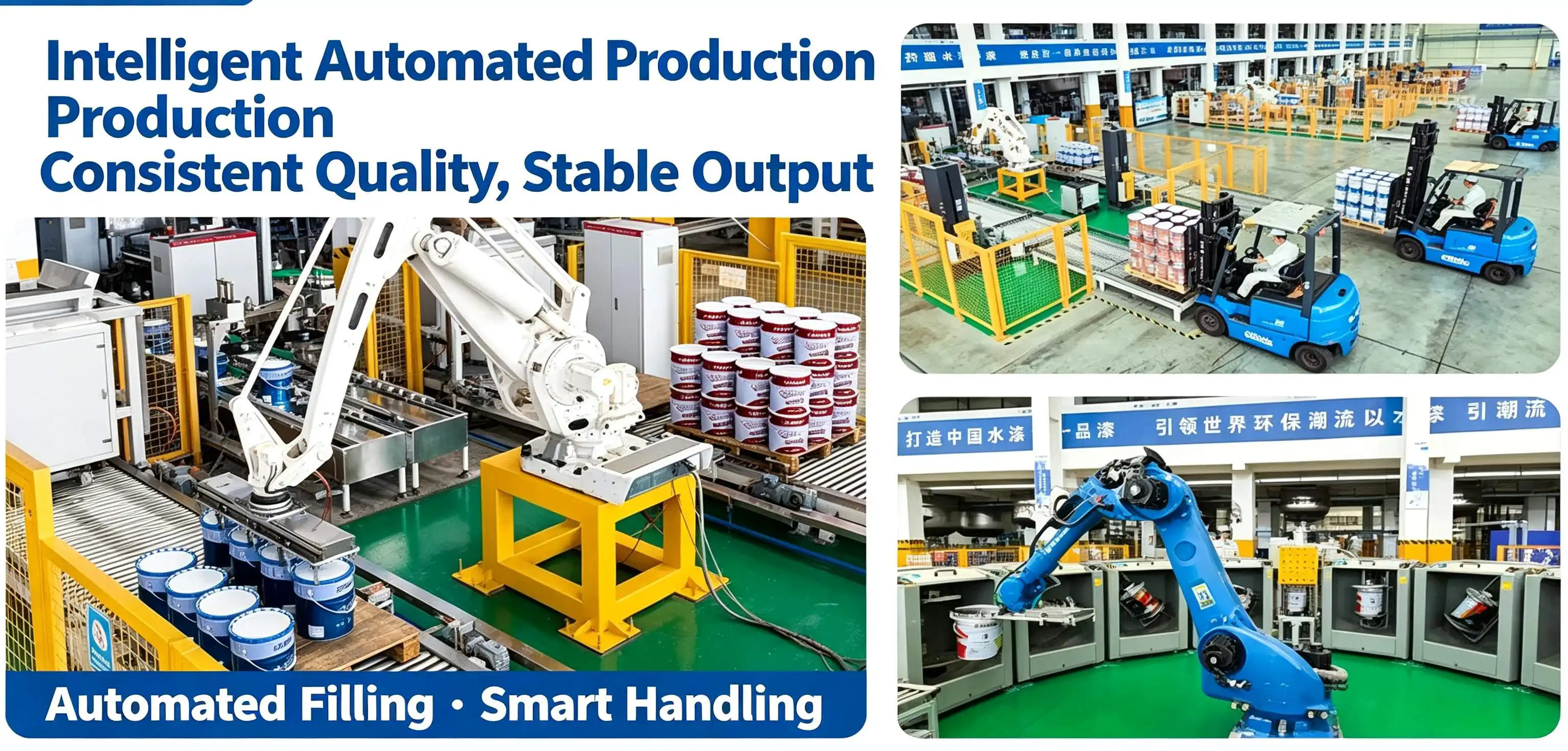
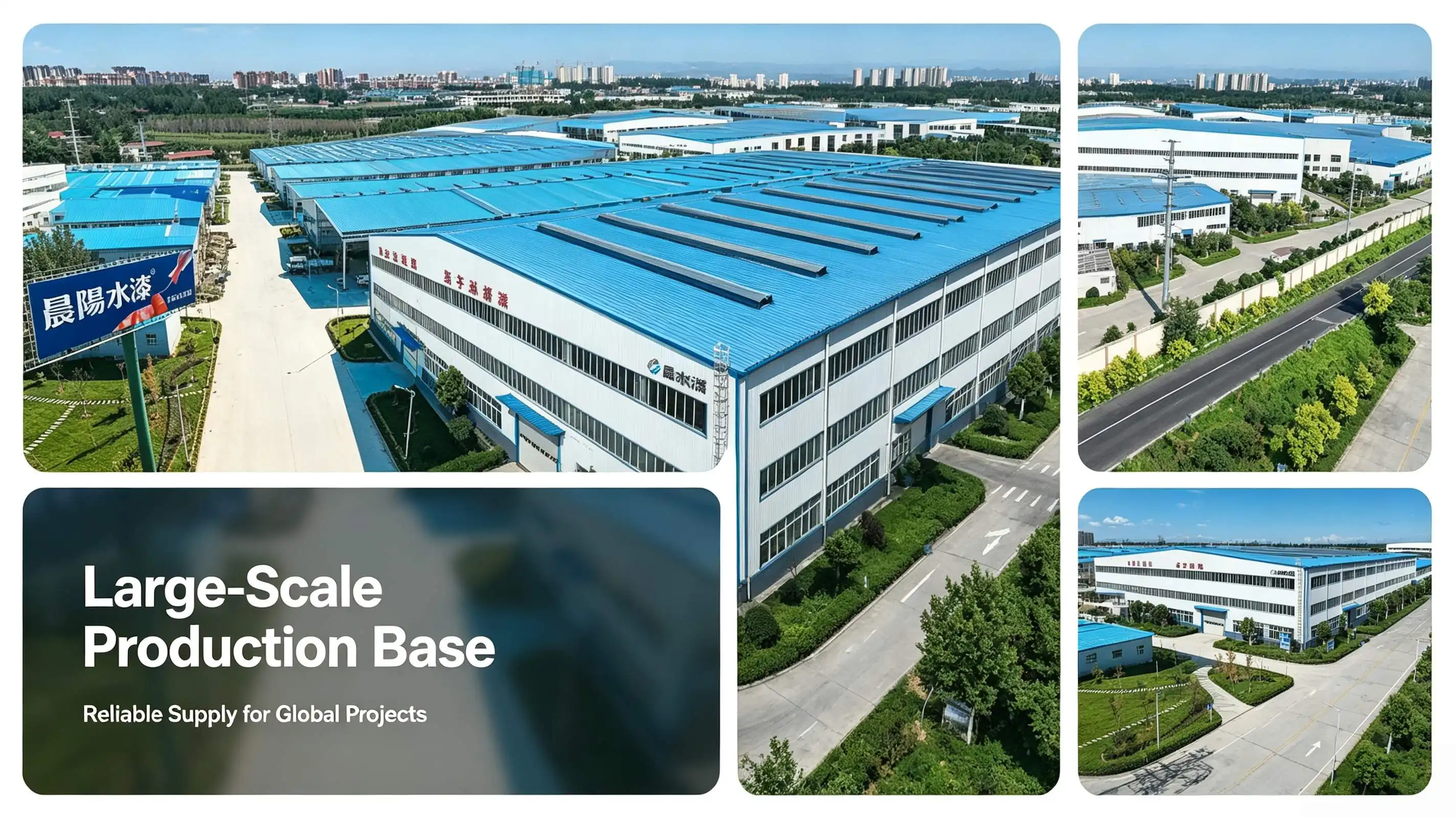
Agricultural equipment paint providers you can trust stand out by having production capacities that can be checked, third-party certifications, and clear technical support services. Chen Yang Water Paint runs a national-level green factory that is highly automated and can produce more than 1.25 million tons of paint every year. This is enough to keep up with large OEM contracts without having to stop supplies. The normal time for production is seven to ten days.
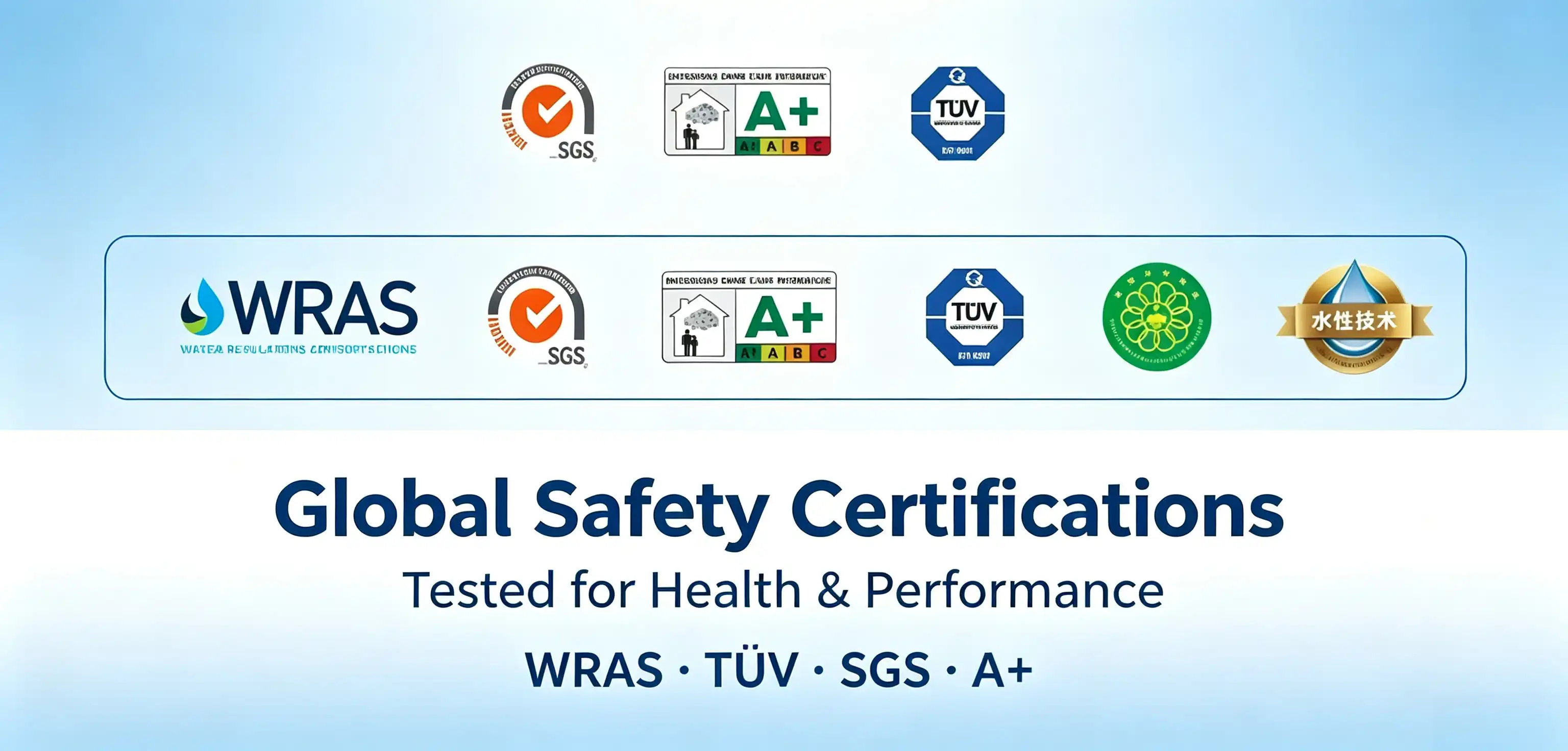
Certifications are important because they give you efficiency data that has been checked by a third party. Look for sellers whose goods have been tested by EU SGS, certified by TÜV in Germany, approved by WRAS in the UK, and, if necessary, certified by the US FDA as food-contact grade for recipes that will be used near food-processing equipment. This is all true for Chen Yang Water Paint, which has more than 1,000 patents and is a part of more than 100 industry standards.
For OEM makers who need to match custom colors to their own color cards, flexible color customization, full English TDS and MSDS documentation, and OEM/ODM packaging choices make things a lot easier.
Conclusion
Protecting farm equipment is an investment that pays off over time with lower repair costs, longer service life, and fewer guarantee claims. Standardized tests show that a three-layer coating method with a water-based zinc-rich primer as its base provides measurable rust protection for agricultural equipment paint. When purchasing managers look at coating suppliers based on their total lifecycle cost, supply reliability, and technical service capabilities, they can make decisions that protect their equipment assets and their operational budgets.
FAQ
1. How long does agricultural equipment paint typically last in the field?
A good coating should protect against rust for five to ten years in average farming conditions if the surface is properly prepared and has a full three-layer system. Places with a lot of humidity or near the coast may need to be inspected and touched up more often.
2. Can automotive paint be used on farm machinery?
Automobile paints aren't made to handle the chemicals that come from fertilizers, pesticides, and rough dirt. Most of the time, they don't have the film density and zinc-based cathodic protection that steel farm buildings need, so they will break down quickly in the field.
3. What temperature is optimal for applying farm equipment coatings?
The best conditions for cross-linking and adhesion are between 15°C and 30°C (59°F to 86°F) and below 85% relative humidity. Water-based systems that cure at room temperature, like Chen Yang's two-part zinc-rich primer, don't need any special heating equipment.
4. How do I prevent color mismatch between production-line coatings and aftermarket touch-up paint?
Get both the factory primer system and the touch-up paint from the same company, making sure that the color formulations are the same. When suppliers offer custom color calibration against OEM color cards, there is no variation from batch to batch.
5. Is water-based primer as durable as solvent-based in salt spray tests?
Good water-based two-part zinc-rich primers usually last longer than 500 hours in salt spray tests according to ASTM B117. They also meet ISO 12944 C4 and C5 environment standards, which means they work just as well as solvent-based options.
Partner with Chen Yang Water Paint for Your Agricultural Coating Needs
Chen Yang Water Paint has been using water-based coatings for 28 years and works with OEM makers and suppliers of farming equipment all over the world. As an agricultural equipment paint provider, we can match colors exactly, provide full English TDS/MSDS documentation, and have a standard production cycle of 7–10 days, with a capacity of 1.25 million tons per year. You can email our technical team at sales@chenyangpaint.com or go to chenyangpaint.com to get examples and a custom price on buying our products.
References
1. Journal of Coatings Technology and Research — 2021
2. ASTM International: ASTM B117 Standard Practice for Operating Salt Spray Apparatus — 2019
3. ISO 12944: Paints and Varnishes — Corrosion Protection of Steel Structures by Protective Paint Systems — 2018
4. Progress in Organic Coatings — 2020
5. ASTM D3359: Standard Test Methods for Rating Adhesion by Tape Test — 2022
6. Industrial Maintenance and Plant Operation Magazine — 2022
Send Inquiry
You may like