Is Antibacterial Paint Safe for your House
Antibacterial paint is safe for your home as long as it is made with certified, non-toxic materials and is strictly inspected for quality. Modern anti-bacterial wall paint uses silver ion technology or other non-leaching antimicrobial agents that stay locked within the paint film rather than releasing harmful compounds into the air. Products that meet standards like FDA 21 CFR 175.300 and have Zero-VOC or low-VOC profiles don't pose a major health risk to people living in them, even children and the elderly. The important thing is to choose a coating that has been tested by a third party and clearly lists all of its ingredients.
Understanding Antibacterial Wall Paint
When it comes to cleanliness, not all materials work the same way. Normal ornate paint just covers up things. On the other hand, an antimicrobial coating has silver ions (Ag+), copper derivatives, or quaternary ammonium compounds built right into its polymer matrix. Pathogens like E. coli and Staphylococcus aureus can't replicate their DNA or keep their cell walls together when these agents come into touch with them. This means that the surface is always protected.
How It Differs from Anti-Mold and Anti-Fungal Coatings
Anti-mold paint is only effective against fungal spores, while anti-fungal paint is effective against a limited range of organisms. anti-bacterial wall paint kills a wider range of pathogens, which is why it is the best choice for places like healthcare, childcare, and food preparation where bacterial bio-burden is the main worry. Some high-performance items, like the Chenyang Jiaoyang Huaxin Series, combine Grade 0 anti-mold protection with a proven antibiotic rate of over 99.9%, making a single coating system that does both jobs.
Safety Standards That Matter
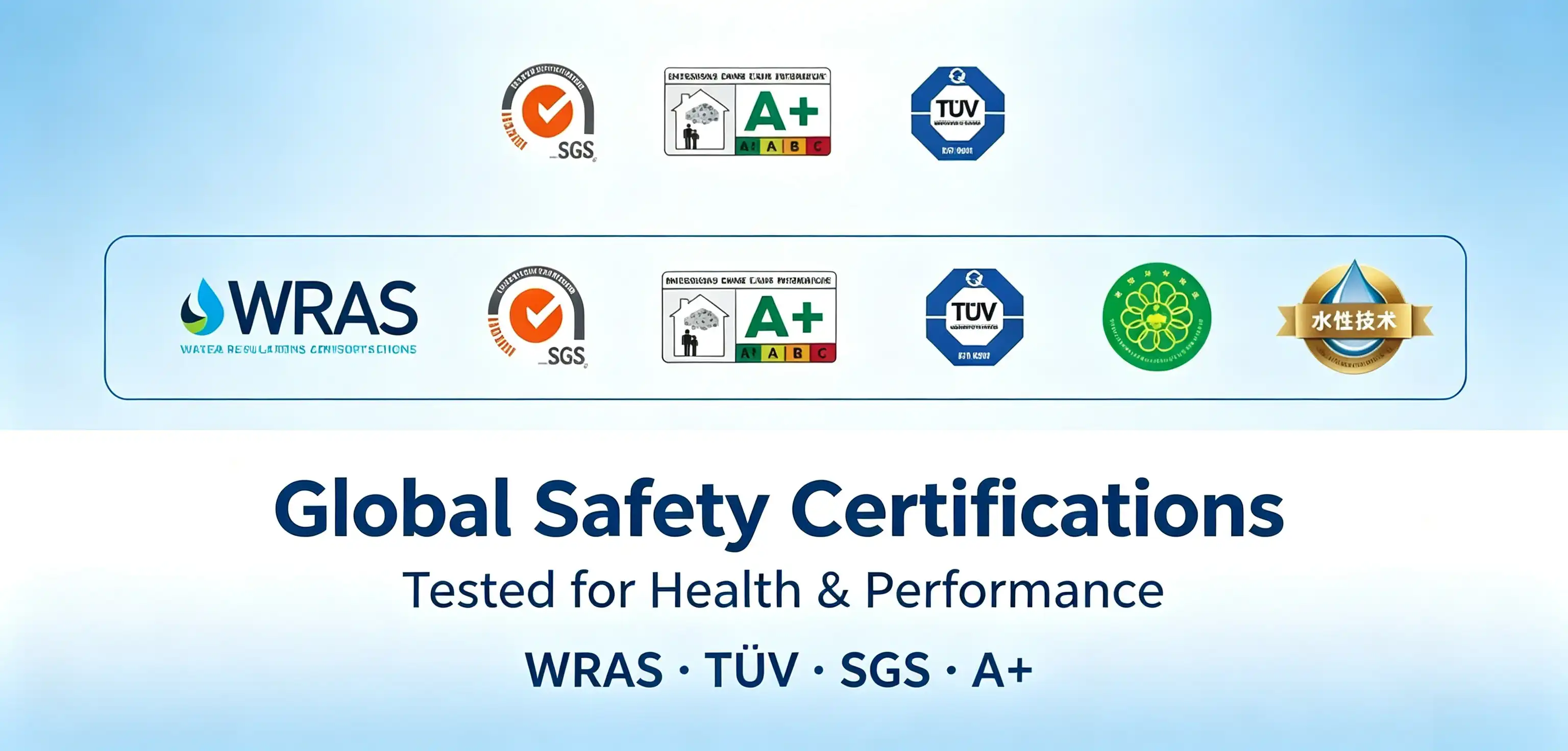
Health and environmental safety are confirmed by standards that are known all over the world. The FDA (21 CFR 175.300) in the US confirms that a product is safe for food contact. HG/T 3950-2007 sets the standard for testing antibacterial effectiveness in China and export markets around the world for anti-bacterial wall paint. GB/T 1741-2020 sets the standard for mold resistance. Both of these certifications, along with China's Ten-Ring environmental label, show that the formula in the Chenyang Jiaoyang Huaxin Series does not contain any benzene, formaldehyde, or APEO.

Benefits of Using Antibacterial Paint in Homes and Hospitals
Antimicrobial interior paints have benefits that can be measured that go far beyond how they look on the outside. Healthcare-Associated Infections (HAIs) are caused in large part by pathogens that are spread on surfaces. According to the CDC, about 1 in 31 hospital patients have at least one HAI on any given day. A coating that actively lowers the number of microbes on walls and ceilings is an important part of the infrastructure for preventing infections.
Here are the core advantages that procurement professionals and facility managers consistently prioritize:
- Sustained pathogen reduction: An antibacterial kill rate of over 99.9% against germs like E. coli and S. aureus means surfaces stay germ-free between cleaning cycles, making facility staff's job easier when it comes to mechanical cleaning.
- Grade 0 mold resistance: In damp places like hospital areas, school bathrooms, and food processing lines, Grade 0 mold performance under GB/T 1741-2020 stops walls from turning black and structure surfaces from breaking down. This means that the paint lasts longer and costs less over its lifetime.
- Zero harmful emissions: Formulas that don't contain benzene, formaldehyde, or APEO keep indoor air quality (IAQ) well below LEED and GREENGUARD Gold standards, protecting people during and after application.
These advantages translate directly into operational savings. Fewer repaint cycles, reduced disinfection labor, and smoother regulatory compliance during facility inspections all contribute to a lower total cost of ownership. For procurement teams managing multi-site institutional projects, this cost compression is material.
Comparison: Antibacterial Paint vs. Regular Paint and Specialized Coatings
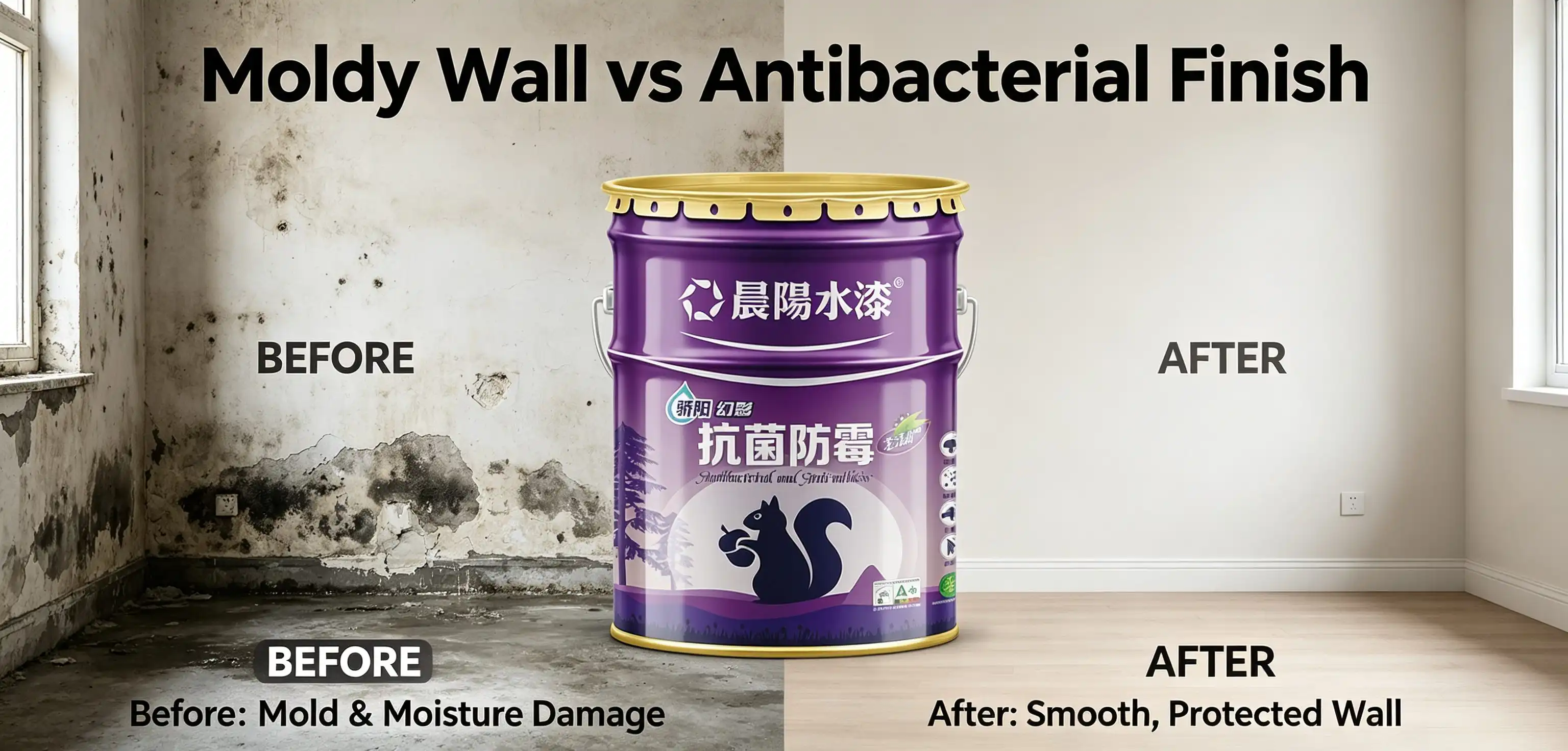
Normal latex paint for the inside doesn't kill any living things. Within a few weeks of being used in a damp, busy area, the porous surface becomes a good place for germs and mold to grow. Antimold paint stops the growth of mold, but it doesn't stop the spread of germs. A specially designed anti-bacterial wall paint covering is the only thing that can close both gaps at the same time.
Where Chenyang Stands Against Global Benchmarks
In the US market, international names like Sherwin-Williams and Dulux sell antibacterial product lines that are listed as biocide by the EPA. While these products work well, they usually come at a higher price and can't be changed much for large-scale institutional purchases. Chenyang's Jiaoyang Huaxin Series meets the standard for effectiveness with a rate of >99.9% antibacterial and Grade 0 mold protection. It also offers OEM color customization, bulk packaging in 6 kg, 20 kg, and 25 kg choices, and a normal production cycle of just 7–10 days. The product is approved by EU SGS, German TÜV, and the UK WRAS, which puts it in direct technical competition with well-known Western products.
Chenyang offers full English-language technical paperwork, such as TDS and MSDS sheets, for procurement specs that need proof of compliance. This helps with both local and foreign customs clearance.
How to Select and Apply Antibacterial Paint for Your Procurement Needs?
To choose the best antimicrobial coating, you need to look at five important factors: proven antibacterial effectiveness (ISO 22196 or HG/T 3950-2007), certified VOC compliance (GB 18582-2020 or equivalent), physical durability under institutional cleaning protocols, supply chain reliability for phased project delivery, and technical support after the sale.
Application Parameters That Protect Performance
When painting an institution, the most important thing that is often overlooked is how well the surface is prepared. Before application, the pH of the substrate must not be higher than 10 and its moisture content must stay below 10%. You can use a brush, roller, or high-pressure airless spray to apply the Chenyang Jiaoyang Huaxin Series at temperatures ranging from 5°C to 35°C. The surface will dry in about 30 minutes, and it will be fully hard in 60 minutes. For multi-coat requirements, a recoat interval of at least two hours keeps the film's structure intact.
Between 8 and 10 m² are covered per kilogram of paint, and the dry film thickness is 30 microns. This specification helps with accurate material estimates for big institutional projects and stops wasteful over-ordering.
Maintenance That Preserves Antibacterial Efficacy
Cleaning agents with no pH are used after the treatment to keep the polymer matrix that holds the active silver ions in place. Hospital-grade disinfection methods use alkaline cleansers that work with bleach at normal dilution ratios. However, using bleach solutions that are very concentrated over and over again can damage the surface film over time. In a normal school setting, silver-ion technology's antibiotic power lasts as long as the paint film does, which is usually 5–10 years.
Conclusion
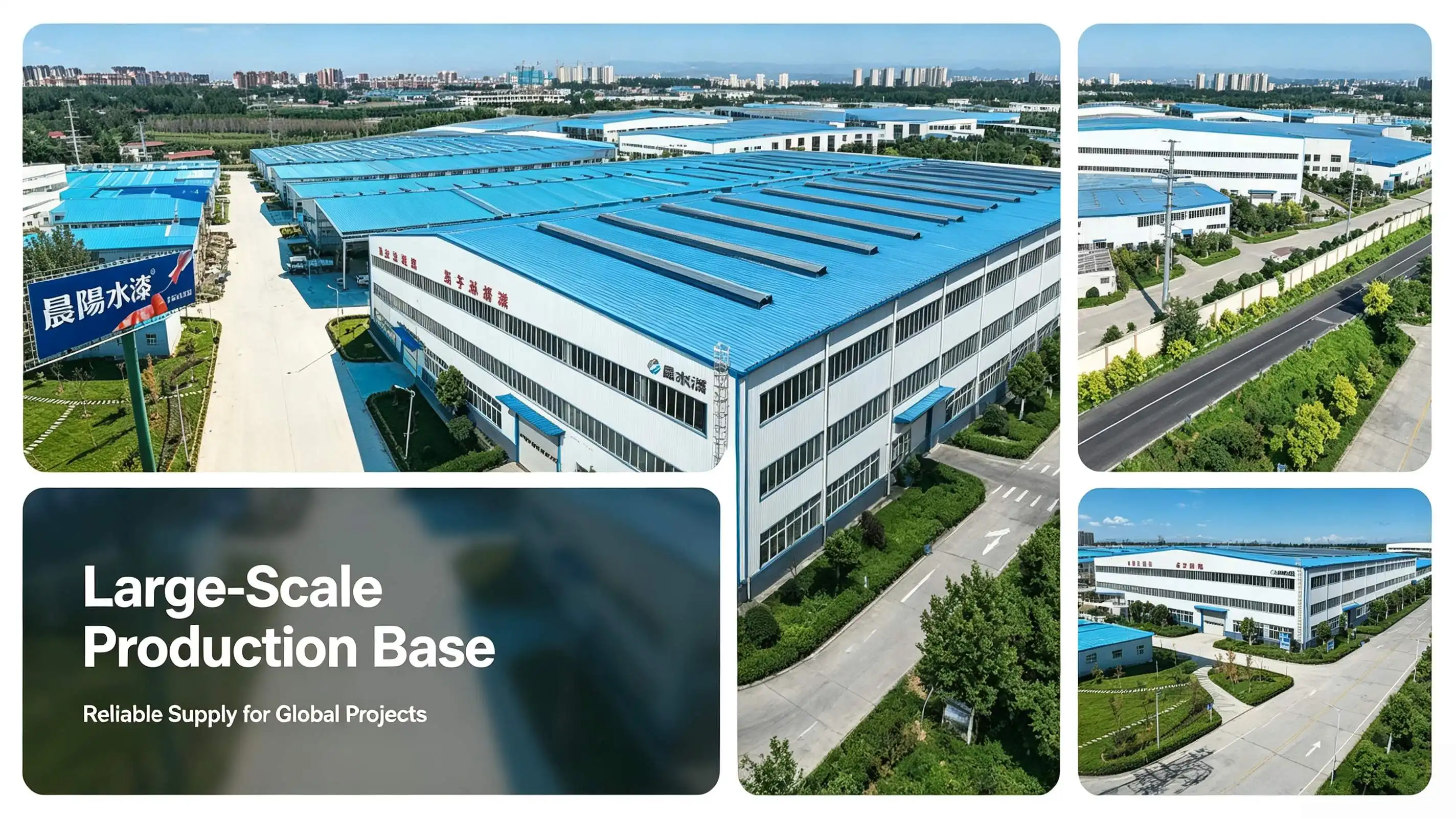
Antibacterial paint is clearly safe for use in homes and businesses as long as it has valid certificates, non-leaching active ingredients, and meets accepted VOC standards for anti-bacterial wall paint. For buyers in the healthcare, education, and food processing industries, the math behind the specification is simple: a certified antimicrobial coating cuts down on bio-burden, extends the time between maintenance visits, and meets strict hygiene standards all in one product choice. Chenyang's Jiaoyang Huaxin Series achieves all of these goals with a manufacturing infrastructure that backs up every performance claim on the technical datasheet. This infrastructure includes over 1,000 patents, a capacity of 1.25 million tons per year, and credentials from landmark projects.
FAQ
Does antibacterial paint eliminate the need for regular cleaning?
No, antimicrobial surfaces don't get rid of all surface-borne pathogens; they just add to the cleaning and disinfecting that you already do. They lower the amount and regularity of automatic cleaning that needs to be done to keep up with hygiene standards.
Is this type of paint safe for children's rooms and nurseries?
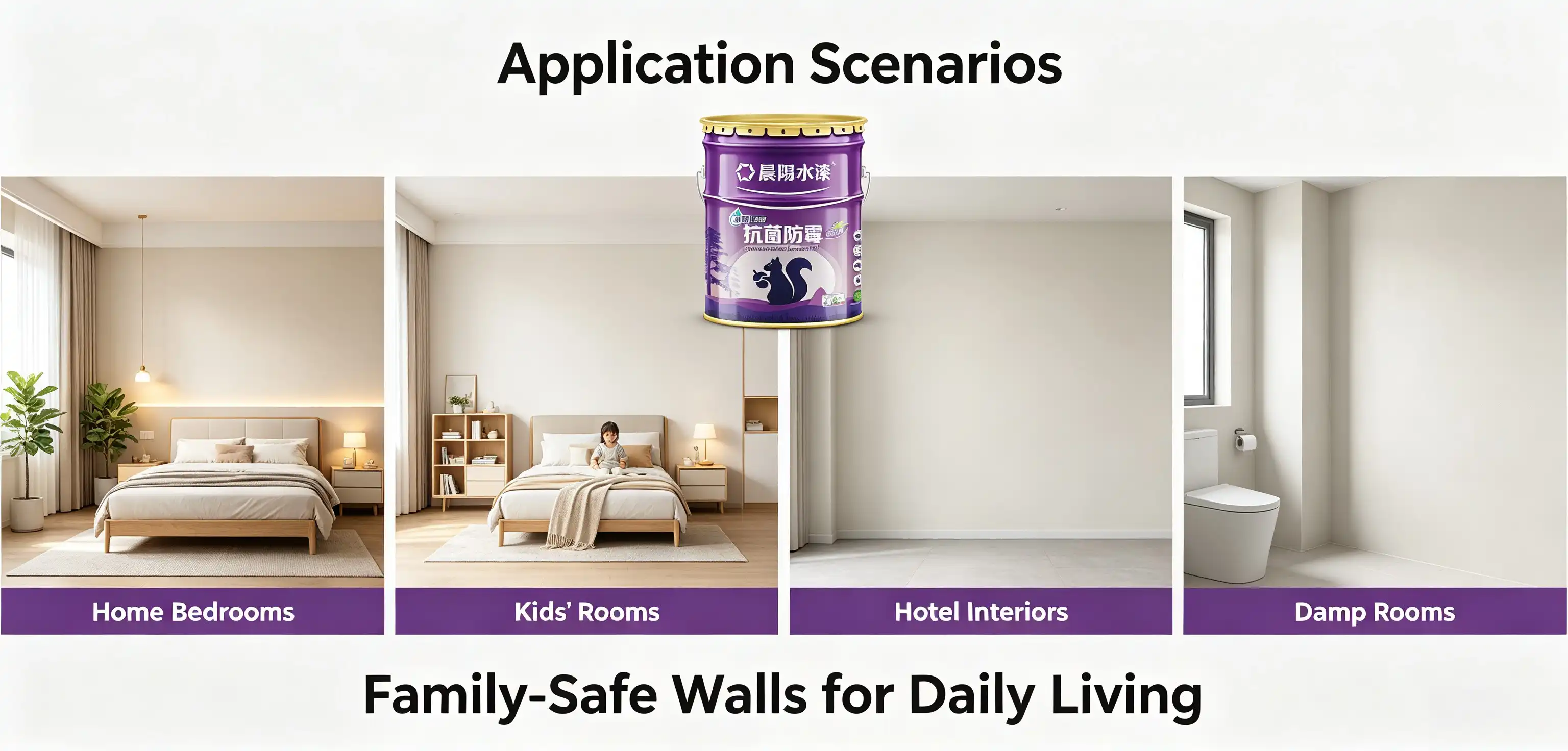
Yes. Formulations based on silver ions that are Zero-VOC and free of benzene, formaldehyde, and APEO have not been shown to be harmful to children. The FDA has certified Chenyang's Jiaoyang Huaxin Series as meeting food-contact grade safety standards (21 CFR 175.300).
How long does the antibacterial effect last?
The active agent works for as long as the paint film does, which is usually 5–10 years, as long as the surface isn't scratched or covered with a product that doesn't kill germs.
What is the difference between antibacterial and antimicrobial paint?
Paint that kills bacteria is called anti-bacterial wall paint. Antimicrobial paint protects against more than just bacteria and viruses. It can also kill fungus, mold, mildew, and, in some approved versions, enveloped viruses that have been tested to ISO 21702.
Can I request custom colors for institutional projects?
Yes. The Jiaoyang Huaxin Series can be customized with any color on a white base, and it comes in large packing of 6 kg, 20 kg, or 25 kg per bucket to meet the needs of institutions that need supplies in stages.
Partner with Chen Yang Water Paint for Your Next Institutional Project
When you buy from Chen Yang Water Paint, you get 28 years of experience with water-based coatings. Our anti-bacterial wall paint provider has the ability to complete large orders quickly (7–10 days), provide full English TDS/MSDS paperwork, allow OEM color customization, and hold certifications from EU SGS, German TÜV, UK WRAS, and US FDA. Our expert team is ready to help you find the right product for your tender needs, whether they are for a hospital ward, a school, or a food processing business. To get examples and bulk quotes, email us at sales@chenyangpaint.com or go to chenyangpaint.com.
References
1. Centers for Disease Control and Prevention. Healthcare-Associated Infections (HAI) Data. CDC, 2023.
2. Joost Opschoor et al. "Silver-based antimicrobial coatings: mechanisms and applications." Progress in Organic Coatings, Elsevier, 2021.
3. Simões, M., Simões, L.C., & Vieira, M.J. "A review of current and emergent biofilm control strategies." LWT – Food Science and Technology, 2010.
4. U.S. Environmental Protection Agency. Antimicrobial Pesticide Registration: Surface Coatings. EPA, 2022.
5. ASTM International. ASTM E2180: Standard Test Method for Determining the Activity of Incorporated Antimicrobial Agent(s) In Polymeric or Hydrophobic Materials. ASTM, 2018.
6. World Health Organization. WHO Guidelines on Hand Hygiene in Health Care. WHO Press, 2009.
Send Inquiry
You may like