Is water based enamel paint suitable for metal?
Water based enamel paint is perfectly appropriate for metal surfaces. Modern formulas have bridged the performance gap with classic solvent based coatings. On steel buildings, iron doors, radiators, and mechanical equipment, the best water based enamel paint provides good adhesion, corrosion resistance, and a long-lasting coating. Typical VOC concentration is <50 g/L and no benzene compounds, enabling compliance with the most stringent environmental laws and quick re-occupancy. This category offers restoration contractors, OEM manufacturers and procurement managers involved in metal finishing projects a practical, compliant and cost-effective alternative to oil-based enamel.
What Is Water Based Enamel Paint and Why Does It Work on Metal?
Water-based enamel paint uses water as its foundation, instead of oil-based chemicals. It is composed out of water-based modified acrylic or alkyd. The chemical composition of this coating allows it to cure to a thick, dense layer that chemically and mechanically bonds to metal surfaces.
How the Chemistry Supports Metal Adhesion
Latex paints form a thin coating . The best water based enamel paint systems feature cross linking resins that adhere immediately to metal surfaces that have previously been cleaned . Independent testing utilizing ASTM D3359 indicate 5B adhesion rates, the greatest score attainable, on properly treated ferrous metal. The dry layer keeps water getting in and hence prevents under-film rust that may damage steel doors and structural ironwork.
Environmental Compliance Without Sacrificing Performance
These coatings emit much less volatile chemical compounds during applying since water instead of hazardous organic solvents is employed. This is significant in business buildings where air quality regulations are regularly monitored, and in residences under renovation where people may return within hours. At 25°C the paint is touch dry in approximately 30 minutes and completely cured in 24 hours.

Water Based Enamel vs. Traditional Solvent-Based Metal Paints
When considering coatings for finishing metal, purchasing agents commonly compare water-based enamel to oil-based enamel, alkyd enamel and traditional acrylic systems. It’s good to know the true trade offs in each area before you commit to large purchasing.
In the past, the most favored approach to polish metal was with oil based enamel since it dried fast and leveled itself off. It often includes more than 300 g/L of volatile chemical compounds, requires mineral spirits for clean up, and yellows with age when exposed to UV radiation. Often individuals are not permitted to go back into painting areas for 24 to 48 hours because of the odors accumulation.
Each of these problems is directly fixed by water-based enamel. When it comes to the things that matter most to B2B buyers, these two groups are similar:
- VOC emissions: Enamels made with water usually have levels below 50 g/L, while enamels made with solvents usually have levels above 300 g/L. This gap tells places that are following EPA rules on building coatings who are eligible for compliance.
- Drying schedule: Surface dry in 30 minutes instead of 2–4 hours for oil-based products speeds up the project a lot, which is important for remodeling workers who charge by the job.
- Yellowing resistance: UV-stable acrylic resins in water-based systems don't change color when they react with oxygen, so white and light-colored finishes stay beautiful for years.
- Cleanup and safety: Brushes should be washed with clean water right away. There are no flammable chemicals stored on-site, which lowers the risk for insurance companies and the legal load.
Because of these benefits, water-based enamel is the better choice for contractors who do a lot of remodeling projects every month and need a coating system that their crews can use quickly and safely.
How to Apply Water Based Enamel Paint on Metal Correctly
If you prepare the foundation correctly, a water-based enamel covering will last ten years instead of two. Skipping surface prep is the most common reason why metal fails too soon, and it doesn't matter how good the paint is.
Surface Preparation Protocol
Get rid of any free rust, mill scale, grease, or paint that is chalking up or peeling off. First, sand the surface to make a mechanical outline. Next, use a clean cloth to wipe off the dust. Apply a compatible bonding primer before the best water based enamel paint topcoat on surfaces that were previously painted with oil to keep them from wrinkling. This step must be taken when switching coating chemistries.
Application Conditions and Technique
Use when the temperature is above 5°C and the relative humidity stays below 70%. Just add clean water to thin the paint, but don't add more than 10% by volume to keep the film strong. For trim and ironwork, a brush application works well. For flat panels and big structural elements, a spray application works best. Let the first coat dry completely before adding the second. This should be done at least 24 hours between coats.
Selecting the Right Water Based Enamel for Metal: A B2B Buyer's Guide
When looking for waterborne enamel in large quantities for metal finishing, there are a number of technical and business factors that should be carefully considered.
Key Procurement Criteria
The total cost of the project is affected by the coverage rate, the gloss choices, the color range, and the flexibility of the packing. Large projects use less material when they use a product that covers 8–10 m²/kg per coat at 30 microns dry film. There are high gloss, semi-gloss, and matte finishes in the same product line, which makes it easier to specify for a wide range of projects.
For renovation companies, color selection is very important. End customers have different color needs for projects that involve doors, windows, radiators, and chairs. If your provider has a specialized color center that can match custom colors, you won't have to keep extra shades that don't sell quickly on hand.
Chen Yang Water Paint takes care of all of these procurement priorities. As a best water based enamel paint, Chen Yang Waterborne Industrial Enamel Paint comes in 1L, 3L, and 15L containers that are ready to use and made with a single ingredient. These sizes are best for renovation projects rather than new construction. Standard colors are white, black, iron red, medium gray, purple brown, beige, bright red, light green, and peacock blue. You can also request a color that is exactly what you want.
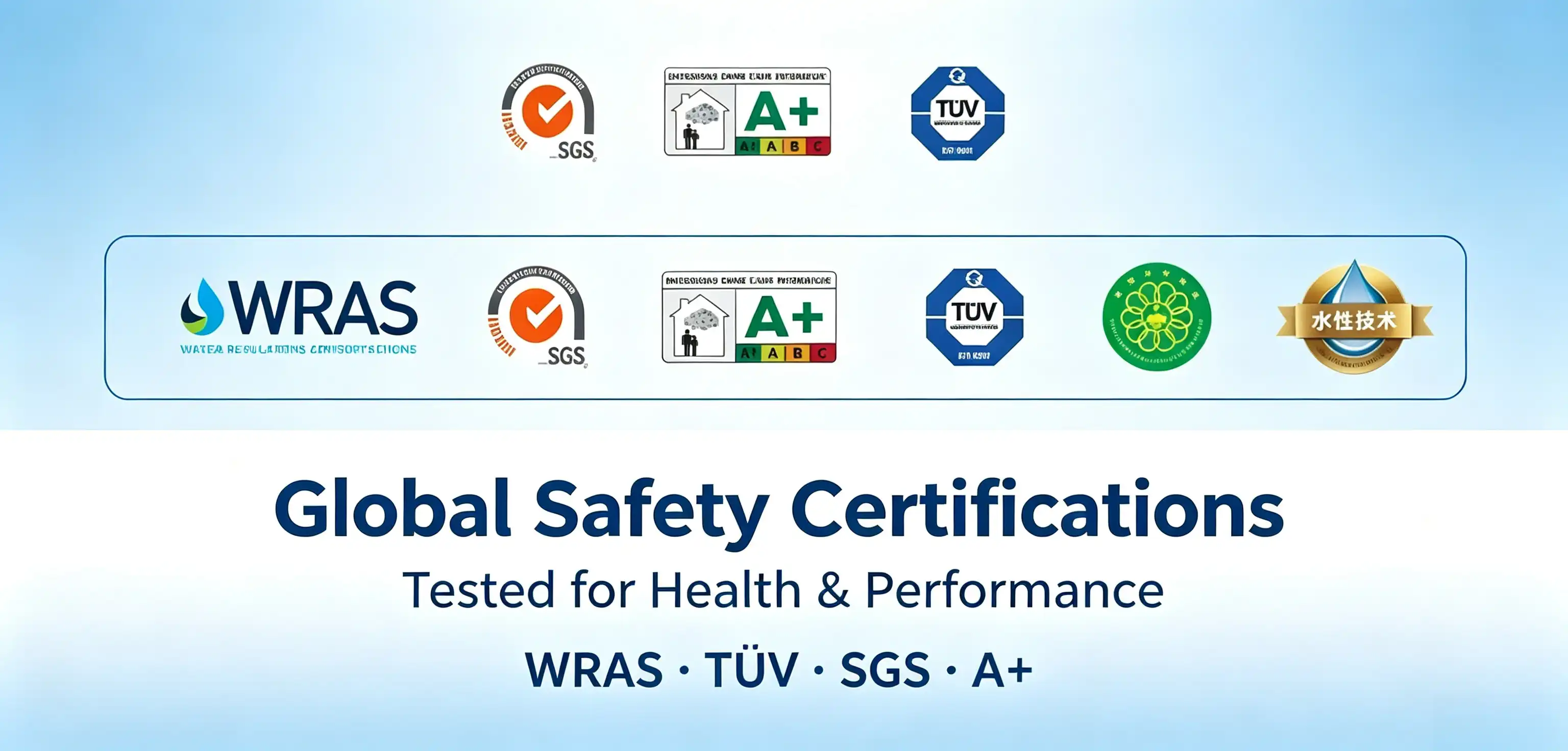
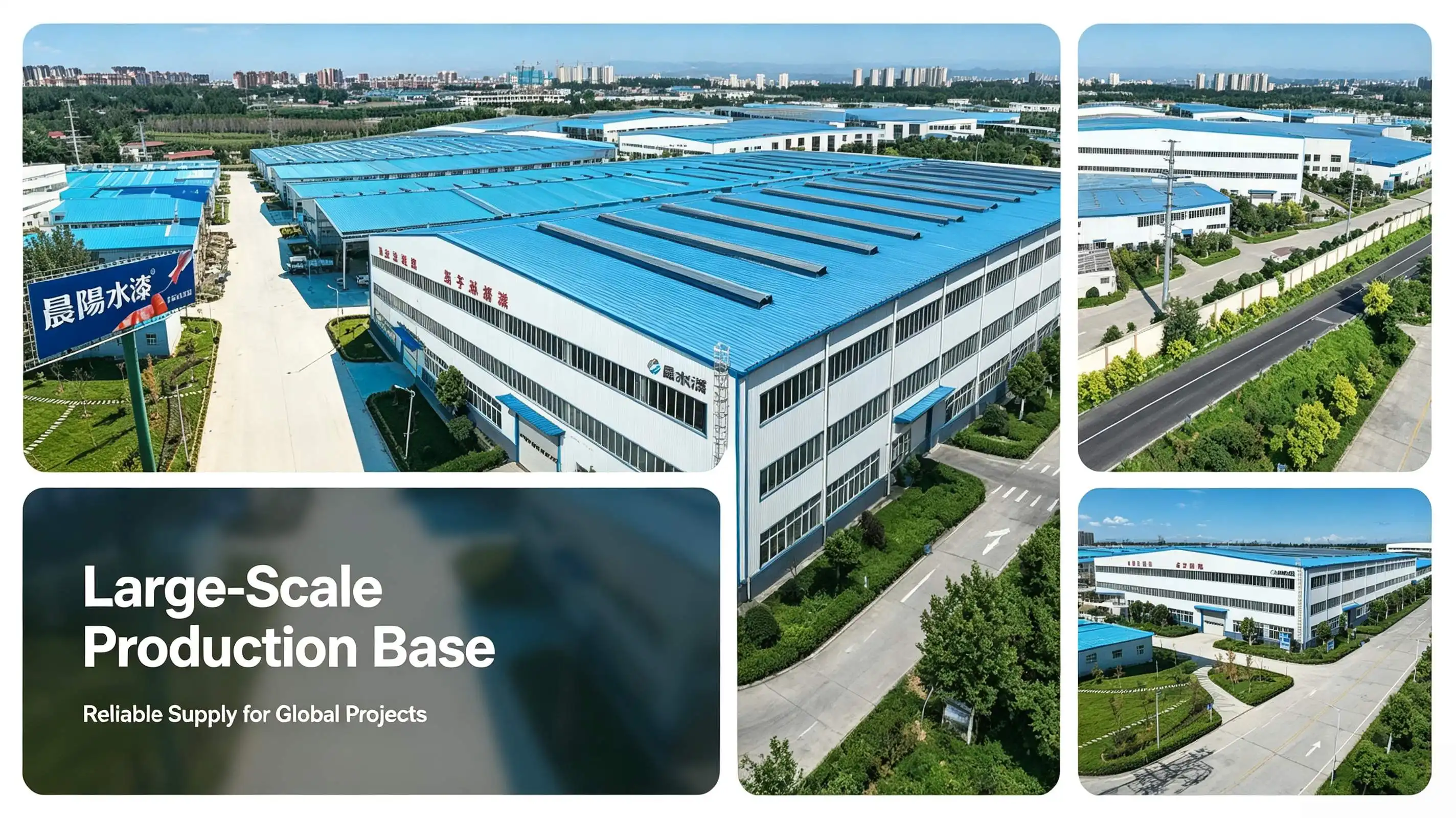
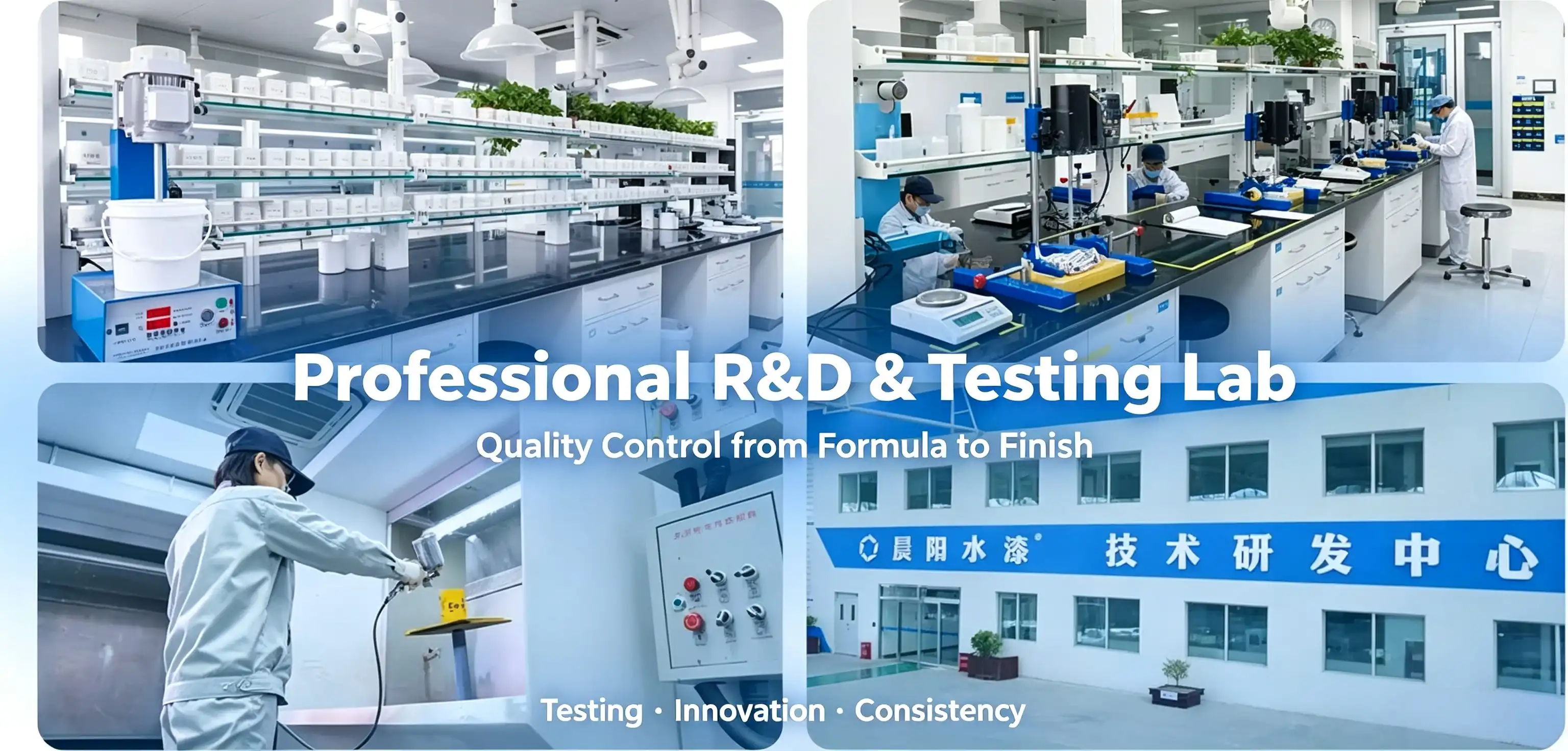
The product has been approved by EU SGS, German TÜV, and UK WRAS. Chen Yang has more than 1,000 patents and is a part of more than 100 industry standards. The annual production capacity is more than a million tons, which makes sure that there is a steady supply during busy buying times. The normal time for production is 7–10 days, and the waterborne chemistry makes the product safe for foreign shipping, which makes customs clearance a lot easier than with solvent-based options.
Real-World Applications: Where Water Based Enamel Performs on Metal
Radiator and Door Renovation
Renovation contractors who refinish radiators and window frames in homes always say that the fast dry time (about 30 minutes) lets them finish most jobs in the same day. When people go back to their homes, the chemical smell that comes with standard oil-based touch-ups is gone. Because it sticks well to ferrous surfaces, the covering stays in place even when radiators heat up and cool down over the course of the year without breaking.
Steel Structures and Mechanical Equipment
In light industrial settings, waterborne enamel applied over properly primed steel has good corrosion resistance and keeps its gloss after being exposed to UV light for a long time. Accelerated weathering tests using the QUV protocol (ASTM G154) show that good water-based enamels keep their shape and color even after being exposed to the elements for a long time.
Conclusion
Water-based enamel paint can be used on metal surfaces in home improvement projects, light industry settings, and OEM manufacturing. The best water based enamel paint adheres, keeps its gloss, and resists rust just as well as or better than solvent-based options. Plus, it dries faster, doesn't contain VOCs, and is safer to use on-site. Contractors who have already made the switch always say that the biggest practical benefits are faster project completion and better client acceptance. The waterborne enamel category should be carefully looked at by procurement professionals who are building a reliable metal coating supply chain.
FAQ
1. Does water based enamel paint prevent rust on metal?
Yes, but how the surface is prepared is what matters. The coating's full ability to stop rust is only seen on a clean, primed base. The dried film stops water from getting in, which is what causes under-film rust to form. On steel that has been properly prepared, a good liquid coating protects against rust for many years.
2. Can water based enamel be used on previously oil-painted metal?
It can, but it is strongly suggested that a bonding primer be put on top of the oil-based film before the waterborne topcoat. If you skip this step, the two covering chemicals will react differently during fix, which could cause the film to wrinkle or separate.
3. How long before a painted metal surface can be handled?
At 25°C, it takes about 30 minutes for the surface to dry. Within 24 hours, the material becomes fully mechanically hard. For surfaces that will be touched a lot, like door handles and window hardware, waiting the full cure period before using the coating makes it last a lot longer.
4. Does cold weather affect application?
Yes. When the temperature drops below 5°C, film formation slows down a lot, and the layer might not dry properly. Consistent results are achieved by scheduling applications above this temperature threshold or working in climate-controlled spaces during the winter.
5. What gloss levels are available for metal applications?
The same line of products comes in high gloss, semi-gloss, and matte finishes, so you can change the specs for different types of projects without having to switch suppliers.
Partner with Chen Yang Water Paint — Leading Water Based Enamel Paint Supplier
Chen Yang Water Paint combines 28 years of waterborne coating expertise with EU SGS, German TÜV, and UK WRAS certification to deliver a proven best water based enamel paint supplier relationship you can rely on. Whether you need standard stock, OEM labeling, or custom color matching, our team supports your procurement process from sampling through bulk fulfillment. Contact us at sales@chenyangpaint.com or visit chenyangpaint.com to request samples and technical documentation.
References
1. Wicks, Z. W., Jones, F. N., Pappas, S. P., & Wicks, D. A. — Organic Coatings: Science and Technology — Wiley-Interscience, 2007.
2. Lambourne, R., & Strivens, T. A. — Paint and Surface Coatings: Theory and Practice — Woodhead Publishing, 1999.
3. Journal of Coatings Technology and Research — Waterborne Alkyd Coatings: Performance and Environmental Compliance — Springer, 2018.
4. American Society for Testing and Materials — ASTM D3359: Standard Test Methods for Rating Adhesion by Tape Test — ASTM International, 2022.
5. U.S. Environmental Protection Agency — Architectural Coatings: Suggested Control Measure — EPA Office of Air Quality Planning and Standards, 2008.
6. Progress in Organic Coatings — Advances in Waterborne Coatings for Metal Corrosion Protection — Elsevier, 2020.
Send Inquiry
You may like