Low-Odor latex Paint Offers a Healthier Home Solution
Low-Odor Latex Paint is a big step forward in water-based covering technology. It was made to improve the quality of the air inside while still meeting high standards of performance. This advanced recipe gets rid of the strong chemical smells that come with regular paints by drastically lowering volatile organic compound emissions to levels that are usually below 50g/L and often very close to zero-VOC limits. Modern versions with less smell use advanced acrylic resin systems and special chemicals that reduce off-gassing without affecting the toughness, bonding, or color retention. A big problem in the industry is how to keep occupied areas useful during renovations while protecting vulnerable groups from breathing in chemicals and irritants. This new idea solves that problem.
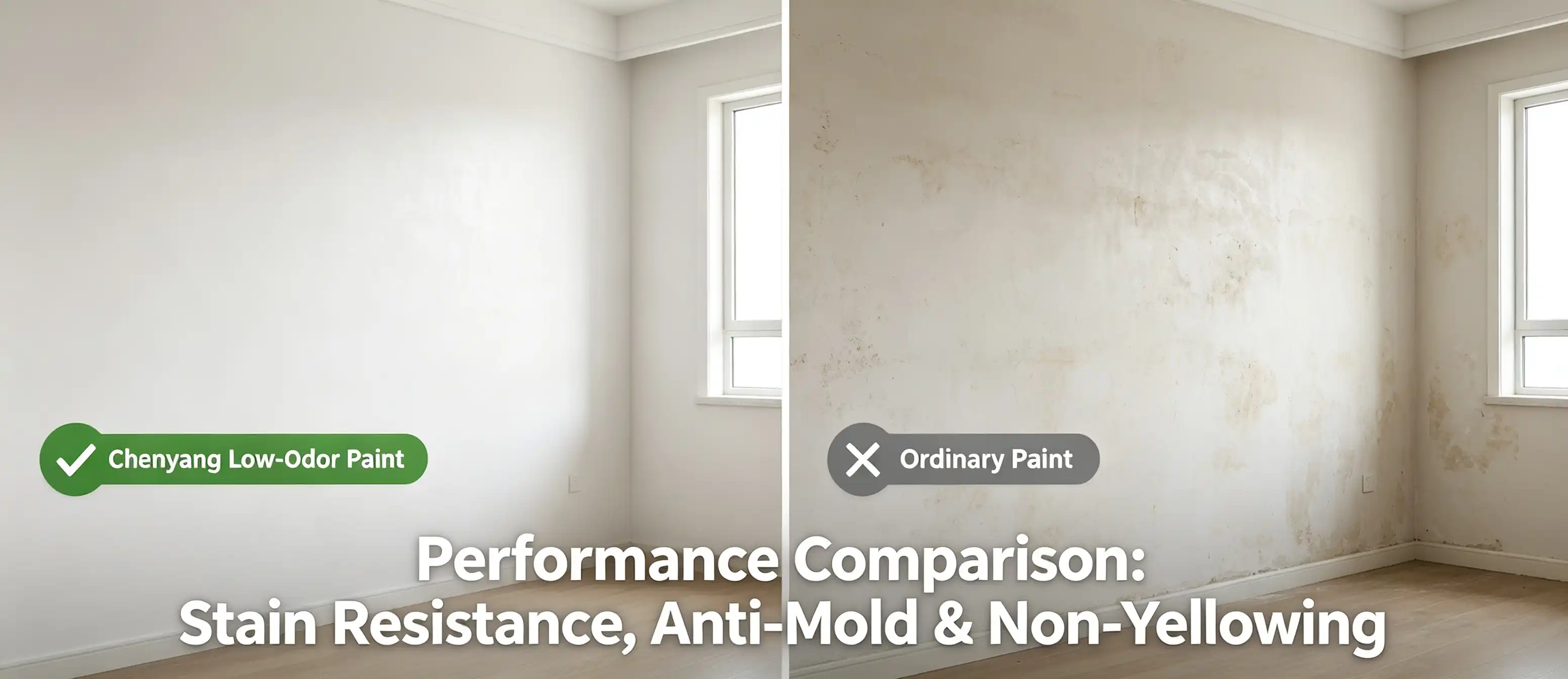
Understanding Low-Odor Latex Paint and Its Health Benefits
What Makes Low-Odor Formulations Different
The main difference is in how the paint base is made at the molecule level. Traditional latex paints use solvents that coalesce and fragrance compounds that evaporate when the paint dries, sending dangerous chemicals and strong smells into the air. Advanced low-odor versions use water as the main diluent instead of these flammable ingredients. They also contain special polymer chains that cross-link at room temperature without giving off dangerous smells. These water-based systems don't use any benzene, toluene, xylene, or other harmful solvents. This makes the treatment area safer and the indoor air quality better over time.
Health Protection Through Reduced VOC Emissions
Volatile organic compounds are known to be harmful to health. They can cause short-term problems like headaches and dizziness or long-term problems like making asthma worse and having effects on the nervous system. Paints with low VOC levels protect people who live or work in buildings by limiting their exposure to these floating pollutants. Low-emission paints are becoming more and more required in healthcare centers, schools, and housing projects to protect patients, children, and families. Products that meet strict standards, like GREENGUARD Gold certification, are put through a lot of tests in a room to make sure that chemical fumes stay below safe levels even when the temperature is high.
International Compliance and Certification Standards
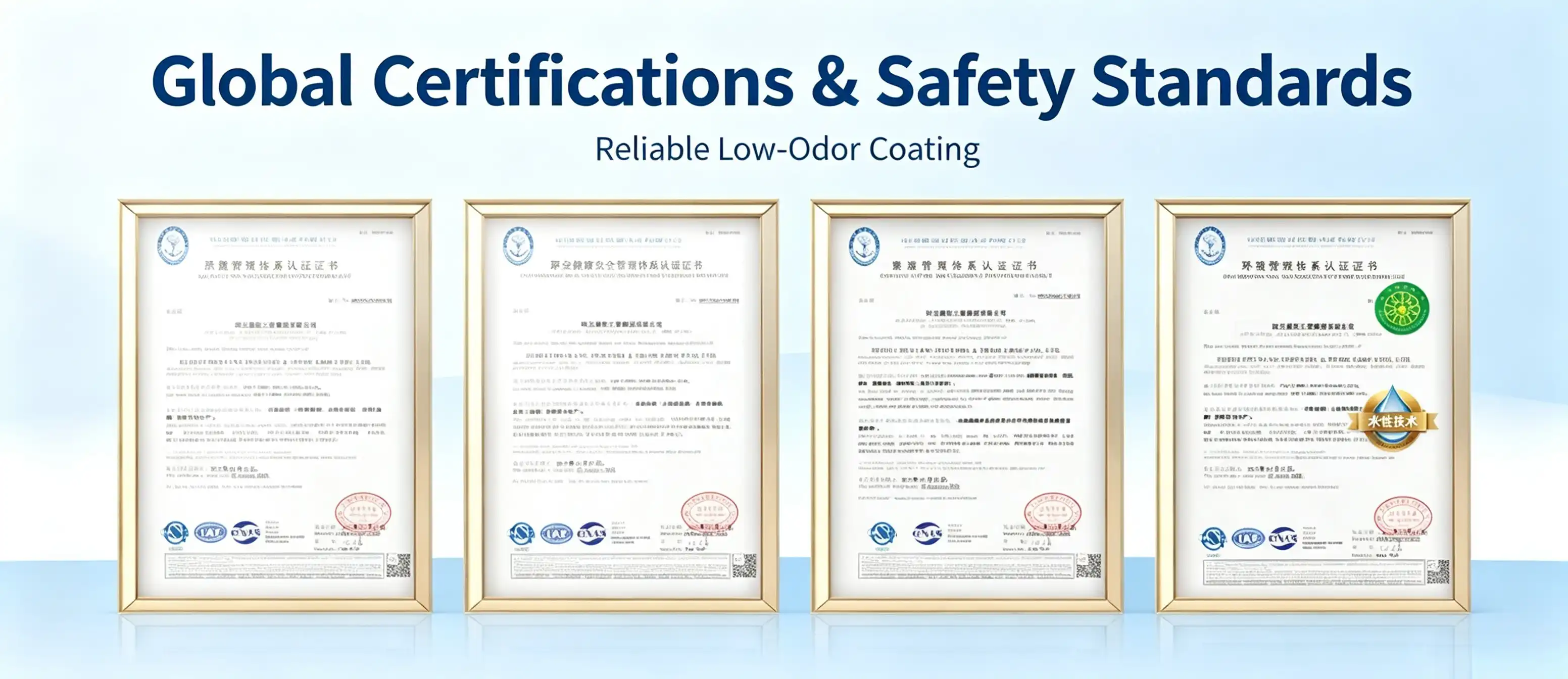
There are different environmental rules for each market that say what VOC amounts are okay for building coatings. European Union rules say that indoor wall paints can't have more than 30g/L of VOCs, and the National Volatile Organic Compound Emission Standards set limits in the US. The engineering series of Chenyang Water Paint meets the requirements of GB/T 25261-2018 and has passed tests from EU SGS, UK WRAS, German TÜV, and the US FDA for food-contact grade. This wide range of certifications shows that our recipes meet the strict needs of developed markets. This makes it possible for us to easily specify them for foreign projects where following the rules is a must.

Comparing Low-Odor Latex Paint to Other Paint Types
Performance Characteristics Across Paint Categories
When procurement workers look at coating choices, they have to think about more than just reducing smells. When compared to oil-based paints, which may need hours between coats, low-odor latex paints dry quickly—usually touch-dry in 30 minutes and fully cured in 60 minutes at normal temperatures. This means that projects can be finished faster. Scrub resistance is higher than 2,000 rounds according to ASTM D2486 testing guidelines. This is the same as or better than regular latex formulas while keeping the better environmental profile.
When it comes to logistics, oil-based paints are a real pain, even though they stick well to difficult surfaces. Because they are considered dangerous for shipping, they need complicated export paperwork, special delivery, and higher freight costs. Water-based, low-odor options get rid of these problems, making it easier to get through customs with normal MSDS paperwork and transport condition certificates. This benefit is especially useful for buying things from other countries, since better transportation directly leads to lower costs and more reliable schedules.
Zero-VOC paints have less than 5 g/L of volatile chemicals, which is the highest level of pollution control. While these mixtures offer the best benefits for air quality, they sometimes come at the cost of open time and balance. Low-odor latex paints are the best of both worlds because they give off almost no fumes and are easy for professionals to use with a roller, a brush, or an airless spray gun.
Application Techniques and Surface Preparation
Successful coating performance relies on both the right way to apply the coating and the right product being used. For mechanical bonding to work, surfaces that are being prepared must have a pH value below 10 and a wetness level below 10%. The base needs to be strong, smooth, and clean, with no dirt or other things that could make it harder to stick. Good transition bases make it possible for low-odor latex systems to stick well over old oil-based coats. This lets you make changes to the room without having to remove all the paint.
Dilution ratios need to be carefully managed. For roller or brush uses, adding up to 20% water is fine, but airless spray systems work best with 10% dilution or less. The environment has a big effect on drying. For best results, use the product between 5 and 35°C when the relative humidity is less than 85%. Intercoat adhesion problems can be avoided by recoat gaps of at least two hours. However, surfaces need to fully cure mechanically for 14–21 days before they can handle harsh cleaning methods.

Top Low-Odor Latex Paint Brands and Product Selection Guide
Leading Manufacturers and Their Value Propositions
Well-known companies like Sherwin Williams, Benjamin Moore, and PPG have put a lot of money into low-emission technology, which has many benefits. The Harmony line from Sherwin-Williams focuses on getting rid of smells with their own formaldehyde-reducing technology, which makes it suitable for use in healthcare and school settings. The Natura product from Benjamin Moore is zero-VOC and has great color accuracy and hiding power. PPG's Pure Performance has low emissions and antimicrobial qualities, which meet the needs of hospital areas that need to control infections.
In this market, Chenyang Water Paint gives you a special edge over other companies. Our engineering paint line is the result of 28 years of research and development into water-based coatings. It includes more than 1,000 patented ideas and meets more than 100 industry standards. Our manufacturing base includes a highly automated national-level green plant that can make more than a million tons of products every year. With normal production cycles of just 7–10 days, we can keep supplies stable even during busy building seasons.
Strategic Selection Criteria for B2B Procurement
Choosing the right low odor latex paint requires looking beyond the brand. Performance criteria should include how well it hides (contrast ratio), how many times it can be scrubbed, how long the color stays true after UV exposure, and how flexible it is at low temperatures. Environmental qualifications should not just be based on what the maker says but also on certifications from a third party. When you look at costs, you should think about how much coverage you need, how many coats you need, and how efficient your workers are. Premium goods often give you more square footage per gallon, which makes up for their higher unit prices.
Sector-specific needs make the decision process even more precise. Paints for healthcare projects must meet strict virus control standards and have surfaces that can be cleaned. In hospitality settings, quick project turnaround is important, so low-odor, fast-curing products are needed to keep guests as calm as possible. Chemical protection and heat stability are important in industrial settings, especially for areas near process equipment or high temperatures.
Bulk Purchasing Advantages and Cost Optimization
By taking advantage of volume prices, combining shipping, and streamlining project operations, large-scale procurement can save a lot of money. Chenyang provides OEM/ODM services that are flexible and can be adjusted to the needs of distributors and contractors. These services include changing colors, designing packages, and providing private-label options. Customizable package specs can be used for a variety of projects, ranging from bulk totes for use in large institutions to consumer-ready cases for sale in stores. Full English technical documents, like TDS, MSDS, and safety certificates, help with the registration and approval of foreign projects by regulators.
Procurement and Supply Chain Insights for Low-Odor Latex Paint
Sourcing Channels and Supplier Evaluation
Finding suppliers who can consistently deliver high-quality goods and provide quick technical help is the first step in reliable buying. When you work directly with a producer, you can get better prices, more customization options, and more information about the supply chain. Distributors offer useful services like local inventory, combined shipping, and payment terms, but the unit costs may be higher. You can find more products to buy through online platforms, but you need to be very careful to make sure of the supplier's qualifications and the product's authenticity.
When evaluating a supplier, you should look at their quality control systems, production capacity, and amount of automation. Participation in national research programs, like Chenyang's in China's National 863 Program, shows expert leadership, while ISO certifications show organized process control. Factory audits check that the production capacity that was said to be there is actually there and look for any problems that might make deliveries less reliable during times of high demand.
Logistics Planning and Inventory Management
Supply chain management that works well weighs the costs of keeping goods against the risks of running out of stock, which can slow projects. When estimating lead times, you need to take into account things like shipping times, quality checks, foreign shipping, and clearing customs. When it comes to logistics, water-based coatings are much better than solvent-based ones. Since they are not considered harmful, they can be transported by air without any problems, and they don't require as much paperwork or have as high of freight surcharges that come with dealing with dangerous goods.
Temperature-controlled operations keep goods safe while they're being shipped and stored. Freeze-thaw stability testing makes sure that mixtures can handle changes in temperature without losing their texture or separating into different phases. Proper storage keeps items between 5 and 35°C, which keeps their performance from dropping, which could affect how they work or how long they last.
After-Sales Support and Technical Services
Comprehensive seller partnerships include more than just delivering products. They also include application training, help with fixing problems, and support for performance warranties. Technical reps should give advice on how to prepare the surface, keep the environment in good shape, and get the most out of the application method. The warranty terms make it clear who is responsible for product flaws and application mistakes, so it's easy to see who to blame when performance problems happen.
The expert team at Chenyang can help with every part of a project, from evaluating the base to designing the coating system and overseeing the application process on-site for important installations. As part of our quality control procedures, we test for volatile organic compounds (VOCs) using gas chromatography, odor panels according to ASTM E544, and mechanical properties by checking scrub resistance and stickiness. This makes sure that every production batch meets international standards before it is shipped.

Practical Applications and Case Studies for Healthy Indoors
Healthcare Environment Applications
Medical facilities have strict protection requirements: surfaces must be able to survive being cleaned with disinfectants on a regular basis, keep air quality good enough for patients with weakened immune systems, and not allow microbes to grow. With low-odor latex paints, renovations can be done in clinical areas that are still being used by patients without having to move them or stop operations. A 2019 hospital makeover project showed that rooms covered with zero-VOC coatings could be used right away with no complaints about smells, while regular paints needed 48 to 72 hours of ventilation.
Chenyang's water-based products meet FDA food-contact grade guidelines, which means they can be used in areas where food is prepared, where drugs are compounded, and in laboratories where chemical purity is very important. Because it doesn't contain benzene, toluene, or xylene, it can be used with sensitive medical tools, and there are no risks of cross-contamination in study settings.
Educational Institution Case Studies
When it comes to babysitting and schools, safety is the most important thing. As kids' respiratory systems grow, they are more likely to be affected by VOCs. Because of this, low-emission surfaces are necessary in classrooms. Low-odor latex paint was used on a 2020 elementary school project over the summer break. When the kids came back, air quality tests showed that VOC levels were still below detection levels. Parents didn't complain about any smells, and the building escaped the longer ventilation time that would have made the start of the school year later.
Modern water-based paints dry quickly, so renovations can be done on the weekends without affecting schoolwork during the week. Touch-dry times of 30 minutes and recoat intervals of two hours make it possible to completely change a room within 48-hour maintenance windows. This makes the most of the facility's use while keeping project costs low.
Commercial and Residential Best Practices
Low-odor technology is used by hospitality properties to keep making money while minor updates are done. Traditional paints require several days of downtime, but guest rooms can be painted and put back on the rental market within 24 hours. The lack of lasting chemical smells keeps the high-end atmosphere that guests expect from high-end homes and avoids bad reviews from guests.
Less pollution and faster usage are both good for residential uses. Low-VOC paints are being used more and more in new construction projects to speed up the process of getting a certificate of occupancy and reduce the amount of air that needs to be done after the building is finished. People who are sensitive to chemicals or have breathing problems find that low-odor latex paints get rid of the need to move things around during indoor painting jobs.
When planning maintenance, full repair times should be taken into account before surfaces are cleaned harshly. Water-based coatings dry quickly, but it takes 14–21 days for the polymers to cross-link all the way for the covering to be completely resistant to scrubbing. Regular cleaning with mild soaps protects the finish without hurting the coating film. This keeps the finish looking good throughout the insurance time and extends its useful life.

Conclusion
Switching to low-odor latex paint is both good for the environment and smart business for procurement workers who are in charge of building upkeep, product distribution, and facility maintenance. Advanced water-based formulas have measurable health benefits because they have much lower VOC emissions while still meeting the performance requirements for industrial, educational, and household uses. To make the implementation go well, you need to know the technical differences between paint types, choose sources whose certifications and production capacity have been checked, and make sure you use the right methods for cleaning and painting the surface. By giving priority to low-emission paints, companies show they care about the health of their employees, following the rules, and running efficiently. They also get practical benefits that make buying things from other countries easier and lower the overall cost of the project.
FAQ
Does low odor mean the paint contains no VOCs?
Not all the time. "Low-odor" means that the paint has much lower emissions than regular paints, usually less than 50g/L. "Zero-VOC" is a legal term that usually means less than 5 g/L. Many good low-odor formulas come close to having zero-VOC levels, but buyers should check the exact VOC content by looking at the product's specs and independent standards like the GREENGUARD Gold or Blue Angel seals, which require strict testing in a lab for chemical emissions.
Can low-odor latex paint match the durability of traditional paints?
Cross-linking plastic technology of today makes sure that low-odor versions have the same or better scrub resistance and stickiness as traditional ones. Products should pass at least 2,000 rounds of ASTM D2486 tests and keep their color when exposed to UV light. Chenyang's industrial water-based paint series has high resistance to weather, good flexibility, and high resistance to stains, and it doesn't use any harmful solvents. This shows that being environmentally responsible and achieving high performance standards can go hand in hand.
How quickly can spaces be reoccupied after painting?
At normal temperatures, the surface dries in 30 minutes and the whole thing dries in 60 minutes, which makes it possible to finish the project incredibly quickly. However, the best indoor air quality is reached after enough airflow, which usually takes two to four hours. Unlike traditional paints that need to off-gas for days, low-emission formulations allow usage the same day or the next day in most cases. This greatly reduces project disruption and speeds up room utilization.
Partner with Chenyang Water Paint for Superior Low-Odor Latex Paint Solutions
If procurement managers are looking for a trusted low-odor latex paint maker, Chenyang Water Paint is in a great position to meet the needs of both the project and the supply chain. Our 28-year history of developing new water-based coatings, backed by more than 1,000 patents and participation in more than 100 industry standards, gives you access to cutting-edge formulas that are both good for the environment and work exceptionally well. International certificates from the EU's SGS, Germany's TÜV, the UK's WRAS, and the US's FDA show that we are committed to meeting global quality standards and make it possible for us to specify projects all over the world without any problems. With a production capacity of more than a million tons per year and standard shipping times of just 7–10 days, we can ensure a reliable supply even during busy building seasons. You can email our technical team at sales@chenyangpaint.com to talk about your project needs, get personalized product specs, or set up bulk purchasing terms that will lower your total cost of ownership and make your indoor spaces healthier.
References
1. Green Seal. "GS-11: Green Seal Environmental Standard for Paints and Coatings." Green Seal Standards Publication, 2017.
2. United States Environmental Protection Agency. "Volatile Organic Compounds' Impact on Indoor Air Quality." EPA Indoor Air Quality Research Division, 2019.
3. American Coatings Association. "2021 Industry Market Analysis: Architectural Coatings Trends in VOC Reduction Technology." ACA Technical Report Series, 2021.
4. Building Green Research. "Low-VOC and Zero-VOC Paints: Health Impacts and Performance Evaluation in Commercial Settings." Environmental Building News, Volume 28, 2020.
5. ASTM International. "ASTM D2486-17: Standard Test Methods for Scrub Resistance of Wall Paints." ASTM Standards for Paint Testing, 2017.
6. National Institute of Building Sciences. "Indoor Air Quality Best Practices for Construction and Renovation Projects." NIBS Whole Building Design Guide, 2018.
Send Inquiry
You may like