Non-Toxic No-VOC Paints: The Healthy Home Upgrade You Can’t Skip
With emissions of volatile organic compounds that are usually less than 5 grams per liter in accordance with EPA Method 24, Non-toxic no-VOC paint represents a revolutionary advancement in covering technology. These improved water-based products get rid of harmful air pollutants, heavy metals, and toxic biocides while still providing excellent coverage and durability. As companies and workers put more emphasis on indoor air quality and following the rules, it's important to know the performance benefits and buying strategies for these treatments so they can make smart choices that protect both people and their bottom lines.
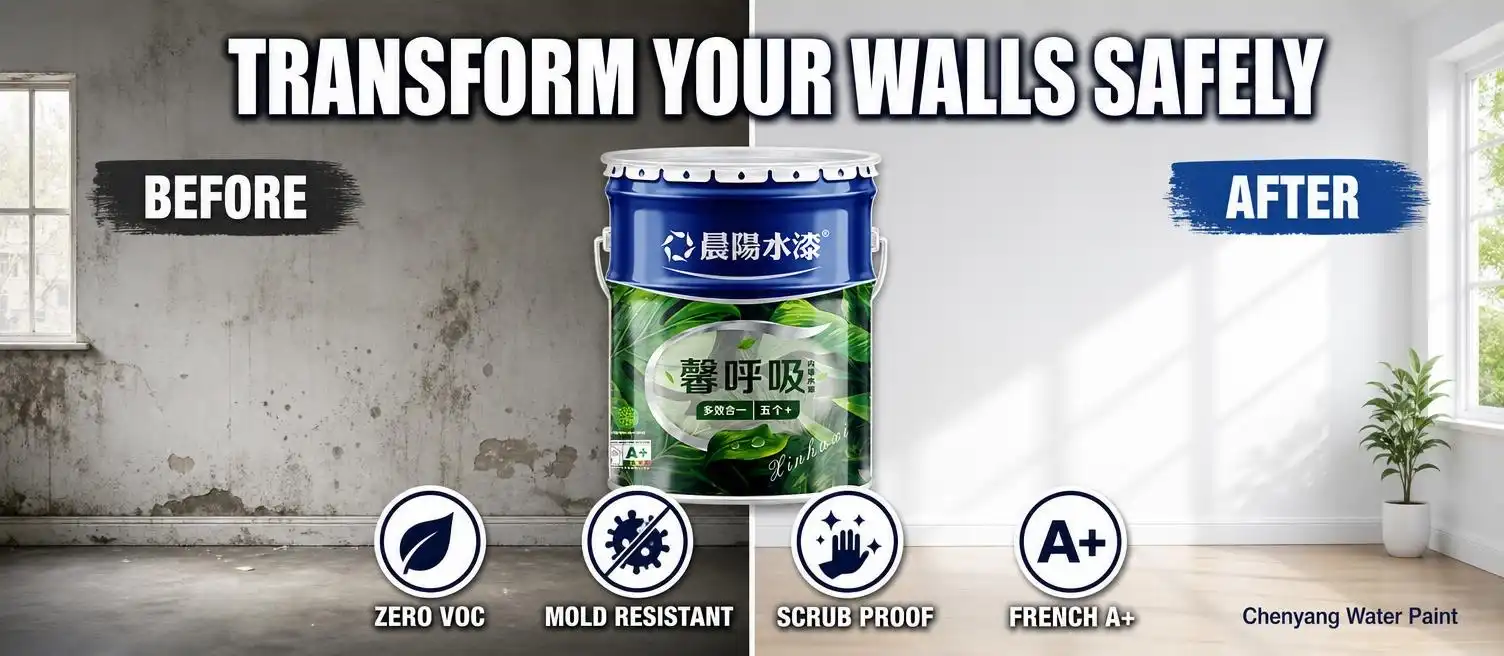
Understanding Non-Toxic No-VOC Paints: What Makes Them Different?
Traditional solvent-based paints give off volatile organic compounds while they are being applied and dried. These compounds can irritate the lungs, cause headaches, and pose long-term health risks. These effects are grouped together and are called "sick building syndrome." Through formulas made of 100% acrylic resins, silicate binders, and mineral pigments that keep molecular stability without off-gassing, non-toxic no-VOC paint allays these worries.
The Chemistry Behind Zero-Emission Coatings
Water-based polymer technology uses clean water instead of chemicals that come from petroleum as the main transport medium. Coalescence, not chemical evaporation, is how modern acrylic resins make lasting film coats. This means that the paint cures by water evaporation alone. Because of this basic difference, the room can be used right away after application, instead of having to be closed off for 72 hours like with regular paints. Since glycol ethers and aromatic hydrocarbons are not present, there are no toxic smells that stay or air pollution inside.
Health Benefits in Sensitive Environments
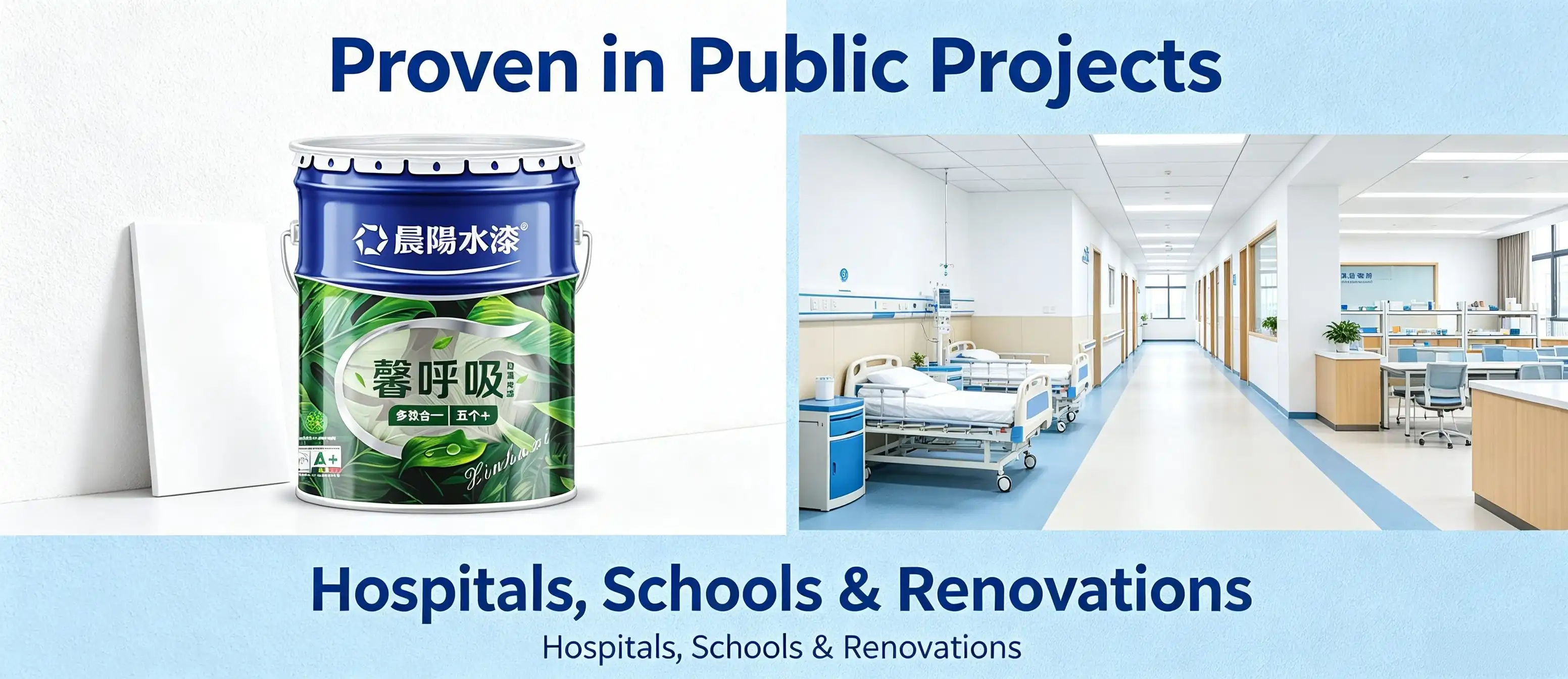
Healthcare centers, schools, and homes for vulnerable people all gain greatly from coatings that produce no emissions. Environmental Health Perspectives studies show that low-VOC settings cut asthma triggers by as much as 40% compared to rooms painted with regular paints. The fact that these formulations don't contain neurotoxic chemicals makes them especially useful in infant wards, care facilities for the old, and schools where developing health can't be compromised.
Environmental Sustainability and Corporate Responsibility
In addition to protecting people's health, zero-emission paints make a real difference in protecting the earth. Less greenhouse gas emissions are released during manufacturing, and there is no formation of ground-level ozone, which is an important factor in managing air quality in cities. LEED-certified projects need to show proof of VOC content, so these coatings are necessary to get green building approval and meet company green goals.
| Parameter | Specification |
|---|---|
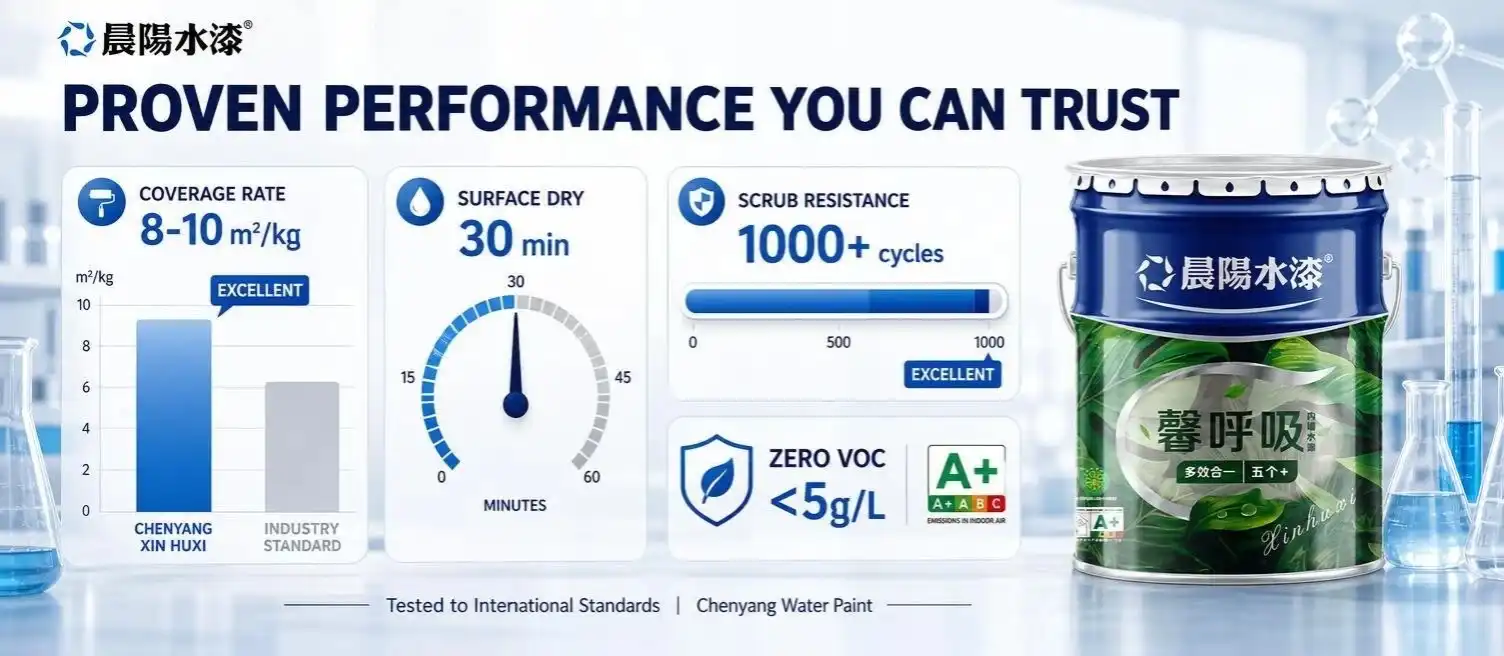
| Coverage Rate | 8-10 m²/kg per coat |
| Dry Film Thickness | Approximately 30 microns |
| Dilution Ratio | Roller/Brush ≤20%; Airless Spray ≤10% (clean water) |
| Surface Dry Time | 30 minutes at 25-30°C |
| Hard Dry Time | 60 minutes at 25-30°C |
| Recoat Interval | ≥2 hours |
| Application Methods | Roller, brush, spray (airless spray recommended) |
| Application Temperature | 5-35°C, humidity <85% |
| Substrate Requirements | Moisture content <10%, pH value <10 |
| Packaging | 20kg/bucket, 25kg/bucket |
| Storage Temperature | 5-35°C, cool and dry location |
| Tool Cleaning | Clean with water immediately after use |
| Color Options | White base with custom color matching available |
Non-Toxic No-VOC Paint vs. Traditional and Alternative Paint Solutions
A lot of the time, procurement managers get "low-VOC," "zero-VOC," and truly non-toxic no-VOC paint formulas mixed up. Understanding these differences keeps you from making costly mistakes with specifications and makes sure you follow the rules.
Toxicity and Performance Comparisons
Traditional alkyd-based paints have 300 to 500 grams of volatile organic chemicals per liter, so you need to wear safety gear and ventilation tools while you're painting. Low-VOC options cut this down to 50–150 grams per liter, but they still give off pollution that can be measured. Gas chromatography tests according to ASTM D6886 guidelines show that real zero-VOC water-based coatings are below the limits of detection. Performance testing using ASTM D2486 scrub resistance methods shows that current zero-emission formulations can withstand more than 1,000 cycles, which is the same as or longer than the durability of traditional paint while still hiding better with contrast ratios above 0.95.
Certification Standards for B2B Procurement
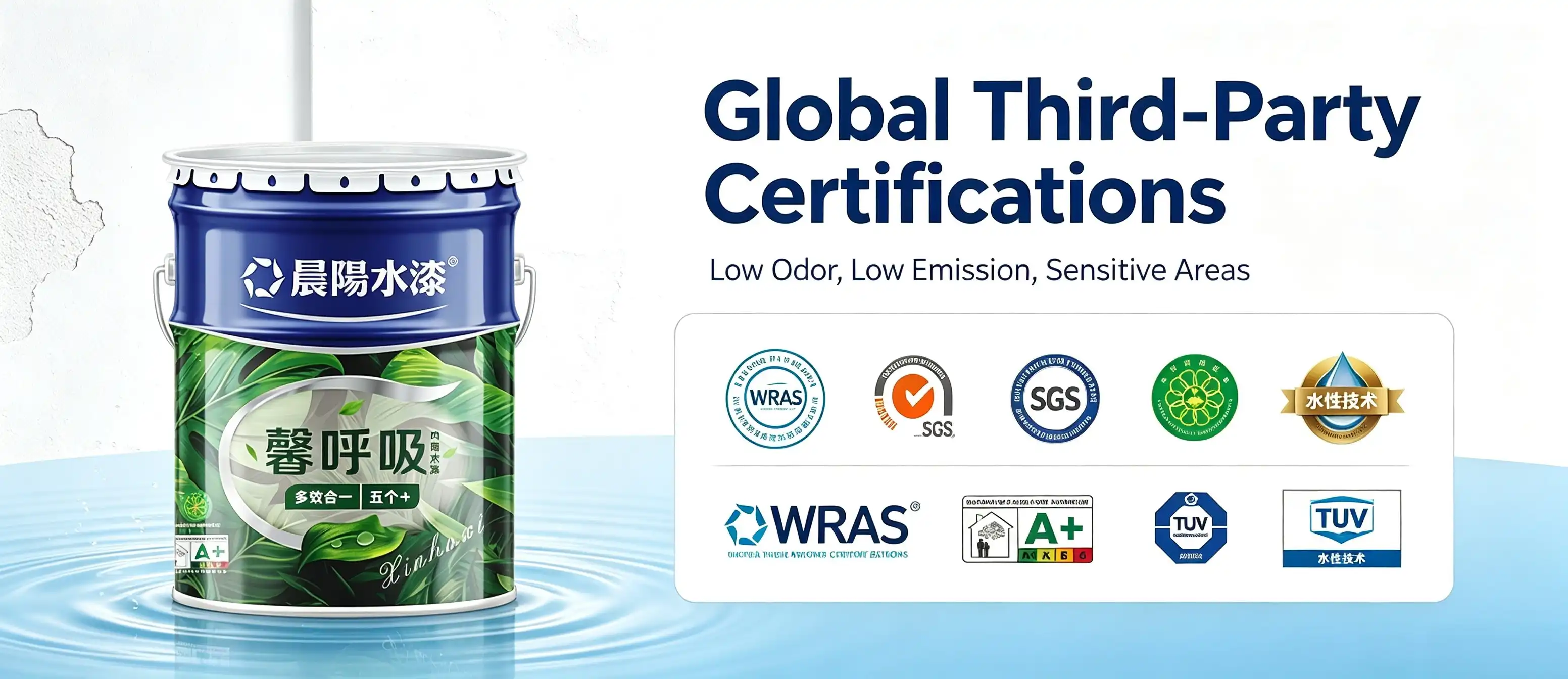
Instead of just believing what the maker says, professional buyers should check third-party approvals. GREENGUARD Gold approval shows that pollution is below strict limits for vulnerable groups. After 14 days, California's CDPH Standard Method V1.2 measures the total amount of VOC emissions. Products that meet the standards report less than 0.5 mg/m³. The Blue Angel approval from Germany and the French VOC Emissions Label (A+ grade) are examples of European standards. These outside checks give buying teams proof that the work they've done is legal and protects them from being sued.
Misconceptions About "Natural" Paint Alternatives
Some marketers say that paints made from plants or minerals are naturally better than other options. Some natural mixtures work well, but plant oils and citrus-based solvents can give off VOCs that can make people allergic. Thorough testing is more important than marketing claims—paints made from casein or clay may not last long enough or be easy to clean for industrial use. When making decisions about what to buy, approved emission data and performance standards should be given more weight than marketing promises.
Selecting the Right Non-Toxic No-VOC Paint for Your Projects
To make a good specification, you have to balance a lot of professional factors with the needs of the job and your budget. The following factors help you choose the best product for a wide range of uses.
Coverage Efficiency and Economic Value
Premium zero-emission coatings should cover about 8 to 10 square meters per kilogram per coat, with a dry film layer of 30 microns being the best. A higher solids percentage means better hiding power and fewer coats are needed, which lowers work costs even if the materials cost more. Finding the total installed cost per square meter, which includes work, surface preparation, and recoat intervals, often shows that premium formulas are a better deal than cheaper options that need more coats.
Durability Specifications for Commercial Applications
Commercial settings with a lot of foot traffic need non toxic no VOC paint that is very easy to clean and doesn't wear down easily. Cross-hatch adhesion testing according to ASTM D3359 makes sure that the adhesive sticks well to walls, brickwork, and surfaces that have been painted before. Vapor permeability rates above 10 perms let moisture pass through while protecting the substrate from damage. This is important for outdoor uses and rooms with a lot of humidity. Chen Yang Water Paint's Xin Huxi Multi-functional Five-in-One Plus is approved to be resistant to mold, germs, and alkalis. It was made to work well in kitchens, bathrooms, and places where kids or older people live.
Color Customization and Application Methods
Professional-grade zero-emission paints let you change a lot of colors using special zero-VOC coloring systems that don't change the emission profile of the base paint. Standard colorants often add VOCs, which cancel out the health benefits of the main recipe. It's important for contractors to be able to use goods that can be applied with a roller, a brush, or an airless spray gun with little to no dilution (usually 20% for roller application and 10% for spray) to cut down on waste and speed up project finish. High-pressure airless spray is best for big industrial jobs because it covers the whole surface evenly, dries in about 30 minutes, and only needs to be recoated every two hours at room temperature.
Procurement and Logistics: How to Buy Non-Toxic No-VOC Paint Efficiently
Strategic buying practices keep costs low while making sure that supplies are reliable and that products are the same across multiple phases of a project.
Sourcing Strategies for International Buyers
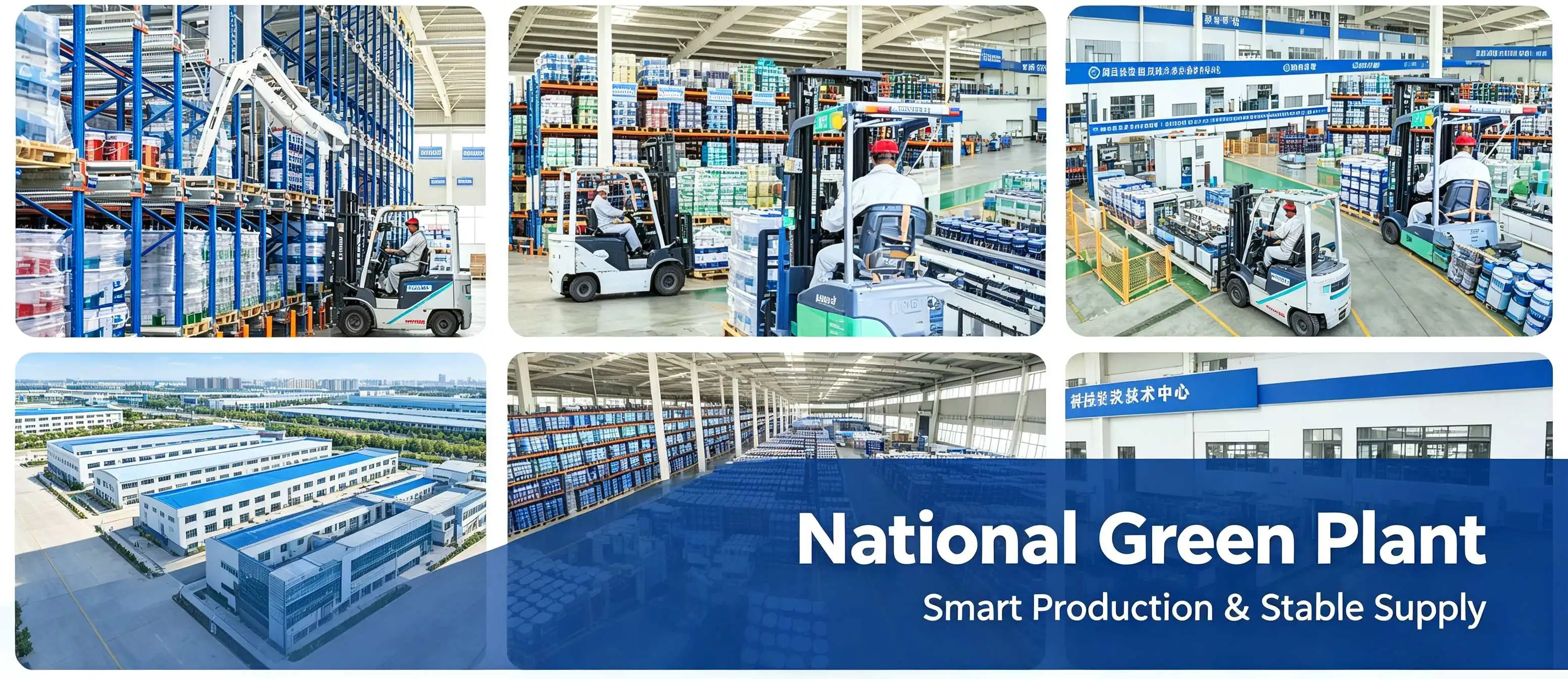
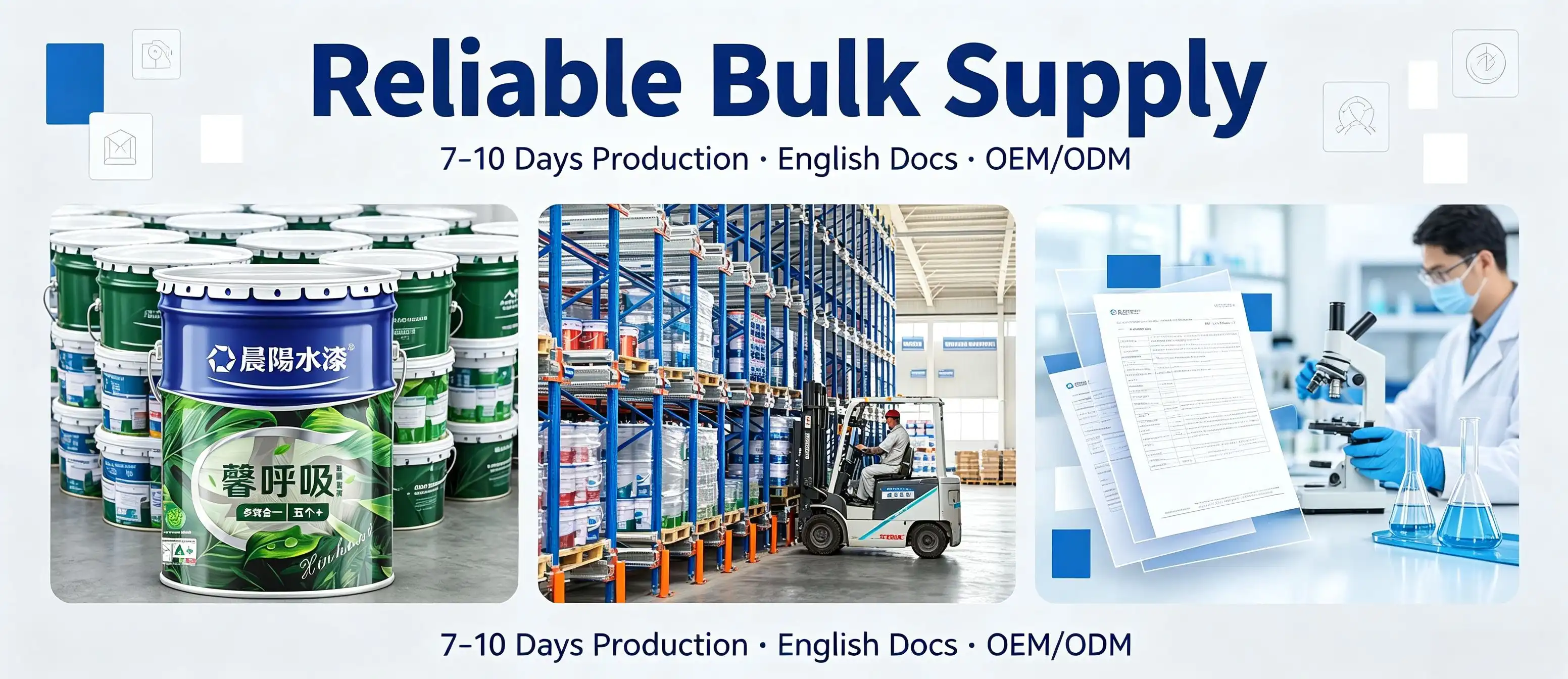
Direct connections with manufacturers are much better than networks of distributors in many ways. Suppliers who are vertically integrated can ensure stability across batches, work with custom formulas, and provide the technical documents needed for foreign shipping and regulatory compliance. Chen Yang Water Paint runs an automatic factory that can make more than a million tons of paint every year. This makes sure that there is a steady supply even during busy building seasons, since normal production rounds last between 7 and 10 days. International transport rules say that the company's water-based formulations are not dangerous materials. This makes clearing customs easier and lowers freight costs compared to solvent-based options that need paperwork for being hazardous materials.
Sample Testing and Quality Assurance Protocols
Sample review before the buy is the first step in responsible procurement. Before committing to big orders, testing small amounts lets you make sure of color accuracy, how well it applies, and how long it takes to dry on the job site. As part of quality assurance, the VOC content should be checked by a third-party lab, the adhesive should be tested on standard surfaces, and all technical data sheets and material safety data sheets should be read in English. Risk-free testing is possible with suppliers that offer flexible minimum order sizes, like buying just one bucket. However, ordering in bulk usually gets volume discounts and better freight terms.
Cost Optimization Without Compromising Quality
Comparing prices from several qualified sellers sets market standards, but the cheapest option rarely gives you the best value. When you negotiate long-term supply deals with yearly volume promises, you can often get better prices and make sure that your products will be available when the market runs out. When shipping goods internationally, combining orders to get container-load amounts greatly lowers the cost of freight per unit. Buyers should also look into freight-prepaid choices, in which the provider covers the costs of shipping. This is a common move by companies fighting for big business or institutional accounts.
Future Trends and Sustainability in Non-Toxic No-VOC Paints
The coatings industry continues to evolve toward stricter environmental standards and better performance, changing how non toxic no VOC paint is procured and giving early adopters a competitive edge.
Emerging Regulatory Requirements
The California Air Resources Board is continuing to make rules about building coatings stricter, and other states are doing the same. The updated Paint Directive from the European Union sets lower and lower VOC limits. By 2025, many uses will have to use formulas with no emissions. More and more, federal procurement rules say that government contracts must include environmental product statements and lifetime studies. Companies that work with approved zero-emission paint suppliers set themselves up well for future compliance needs and avoid the problems that come with having to switch products.
Innovations in Green Chemistry
New findings in research are making things work better without hurting people or the earth. Silver-ion antimicrobial methods kill germs for a long time without using harmful biocides. Biomimetic nanotechnology is used in Lotus-effect surface treatments to keep surfaces clean and resistant to spots and moisture. Bio-based acrylic resins made from green materials have smaller carbon footprints but work just as well as petroleum-based polymers. Chen Yang Water Paint has formulas that meet FDA food-contact standards and UK WRAS drinking water system approvals. These approvals show improved purity levels that prepare for stricter global standards in the future.
Strategic Procurement Alignment with Corporate Sustainability
Progressive businesses know that important details have a direct effect on environmental, social, and governance measures that investors and consumers are looking at more closely. Recording the purchase of zero-emission paint helps companies with their sustainability reports, boosts the image of the brand, and can help projects qualify for green building benefits and tax credits. Purchasing managers who actively seek out approved low-impact materials make a real difference in helping their companies reach their environmental goals and lower the legal risks that come with using old chemical formulations.
Conclusion
For new building and remodeling jobs, non-toxic no-VOC paint technology offers quantifiable health, environmental, and financial benefits. These modern water-based formulas get rid of dangerous fumes without lowering coverage, durability, or the number of looks they can create. If procurement workers know the technical differences between goods that really have no emissions and those that just make marketing promises, they can choose coatings that protect people's health, make sure buildings follow the rules, and provide long-term value. Strategic partnerships with certified makers that offer clear paperwork, open customization, and dependable supply lines put businesses in a better position to deal with changing regulations and support their sustainable goals.
FAQ
What certifications should I verify when sourcing non-toxic no-VOC paints?
GREENGUARD Gold for sensitive groups, EPA Method 24 verification showing VOC content below 5 g/L, California CDPH Standard Method V1.2 for long-term emissions, and foreign standards like Germany's Blue Angel or France's A+ grade are all good signs. Documentation from a third-party laboratory is an important way to confirm what the maker says.
Do zero-emission paints cost more than traditional options?
Premium zero-VOC formulas may cost more per gallon, but overall project costs often go down because they cover better, so fewer coats are needed, ventilation equipment isn't needed, and the room can be used right away, so there are no production losses. Lifecycle cost analysis tends to favor goods with no emissions.
Can zero-VOC paints perform in high-moisture environments?
Vapor-permeable materials and natural antimicrobial qualities are used in modern formulas that are specially made for humid situations. Products like Chen Yang's Xin Huxi series are great for toilets, kitchens, and areas where food is prepared because they don't absorb water well and stop mold growth with alkaline chemistry instead of dangerous fungicides.
Partner with Chen Yang Water Paint for Certified Zero-Emission Solutions
Chen Yang Water Paint is a reliable, non-toxic no-VOC paint company that has been working with water-based finishing technology for 28 years. Our Xin Huxi Multi-functional Five-in-One Plus line meets the standards of EU SGS, German TÜV, UK WRAS, and US FDA, which shows that we are committed to meeting foreign quality standards. We have worked on more than 100 industry standards and have over 1,000 patents, so you can be sure that we can handle even the most difficult tasks. Our yearly production capacity of a million tons and normal response time of seven to ten days make sure that projects of any size can depend on us for supplies. Email our team at sales@chenyangpaint.com to get detailed paperwork, set up sample tests, or talk about OEM/ODM customization that fits your needs. Let us show you why top building companies, hospitals, and government offices trust Chen Yang for their zero-emission coating needs.
References
1. Environmental Health Perspectives, "Volatile Organic Compounds and Respiratory Health in Occupational Settings," Journal of Environmental Medicine, 2021.
2. American Society for Testing and Materials, "ASTM D6886: Standard Test Method for Speciation of the Volatile Organic Compounds in Low-VOC and Zero-VOC Coatings," ASTM International Standards, 2020.
3. California Department of Public Health, "Standard Method for the Testing and Evaluation of Volatile Organic Chemical Emissions from Indoor Sources Using Environmental Chambers, Version 1.2," CDPH, 2017.
4. Green Building Council, "LEED v4.1 Reference Guide for Building Design and Construction: Indoor Environmental Quality Credits," U.S. Green Building Council, 2022.
5. European Commission, "Directive on Limitations of Emissions of Volatile Organic Compounds Due to the Use of Organic Solvents in Certain Paints and Varnishes," Official Journal of the European Union, 2019.
6. Zhang, L., et al., "Comparative Performance Analysis of Water-Based and Solvent-Based Architectural Coatings: Durability and Environmental Impact Assessment," International Journal of Sustainable Building Technology, 2023.
Send Inquiry
You may like