Non Toxic vs Low VOC Paint: Which One Should You Choose?
Low VOC formulations and non toxic no voc paint are two popular choices when selecting coatings for business-to-business projects that must meet environmental compliance requirements and work well. The main difference is the amount of pollution and the chemicals that are used. Low VOC paints have fewer volatile organic compounds—usually less than 50 grams per liter for flat finishes—but they still give off some dangerous gases when they are applied and when they dry. Alternatives that are non-toxic and have zero VOC, tested at less than 5 grams per liter using EPA Method 24, don't give off any emissions at all and don't contain any heavy metals, poisonous biocides, or hazardous air pollutants. This difference is important for projects that will be done in places like schools, hospitals, or kitchens where the air quality inside cannot be harmed.
Understanding Non Toxic and Low VOC Paints
Chemical Composition and Regulatory Standards
Low VOC paints follow basic environmental rules, but they still have solvents and chemicals that cause off-gassing. Glycol ethers and small amounts of aromatic hydrocarbons are often used in these mixtures to keep them workable and speed up the drying process. Even though they meet EPA guidelines, they still need enough air flow during the application and drying processes.
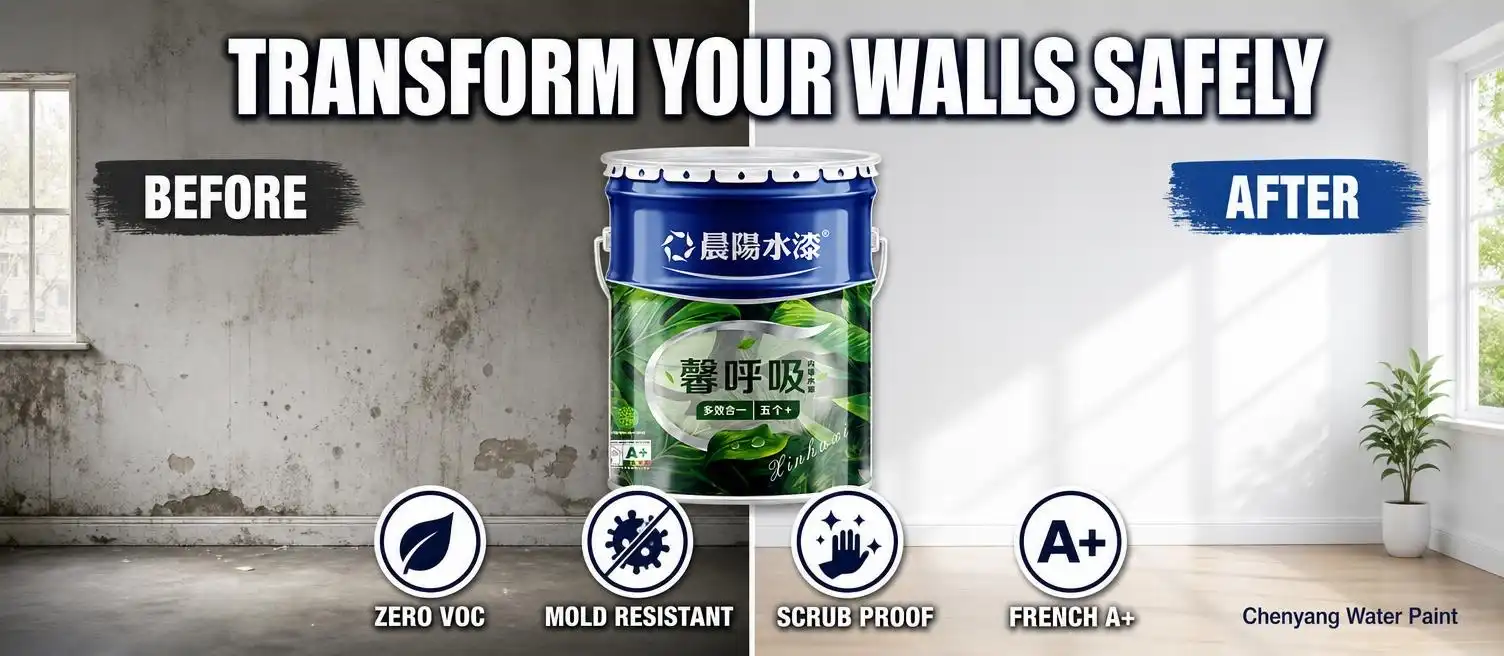
Zero-VOC paints, also known as non toxic no VOC paint, don't use any solvents that come from petroleum. Instead, they use 100% acrylic resins or silicate mineral binders. If zero-VOC colorants are used, advanced formulas can get VOC levels that can't be found even after coloring. Third-party approvals like GREENGUARD Gold are strict, and these goods follow California's CDPH Standard Method V1.2, which says that after 14 days, total VOC emissions must be less than 0.5 mg/m³. The Xin Huxi Multi-functional Five-in-One Plus from Chenyang Water Paint is an example of this technology. It has very low VOC levels, meets national environmental protection standards, and has French A+ approval for indoor air quality.
Health and Indoor Air Quality Benefits
When shopping for sensitive settings, the health effects of these two choices become very important. Long-term exposure to toxins like formaldehyde and benzene compounds is still possible with low VOC paints, but it is less likely than with higher VOC paints. Facilities with children, the old, or people who don't have strong immune systems need more protection measures.
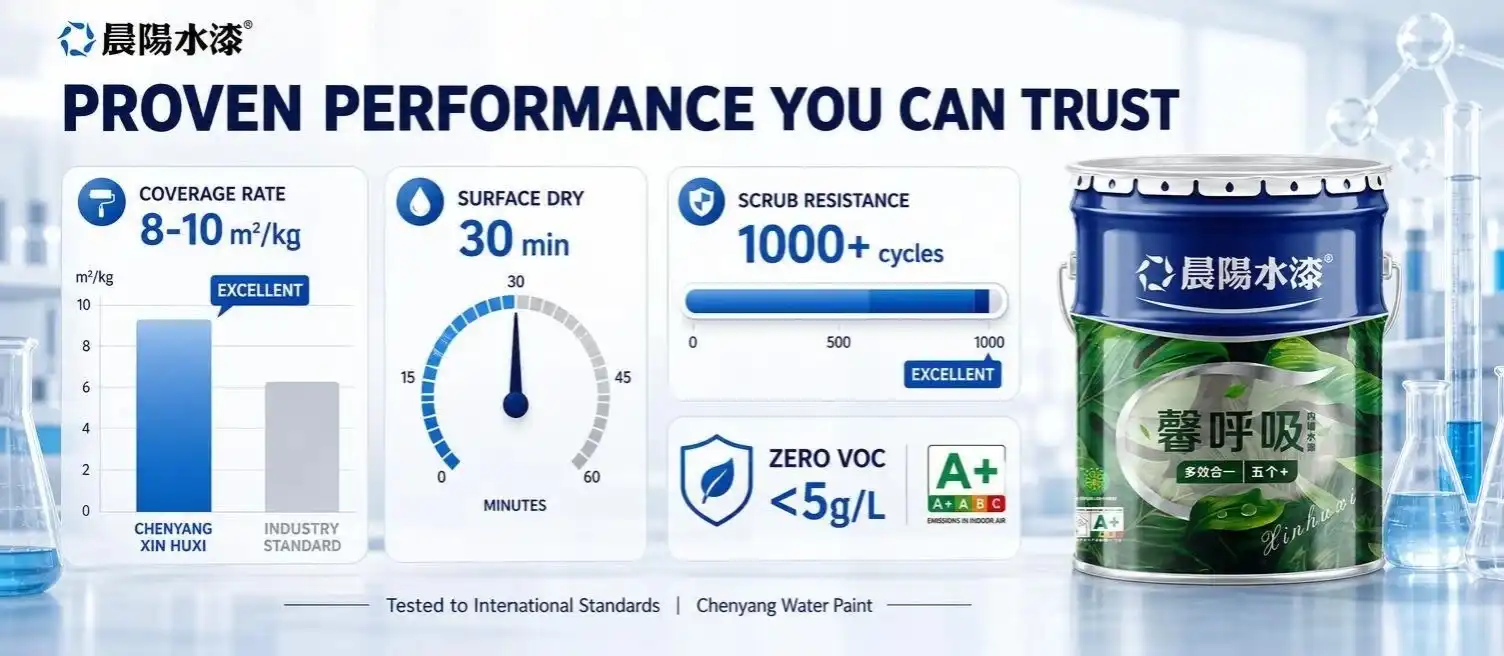
Zero-emission water-based coatings, including non toxic no VOC paint, stop Sick Building Syndrome because they don't need to be kept away from people for 72 hours like regular paints do. Maintenance crews can put coatings on overnight in busy hospital halls or surgery rooms, so people can move in right away without having to deal with chemical smells. Chenyang's Xin Huxi line has an odorless formula made with advanced water-based polymers that dry quickly—at normal temperatures, the surface dries in 30 minutes—allowing the facility to be used the same day. This feature cuts down on working downtime and solves the problem of scheduling buying around building occupancy.
| Parameter | Specification |
|---|---|
| Coverage Rate | 8-10 m²/kg per coat |
| Dry Film Thickness | Approximately 30 microns |
| Dilution Ratio | Roller/Brush ≤20%; Airless Spray ≤10% (clean water) |
| Surface Dry Time | 30 minutes at 25-30°C |
| Hard Dry Time | 60 minutes at 25-30°C |
| Recoat Interval | ≥2 hours |
| Application Methods | Roller, brush, spray (airless spray recommended) |
| Application Temperature | 5-35°C, humidity <85% |
| Substrate Requirements | Moisture content <10%, pH value <10 |
| Packaging | 20kg/bucket, 25kg/bucket |
| Storage Temperature | 5-35°C, cool and dry location |
| Tool Cleaning | Clean with water immediately after use |
| Color Options | White base with custom color matching available |
Performance and Application Considerations
Durability and Mechanical Properties
A lot of the time, purchasing managers wonder if non toxic no VOC paint technology makes things less durable. These performance gaps have been filled in a big way by modern water-based formulas. Products that meet ASTM D2486 standards can now withstand more than 1,000 rounds of being scrubbed, which is the same as or better than solvent-based choices. Chenyang's Xin Huxi coating has a thick, tough film structure that meets the highest standards for washability. This addresses the common worry about how often business areas with a lot of foot traffic need to be cleaned.
The coating's antibacterial features make it more useful than just long-lasting. The film doesn't let stains stick and mold grow without using harmful fungicides because it uses unique lotus leaf surface protection technology. This is very important in damp places like business kitchens, industrial bathrooms, and facilities near the coast, where wetness can damage coatings. The waterproof and airy properties of the mixture keep foundation moisture from building up, which lowers the risk of peeling and alkali return that damages walls over time.
Coverage efficiency has a direct effect on the cost of a job. High-quality zero-VOC products are thought to be used on 8–10 square meters per kilogram per coat, which is about the same as low-VOC options. The 30-micron dry film layer hides well with a contrast ratio greater than 0.95 according to ASTM D2805. This means that fewer coats are needed, which saves money on work.
Application Methods and Best Practices
The best performance from zero-emission paints comes from using the right applying method. Preparing the substrate is still very important—the wall's moisture content must stay below 10% and its pH must be less than 10 for it to stick properly. The temperature range for this application is between 5 and 35°C, and the humidity should be less than 85%. These conditions are easy to keep in controlled business settings.
Water-based formulas are easier to use when they are being applied. Using only clean water instead of chemical thinners keeps the dilution ratios low—20% or less for roller and brush applications and 10% or less for airless spray systems. This makes the workplace safer and lowers the risk of exposure for the application teams. Cleaning tools only takes water, so you don't have to pay to get rid of solvents or deal with the legal issues that come with toxic trash.
The two-hour recoat period makes it easy to plan the project's schedule. Contractors can apply more than one coat during the same work shift, which speeds up the time it takes to finish a job. Under normal conditions, Chenyang's products dry hard in just 60 minutes, which helps with the quick turnaround times needed for business repairs with tight deadlines.
Making the Right Choice for Your Project
Certification Requirements and Compliance Verification
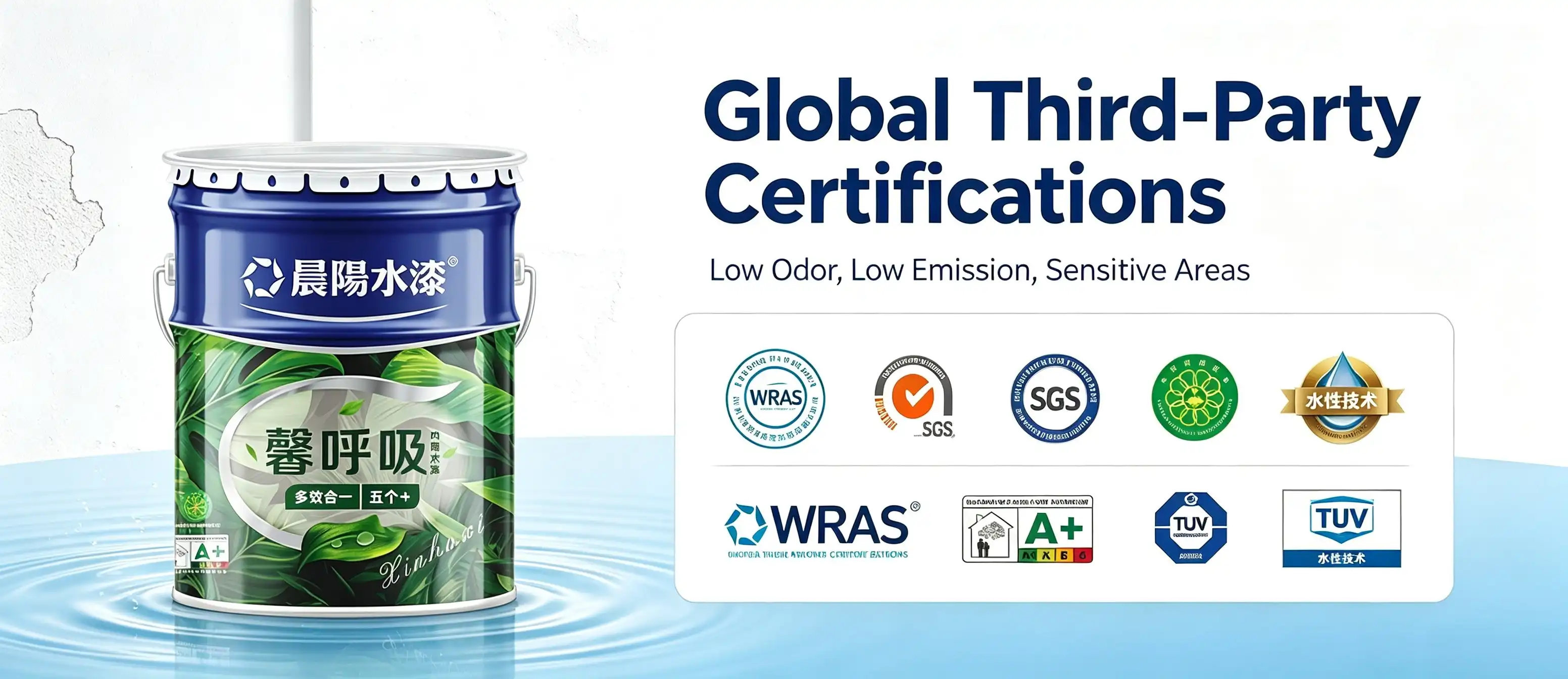
B2B purchasing choices depend on legal documents that can be checked. When doing business in developed countries with strict rules, international certifications are very important for making sure that a company meets the requirements. EU SGS testing clearance, UK WRAS standards for potable water contact, and US FDA food-contact grade approval for premium series goods are all part of Chenyang Water Paint's collection. These certificates get rid of legal risks and make writing specifications for international projects easier.
German TÜV approval is another way to be sure that the quality of a product meets the standards set by European purchasing rules. Ask a third-party lab to use ASTM D6886 gas chromatography to find individual trace volatile chemicals when you are reviewing sources. This amount of openness sets reputable makers apart from those making environmental claims that can't be backed up.
Matching Paint Type to Project Requirements
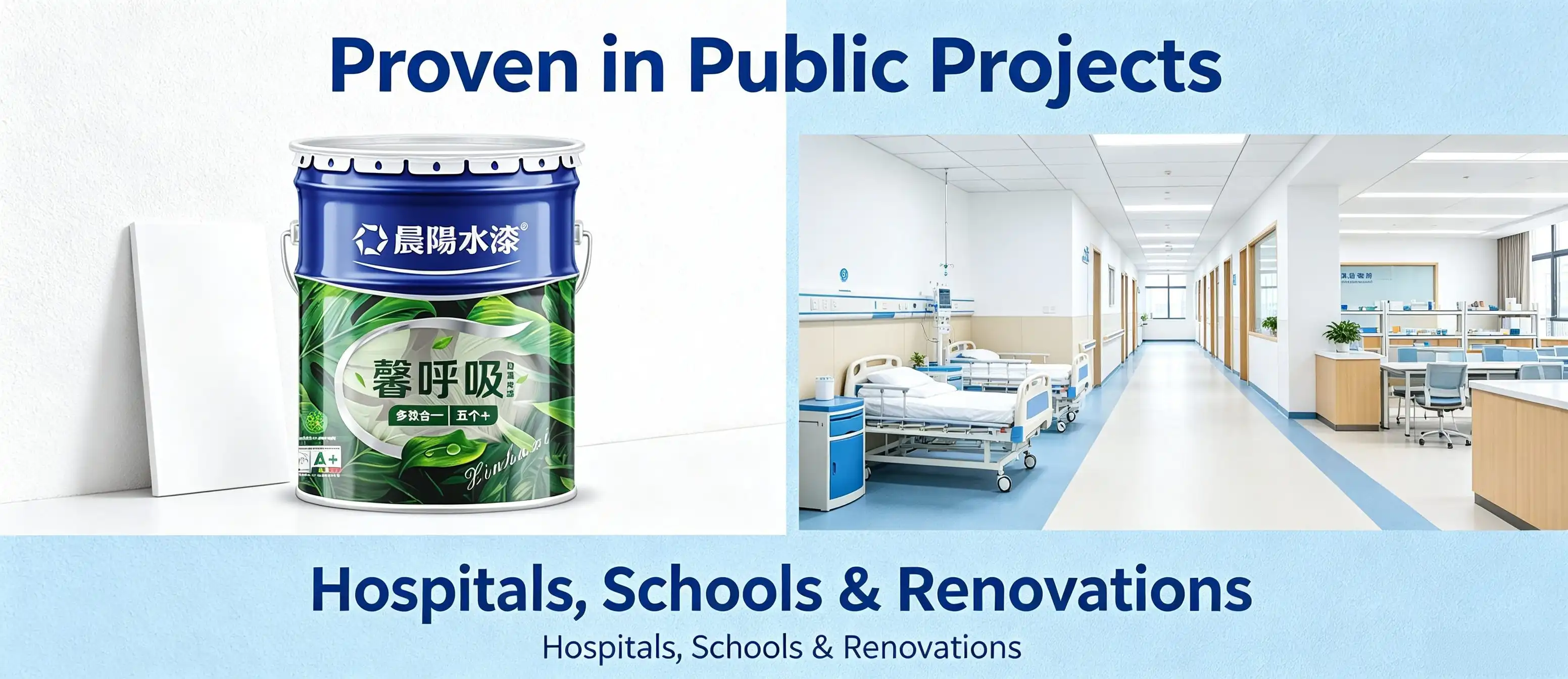
Coating options need to be customized for each type of building. For healthcare projects, schools, and food processing areas, non toxic no VOC paint formulas are best because they don't let chemicals move around or give off gases. The Xin Huxi Multi-functional Five-in-One Plus is designed for use inside places where older people and children live. It stops mold growth, kills germs, and gets rid of smells all in one system.
Low VOC choices may be enough for warehouses and production areas where people aren't allowed to be for industrial manufacturing sites with good ventilation systems. There are limits on budgets and performance standards that need to be balanced with government rules and companies' promises to be environmentally friendly.
When buying in bulk, cost-effectiveness includes more than just unit price. It also includes how hard it is to move the goods. Traditional oil-based and high-VOC goods are considered toxic, which makes exporting more difficult and raises shipping costs by requiring extra fees and limiting the carriers that can be used. Chenyang's water-based coatings are shipped as non-hazardous products, so all that is needed to get them through customs is normal MSDS paperwork and transport condition certificates. This benefit is very useful for foreign purchasing because it lowers costs and makes things easier to manage.
Leading Brands and Industry Solutions Overview
Market Leaders and Product Differentiation
Well-known names in North America include Sherwin Williams' Harmony line, Benjamin Moore's Natura series, and Behr's Premium Plus Ultra. All of these have zero-VOC base formulas. The GREENGUARD approval means that these items are safe to use in home projects. Procurement managers like how easy it is to get them through networks of distributors and established service support systems.
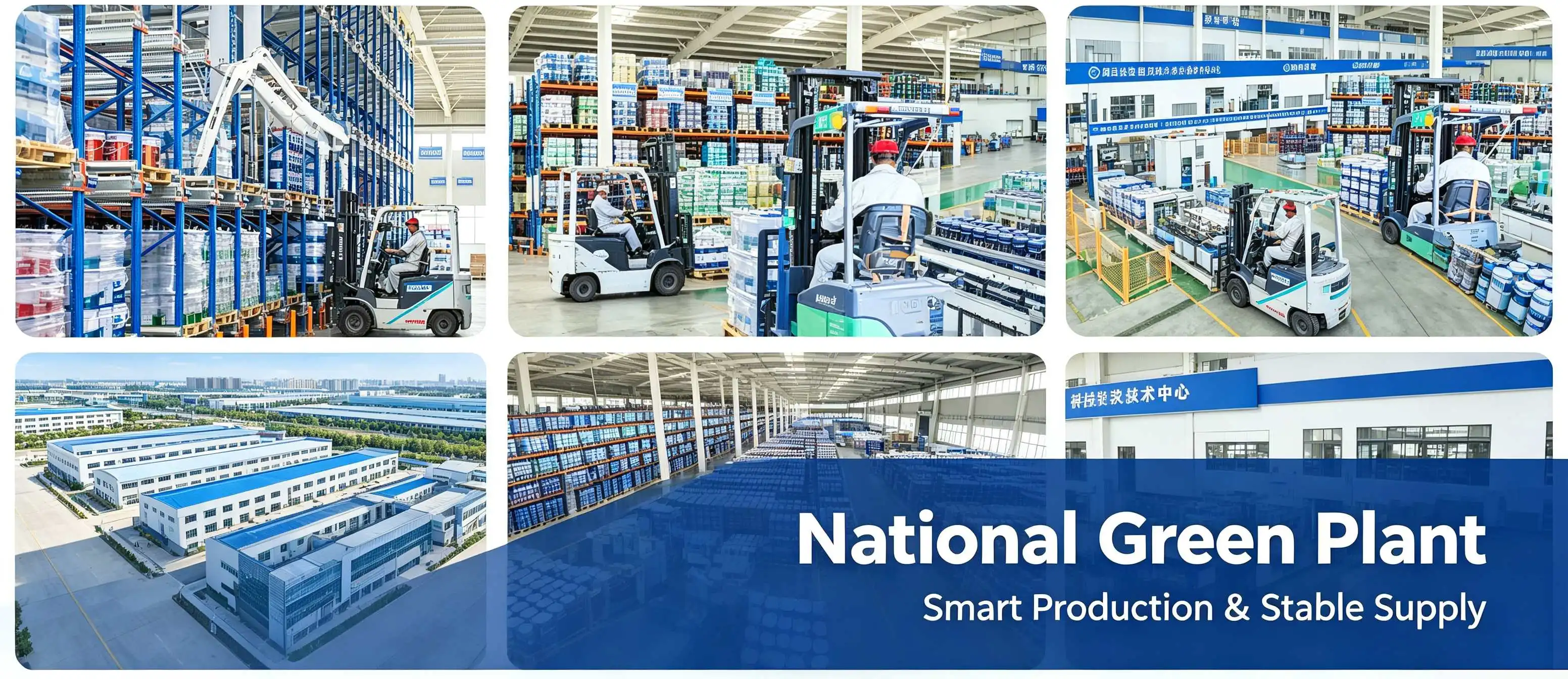
When international buyers are looking for options, they should look at makers with strong technical backgrounds and large production capacities. Chenyang Water Paint runs a national-level green plant that can make more than a million tons of paint every year. This makes sure that there is a steady supply during busy building seasons. The company's work on China's National 863 Program and famous projects like Tiananmen Square and the Beijing National Stadium shows that it can meet the highest building standards.
Their products are made to be water-based and can be used for home art, building projects, commercial purposes, and wood coatings. With this wide range of products, procurement teams can combine suppliers, which makes managing vendors easier and could lead to big savings across many product categories.
Supply Chain and Customization Capabilities
Global purchasing needs production partnerships that can be fluid. Chenyang provides OEM and ODM services, such as private labeling, custom color formulation, and package specs that are made to fit the needs of the regional market. Minimum order amounts start at a single 20- or 25-kg bucket, and freight-prepaid choices are available. This makes it possible for both small-scale tests and large-scale operations.
Standard conditions mean that production lead times are between 7 and 10 days. This supports just-in-time stocking tactics that keep storage costs as low as possible. Product variation between orders is a regular problem for buyers, but the company's automated production methods make sure that the quality of each batch is always the same. Shipments come with full English technical documents, such as TDS and MSDS files, which makes it easier to register projects and file regulatory paperwork in foreign markets.
Export labeling that is easier to understand is good for distribution operations. Water-based formulations get around the problems of sending dangerous goods, so they can be used with regular freight companies, and the transit time is cut down. This benefit is especially useful for projects that take place in more than one country and need to organize the arrival of materials, which can affect building schedules.
Conclusion
Choosing between low-VOC paint and non toxic no VOC paint comes down to the needs of the job in terms of indoor air quality, regulatory compliance, and operational constraints. Zero-emission water-based paints are great for healthcare, education, and food-contact areas because they protect people's health better and don't cause access delays. Their non-hazardous rating makes international shipping easier while still meeting the high standards for sturdiness needed in business settings. The Xin Huxi Multi-functional Five-in-One Plus from Chenyang Water Paint is an example of this new technology because it is certified for environmental protection, protects against microbes, and dries quickly. Teams in charge of buying things should look for providers that have foreign certifications that can be checked, a lot of production capacity, and customization options that can meet all of a business's coating needs.
FAQ
Is non toxic paint truly safe for children's facilities and healthcare settings?
Genuine zero-VOC versions that don't contain harmful air pollutants don't pose much of a risk to sensitive groups. Check claims with third-party approvals like GREENGUARD Gold, which checks for pollution that could hurt children and sensitive people. Chenyang's goods are safe for places like schools and nursing homes for seniors because they meet French A+ and national environmental protection standards.
How can I verify a supplier's no VOC content claims?
Ask for tests to be done by a separate lab using ASTM D6886 gas chromatography analysis, which can find individual volatile compounds at very low amounts. Instead of just believing what the maker says, look at certification papers from well-known groups like EPA, SGS, and TÜV. Suppliers with a good reputation give test records that are specific to each batch and keep clear quality control methods that procurement teams can access.
Does zero-VOC paint cost more than low VOC alternatives?
Zero-emission goods often have lower overall costs of ownership, even if they cost 10-15% more per unit at first. The higher price is balanced by the fact that ventilation breaks, disposal fees for toxic trash, and easier handling for non-hazardous materials are no longer needed. When you buy in bulk from makers with a lot of capacity, like Chenyang, you can keep the supply going while also reducing price differences.
Partner with Chenyang Water Paint for Certified Zero-Emission Solutions
Chenyang Water Paint's 28 years of experience with water-based coatings and widely recognized certifications can be used by teams looking for a trustworthy non toxic no voc paint provider. Our Xin Huxi Multi-functional Five-in-One Plus has been approved by EU SGS, German TÜV, UK WRAS, and the US FDA. It protects against germs, is easy to clean, and can be used right away. We can make more than a million tons of goods every year, and our normal production cycle lasts seven to ten days. This gives multinational projects the supply security and expert help they need. Contact our team at sales@chenyangpaint.com to get product samples, bulk prices, and full English paperwork. We'll also be happy to talk about custom formulations that meet your specific performance and environmental needs.
References
1. United States Environmental Protection Agency. (2021). Technical Overview of Volatile Organic Compounds in Paint and Coatings. EPA Office of Air Quality Planning and Standards.
2. ASTM International. (2020). ASTM D2486 - Standard Test Methods for Scrub Resistance of Wall Paints. ASTM Committee D01 on Paint and Related Coatings.
3. California Department of Public Health. (2019). Standard Method for the Testing and Evaluation of Volatile Organic Chemical Emissions from Indoor Sources Using Environmental Chambers, Version 1.2.
4. Green Seal Organization. (2018). GS-11 Standard for Paints and Coatings: Environmental Requirements and Performance Standards for Sustainability Certification.
5. Building Research Establishment. (2022). Indoor Air Quality in Commercial Buildings: Impact of Low and Zero-VOC Coating Systems. BRE Global Research Publications.
6. National Institute of Environmental Health Sciences. (2020). Health Effects of Volatile Organic Compounds in Indoor Environments: A Comprehensive Review. NIEHS Division of Extramural Research and Training.
Send Inquiry
You may like