Painting with Water-Based Paint: Applications and Benefits
Water-based architectural paint is always the answer when project managers and sourcing heads ask about the future of environmentally friendly coatings. This advanced coating system uses water as the main solvent for resins and pigments, so it doesn't have to deal with the harmful fumes and complicated operations that come with solvent-borne options. Water-based architectural paint formulations offer measurable performance benefits while making compliance easier and lowering the total cost of ownership for building companies, healthcare facilities, and industry makers that have to meet tightening environmental rules and tight project timelines.
Understanding Water-Based Architectural Paint
Composition and Formulation Technology
It has been seen that current water-based architectural paints use advanced emulsion polymerization methods to mix acrylic, vinyl-acetate, or polyurethane resins with water. Traditional oil-based systems use organic liquids to form films. These formulas, on the other hand, form films by coalescence as water evaporates. The shape of the polymer is designed to be a good mix of flexibility and hardness by controlling the Minimum Film Forming Temperature (MFFT) factors. The glass transition temperature (Tg) is changed by good makers to make sure that finishes last in all kinds of weather.
Common Types and Their Applications
Acrylic emulsions are used a lot in business and industry because they are better at resisting UV light and sticking to surfaces. These mixtures keep their color very well and don't chalk even when left out in the sun for a long time. Latex-based versions are affordable options for indoor jobs that need to let air flow and keep moisture away. The opacity of both types meets building requirements and is tested by the contrast ratio test according to ASTM D2805 standards.
Environmental and Performance Certifications
Environmental qualifications must be able to be checked by regulators. Products that meet EU SGS testing standards, UK WRAS approval for touch with drinking water, and US FDA food-grade certification give buying teams peace of mind that they are reducing risk. These certificates show that the product meets the requirements for LEED v4 green building projects, has a volatile organic compound (VOC) content below 50 g/L, and is in line with REACH rules. According to ISO 11998 Class 1 standards, German TÜV testing confirms durability measures such as resistance to wet scrubbing.
Benefits and Limitations of Water-Based Architectural Paint
Operational Advantages for Large-Scale Projects
The ability to dry quickly changes how well project schedules work. At normal temperatures, the surface dries in 30 minutes, and it can be coated again in just two hours. This shortened schedule cuts down on building downtime and speeds up occupancy, which is very important for healthcare upgrades and business fit-outs that need to be done quickly. Because it has a low odor profile, it doesn't need as much air, so places nearby can stay open while it's being applied.
Compared to solvent-based options, safety levels are much better. Water-based architectural paint formulations that aren't dangerous lower the risk of fire during storage and use, which lowers insurance costs and makes safety rules easier to follow on the job site. There aren't many breathing risks for workers, so they don't need any extra personal protective equipment (PPE) beyond basic respirators. Water-based goods are usually not considered dangerous, so getting rid of them is easier. This is because they don't require as much paperwork or special disposal fees as hazardous trash does.
Performance Considerations and Mitigation Strategies
Because temperature and humidity are sensitive, applications need to be carefully planned. To make sure the film coalesces properly, we suggest keeping the temperature between 5 and 35°C and the relative humidity below 85%. Because cold or damp materials can make bonding worse, it is important to test the surface temperature before starting to apply. Wet Film Thickness (WFT) rules must be followed when coatings are applied too thickly in humid situations to avoid mud-cracking flaws.
In industrial settings, chemical protection may mean that special formulas are needed. Standard acrylic systems don't react with most cleaning agents, but when they are exposed to strong acids or alkaline solutions, they need more cross-linking chemistry. Teams in charge of buying things should ask for technical data sheets that list chemical resistance scores for the types of exposure that are likely to happen in their sites.
How to Apply Water-Based Architectural Paint: A Practical Guide
Surface Preparation Protocols
Long-term coating success depends on how well the base is prepared. Masonry surfaces need to be tested for alkalinity because the pH levels of new concrete can make it hard for things to stick. Using primers that are resistant to alkalis makes a stable base for topcoats. Degreasing and rust cleaning are needed on metal surfaces, and then corrosion-inhibiting primers must be used to stop oxidation bleed-through. Checking the moisture content of wood surfaces is helpful; readings above 15% moisture mean that the surface isn't drying properly and could fail to stick in the future.
Application Methods and Equipment Selection
High-pressure airless spray systems work best on big vertical surfaces because they create a uniform film thickness with little overspray. Spray parameters need to be set to 0.015 to 0.021-inch tip sizes and 1500 to 3000 PSI pressure levels, based on the thickness. For medium-sized jobs, 3/8-inch nap rollers work best on smooth surfaces and 3/4-inch nap rollers work best on textured fabrics. Brush methods are still useful for trimming and fine-tuning areas that need to be exact.
The dilution ratio affects how the water-based architectural paint film is applied and how it turns out. For roller or brush application, we reduce by no more than 20% and only use clean water to keep things from getting dirty. For airless spray processes, up to 10% dilution is allowed to get the right atomization while still keeping enough solids for covering power. If you dilute the film too much, it loses thickness below the 30-micron dry film requirement. This makes it less durable and invalidates the guarantee.
Safety and Compliance Requirements
Even though they are less dangerous than liquid systems, they still need good air to keep workers comfortable and stop moisture from building up. When there is enough air flow, humidity doesn't build up, which slows down the drying process. Local environmental rules must be followed when getting rid of used paint and cleaning water. In many places, small amounts can dry solid before they can be thrown away normally, but larger amounts need to go through the right wastewater treatment process.
Spotlight on Chenyang's Proud Sun Pure Love Series
Our engineering and purchasing teams often look at items that are good for both efficiency and the environment. The Proud Sun Pure Love line from Chenyang Water Paint shows how far technology has come in water-based architectural paints today. With its verified compliance records and combined set of features, this product line solves a number of buying problems.
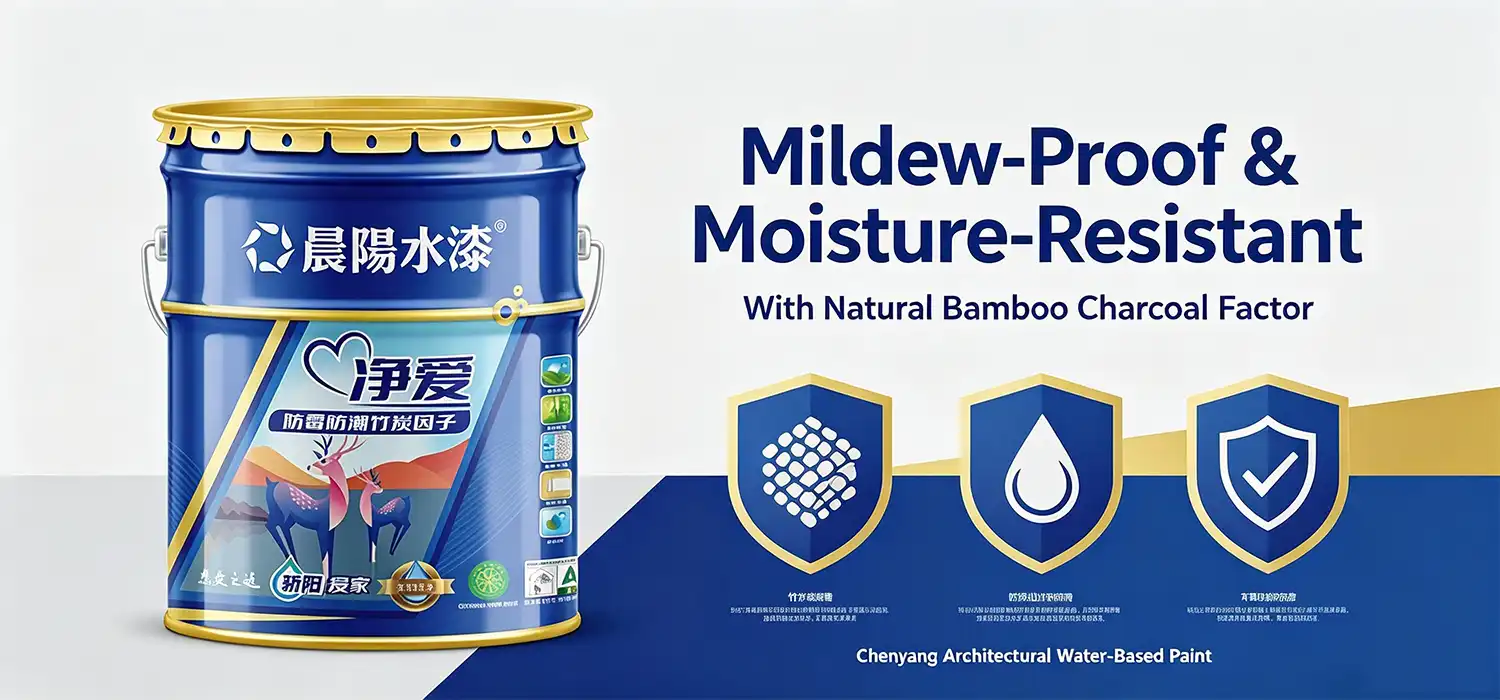
The bamboo charcoal in the recipe actively absorbs volatile organic compounds, which does more than just meet low-VOC standards to improve the quality of the air inside. This solves important problems in places like hospitals, schools, and businesses where people's health affects their choices to buy things. The mixture meets the mold resistance standards set by GB/T 1741-2020, which is important for humid areas and below-grade uses where controlling moisture keeps expensive repairs from having to be done.
The flexible packaging choices (6 kg, 20 kg, and 25 kg) make it easy to move the materials for projects of all sizes, from small repairs to multi-building developments. The white base formula lets you match colors exactly, which makes inventory easier for sellers who work with a wide range of building needs. Theoretical coverage of 11–12 square meters per liter per coat makes it possible to accurately estimate the amount needed when putting together bids, which cuts down on waste and keeps costs down.
The quick full cure time of one hour at normal temps speeds up the time it takes to finish a job. With great resistance to water and scrub resilience that meets national standards, this formulation provides lifetime value that makes the purchase investment worthwhile. The warranty term, which can last from 5 to 10 years based on the conditions of the application, protects specifiers and building owners financially.
Comparing Water-Based Architectural Paint with Other Paint Types
Performance Metrics Analysis
Modern water-based architectural paints are just as durable as or more durable than oil-based options in most situations. When the right starters are used, the adhesion strength tested according to ASTM D3359 shows the same level of bond quality. Wet-scrub resistance tests according to ISO 11998 show Class 1 performance for high-quality water-based goods, which means the film will stay intact even after being cleaned many times. Testing for UV stability according to ISO 16474 accelerated weathering methods shows that the color will stay true and there will be little chalking after long periods of exposure.
Cost-Benefit Considerations
It may look like the initial prices of materials for water-based goods are 10-15% higher than those for oil-based alternatives, but the overall economics of the project favor water-based systems. Faster drying cuts down on labor costs and lets multiple coats be applied in one day, which shortens the time it takes to finish a job. Getting rid of fees for transporting and getting rid of dangerous materials lowers the cost of shipping. Overhead costs go down over the course of a project because insurance rates go down and safety rules are easier to follow.
Regulatory Compliance Advantages
Through VOC limits and air quality guidelines, environmental laws are making it harder to use solvent-based paints. Water-based formulas naturally meet the strict California SCAQMD rules that say building coatings can't have more than 50 g/L of VOC. This aligning of regulations gets rid of the risk of fines for not following the rules and the costs of remaking products as environmental standards get stricter. Products that are approved to more than one international standard give companies that do business in different places with different rules more buying options.
Procurement Insights: Selecting and Purchasing Water-Based Architectural Paint
Supplier Evaluation Criteria
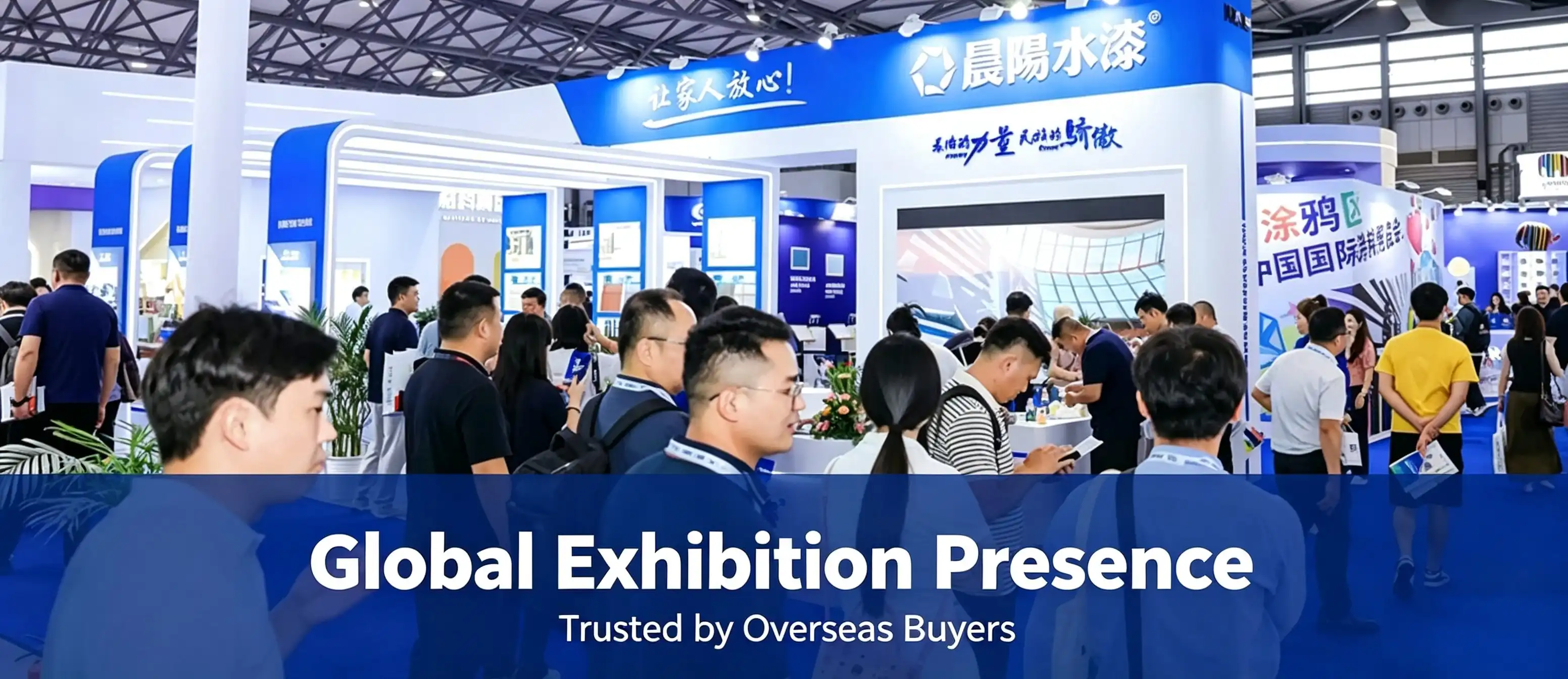
Strategic partners are different from basic sellers because they have better technical skills. We give more weight to makers whose patent portfolios include more than 1,000 new ideas and who help create industry standards. Chenyang's water-based architectural paint work on China's National 863 Program and famous buildings like Tiananmen Square and the Bird's Nest Stadium shows that their products can be trusted to meet strict requirements.
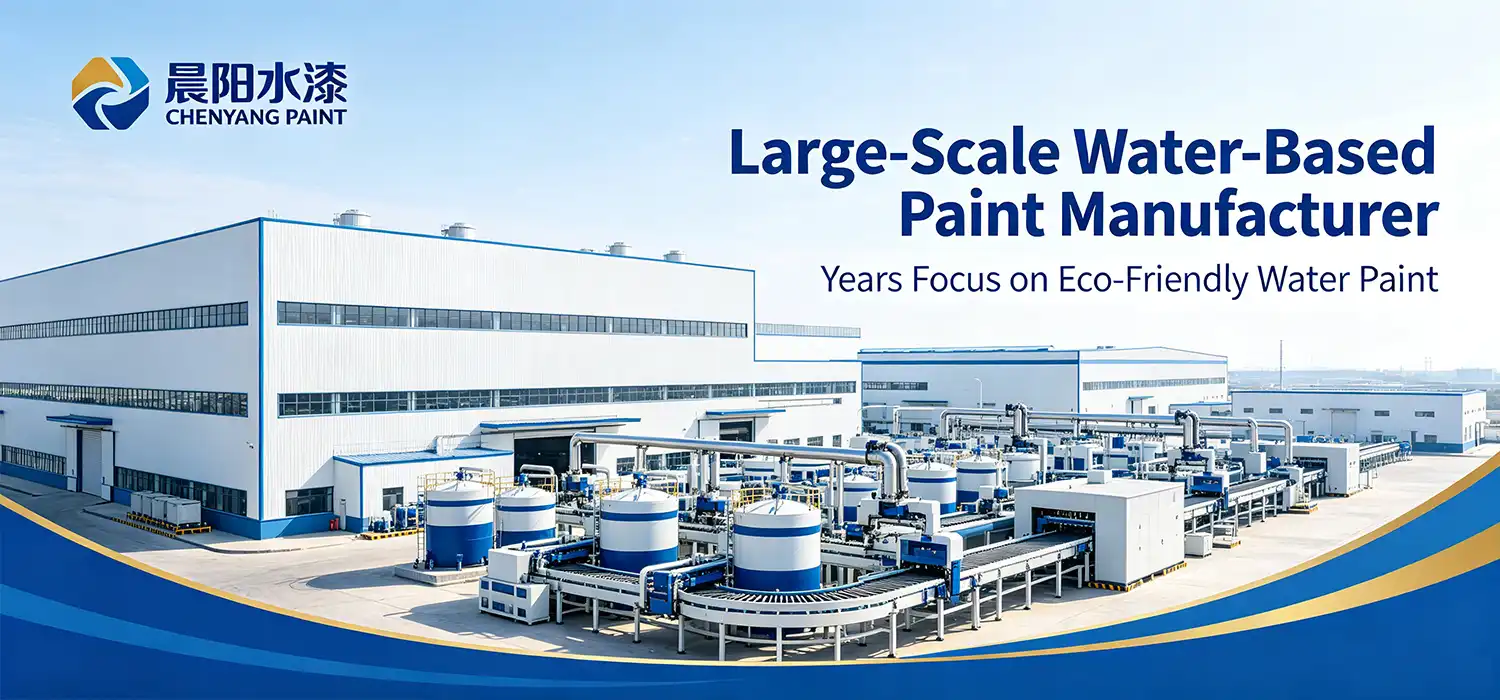
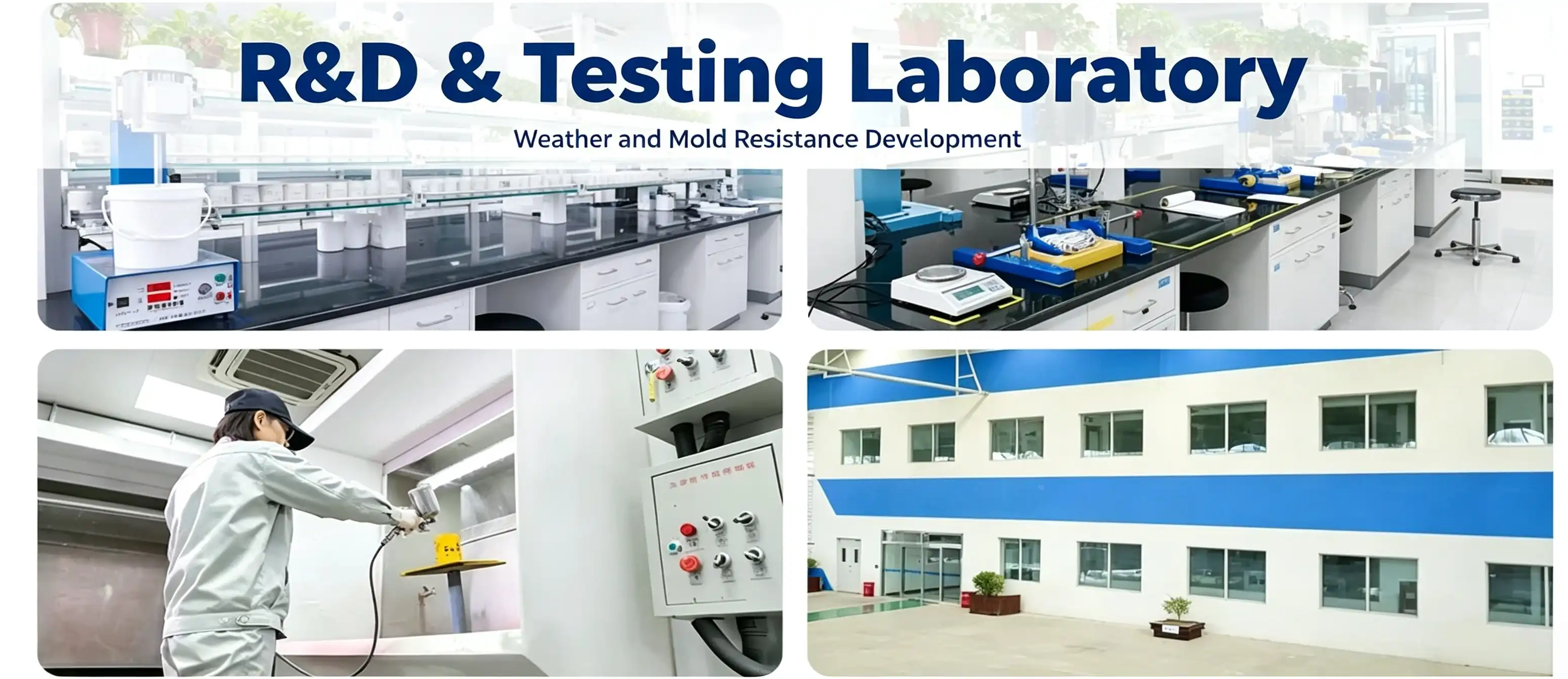
During busy building seasons, production ability is very important. Suppliers with automatic facilities that can handle more than a million tons of goods a year make sure that there is a steady supply even when market demand goes up. Just-in-time delivery models work with normal production processes of 7–10 days, which reduces the need for on-site storage and the costs of keeping stockpiles.
Documentation and Support Services
Complete, detailed documentation makes it easier to carry out a job. Technical Data Sheets (TDS) and Material Safety Data Sheets (MSDS) should be provided by suppliers in English and should be written to meet foreign standards. These papers help with the customs inspection process and meet safety standards for the job spot in many places. OEM/ODM features like color matching, custom packaging, and private marking help wholesalers and contractors build their brands and get a bigger share of the market.
Certification Verification
As part of the due diligence process for buying things, claimed qualifications must be checked by independent testing groups. Products with the EU SGS mark show that they meet chemical safety standards set by the European Union. UK WRAS approval shows that the surface is safe for surfaces that come into touch with drinking water, which is important for water treatment plants and public water facilities. The US Food and Drug Administration (FDA) approval proves that food-contact areas, like business kitchens and food manufacturing sites, are safe. These third-party validations lower the risk of buying and make it easier for regulatory authorities to approve projects.
Conclusion
Water-based architectural paint brings together care for the environment and good technical performance. The practical benefits—fast drying, low emissions, and easier compliance—directly address the problems that procurement professionals have when they have to deal with complicated building schedules and rules. Products like Chenyang's Proud Sun Pure Love line show how modern formulations can provide mold resistance, air purification, sturdiness, and safety while still making applications easy for modern projects. By choosing suppliers strategically based on certifications, production capacity, and expert support, buying teams can get the best value for money, quality, and long-term use for all of their coating needs.
FAQ
How quickly can water-based coatings be recoated?
How often you need to recoat depends on the temperature and thickness of the film. When the temperature is between 25°C and 30°C and the humidity is below 85%, the surface dries in 30 minutes, which means it can be handled carefully. It takes about an hour for the paint to fully cure, but we suggest waiting at least two hours between coats to make sure they stick well and keep the film from moving. If it's cooler or more humid, these times will be longer by the same amount.
Are water-based paints suitable for exterior applications in harsh climates?
When sprayed correctly, modern acrylic emulsion formulas have great durability on the outside. Even in direct sunlight, UV protection keeps colors from fading and chalking. Freeze-thaw stability testing according to ASTM D2243 makes sure that the film stays intact when the temperature changes. However, coating should only happen when the ground and air temperatures stay between 5 and 35°C. Extreme wetness exposure right after application can weaken bonding, so it's important to keep an eye on the weather during application times.
What environmental certifications should procurement teams verify?
Priority approvals include meeting EPA standards for VOC content, which for building coatings is usually less than 50 g/L. EU SGS testing proves that REACH chemical limits are being followed. Products that meet UK WRAS standards can be used in places where drinking water will be present. For food business projects, US FDA approval makes sure that areas that come into touch with food are safe. LEED v4 compliance paperwork helps you get green building credits, which increases the worth of projects that focus on sustainability.
Partner with Chen Yang Water Paint for Your Next Project
Chenyang Water Paint's 28-year history of manufacturing quality and innovation makes it a reliable choice for procurement managers looking for a water-based architectural paint source. Our goods are up to the high standards that your projects need. Tests by EU SGS, approval by UK WRAS, food-grade certification by US FDA, and validation by German TÜV show that we are committed to quality that is on par with foreign brands. Bamboo charcoal cleans the air, resists mold, and cures quickly in the Proud Sun Pure Love line. This will help you improve the quality of the air inside your home while keeping your project on schedule.
With factories that are fully automated and a production capacity of more than a million tons per year, we can meet your just-in-time logistics needs with uniform quality and 7–10 day production processes. Our OEM/ODM services are flexible and offer private marking, custom color matching, and packing solutions to help you stand out in the market. Having full English technical paperwork, such as TDS and MSDS files, makes it easier to clear customs and make sure the project is compliant. Get in touch with sales@chenyangpaint.com to talk about how our water-based architectural paint maker can help you come up with the best solution for your next project, one that will work well and be good for the environment.
References
1. American Society for Testing and Materials. (2021). ASTM D2805: Standard Test Method for Hiding Power of Paints by Reflectometry. West Conshohocken: ASTM International.
2. International Organization for Standardization. (2020). ISO 11998: Paints and Varnishes—Determination of Wet-Scrub Resistance and Cleanability of Coatings. Geneva: ISO Standards.
3. European Chemicals Agency. (2022). REACH Compliance Guide for Architectural Coatings. Helsinki: ECHA Publications.
4. U.S. Green Building Council. (2023). LEED v4.1 Building Design and Construction: Material Ingredient Reporting. Washington: USGBC.
5. British Standards Institution. (2019). BS EN 1504: Products and Systems for the Protection and Repair of Concrete Structures—Definitions, Requirements, Quality Control, and Evaluation of Conformity. London: BSI Group.
6. Paint and Coatings Industry Association. (2023). Technical Guide to Water-Based Architectural Coatings: Formulation, Application, and Performance Standards. Washington: PCIA Technical Publications.
Send Inquiry
You may like