Protect Your Family Learn About Safe Antimicrobial Paint
Paint is seldom the first thing people think of when thinking about the air your family breathes and the surfaces they touch every day. But the walls that surround your living areas might house germs, mold spores and fungus that ordinary coatings do little to stop. If you want to decrease your exposure to microbes at home, at schools and in health care institutions, one of the most practical actions you can take is to choose a certified anti-bacterial wall paint. This guide explains what they are, how they operate, what to look for and how to get them ethically.
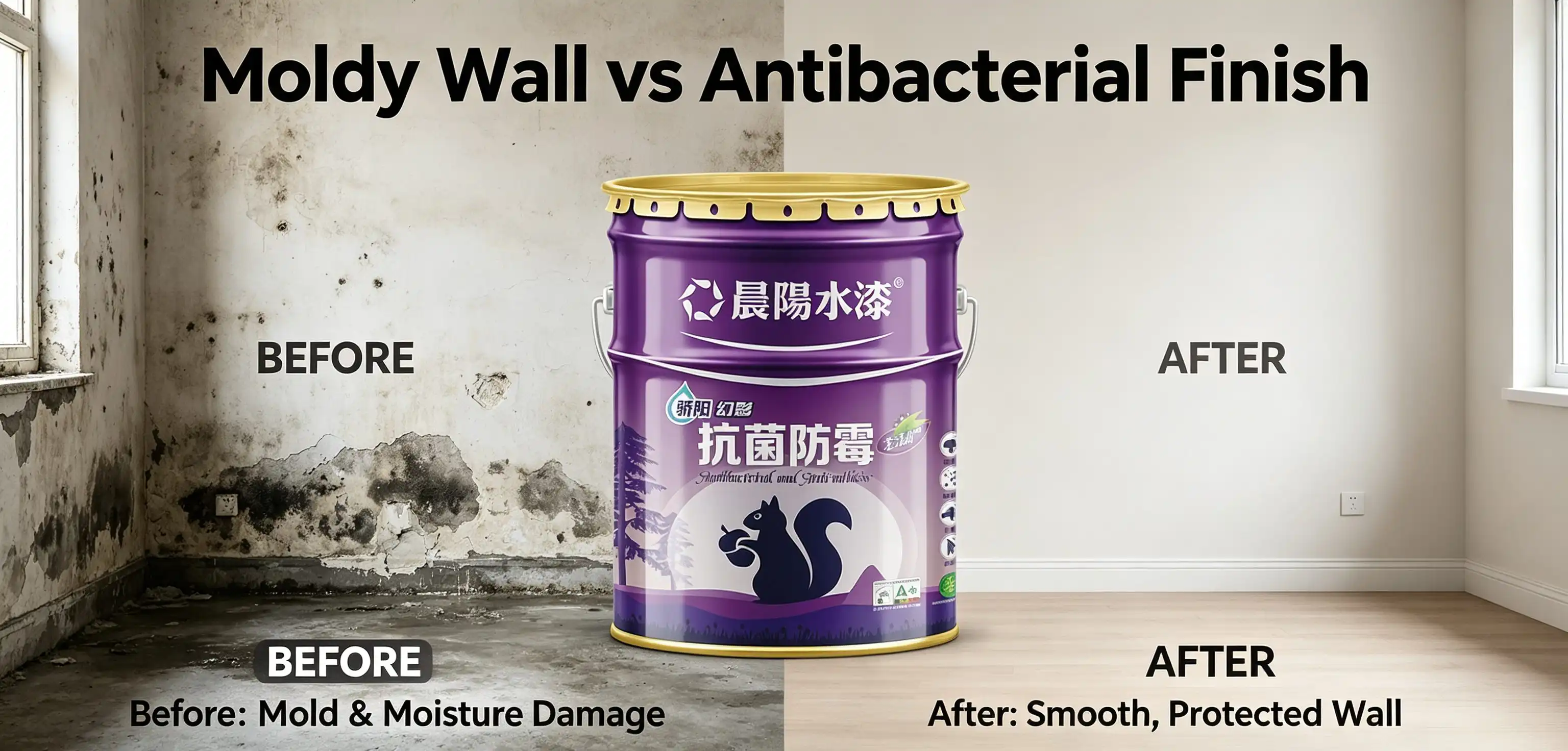
What Is Anti-Bacterial Wall Paint and How Does It Work?
The Science Behind Microbial Inhibition
Antimicrobial wall coatings include active substances such as silver ions (Ag+), copper derivatives, and quaternary ammonium compounds. These ingredients destroy the cell walls of bacteria and prevent microorganisms from reproducing upon contact. Unlike normal ornamental paints that only coat the surface, these unique coatings destroy contact-kill microorganisms constantly 24 hours a day, 7 days a week. In particular silver ion technology does not leak, i.e. the active agent remains in the polymer matrix and does not migrate into the environment. High performance versions remove germs such as E. coli and Staphylococcus aureus by more than 99.9% (a 3 log decrease) according to ISO 22196 testing requirements.
Anti-bacterial and antimicrobial are not synonymous terms. Some antimicrobial compositions will guard against mold, mildew and fungus whereas anti-bacterial coatings protect just against bacteria. In settings such as hospital corridors, child care rooms or kitchens where food is being made it is often wiser to purchase a product that eliminates all bacteria.
Comparing Antimicrobial Wall Coatings: Making the Right Choice for B2B Procurement
Water-Based vs. Solvent-Based: Why Composition Matters
Anti-bacterial wall paints that are water-based have become the standard for safety and environmental compliance in the industry. They have lower VOC profiles, are easier to ship because they are not dangerous, and are in line with green building standards like LEED and GREENGUARD Gold. Solvent-based alternatives might make films a little harder in some industry settings, but their higher VOC emissions make them harder to follow when it comes to rules like the EU's REACH law and the US EPA's National Emission Standards.
When purchasing managers compare goods, these are the main things they should look at:
- Certified anti-bacterial wall paint effectiveness: Ask for test reports from a third party that confirm kill rates against target organisms. HG/T 3950-2007 (Grade 1 anti-bacterial) and ISO 22196 are both reliable standards. Products with claims that can't be backed up put procurement teams at risk of being audited and could lead to the project being disqualified.
- Mold resistance rating: According to GB/T 1741-2020, Grade 0 anti-mold performance is the best that can be achieved and is required in hospital and food-processing areas. Lower-rated goods might pass the first test, but they won't last in damp or badly ventilated areas.
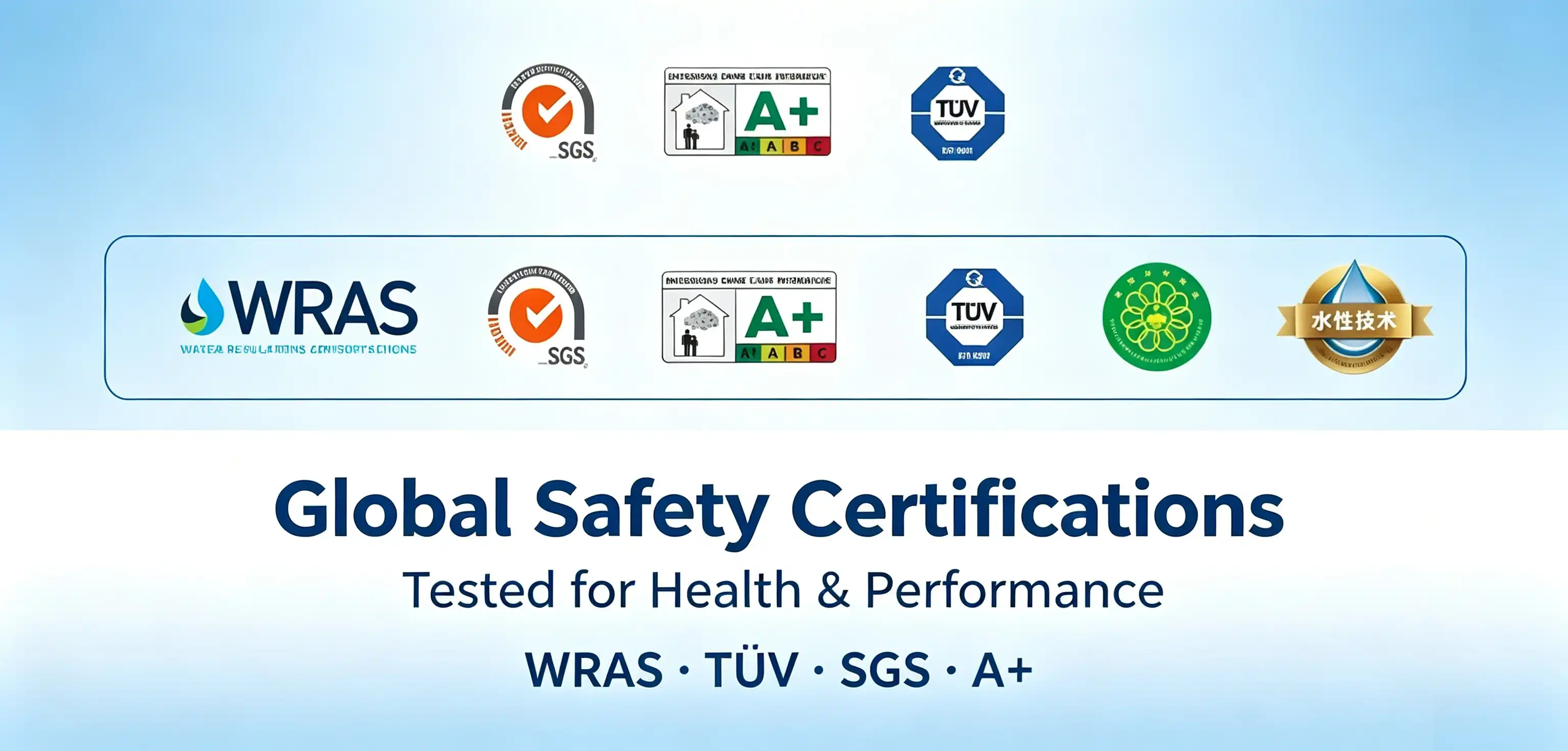
- Certifications for the environment and health: Certifications like the China Ten-Ring (equivalent to eco-label standards), the US FDA 21 CFR 175.300 food-contact grade, the EU SGS, and the German TÜV make sure that harmful chemicals like benzene, formaldehyde, and APEO are not in the formula.
Together, these factors lower the chances of failed inspections, expensive rework, and damage to the company's image, all of which are very bad things for project managers who are in charge of contracts that span multiple sites. When suppliers give full technical paperwork up front, like TDS and MSDS in English, it shows that they are ready to go, which is important for long procurement processes.
How to Apply Antimicrobial Wall Paint: Best Practices for Contractors
Surface Preparation and Application Conditions
The most ignored factor in coating effectiveness is the correct preparation of the base. Before an antimicrobial coating is put on, the substrate must have a moisture content of less than 10% and a surface pH of no more than 10. If you skip this step, the bonding will be weaker and the anti-bacterial layer will not last as long, even if the product works well in the lab.
Brushing, rolling, and high-pressure airless spraying are all possible with Chenyang's Jiaoyang Huaxin Series anti-bacterial wall paint. At 25–30°C, the surface dries in about 30 minutes, and the film is fully hard in 60 minutes, so it can be coated again after at least two hours. The temperature should stay between 5°C and 35°C, and the relative humidity should stay below 85%.
Cleaning agents that are pH-neutral after application protect the polymer matrix that holds the active silver ions. When used over and over, alkaline detergents can break down the binder, which shortens the coating's useful life. This little bit of maintenance has a big impact on the total cost of ownership in places like healthcare and food processing where walls are cleaned very often.
Procurement Guide: Sourcing Antimicrobial Coatings for Bulk and Project Orders
What Large-Scale Buyers Should Verify Before Committing
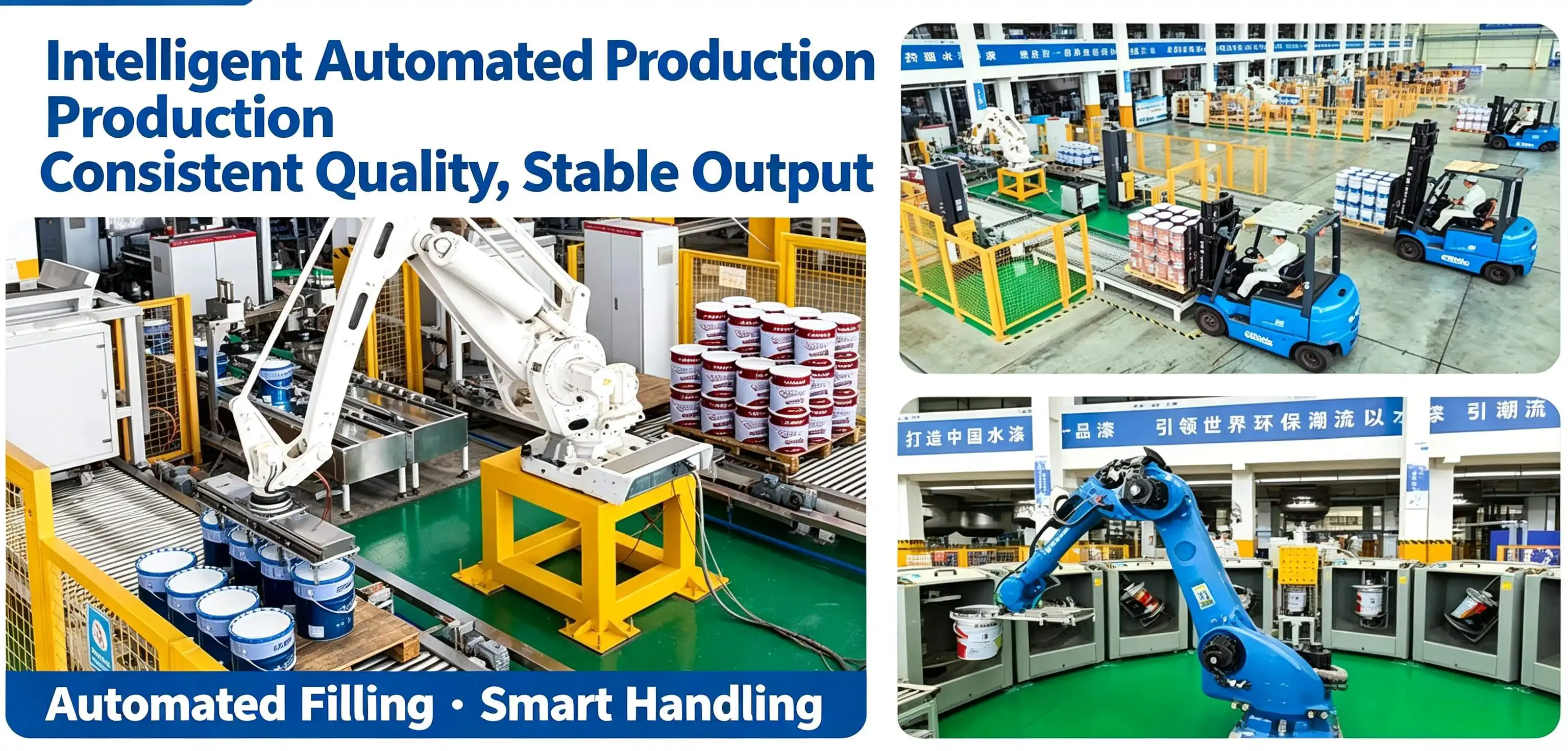
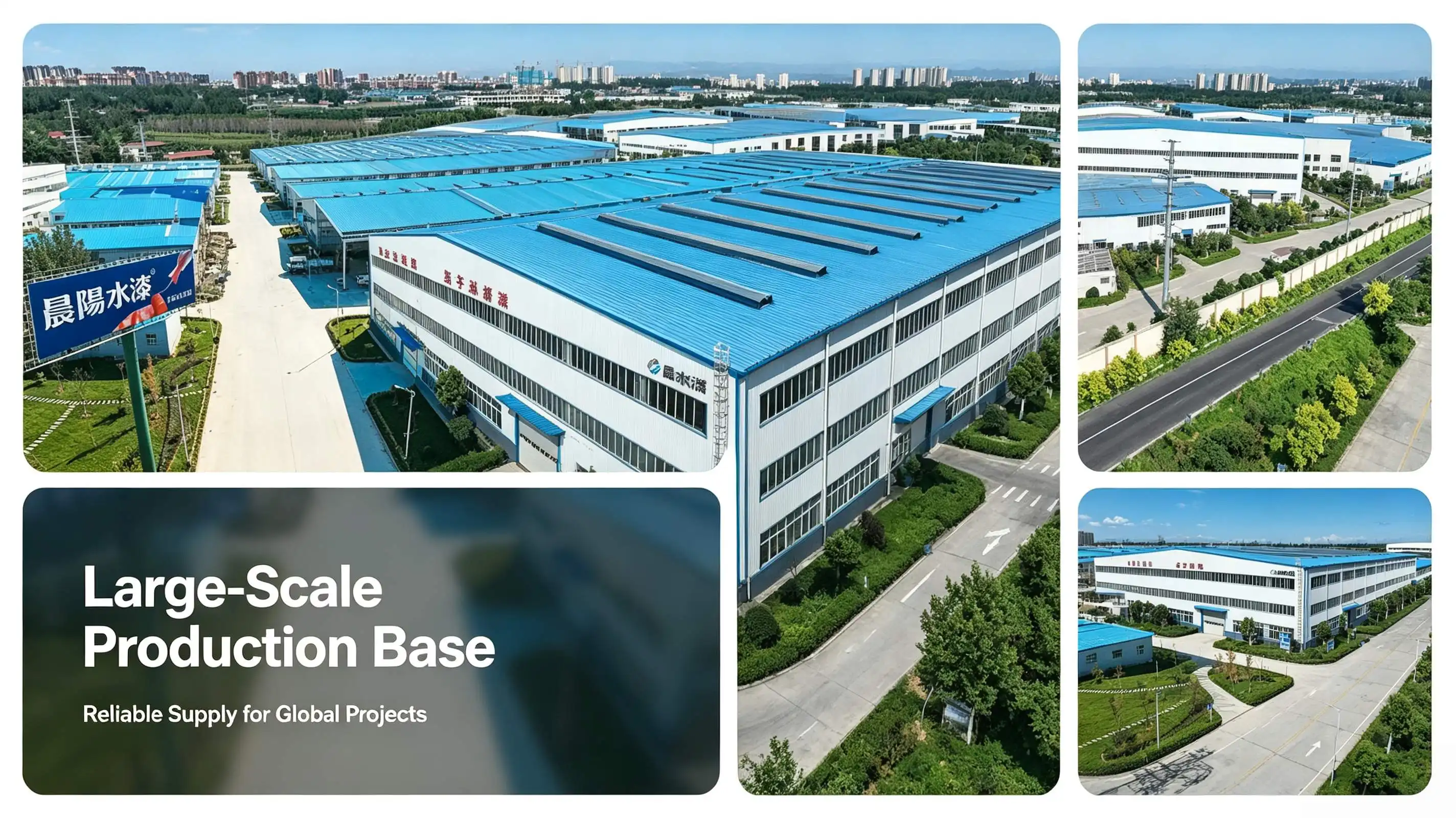
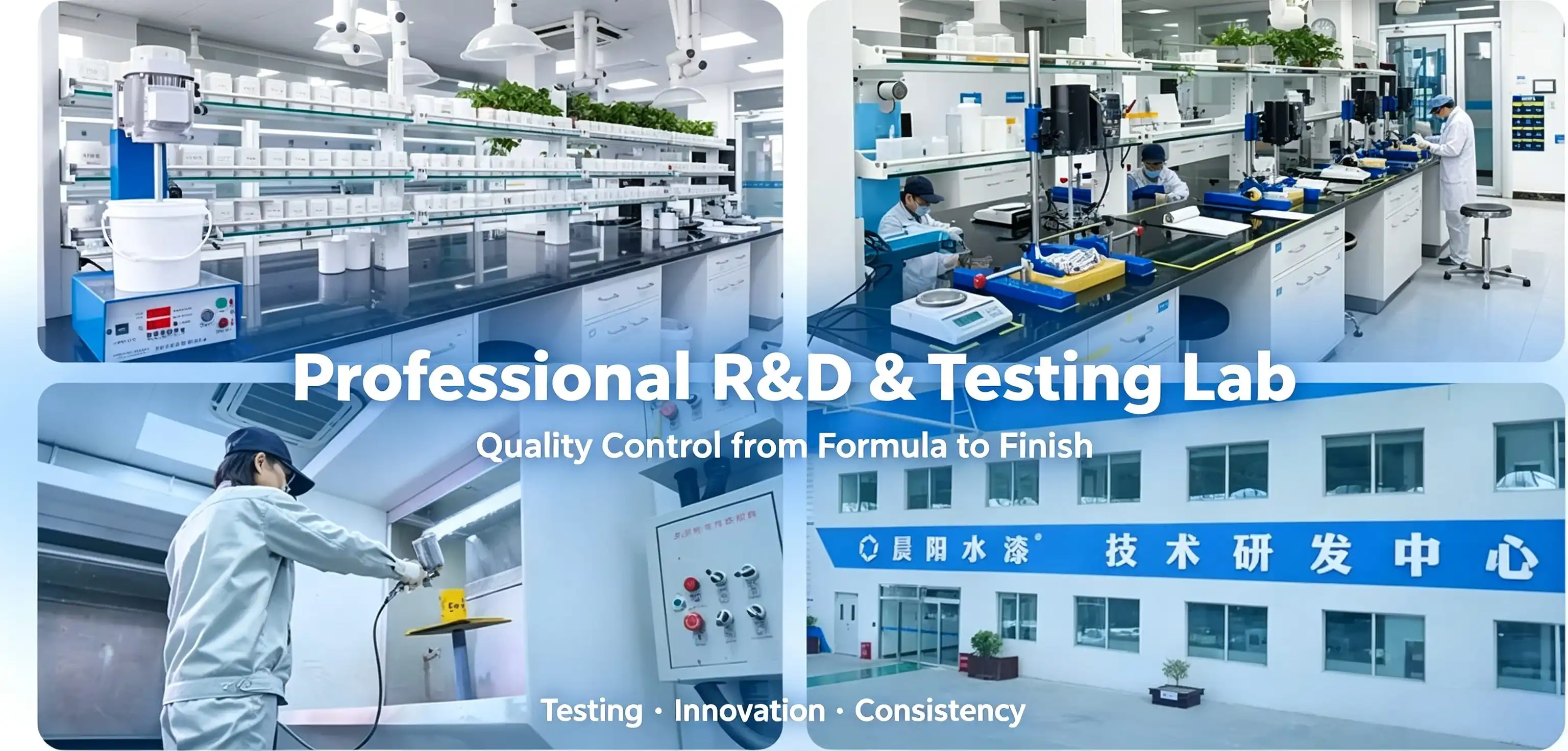
Buying a lot of hygiene-critical finishes comes with risks that go beyond the price per unit. Whether a contract stays on schedule depends on things like how reliable the deliveries are, how full the paperwork is, and how many projects the supplier can handle at the same time. Chenyang Water Paint runs a national-level green manufacturing plant that can make more than 1.25 million tons of paint every year. Standard production orders are sent out within 7–10 business days, which gives the supply chain the stability that is needed for phased project delivery.
The Jiaoyang Huaxin Series anti-bacterial wall paint can be shipped in 6 kg, 20 kg, or 25 kg packages, and only one bucket is needed to place an order. This means that it can be used in both small healthcare facilities and healthcare sites with many buildings. You can change the color starting from a white base, which meets the needs of design specifications that often call for non-standard tinting. Chenyang's water-based formulas are considered non-hazardous goods, which makes customs processing much faster than with solvent-based options. This is a useful benefit for buying things from other countries.
Safety and Environmental Considerations
Regulatory Compliance and Green Building Alignment
There are no benzene, formaldehyde, or APEO in the Jiaoyang Huaxin Series. These are three types of chemicals that officials in North America and Europe are paying more attention to. The recipe meets the limits set by GB 18582-2020 for harmful substances and has FDA 21 CFR 175.300 food-contact grade approval. This makes it one of only a few coatings that can be used in restaurants, canteens, and pharmacy clean rooms without worrying about occupant exposure.
Chenyang has more than 1,000 patents, is a member of more than 100 national and industry standards groups, and has provided coats for many important national projects, such as the Beijing Olympic National Stadium in 2008. The EU SGS tests, the German TÜV tests, and the UK WRAS tests all show that the quality meets the standards of developed markets. The company has been researching and developing water-based coatings for 28 years, which gives them institutional knowledge that is hard to copy but easy to check through public records of certification.

Conclusion
Choosing the right antimicrobial coating can affect health, compliance, and the success of the project for a long time. Chenyang's Jiaoyang Huaxin anti-bacterial wall paint has been tested and proven to kill Grade 1 bacteria, resist Grade 0 mold, and have a completely clean environmental profile. This coating gives you the proof, performance, and supply dependability that modern buying needs, whether you are in charge of a single home makeover or a network of healthcare facilities.
FAQ
1. How long does the anti-bacterial wall paint protection last?
The antiseptic effect lasts as long as the paint film does, which is usually 5–10 years, as long as the surface isn't covered with a product that isn't anti-bacterial or roughened up by scrubbing it hard.
2. Is this coating safe for children's rooms and nurseries?
Yes. The Jiaoyang Huaxin mixture is FDA food-contact grade certified and doesn't have any benzene, formaldehyde, or APEO in it. It works especially well in places like schools, childcare centers, and homes with sensitive people living in them.
3. What is the difference between anti-bacterial and antimicrobial paint?
Anti-bacterial wall paint goes after germs. Mold, mildew, and fungus are all types of microbes that antimicrobial paint can kill. The Jiaoyang Huaxin Series kills both germs and mold, getting a Grade 0 rating for mold resistance along with its anti-bacterial certification.
4. Can standard detergents be used on these walls?
It is best to use cleaners that are pH-neutral. Over time, alkaline cleansers can break down the polymer structure, which shortens the antimicrobial layer's useful life.
5. Does the coating require special primers?
The substrate needs to be less than 10% wet and have a pH level below 10. Standard internal bases that work with topcoats that are water-based are fine. Chenyang's technical team can help you choose the right primer for different substrates.
Connect with Chenyang Water Paint — Your Trusted Anti-Bacterial Wall Paint Supplier
Chenyang Water Paint brings to every project inquiry its 28 years of experience making things, more than 1,000 patents, and certifications that have been checked by governments around the world. Our team is prepared to offer product samples, full certification paperwork, bulk prices, and OEM solutions, whether you are looking for certified anti-bacterial wall paint for a hospital tender, a school renovation, or a big residential development. Contact sales@chenyangpaint.com or go to chenyangpaint.com right now to get a technical data package and find out if the Jiaoyang Huaxin Series meets your needs.
References
1. American Coatings Association. Antimicrobial Coatings: Technology, Applications, and Market Trends. American Coatings Association, 2021.
2. Centers for Disease Control and Prevention. Guidelines for Environmental Infection Control in Health-Care Facilities. CDC, 2019.
3. International Organization for Standardization. ISO 22196: Measurement of Antibacterial Activity on Plastics and Other Non-Porous Surfaces. ISO, 2011.
4. U.S. Environmental Protection Agency. Volatile Organic Compounds' Impact on Indoor Air Quality. EPA, 2022.
5. World Health Organization. WHO Guidelines on Core Components of Infection Prevention and Control Programmes. WHO, 2016.
6. ASTM International. ASTM D2486: Standard Test Methods for Scrub Resistance of Wall Paints. ASTM International, 2017.
Send Inquiry
You may like