Top Mold-Resistant Paints for the Tropics
Understanding how steady humidity and temperature extremes create ideal conditions for fungus growth is necessary when choosing the right mold-resistant paint for tropics. In places where the relative humidity is higher than 80% and the temperature stays high all the time, mould growth can damage buildings, make the air inside them less healthy, and cost a lot to fix. Water-based antimicrobial coatings made for warm climates have biocides that are enclosed and vapour-permeable films that keep out monsoon rains and stop spores from sticking. This guide shows procurement managers, technical engineers, and project leaders how to choose suppliers based on performance standards, application methods, and other factors. This will help you find coatings that will last in the harshest conditions in the world.
Understanding Mold and Mold-Resistant Paint in Tropical Climates
Normal building coatings can't handle the problems that come up in tropical settings. Continuously being exposed to high humidity, heat, and strong UV radiation speeds up the growth of microbes on painting surfaces. This can cause ugly stains, structural damage, and poor air quality in occupied areas. Choosing the right mold resistant paint for tropics is one of the most effective ways to protect buildings in these challenging environments.
Why Tropical Climates Accelerate Mold Growth
To grow, mold germs need biological materials, water, and warmth. All three elements can be found at the same time in tropical areas. When the relative humidity stays above 70% for a long time, condensation forms on cooler wall surfaces, making tiny spaces where fungi can grow. Mold cells' enzymes work faster when the temperature is high, which cuts the time it takes for seeds to germinate from weeks to days. This bacterial attack can't be stopped by traditional coats, so the film breaks down too soon and needs to be fixed several times, which costs a lot.
Differentiating Anti-Mold from Fungicidal Formulations
Anti-mold paints have biocides on the surface that slowly seep into the environment. True fungicidal paints, on the other hand, have active ingredients that are enclosed and stay stable even when exposed to UV light and heavy rain. The second method provides long-lasting defense without quickly running out of antibacterial agents. In humid environments, water-based systems are even better because they let surfaces breathe, which keeps moisture from building up under the film and creating secret mold growth areas.
Performance Benefits Beyond Aesthetics
With good mold resistant paint for tropics, you don't have to do upkeep as often—every five years or more, instead of every 18 months. This lowers the total cost of ownership by a large amount. They keep cementitious surfaces from breaking down naturally, which makes structures last longer. Indoor uses improve air quality by stopping the release of spores, which is very important for healthcare facilities, schools, and leisure projects. It's easier to be environmentally friendly when you choose low-VOC water-based goods that meet strict international standards without lowering their antifungal power.

Top 7 Mold-Resistant Paints for the Tropics: Performance and Comparison
Technical buyers put humidity protection, certification compliance, durability measures, and supply chain reliability at the top of their list when looking at coatings to buy in bulk. Based on field performance data and confirmed case studies from tropical markets, the next section compares the top options.
Selection Criteria for Procurement Decision-Making
Teams that are good at buying evaluate prospects based on five main factors. The Sd-value measures vapour permeability, which tells us if moisture can leave the film without it burning. Long-term effectiveness in rainy conditions depends on how biocide is loaded and how it is encapsulated. Meeting the requirements of ASTM D3273 and ISO 846 is proof that something is resistant to mold. UV stability stops chalking, which makes surfaces porous and open to infection. The volume of material content affects the thickness and covering rates of the film, which has a direct effect on the project budget.
Chenyang Wumeixin Weather-Resistant Exterior Water-Based Paint
Chenyang's Wumeixin series shows how modern technology that works with water can solve problems in warm areas. This mold resistant paint for tropics mixture is strong against weather and germs, and it has very little volatile organic compound (VOC) that meets GB 24408-2009 standards. The matte finish keeps the outside of the building from absorbing heat, and the high solids content makes for a strong film build that covers 7–9 square meters per kilogram. At warm temperatures, surface drying is done in 30 minutes, which lets projects get done on time even when it's hot outside. For roller application, the product can be diluted with up to 20% water, which makes handling it on-site easier. As a non-hazardous material, it makes exporting easier because it doesn't have to go through the complicated customs process that solvent-based options do. This coating can be used on a variety of surfaces, including concrete, brick, and brickwork. It is used in apartment buildings, hospitals, schools, and factories all over tropical areas.
Comparative Analysis Insights
Water-based formulas are becoming more popular in tropical areas because they are easier to follow the rules for and cost less to ship. Products with EU SGS, German TÜV, or US FDA certifications give buying teams the third-party approval they need for important projects. Distributors in Southeast Asia have confirmed that paints that dry quickly reduce application delays caused by bad weather, which is very helpful during the rainy season. Engineers who work in humid areas of the Middle East say that vapour-permeable systems work better than standard barrier layers at keeping moisture from building up below the surface.
How to Apply Mould-Resistant Paint Correctly in Tropical Environments
Even the best finishes don't work as well when the instructions for applying them don't take into account the surroundings. Successful projects use pre-application evaluation, methods that work in different climates, and planning for preventative upkeep.
Pre-Application Surface Preparation
Start by completely getting rid of the mould using fungicidal washes that meet ASTM D4446 standards. Spores that are still alive are still stuck in porous media after mechanical removal. Check the moisture level of the base; it should stay below 10%, and the pH should be less than 10 for good adhesion. When working with surfaces that need to be prepared and then coated, it's common for tropical conditions to need longer cooling times. Surfaces need to be hard, smooth, and free of anything that could make bonding less effective.
Climate-Adapted Application Techniques
Use only when the temperature is between 5°C and 35°C and the relative humidity is less than 85%. Plan to do your work in the morning, when it's cooler and the temperature naturally drops. Don't use it before it's supposed to rain or when the sun is very strong and the surface is drying out too quickly. Keep recoat gaps of at least two hours to make sure the film forms properly. After each practice, clean the tools right away with water. Even when low-VOC formulas are used, proper airflow is still needed to make sure the best curing conditions are when applying mold resistant paint for tropics.
Maintenance Protocols for Extended Performance
Set up check plans every six months, paying special attention to areas that don't get enough air flow or stay in the shade. If you see small amounts of mold right away, clean up the area where it's found instead of waiting for it to spread. Keep an eye on drainage systems to keep water from building up on painting surfaces. Keep track of maintenance tasks to find trends that can be used to guide future buying decisions. Mould-resistant coatings that are well taken care of often last longer than five years in warm areas, which saves a lot of money compared to immediate cleaning methods.
Bulk Procurement and Supplier Selection for Mould-Resistant Paint in the Tropics
To find a trusted supplier with reasonable prices, you need to look at more than just the product specifications of each maker. The long-term success of a relationship depends on its production capacity, professional support infrastructure, and export documentation skills.
Evaluating Manufacturer Credentials
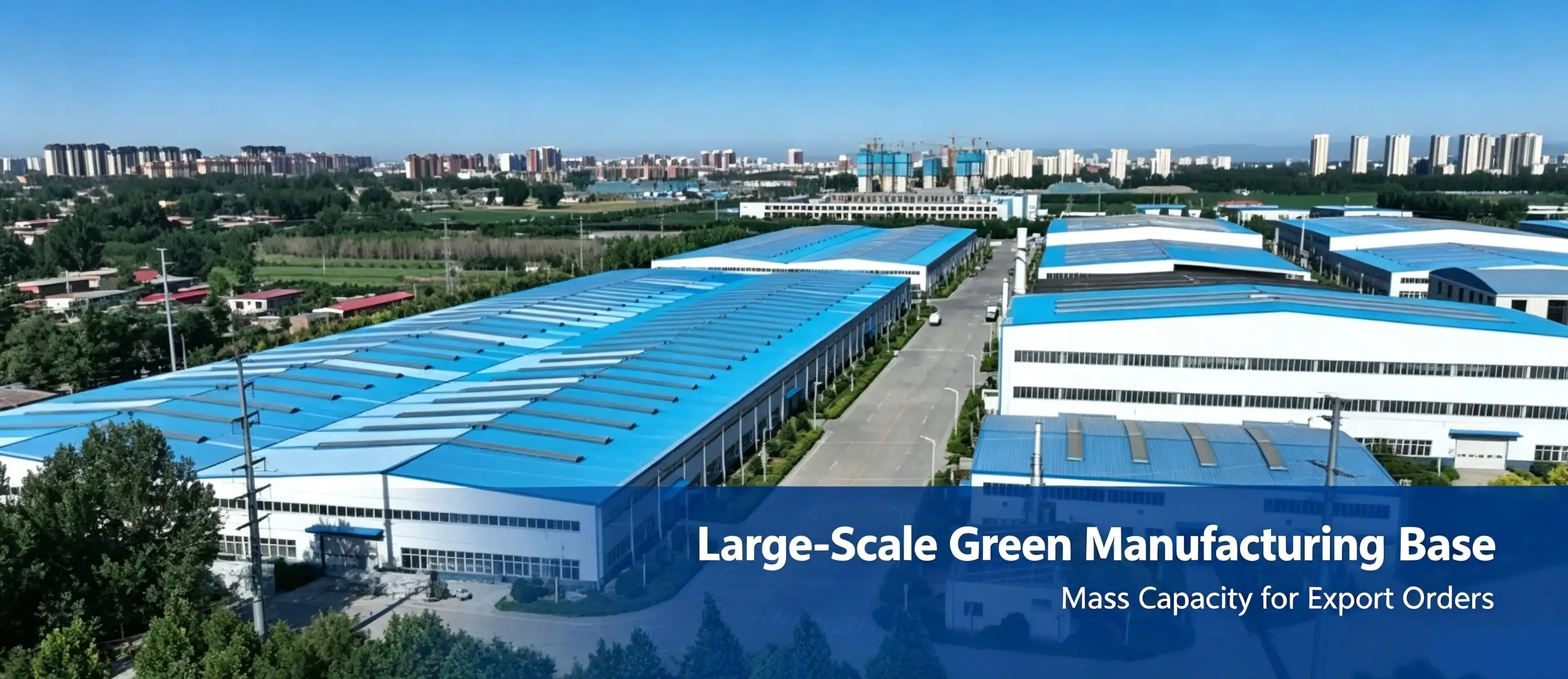
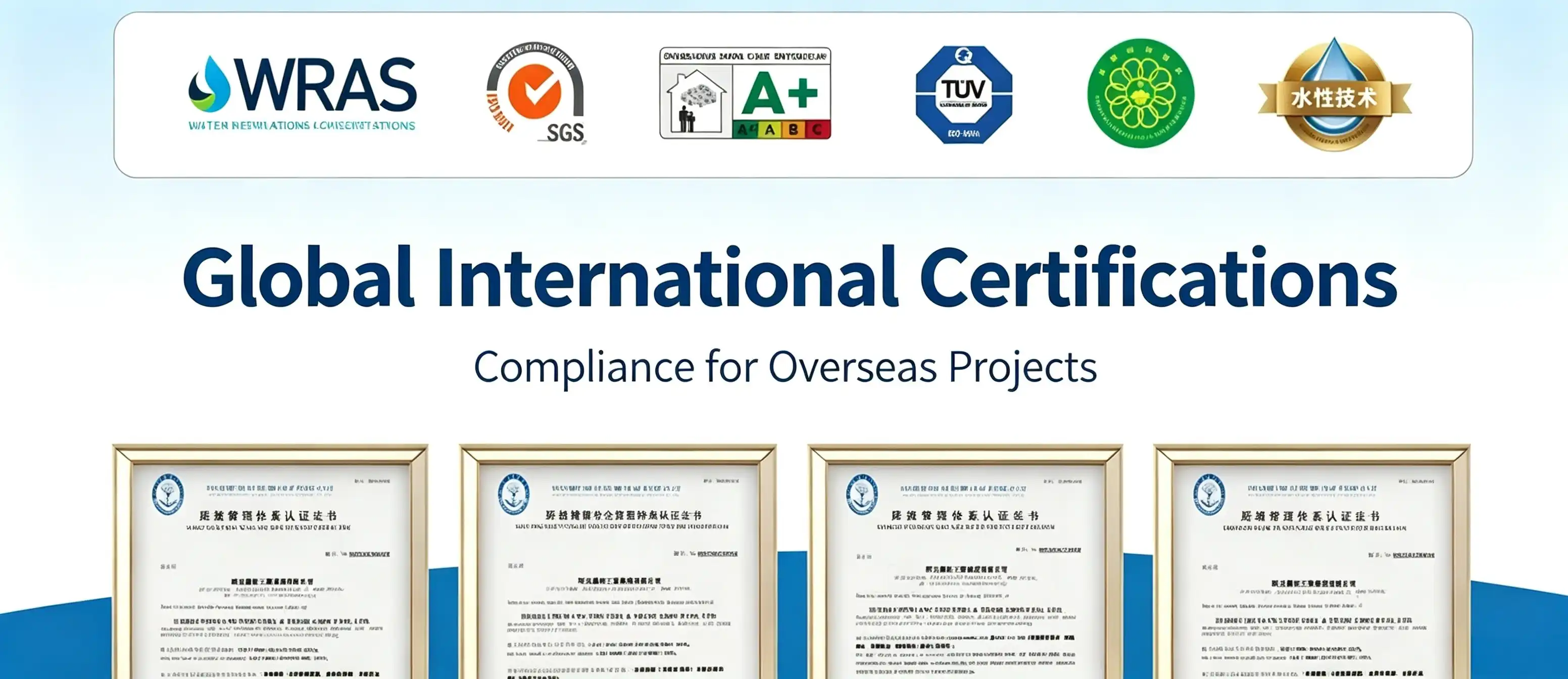
Suppliers with multiple foreign certifications should be given more weight than those with only one market approval. Certifications from the EU's SGS, Germany's TÜV, the UK's WRAS, and the US FDA all show that the quality systems are complete and can serve a wide range of markets. Look into the size of the production facility; ones that can handle more than a million tons of material each year are stable during busy building times. Automated production settings make sure there is stability from batch to batch, which is very important for big projects. Check their patent files and see if they are involved in making industry standards. These are signs of how innovative they are and how much technical knowledge they have.
Optimizing Procurement Economics
Lead times for production have a direct effect on project schedules. Just-in-time shipping methods that cut down on storage costs are possible with manufacturers who offer 7–10 day turnarounds. It's easier to keep track of transportation paperwork when goods aren't classified as dangerous; you only need normal MSDS and transport condition certificates instead of following strict rules for handling dangerous goods. Talk about price models for volumes that take into account pipelines for multiple projects instead of single orders. In order to set your products apart in a crowded market, you should ask OEMs to offer custom colour matching and private labelling.
Quality Assurance and Technical Support
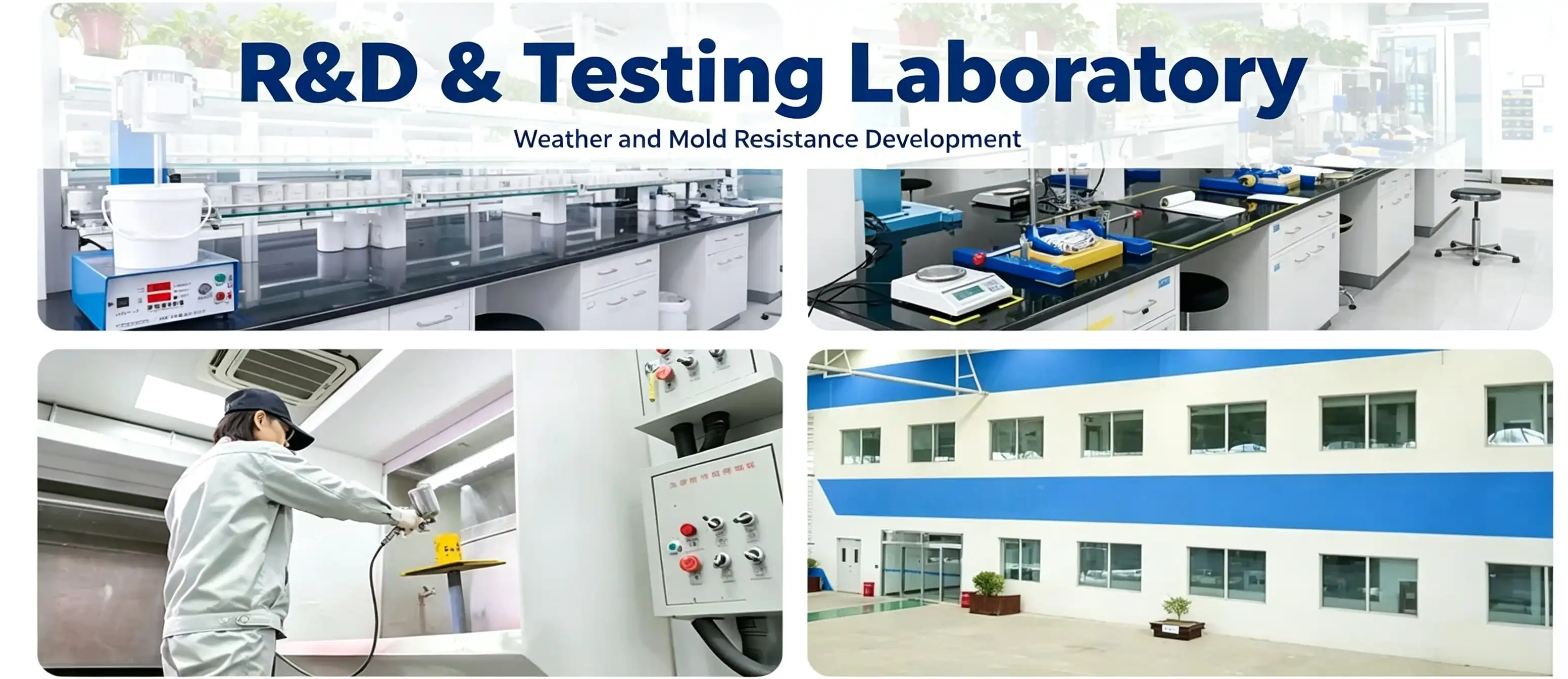
Ask for full technical data sheets and material safety paperwork in English that are compatible with foreign legal frameworks. Check for scrub resistance according to ASTM D2486 and binding strength according to ASTM D3359 on tropically damp surfaces. Accelerated aging data from QUV tests shows that antimicrobials stay stable when exposed to high UV levels. Set up clear guarantee terms that cover performance problems that are directly related to mold resistant paint for tropics. Responding to technical questions during the creation of specifications and fixing shows that the seller is committed to the success of the partnership rather than just making a sale.
| Parameter | Specification |
|---|---|
| Product Gloss | Matte |
| Theoretical Coverage | 7-9 m²/kg per coat |
| Dry Film Thickness | Approximately 30 microns |
| Maximum Water Dilution | 20% for roller/brush application |
| Surface Drying Time | 30 minutes (25-30°C) |
| Hard Drying Time | 60 minutes (25-30°C) |
| Recoat Interval | ≥2 hours |
| Application Methods | Roller or brush |
| Application Temperature | 5-35°C, humidity <85% |
| Substrate Moisture Content | <10% |
| Substrate pH Value | <10 |
| Tool Cleaning | Water-based, easy cleanup |
| Environmental Compliance | GB 24408-2009 standard |
Conclusion
In tropical areas, special coatings are needed to deal with biological threats as well as normal climate problems. When properly specified and applied, mold-resistant paint for tropics provides measured value through longer upkeep cycles, better indoor air quality, and lower lifecycle costs. To be successful in procurement, you need to choose makers with strong technical skills, reliable certifications, and a reliable supply chain. Chenyang Water Paint is a great example of this mix because it has been making water-based coatings for 28 years, has received many foreign approvals, such as EU SGS and US FDA certification, and can produce more than one million tons of paint every year. Procurement teams protect infrastructure investments and meet stricter environmental standards in tropical markets around the world by working with suppliers who offer full technical support and easy export processes.
FAQ
Can mould-resistant paint completely eliminate existing mould problems?
These coats stop new mould growth on surfaces that have been properly prepared, but they can't get rid of existing outbreaks. Professional standards say that the material must be mechanically removed and treated with a fungicide according to ASTM D4446, and any underlying sources of moisture must be fixed before it can be applied.
What distinguishes products suitable for tropical climates from standard formulations?
Tropical-grade coatings use biocides that are enclosed and designed to release slowly in high heat and humidity, while regular coatings quickly release their active ingredients. Better air permeability keeps moisture from getting trapped, and UV-stable products stop chalking, which makes surfaces porous and open to colonization.
How long do these coatings perform in monsoon-affected regions?
If you use and take care of high-quality water-based antimicrobial paints made for tropical climates, they should last five to seven years instead of twelve to eighteen months for normal goods.
Are these formulations safe for occupied buildings during application?
Low-VOC standards like GB 24408-2009 and foreign counterparts are met by high-end water-based systems. Encapsulated biocide technology specifically targets fungus enzymes while limiting human exposure. However, during the application and drying phases, enough air flow is still needed.
Partner with Chen Yang Water Paint for Reliable Mould-Resistant Solutions
To find a reliable mold-resistant paint for tropics provider, you need to look at how much they produce, how thorough their certifications are, and how much technical knowledge they have. Chen Yang Water Paint has been a leader in water-based covering creation for 28 years and can do all three. Our Wumeixin Weather-Resistant Exterior line is antifungal and has very low VOC content. It meets GB 24408-2009 standards and is easy to export as non-hazardous material. Over 1,000 patents are backed by approvals from the EU SGS, Germany TÜV, the UK WRAS, and the US FDA. We give procurement teams the technical proof they need. Our automated plant can keep up a one-million-ton yearly capacity, and production cycles last between 7 and 10 days. This makes sure that there is a steady supply during busy times. Full English TDS/MSDS paperwork and adaptable OEM services help you meet the needs of your project. Email our team at sales@chenyangpaint.com to talk about custom formulas, bulk prices, and technical advice that is specific to the problems you're facing in a tropical environment.
References
1. Building Research Establishment. (2019). Mold Growth on Building Materials: Environmental Factors and Prevention Strategies. BRE Press.
2. American Society for Testing and Materials. (2020). ASTM D3273-16 Standard Test Method for Resistance to Growth of Mold on the Surface of Interior Coatings in an Environmental Chamber. ASTM International.
3. Johansson, P., Ekstrand-Tobin, A., & Svensson, T. (2018). Laboratory Study to Determine the Critical Moisture Level for Mold Growth on Building Materials. International Biodeterioration & Biodegradation, 127, 168-175.
4. Federation of Societies for Coatings Technology. (2021). Antimicrobial Coatings: Technology and Performance Standards for Tropical Climates. FSCT Publications.
5. Singapore Building and Construction Authority. (2020). Technical Guidelines on Facade Protection Against Biological Growth in Tropical Urban Environments. BCA Academy.
6. International Organization for Standardization. (2019). ISO 846:2019 Plastics — Evaluation of the Action of Microorganisms. ISO Technical Committee.
Send Inquiry
You may like