Water-Based Architectural Paint: Benefits, Applications, and Key Features
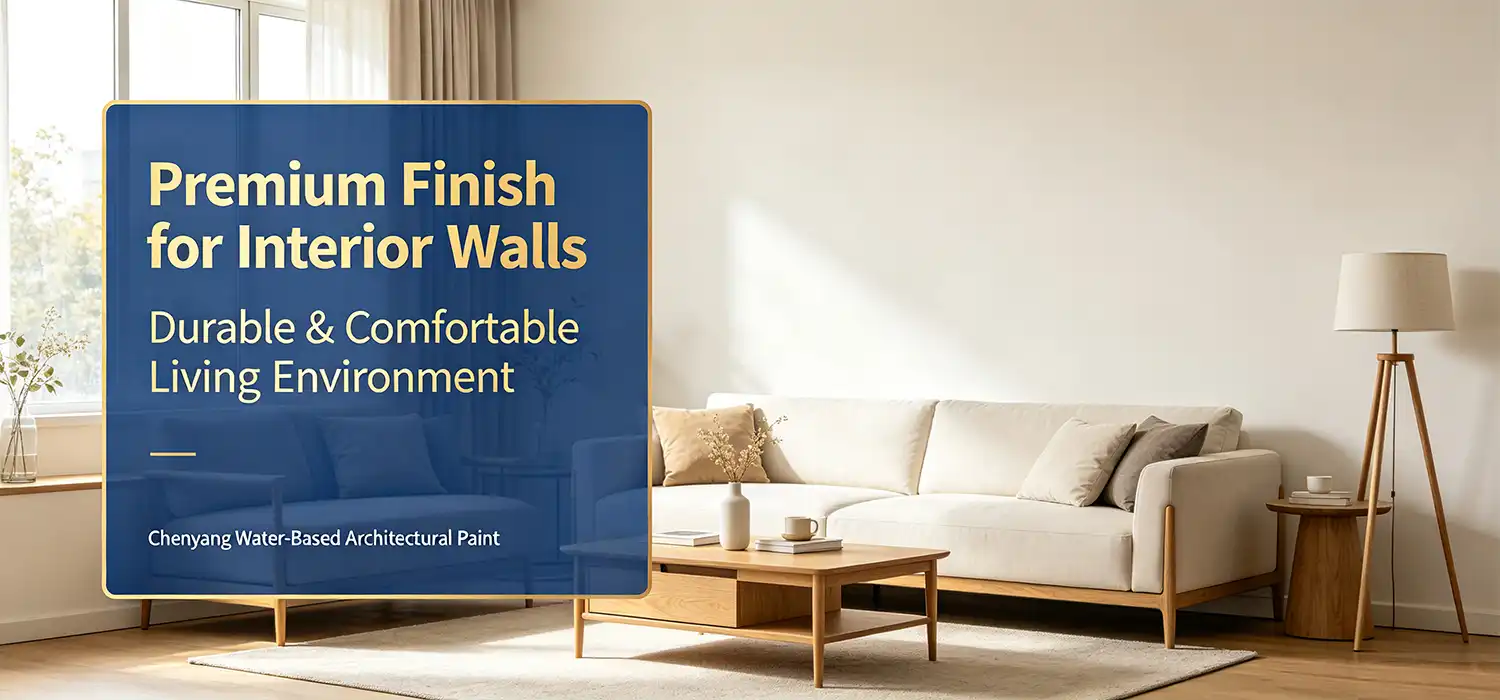
For building owners, procurement managers, and construction professionals that place a high priority on performance and environmental responsibility, water-based architectural paint has emerged as the coating of choice. These new systems employ water as the main carrier for the resins and pigments unlike conventional solvent-borne coatings. This means less VOC emissions, shorter drying times and improved safety on the job site. Water-based architectural coatings provide quantifiable improvements in durability, regulatory compliance and total lifetime cost for a variety of applications from interior home walls to large-scale commercial projects, making them a sensible procurement option in today’s regulated global market.
What Is Water-Based Architectural Paint?
Composition and Formulation Basics
Water-based architectural paint is produced utilizing emulsion polymer technology, commonly employing dispersions of acrylic, vinyl-acetate or polyurethane. The transporting medium is water instead of organic solvents. This results in a non-flammable, low odor coating technology that fulfills the most demanding environmental criteria including REACH and LEED v4. Some significant physical criteria include a regulated Minimum Film Forming Temperature (MFFT) and a Glass Transition Temperature (Tg) that is best suited to maintain the flexibility and long-term hardness of the film on masonry, drywall and concrete substrates.
Why It Outperforms Solvent-Based Alternatives
Today, high performance acrylic dispersions are comparable to or better than the requirements for solvent-borne durability. For ISO 11998 Class 1 wet-scrub testing, advanced waterborne architectural paints exhibit washability on a par with those of oil-based systems. The air permeability of the coatings also prevents moisture being trapped in the brickwork, a major advantage versus solvent based coatings which may retain moisture and cause delamination of the substrate over time. For these technical reasons, water-based architectural paint is the ideal solution for hospitals, schools and public infrastructure projects which need to provide high indoor air quality and long-lasting substrates.
Key Benefits of Water-Based Architectural Paint
Switching to water-based architectural paint has many benefits besides being better for the environment. For B2B buying teams, these are the most important performance and practical benefits:
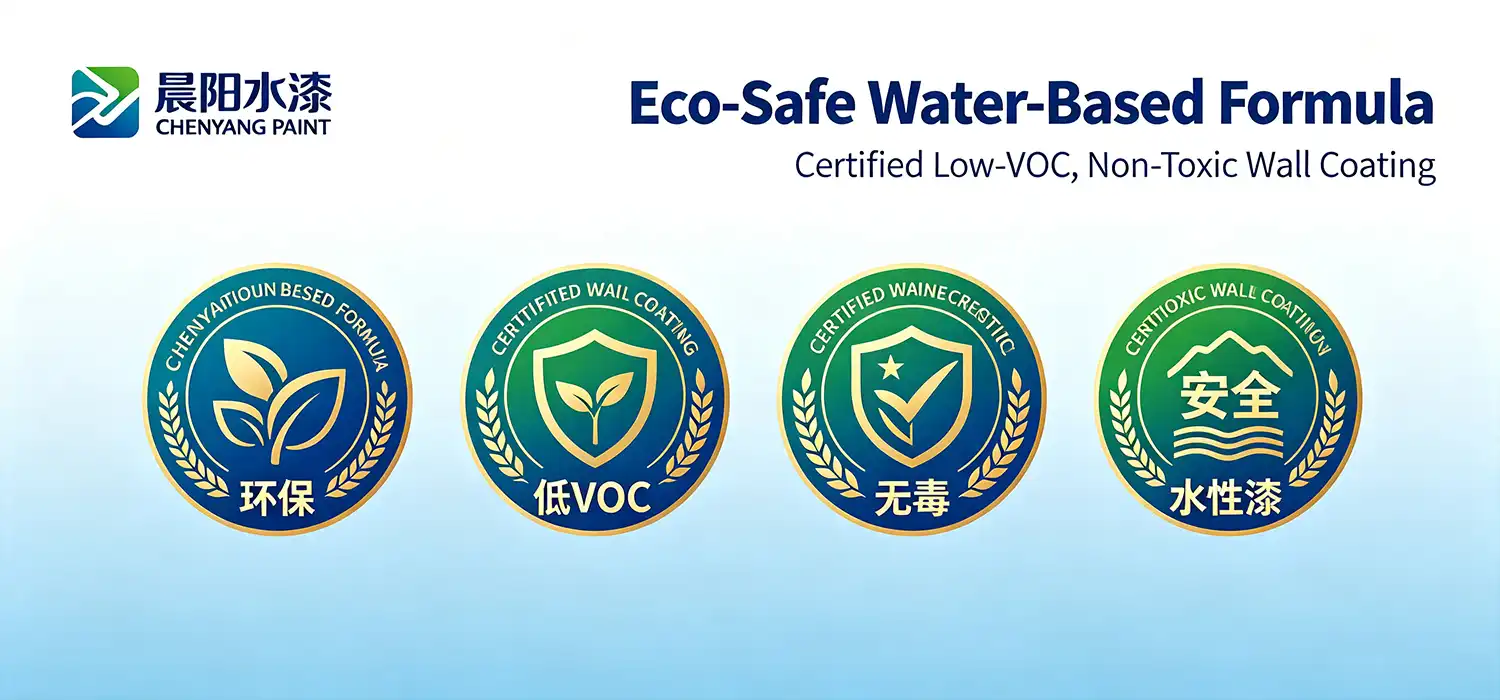
- Healthier Indoor Environments: The VOC content is within the limits set by national and international standards, which greatly lowers the dangerous fumes that happen during and after application. Products like the Chenyang Proud Sun Pure Love line promise to contain no fake benzene, formaldehyde, or APEO. This protects both the people who apply the products and the people who live or work in the spaces they are used in.
- Accelerated Project Timelines: At 25–30°C, the surface dries in 30 minutes, and the full cure takes 60 minutes under the same conditions. With a recoat delay of only two hours, multi-coat projects that used to need to be put on hold overnight can now be finished in one workday.
- Operational Cost Reduction: A potential spread rate of 11–12 m²/L per coat and a dry film thickness of about 30 microns directly lead to less material being used per square meter. Commercial property managers can save even more money over the life of a building by extending the repair rounds.
- Simplified Logistics and Compliance: Since water-based architectural paint is not considered dangerous, it doesn't have to go through the complicated shipping paperwork and extra fees for dangerous goods that come with solvent-borne systems. For international customs clearance, standard MSDS paperwork is enough.
All of these benefits lower the risk of buying things, speed up projects, and lower running costs. For contractors and facilities managers, this means a measured return on investment (ROI).
Choosing the Right Water-Based Architectural Coating
Matching Product to Application Environment
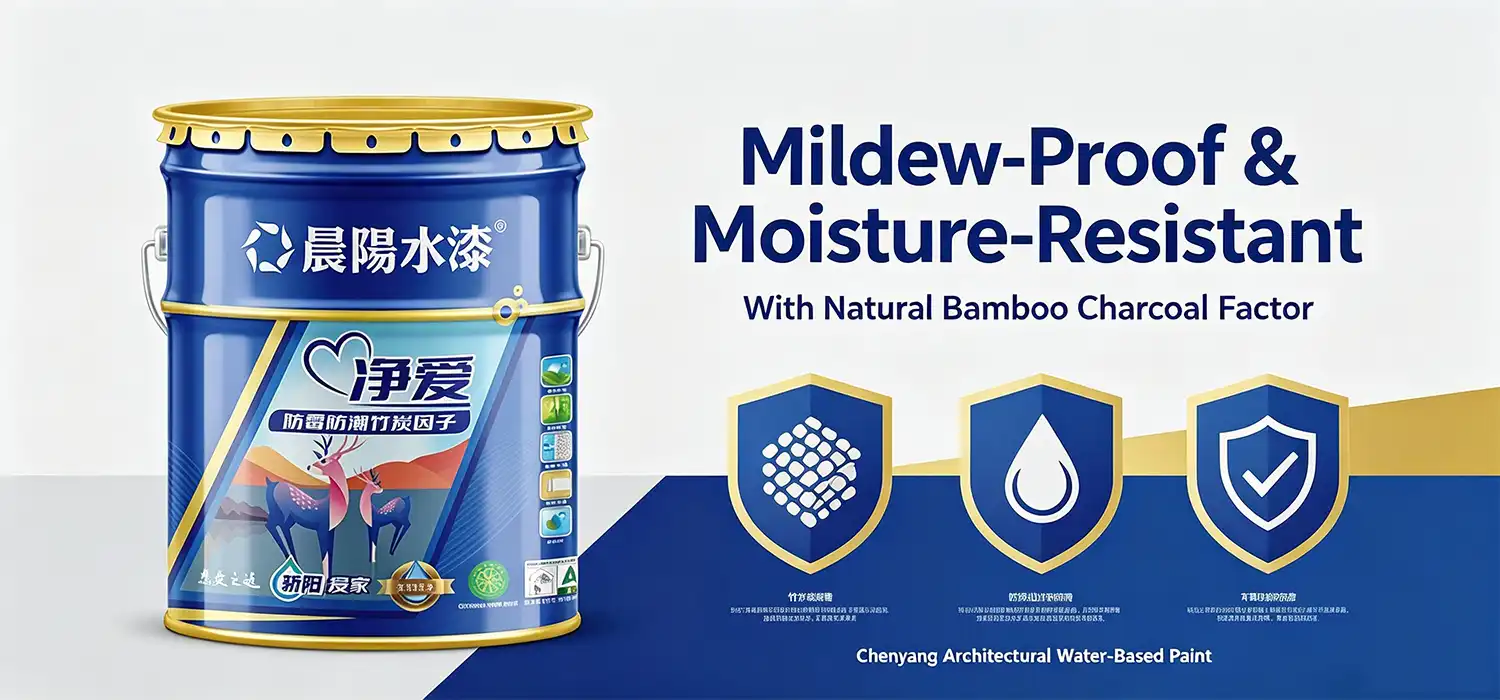
Walls inside homes need coatings that are good at hiding things, don't grow mold, and don't smell bad. All three are addressed in Chenyang Proud Sun Pure Love, which is part of the Proud Sun Series. It has a bamboo charcoal ingredient that actively absorbs airborne pollution, is mold-proof according to GB/T 1741-2020, and is very resistant to water. Because its white base can be changed to any color, it can be used in any interior design scheme. It comes in 6 kg, 20 kg, and 25 kg bags, and you only need to order one bucket to get started. It can be used for small residential projects as well as large commercial rollouts.
Certifications That Protect Your Procurement
Certifications are required for B2B sellers who sell to developed markets; they are not optional. Chenyang Water Paint has passed tests in the EU by SGS, Germany by TÜV, the UK by WRAS, and the US by FDA for food-contact grade approval for high-end series. These awards prove that the quality of the product can compete directly with foreign names and meets the standards of North American, European, and Middle Eastern purchasing authorities. To help with project registration and customs clearance, buyers should always ask for up-to-date TDS and MSDS documents in English.
Water-Based vs. Solvent-Based: A Practical Comparison
Solvent-based paints have higher VOC loads, flammability ratings, and transportation limits for dangerous goods. These problems are taken care of by water-based architectural paint, which also meets or exceeds ASTM D2486 scrub-resistance standards for washability. For quick business builds, healthcare retrofits, or any other job where getting back into the building quickly is important, water-based architectural paint is the best choice.
How to Apply Water-Based Coatings for Optimal Results
Surface Preparation and Application Conditions
How long a layer lasts depends on how well the base is prepared. Before you start applying, make sure the surface is clean, dry, and free of any dust, grease, or loose particles. To bridge the surface-energy gap when putting over oil-based finishes that are already there, you should degloss the surface and use a high-adhesion water-based primer. When applying water-based architectural paint, it should be put on between 5°C and 35°C and the relative humidity should be below 85%. This will allow the emulsion to properly coalesce and stop mud-cracking, which happens when coatings are put on too thickly or in cold, damp places.
Application Methods and Coverage
You can use a roller, a brush, or a high-pressure airless spray to apply Proud Sun Pure Love. For roller and brush methods, you can dilute up to 20% with clean water. For airless spray, you can dilute up to 10%. For business jobs that cover a lot of space, high-pressure airless spray is the best choice because it gives the smoothest film thickness and best coverage. A single coat makes a dry sheet that is about 30 microns thick, and you can coat it again after only 2 hours, which saves time and makes the job much faster to finish.
Procurement Best Practices for Water-Based Architectural Paint
To find a lot of water-based architectural paint, you need to look at more than just price when comparing sources. Production capacity, delivery reliability, and the ability to provide technical support are all important factors that make the difference.
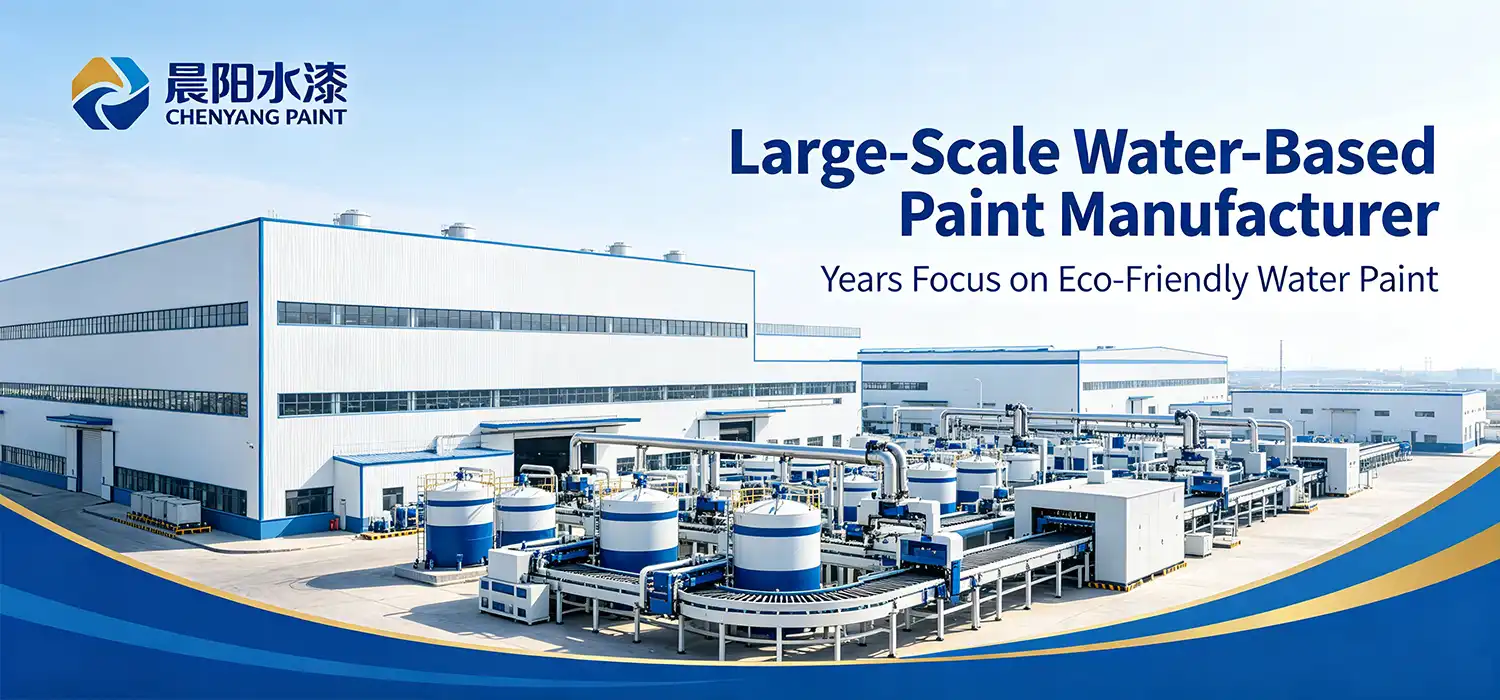
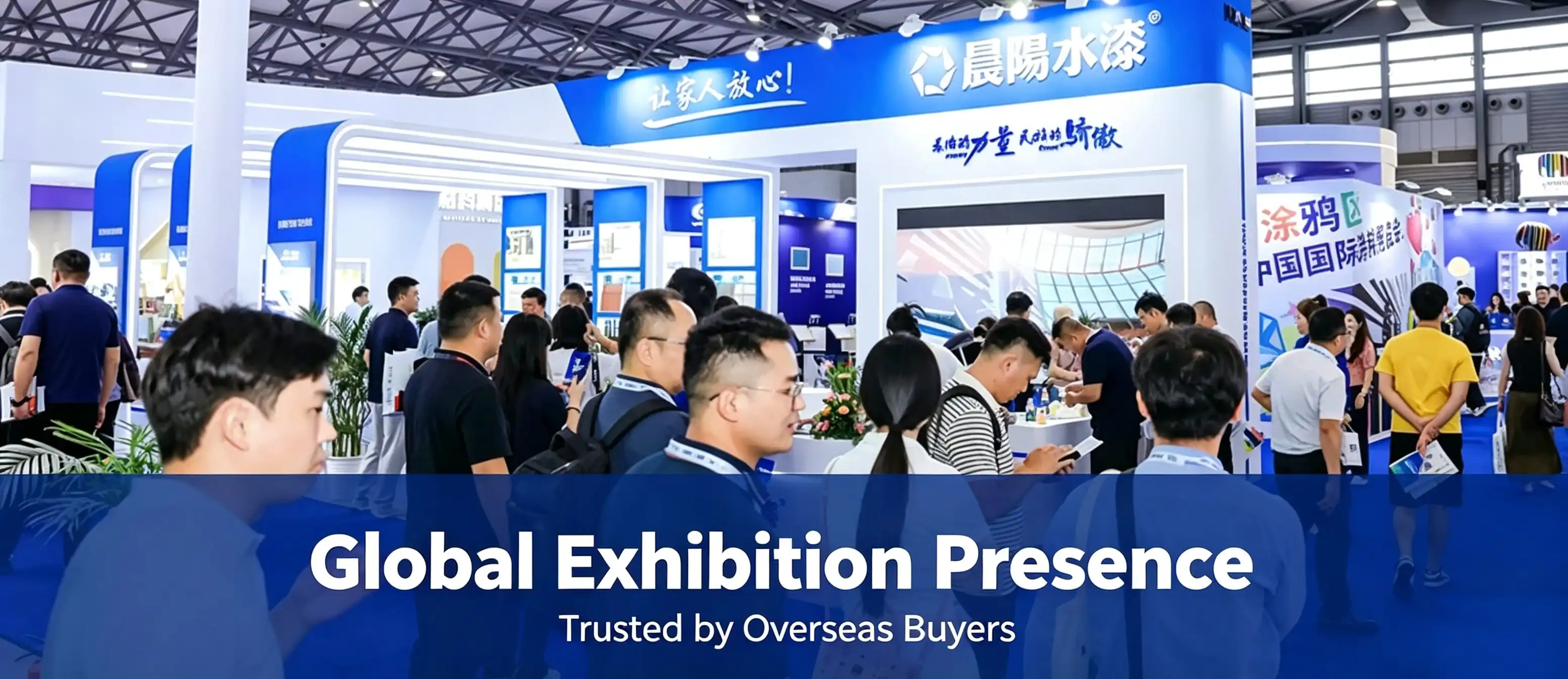
Chenyang Water Paint runs a national-level automatic green plant that can make more than a million tons of paint every year. Its standard production cycle is only 7–10 days, which ensures a steady supply even during busy building seasons. This is a key differentiator for procurement managers who are responsible for keeping projects on schedule. Chenyang has been researching and making things for more than 28 years, has more than 1,000 patents, and is a part of more than 100 industry standards. This gives engineering and quality assurance teams the technical depth they need when they are qualifying suppliers.
Chenyang can change the colors, make private-label packaging, and create unique formulations for OEM/ODM customers. As usual, full technical documentation in English is given, including TDS and MSDS files to help with foreign customs procedures and project registration. When buying water-based architectural paint from international sellers, buyers should look for sellers who offer both full paperwork and non-hazardous shipping classification. This will keep operations as simple and cheap as possible.

Conclusion
In household, industrial, and infrastructure uses, water-based architectural paint provides a coating option that is both technically sound and economically practical. It has low volatile organic compounds (VOCs), dries quickly, doesn't grow mold, and is certified to international standards. These features help modern B2B procurement teams with their biggest problems, such as meeting regulations and making sure their supply chains work. The Chenyang Proud Sun Pure Love is a great example of all of these qualities in one product. It protects both walls and people's health with a zero-addition formula, bamboo charcoal air purification, and a 5–10 year warranty.
FAQ
1. Can water-based architectural paint be used in moisture-prone rooms?
Yes. Products made to resist mold and moisture, like the Proud Sun Pure Love that meets GB/T 1741-2020 standards, work well in bathrooms, kitchens, and other rooms with a lot of moisture.
2. How does humidity affect drying time?
High relative humidity slows drying because water has to leave the film in order for it to stick together. Keep the RH below 85% while you're applying. At 25–30°C and average humidity, it takes 30 minutes for the top to dry and 60 minutes for the whole thing to dry.
3. What is the shelf life of water-based architectural paint?
Usually between 12 and 24 months if kept in the temperature range of 5 to 35°C. A sour smell or a drop in pH could mean that the biocide has been used up and bacteria are starting to break down the food. Check before you use it.
4. How do I request a custom color or OEM packaging?
Talk to the provider directly and tell them what color you want, what substrate you want, and how much you need for the job. From a white base, Chenyang Water Paint can make any color you want, and they also offer OEM/ODM packaging options for B2B clients who qualify.
5. Are these products safe for food-contact environments?
Chenyang's high-end product line has been certified as food-contact grade by the US Food and Drug Administration. This means it can be used in places where accidental food contact is a regulatory issue.
Request a Sample or Bulk Quote from Chen Yang Water Paint
As a recognized water-based architectural paint maker with 28 years of experience exporting to over 100 countries, Chen Yang Water Paint welcomes procurement managers and project engineers to ask for product samples, bulk prices, or OEM advice. We are ready to be your long-term supply partner because we have certifications from EU SGS, German TÜV, UK WRAS, and US FDA. We also have a production cycle of 7–10 days and can help you with all of your English documentation. To start sourcing right away, email us at sales@chenyangpaint.com or go to chenyangpaint.com.
References
1. American Society for Testing and Materials. ASTM D2486: Standard Test Methods for Scrub Resistance of Wall Paints. ASTM International, 2022.
2. American Society for Testing and Materials. ASTM D6886: Standard Test Method for Speciation of the Volatile Organic Compounds in Low-VOC Interior Architectural Coatings. ASTM International, 2023.
3. International Organization for Standardization. ISO 11998: Paints and Varnishes — Determination of Wet-Scrub Resistance and Cleanability of Coatings. ISO, 2006.
4. International Organization for Standardization. ISO 16474-3: Paints and Varnishes — Methods of Exposure to Laboratory Light Sources. ISO, 2022.
5. U.S. Environmental Protection Agency. Volatile Organic Compounds' Impact on Indoor Air Quality. EPA, 2023.
6. Chinese National Standards Committee. GB/T 1741-2020: Test Method for Resistance to Mould of Paints and Varnishes. Standardization Administration of China, 2020.
Send Inquiry
You may like