What is Non-Toxic Paint? Its Types, Benefits, & Applications
Non-toxic paint is a big change in how we think about building coverings, especially in places where the quality of the air inside can't be compromised. According to EPA Method 24 guidelines, non toxic no voc paint contains less than 5 grams per liter of volatile organic compounds (VOCs) and other harmful air pollutants. These modern water-based products use acrylic resins and mineral binders that stop off-gassing, so the room can be used right away after they are applied. This technology solves important problems in places like hospitals, schools, and businesses where long exclusion times make it hard to do business and put vulnerable groups' health at risk.
Understanding Non-Toxic Paint: Definitions and Core Concepts
What Makes Paint Non-Toxic?
The chemical makeup and emission patterns of traditional coatings versus non toxic no voc paint are what make them different. For weeks after they are applied, traditional oil-based paints release volatile organic compounds into the air. These compounds can irritate the lungs and cause what pros in the field call "sick building syndrome." Water-based options that were made without these dangerous solvents keep the structure intact and are safer for people's health. Formulations that are truly safe don't contain heavy metals like lead and mercury, dangerous biocides, or phthalates.
VOC Content Classifications Explained
Knowing the amounts of emissions helps buying teams make smart choices. Paints with low VOC have less than 50 grams per liter, while non toxic no voc paint contains less than 5 grams per liter. Advanced polymer technology makes it possible for premium non-toxic versions to have amounts that can't be found. But buyers need to make sure that the colorants used for tinting also meet zero-VOC standards. This is because regular tints can add dangerous chemicals to a base coat that is otherwise safe.
Health Impact on Indoor Air Quality
Scientists have found that using non-toxic coatings cuts down on VOC emissions to less than 0.5 mg/m³ after 14 days, as tested by California Section 01350 guidelines. This huge change in air quality is good for workers who are sensitive to chemicals, have asthma, or have weak immune systems. During renovations, buildings can keep running normally so that people don't have to deal with strong chemical smells or move temporarily.
| Parameter | Specification |
|---|---|
| Coverage Rate | 8-10 m²/kg per coat |
| Dry Film Thickness | Approximately 30 microns |
| Dilution Ratio | Roller/Brush ≤20%; Airless Spray ≤10% (clean water) |
| Surface Dry Time | 30 minutes at 25-30°C |
| Hard Dry Time | 60 minutes at 25-30°C |
| Recoat Interval | ≥2 hours |
| Application Methods | Roller, brush, spray (airless spray recommended) |
| Application Temperature | 5-35°C, humidity <85% |
| Substrate Requirements | Moisture content <10%, pH value <10 |
| Packaging | 20kg/bucket, 25kg/bucket |
| Storage Temperature | 5-35°C, cool and dry location |
| Tool Cleaning | Clean with water immediately after use |
| Color Options | White base with custom color matching available |
Types of Non-Toxic Paint: Exploring Options for Various Needs
Water-Based Acrylic Formulations
Most high-performance, non-toxic paints are based on new technology for acrylic resin. Non toxic no voc paint formulas adhere well to surfaces like drywall, brick, and wood, while remaining vapor-permeable and moisture-resistant. The molecular structure makes a thick, washable film that can survive many washing cycles and meets ASTM D2486 standards for more than 1,000 rounds of scrub resistance.
Mineral-Based and Silicate Options
Because they bond chemically with mineral surfaces, silicate binders are very useful in places with a lot of moisture. The solid structure that forms naturally stops mold growth without the need for fungicides. In places like kitchens and hospitals, where antimicrobial qualities are important but chemical biocides are not allowed, these mixtures work great.
Leading Manufacturers and Product Lines
Sherwin Williams ProMar 200 Zero VOC is a leading example of non toxic no voc paint, available in many colors and strong enough for contractors. Behr Premium Plus No VOC offers choices for big commercial projects that don't break the bank. Benjamin Moore Natura gets GREENGUARD Gold approval, which means it can be used in hospitals and schools. AFM Safecoat specializes in testing rigorously in areas that are sensitive to chemicals. Recently, Chen Yang Water Paint has become a major player. Their Xin Huxi Multi-functional Five-in-One Plus line stands out because it has very low VOC content and great performance.
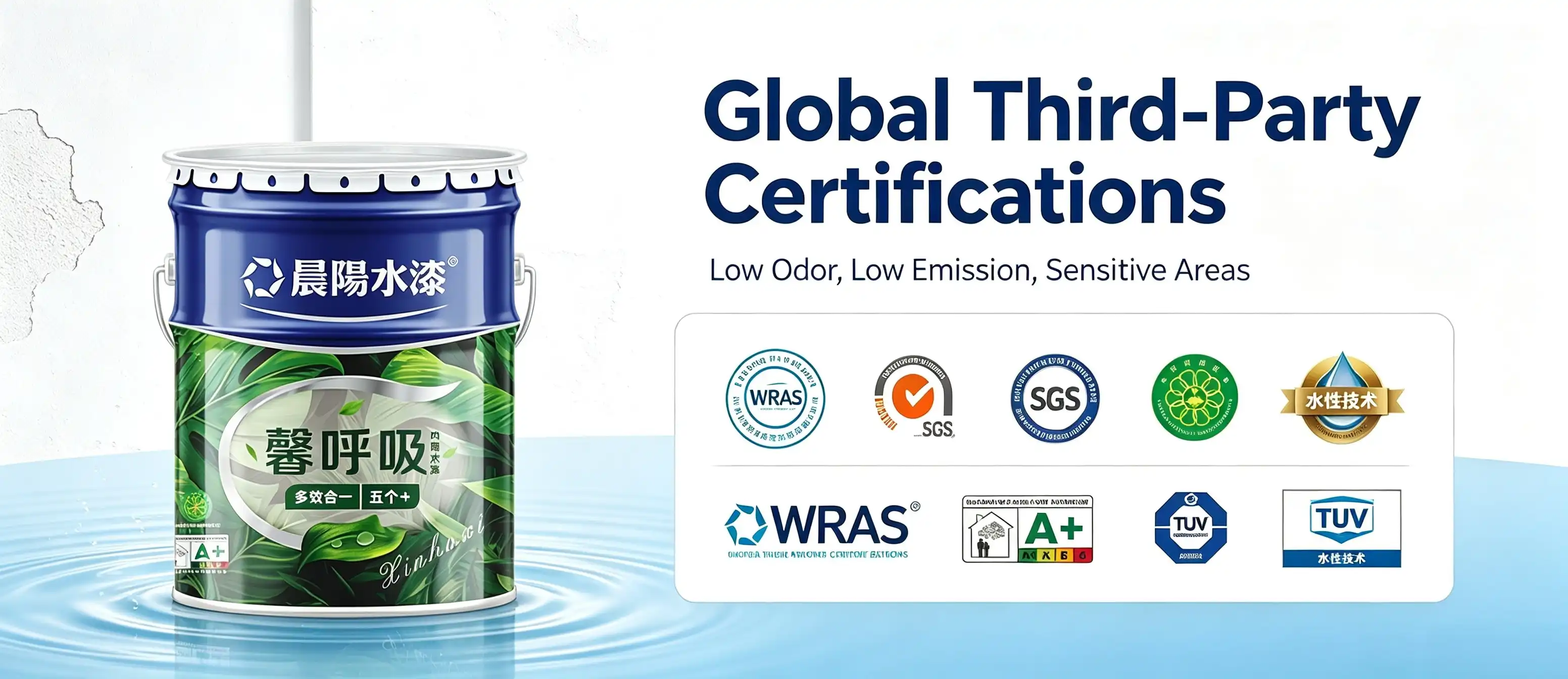
Chen Yang's design meets more than one practical need at the same time. It is very easy to clean because the paint film is thick and tough, and it stays clean for a long time. Mold- and bacteria-killing qualities that are built in meet national standards and get rid of the need for harmful chemical agents. Lotus Leaf Surface Protection Technology is a unique invention that makes regular cleaning a lot easier. Most importantly, the harmless mixture lets people move in right away after it's been applied, and it meets French A+ standards for indoor air quality.
Matching Paint Types to Application Requirements
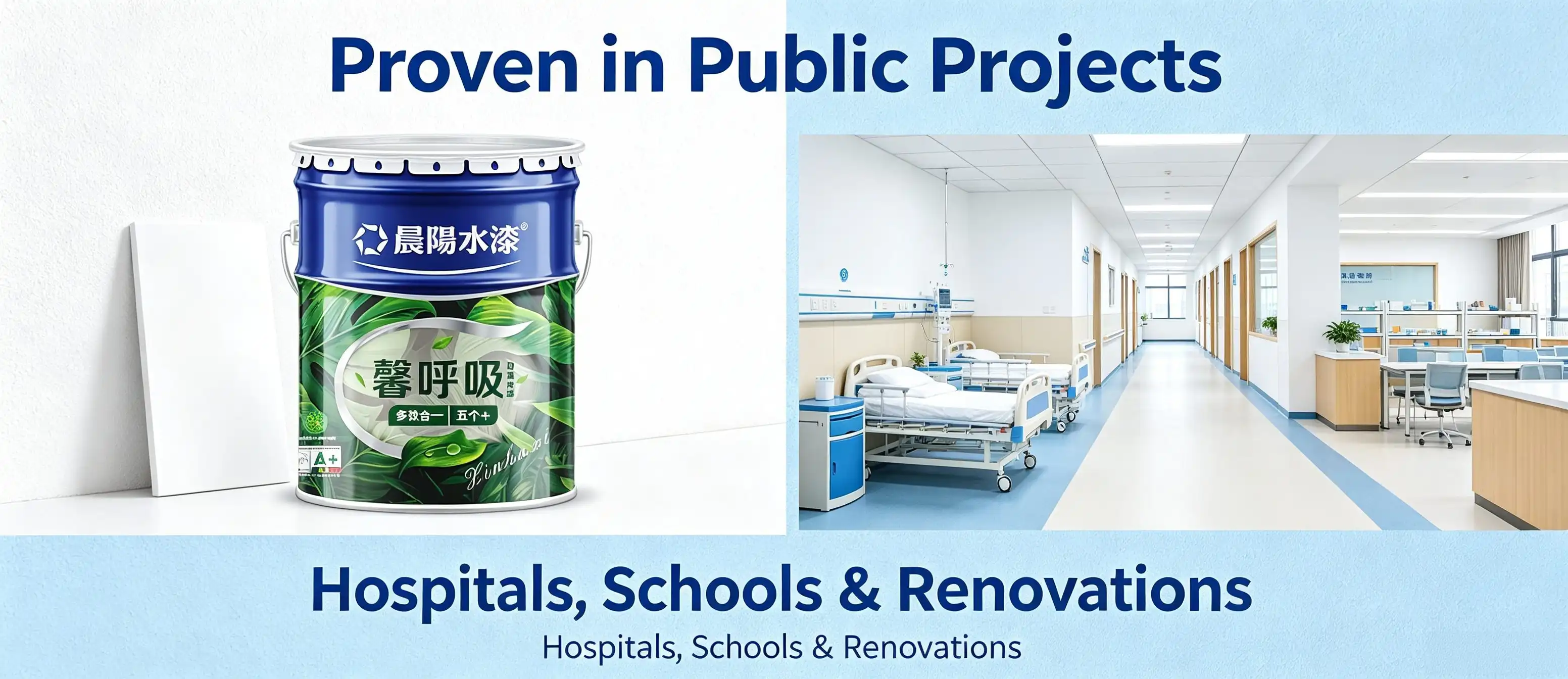
Heavy-traffic industrial buildings require non toxic no voc paint that is both durable and chemical-resistant. To keep things running smoothly, educational buildings put safety ratings and quick-drying times at the top of their lists. Healthcare environments need non toxic no voc paint with antibacterial properties that do not use flammable fungicides. Furniture makers need finishes that can be used on wood and don't change the look of the natural grain. When procurement managers know these unique needs, they can choose formulas that work best for their operations.
Benefits of Using Non-Toxic No VOC Paint in B2B Procurement
Environmental Compliance and Sustainability Goals
More and more, corporate environmental programs require all activities to lower their chemical emissions. By switching to non-toxic paints, facilities can show that they care about the environment by reducing their carbon loads by a large amount. Products with the Green Seal GS-11 or Cradle to Cradle approval have been checked by a third party, which helps with LEED building points and ISO 14001 environmental management systems. When competing for government projects or clients with strict environmental standards, using certified non toxic no voc paint becomes essential.
Workplace Health and Safety Improvements
Getting rid of dangerous air pollutants from maintenance work lowers the number of worker compensation cases linked to chemical exposure. Studies show that buildings painted with non toxic no voc paint have improved indoor air quality, leading to higher worker productivity and fewer sick days. Facilities that house old people, young children, or patients with weakened immune systems would benefit from coatings that don't hurt lung health. These health benefits lead to measured economic gains by lowering the risk of liability and making it easier to keep employees.
Long-Term Economic Value
Premium non-toxic formulas may cost more at first, but they last longer, so you don't have to paint as often. Chen Yang's Xin Huxi line shows this idea through its double anti-wear technology, which keeps the look even after frequent cleaning. The ideal covering of 8–10 square meters per kilogram means that less material is needed, and the hard drying time of 60 minutes at room temperature means that the project can be finished faster. Procurement of non toxic no voc paint in bulk 20kg or 25kg buckets reduces costs for large-scale projects. The water-based formula makes cleaning tools easier and saves money on the costs of getting rid of solvents.
Simplified Logistics and Regulatory Compliance
Traditional oil-based paints that are labeled as dangerous materials make foreign shipping much more difficult and cause delays in clearing customs. Non-toxic options are shipped as non-hazardous goods, so they only need standard MSDS paperwork and not special handling certifications. Using non toxic no voc paint reduces freight costs and eliminates storage issues associated with flammable chemicals. Companies that buy from foreign sellers will save a lot of money because the rules have been made easier to follow.
Applications and Best Practices for Non-Toxic No VOC Paint Usage
Surface Preparation Fundamentals
No matter what kind of paint you use, the base must be properly prepared for the best results. For proper bonding with non toxic no voc paint, wall surfaces must maintain a pH below 10 and moisture content below 10%. Cleaning thoroughly gets rid of contaminants that get in the way of bonding. Filling in flaws and cracks makes the texture even, which improves the end look. Using non-toxic bases that work well with each other sets the stage for the whole painting system while keeping the air quality profile the same.
Application Techniques for Commercial Projects
For big commercial jobs, high-pressure airless spray equipment is the best way to apply the material. This method makes the film width constant while reducing the amount of waste. Roller and brush methods are better for small areas and fine details because they give you more control. For different ways of applying, Chen Yang's Xin Huxi mixture has different dilution ratios: up to 20% for roller and brush and up to 10% for airless spray using only clean water. The drying process works best when the temperature in the treatment area stays between 5 and 35°C and the humidity stays below 85%. For multi-coat systems, the minimum two-hour recoat delay makes it easy to plan the workflow.
Specialized Requirements for Sensitive Environments
When painting in healthcare buildings, strict virus control rules must be followed at all times. Even when non-toxic goods are used, patients are less likely to be exposed by scheduling work for times when the hospital isn't full and using air scrubbers. Schools benefit from applying non toxic no voc paint during breaks, while zero-odor formulations allow maintenance during active semesters. Coatings in food service areas need to meet FDA food-contact standards. Chen Yang meets these standards by certifying certain products. The Xin Huxi series' five-in-one performance combines mold prevention, odor removal, antibacterial qualities, washability, and alkali resistance. This makes it especially useful for residential projects with elderly or young people.
Maintenance and Longevity Optimization
Coatings that aren't harmful keep their defensive qualities when they are maintained properly. Cleaning the film regularly with light chemicals keeps its look without damaging it. Advanced versions contain super stain-resistant technology that stops dirt from sticking, making regular maintenance easier. Because it is waterproof and breathable, it protects against alkali return and staining that are common with standard coats. Keeping track of application times and conditions helps make coating plans that are reliable and extend the life of the product.
Procurement Guide: How to Source Non-Toxic No VOC Paint for Your Business
Evaluating Supplier Qualifications
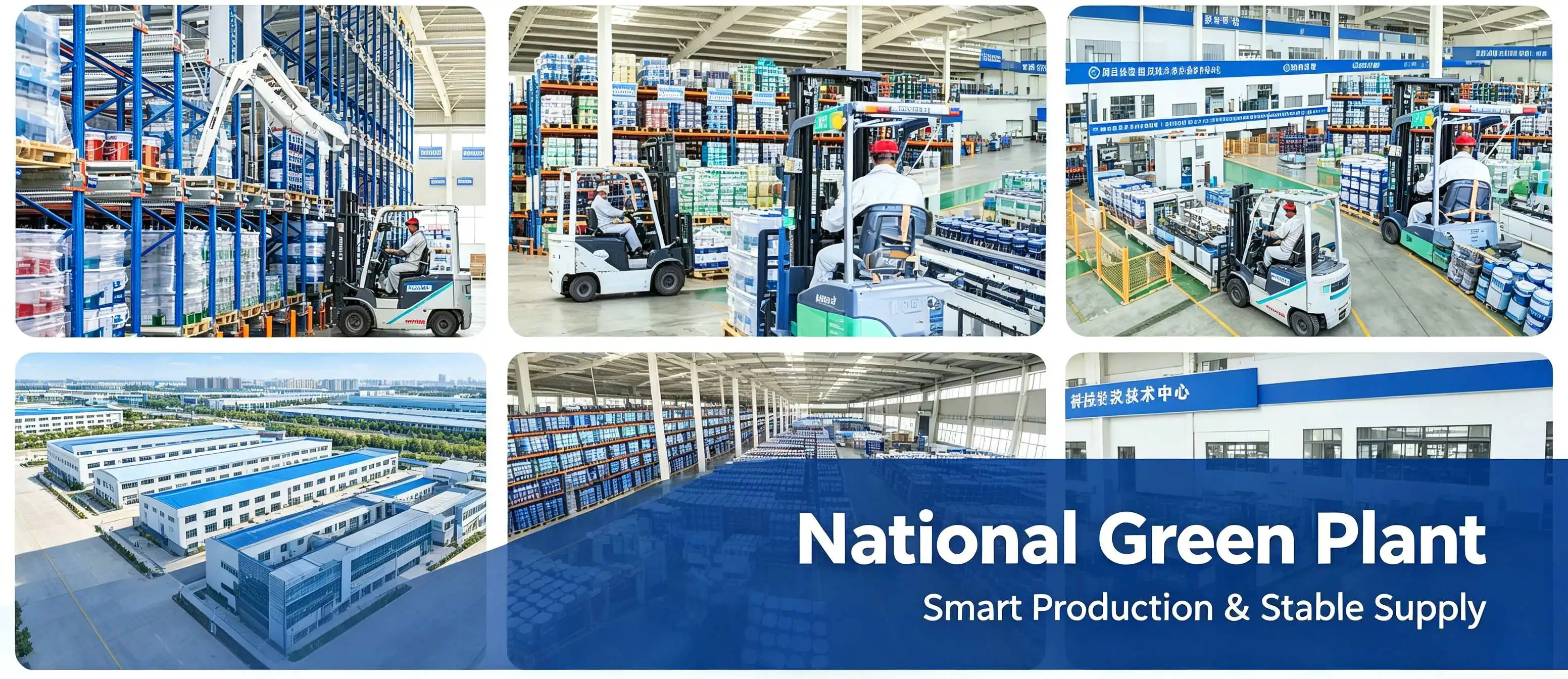
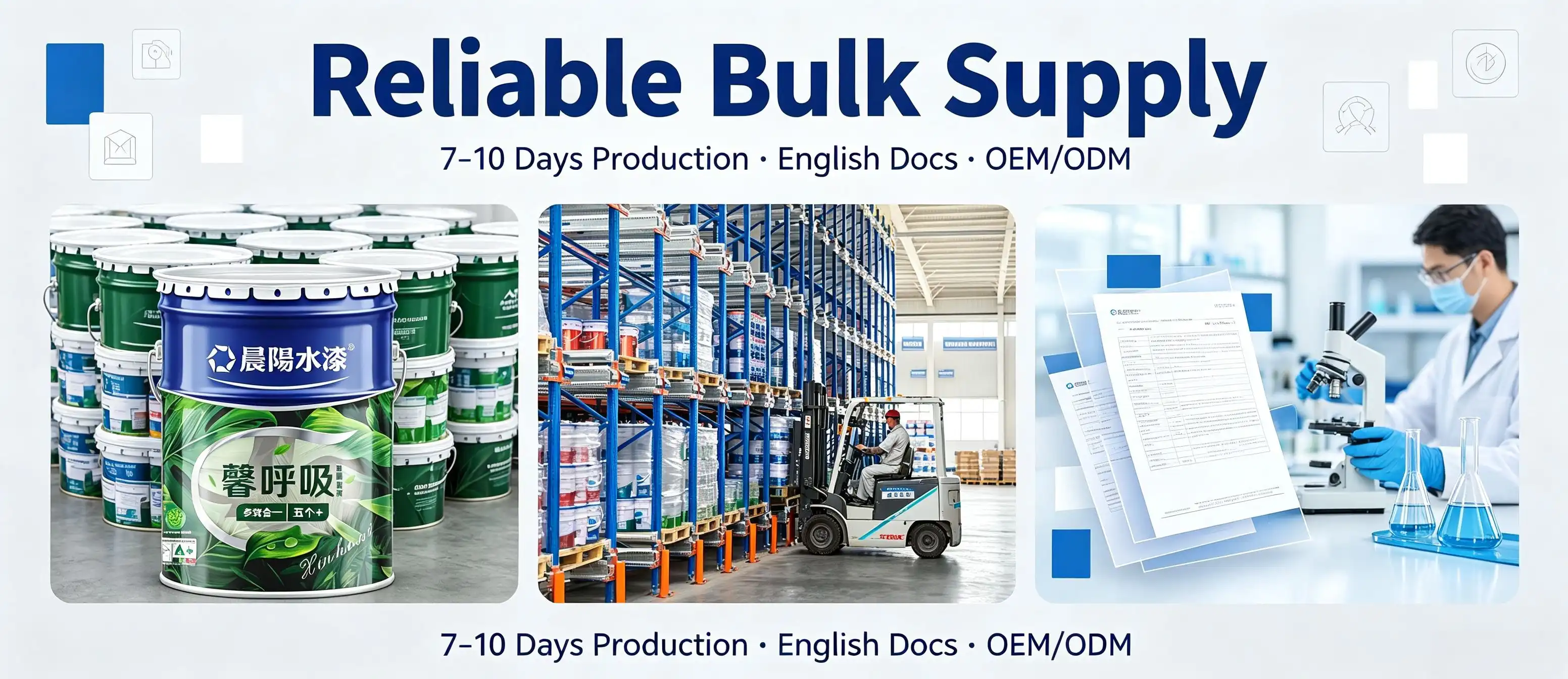
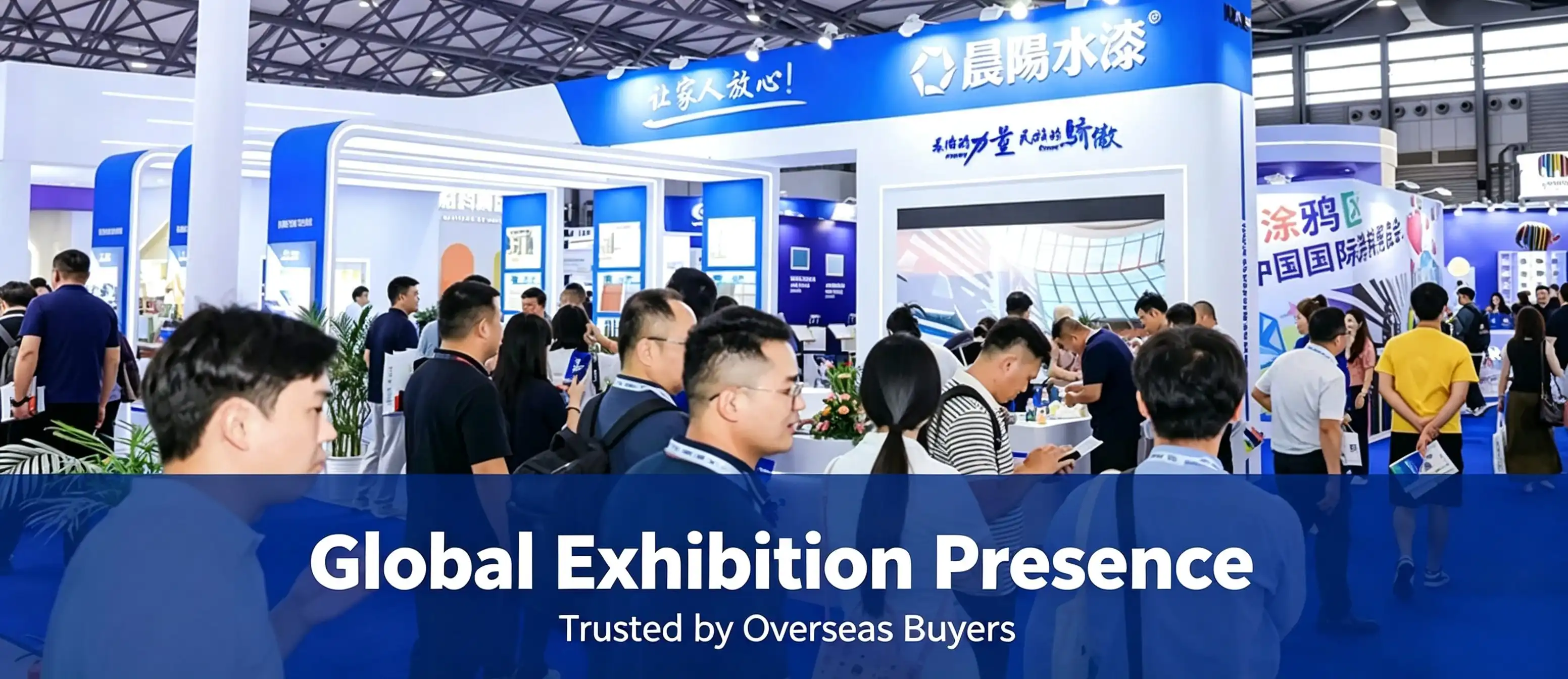
Reliable sellers show full licensing portfolios that back up what they say about their products. Watch out for EU SGS test results, German TÜV approval, UK WRAS standards compliance, and, if needed, US FDA food-contact certification. Manufacturing capacity is important. Suppliers like Chen Yang Water Paint that make more than a million tons of paint every year make sure there is a steady supply during times of high demand. The normal output cycle of 7–10 days lets project schedules be flexible. Technical help, such as English TDS and MSDS documents, makes foreign buying and customs clearance easier.
Bulk Order Considerations
Logistics need to be carefully planned for big projects. Pricing of non toxic no voc paint is influenced by MOQ, with significant savings at bulk order levels. Chen Yang offers flexible packing in 20kg and 25kg buckets, and the freight is already paid for, which makes it easier to figure out the cost. Color editing features let you tint for a specific brand through color centers. OEM and private-label services help businesses that want their own formulas or packages. When there are supply problems across the whole business, having long-term ties with suppliers ensures that your needs are met first.
Quality Verification Protocols
Systematic quality control methods should be put in place by procurement teams. Ask a third-party lab to use ASTM D6886 gas chromatography to check the VOC level claims. Emission approvals from Eurofins or UL Solutions show that the standards for Green Seal or LEED have been met. As per ASTM D3359, cross-hatch adhesion testing confirms the bond strength across the targeted surfaces. Verification of color stability makes sure that zero-VOC tints don't hurt UV protection or washability. Bio-based content analysis using ASTM D6866 measures the use of green raw materials for environmental reporting.
Technical Support and Documentation
Full seller help goes beyond just delivering products. Detailed instructions for applications help project teams get the best results. Help with troubleshooting quickly fixes problems in the field. The warranty terms make it clear that the maker is responsible for problems with function. Companies with strong technical bases—Chen Yang has more than 1,000 patents and is a part of more than 100 industry standards—have the best experts for handling complicated tasks. When choosing coats for mission-critical jobs, this level of technical depth gives you peace of mind.
Conclusion
Non toxic no voc paint technology has evolved from niche products into mainstream solutions that meet high-performance standards while protecting human health and the environment. By getting rid of volatile organic compounds, harmful air pollutants, and dangerous additives, coatings can be used in the most delicate situations without losing their sturdiness or good looks. When procurement experts choose properly approved formulations, they improve job safety, make it easier to follow regulations, and get long-term economic value. The best results are achieved in healthcare, educational, business, and industrial settings by matching the right paint type to the job. Switching to non-toxic coatings is becoming more practical and smart because more high-performance choices are coming from well-known makers.
FAQ
How does non-toxic paint perform compared to traditional formulations?
Modern non-toxic coatings that are based on water work as well as or better than traditional oil-based paints in key performance measures. Testing according to ASTM D2486 shows that high-quality formulas can survive more than 1,000 cleaning cycles without breaking down. When measuring hiding power with ASTM D2805, contrast ratios are above 0.95, which means that coverage is very good. When compared to alkyd options, the 100% acrylic resin systems are better at keeping colors and not chalking. The main difference is how they are used. Water-based products dry faster, so they can be re-coated more quickly, and they only need water to clean up, not chemical agents.
Can these coatings be used in high-moisture environments?
Advanced, non-toxic formulas specifically deal with moisture problems by using vapor-permeable materials and natural germ-killing abilities. Walls with perm scores above 10 can breathe, but flowing water can't get through. Chen Yang's Xin Huxi line is a good example of this because it is waterproof and breathable, which stops alkali return and staining. Built-in mold protection means you don't have to use dangerous fungicides to keep walls clean in bathrooms, kitchens, and other damp areas.
What certifications should procurement teams prioritize?
GREENGUARD Gold approval means that the product is safe for schools and healthcare facilities that house sensitive groups. The Green Seal GS-11 confirms that a product is good for the environment and meets strict emission standards. For LEED projects, goods that help earn points for indoor environmental quality are needed. International buyers who want to sell in Europe need products that meet EN standards. Projects in the US may need products that meet SCAQMD Rule 1113 standards. Companies like Chen Yang that have multiple foreign licenses, such as EU SGS, German TÜV, UK WRAS, and US FDA, show that they have good quality management and are ready for the global market.
Partner with a Trusted Non Toxic No VOC Paint Supplier
Chen Yang Water Paint can meet your most specific purchasing needs because they have 28 years of experience in researching, developing, and making water-based coatings. Our Xin Huxi Multi-functional Five-in-One Plus line has been tested and shown to work well in healthcare, education, business, and domestic settings. It does this by combining mold resistance, odor removal, antibacterial protection, easy washing, and resistance to alkalis. International certificates from the EU SGS, Germany TÜV, the UK WRAS, and the US FDA show that we are committed to quality standards that meet the needs of mature markets. Our highly automated plant makes more than a million tons of steel every year, and normal lead times are 7 to 10 days. This means that your projects will always have access to steel. As a leading non toxic no voc paint manufacturer, we offer flexible OEM/ODM services, custom color development, and full English technical documentation supporting seamless international procurement. Contact our team at sales@chenyangpaint.com to discuss how our certified, high-performance coatings can enhance your next project while simplifying logistics and regulatory compliance.
References
1. U.S. Environmental Protection Agency (2021). Technical Overview of Volatile Organic Compounds. Indoor Air Quality Division Publication Series.
2. American Society for Testing and Materials (2020). ASTM D2486-17: Standard Test Methods for Scrub Resistance of Wall Paints. ASTM International Standards Worldwide.
3. California Department of Public Health (2019). Standard Method for the Testing and Evaluation of Volatile Organic Chemical Emissions (V1.2). Environmental Health Investigations Branch.
4. Green Seal Inc. (2020). GS-11 Standard for Paints and Coatings. Environmental Certification Program Documentation.
5. U.S. Green Building Council (2021). LEED v4.1 Building Design and Construction Guide. Indoor Environmental Quality Credit Requirements.
6. European Chemicals Agency (2020). Guidelines on Biocidal Products Regulation: Assessment and Authorization. ECHA Technical Guidance Document Series.
Send Inquiry
You may like