What Is the Best Anti-Peeling Paint for Humid Environments?
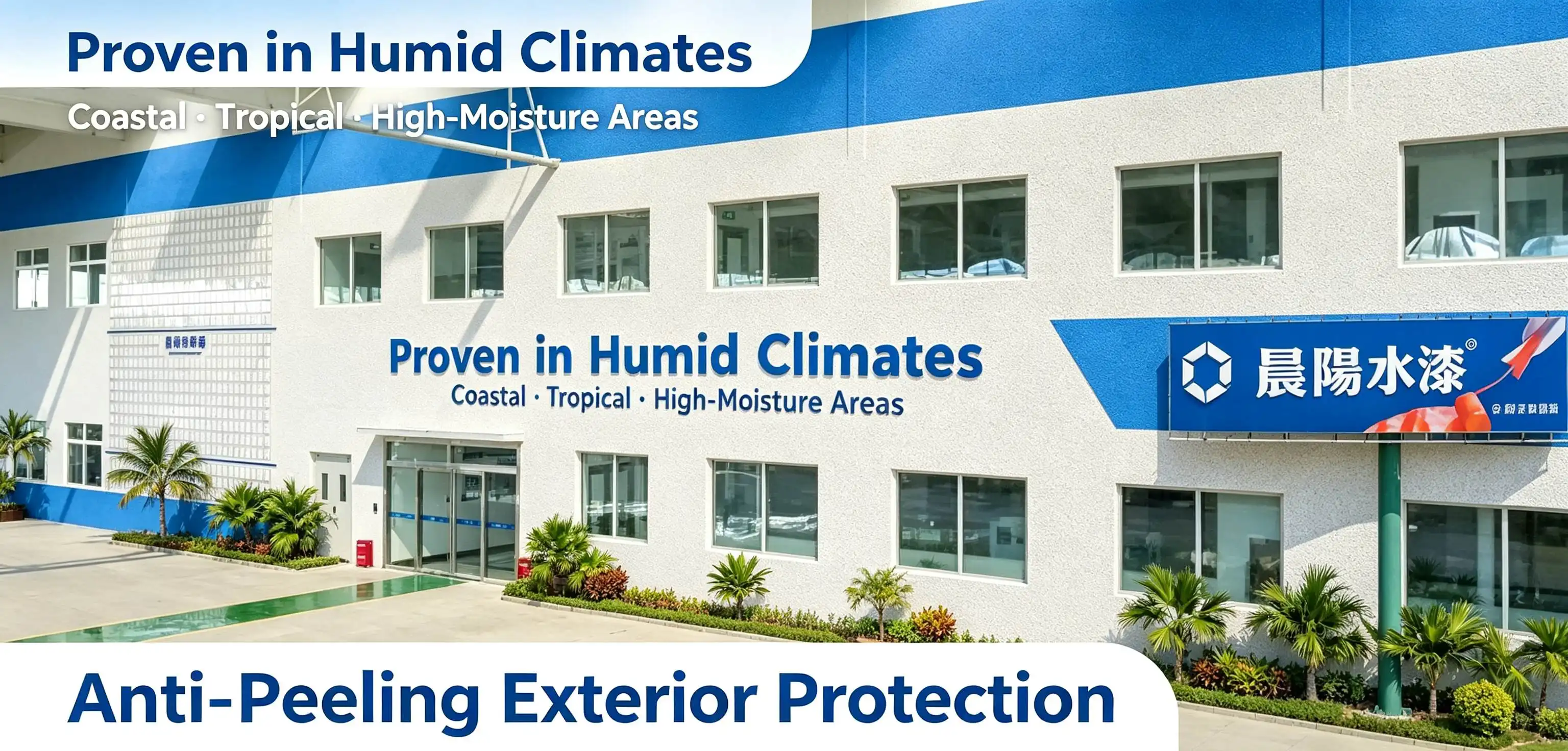
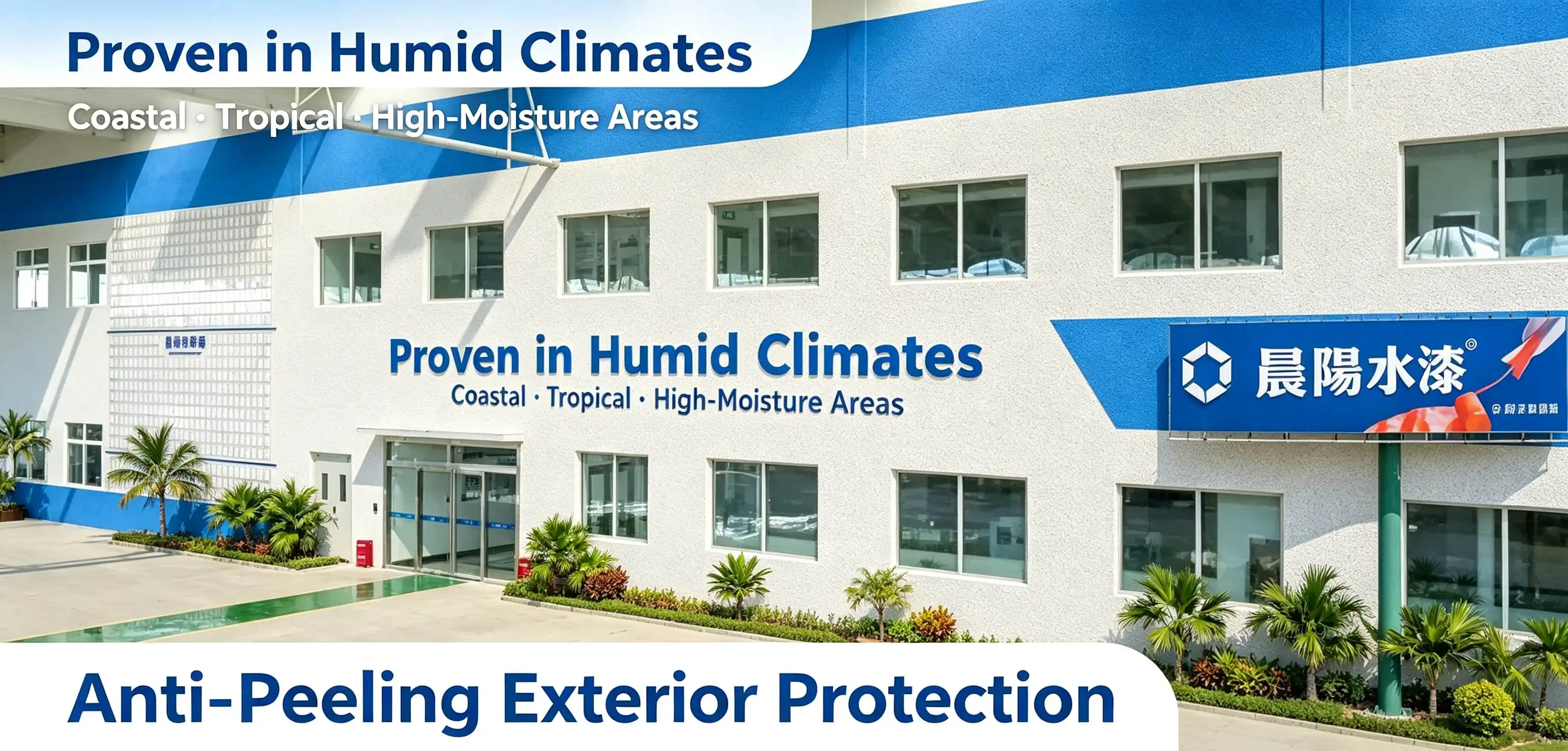
When moisture never stops working against your walls, choosing the right coating becomes a mission-critical decision. The best anti-peeling paint for humidity is one that combines breathable moisture management, alkali resistance, strong wet adhesion, and crack-resistant flexibility in a single system. Chenyang Water Paint's Natural Stone Paint checks every box — a water-based, GB 24408-2009-compliant coating with 1–3mm dry film thickness, certified by EU SGS, German TÜV, and UK WRAS, engineered to protect exterior walls in coastal, tropical, and high-humidity construction environments without blistering, bubbling, or delaminating.
Why Humidity Destroys Conventional Coatings?
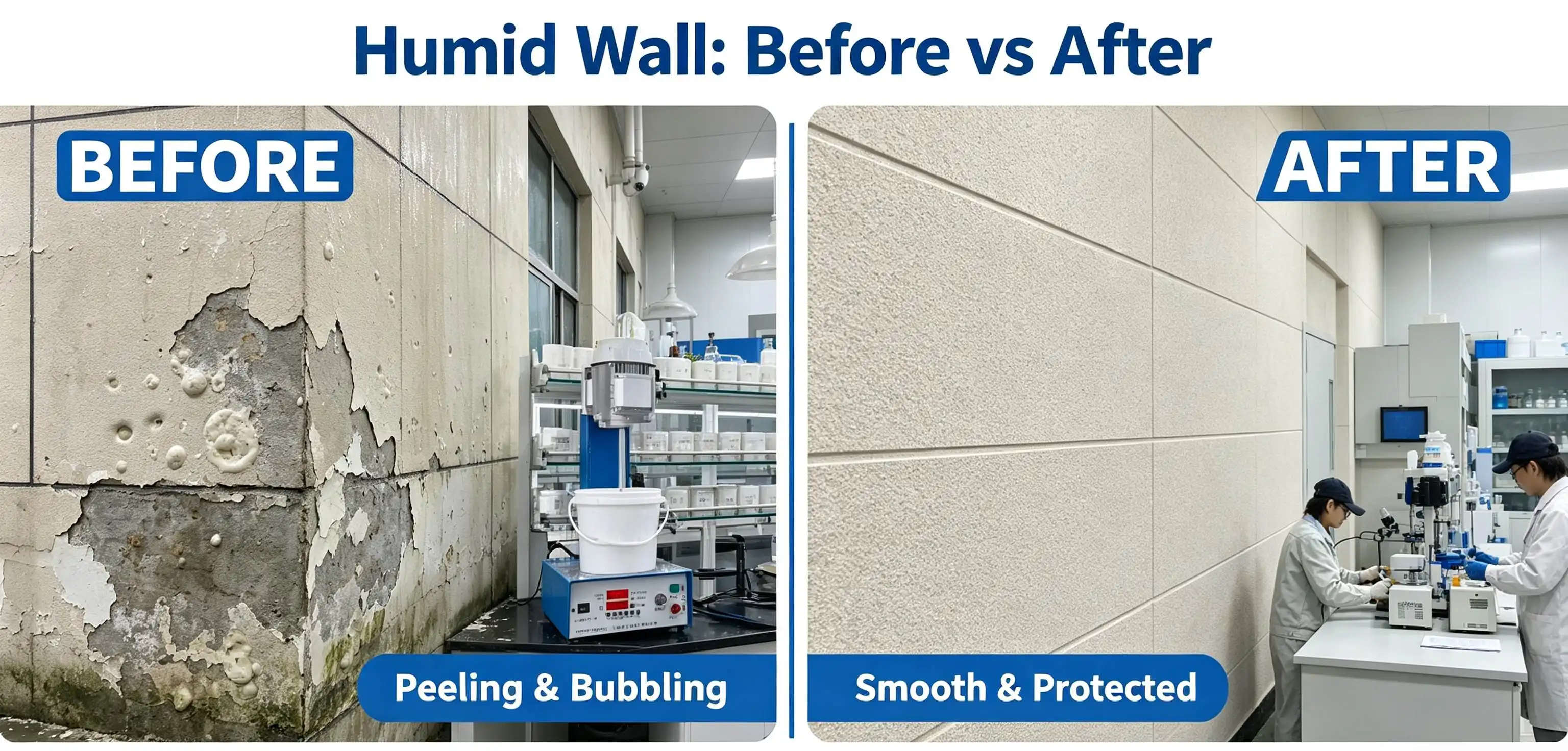
It's not enough for high relative humidity to make surfaces feel damp; it actually breaks down the molecular bond between a paint film and its base. Osmotic pressure builds up when moisture vapor builds up under a coating faster than it can escape. The film gets blisters. Cracks in the hairline. It lets water in. The whole coating system eventually comes off.
The Hidden Cost of Moisture-Induced Failure
For contractors who are painting the outside of homes in coastal or subtropical areas, one callback for delamination can wipe out the whole job's profit. Industry data shows that moisture is the main reason why coatings fail before they should. In high-humidity areas, this is what causes more than 80% of outdoor repaint cycles on concrete and brick walls. It is common for rework costs to be 15 to 25 percent of the original contract value in humid regions. This is a high number that calls for a more reliable material solution from the start.
In addition to the financial damage, moisture infiltration causes efflorescence, mold growth, and substrate degradation that get worse over time. The substrate gets weaker, which makes adhesion even harder afterward. In these places, you have to choose a layer that really lets water vapor and wetness pass through and doesn't react with alkalis.
Key Factors in Choosing the Best Moisture-Resistant Coating
Not every item that says "waterproof" really does what jobs that need to be done in damp places need. It's important to understand a key technical difference: a waterproof seal that doesn't let air pass through traps internal vapor pressure and speeds up delamination on masonry surfaces, while a coating that does let air pass through and manages moisture, such as anti-peeling paint for humidity, lets vapor leave while stopping liquid water from entering.
Here are the core performance criteria that separate high-performing coatings from inadequate alternatives:
- Wet adhesion strength: The covering must be able to stick to wet surfaces with a force of at least 2.0 MPa. Chenyang's Natural Stone Paint sticks to surfaces that have up to 10% moisture, so you don't have to wait, which is expensive and can't be done during the short building windows that are available during the rainy season.
- Breathability and vapor permeability: According to ISO 7783, high-performance exterior coatings should let moisture vapor pass through, which stops osmotic blistering but still stops liquid water from getting through.
- Alkali resistance: The pH of fresh concrete and cement paste is between 9 and 13. If the glue isn't resistant to alkalis, saponification breaks it down, which leads to fast film failure. Chenyang's method works with a base pH below 10, and the suggested anti-alkali primer lowers the risk even more.
- Crack-bridging flexibility: When it gets hot and humid along the coast, thermal expansion opens tiny cracks that let water in. Over the life of the building, that hole will be closed by a layer that has enough stretch, or the ability to bend without breaking.
- Mold and efflorescence inhibition: Salt movement and microbial growth speed up the loss of appearance and damage to structures. A sealing device that controls the flow of water naturally limits both.
These factors show the difference between a real moisture-resistant layer and a regular outdoor paint. When workers and purchasing managers make sure that purchases are in line with these standards, the number of callbacks goes down and project margins stay the same.
Application Best Practices for Long-Term Performance
Even the most modern coating will not work if the area is not properly prepared. As important as choosing the right product is following the right application protocol, especially for exterior projects in humid areas.
Surface Preparation Essentials
Get rid of all the loose stuff, fix any cracks in the structure, and make sure the pH of the base is less than 10. Before the finish system, you should use a base that is made to resist alkalis. Chenyang's Natural Stone Paint can work on surfaces that are up to 10% wet, but surfaces that are obviously wet should not be used. Bases that are clean, strong, and physically sound are what a coating that lasts, such as anti-peeling paint for humidity, is built on.
Controlled Application Conditions
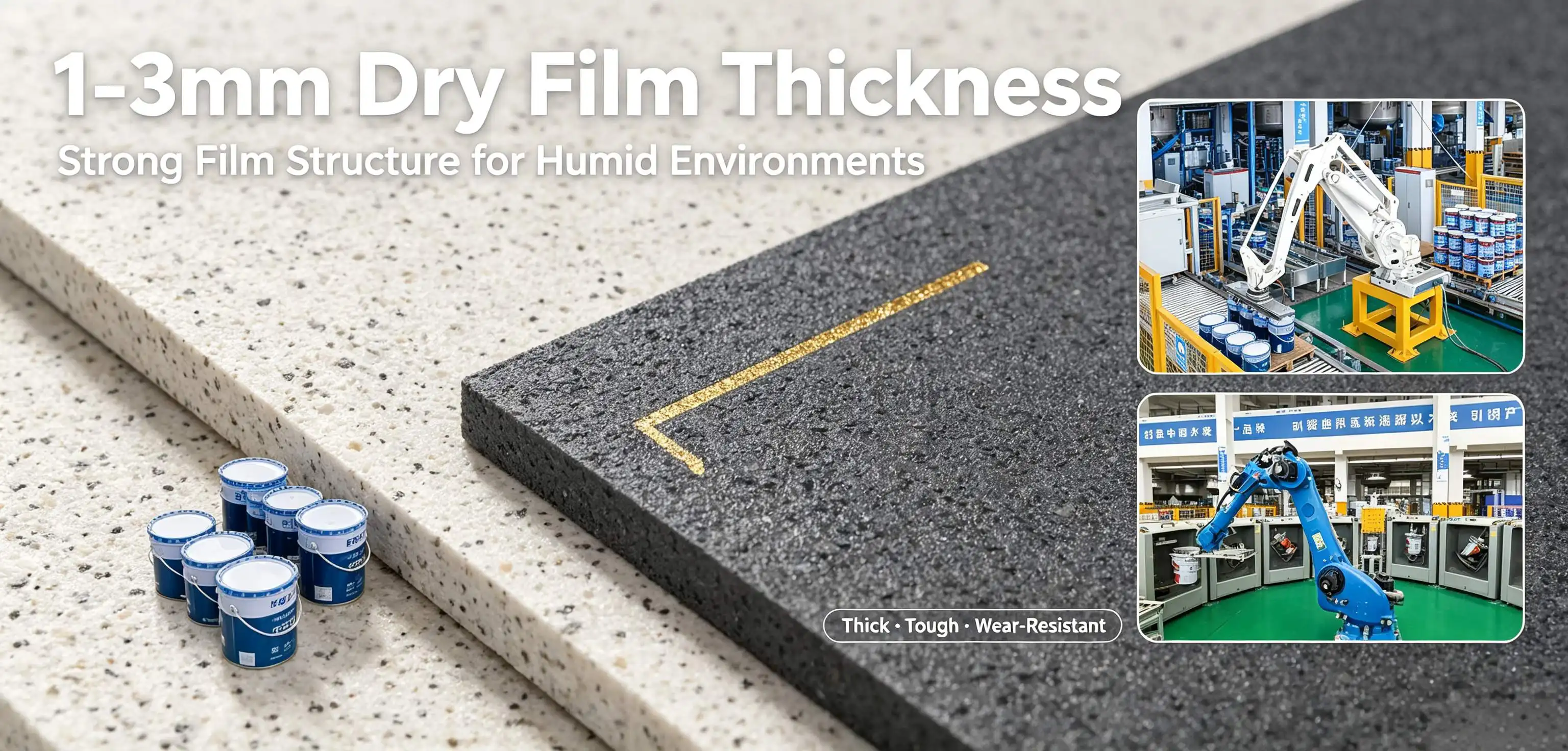
Use between 5 and 35°C and below 85% humidity. Do not use when it is raining or the wind is stronger than Beaufort Force 4. Use a spray gun made for stone paint at 6–8 KPa. Two to three coats, with at least 24 hours of drying time between each one, are needed to get the 1–3 mm dry film thickness that gives the system its full defensive and esthetic benefits.
Regular checks, especially after bad weather, and quick fixes for any mechanical damage keep the coating's integrity throughout its full service life, which, with the right surface preparation, usually lasts 7–10 years even in places with relative humidity above 85%.
Chenyang Natural Stone Paint: A Proven Supplier Solution
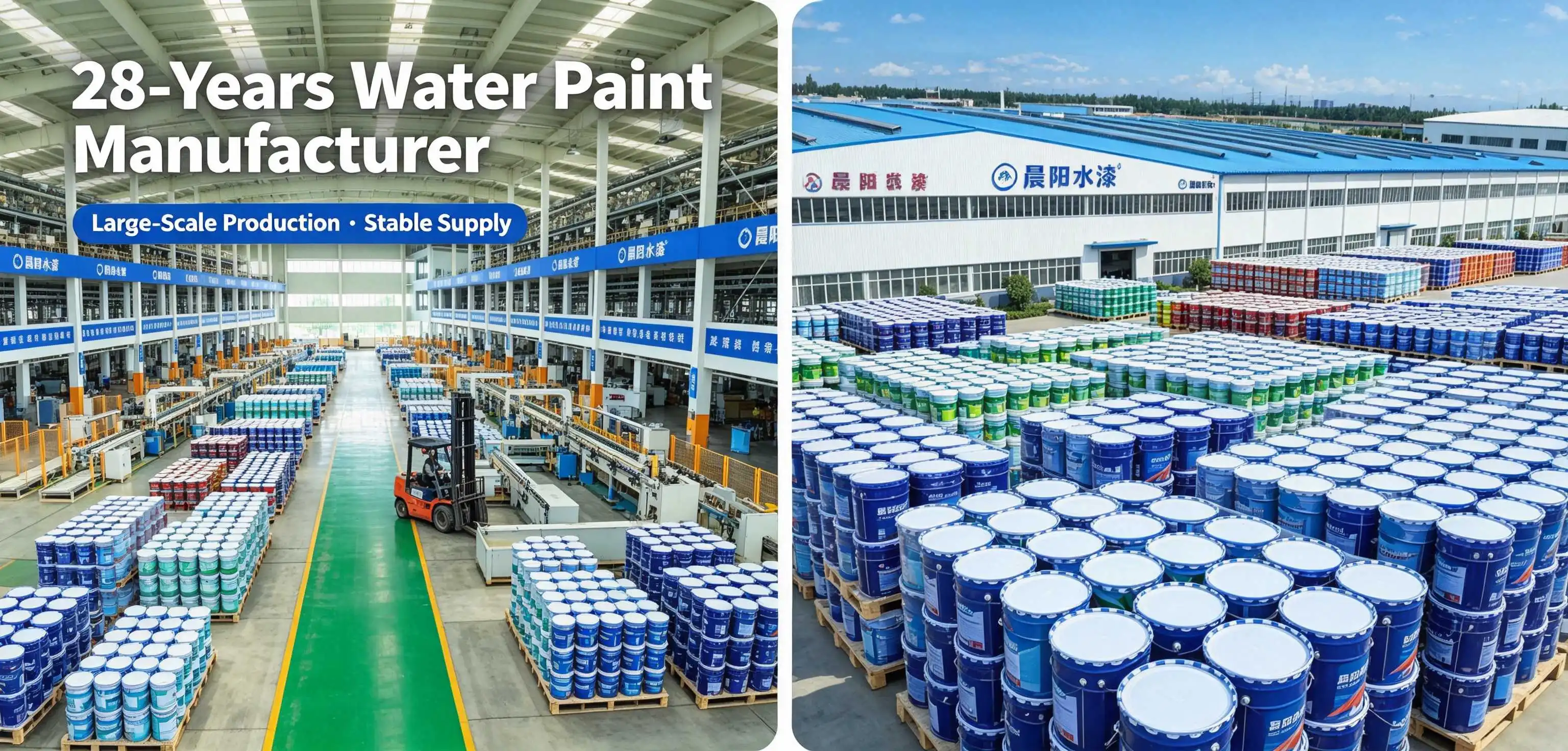
Chenyang Water Paint has been making water-based coating systems for tough construction sites for 28 years. Chenyang's Engineering Water Paint Series products all have institutional-level technical depth. Each one can produce more than 1.25 million tons a year, and the company has more than 1,000 registered patents and is a part of more than 100 national standards.
The Natural Stone Paint, which is the company's best moisture-resistant outer finish, does seven things well: it has a strong three-dimensional stone texture, doesn't crack or stain, doesn't yellow, doesn't absorb water, sticks well, and keeps its integrity over time. The method makes natural colored sand look like granite and marble, which is why it's the material of choice for clients who want to replace dry-hung stone cladding at a much lower cost per installation without losing quality.
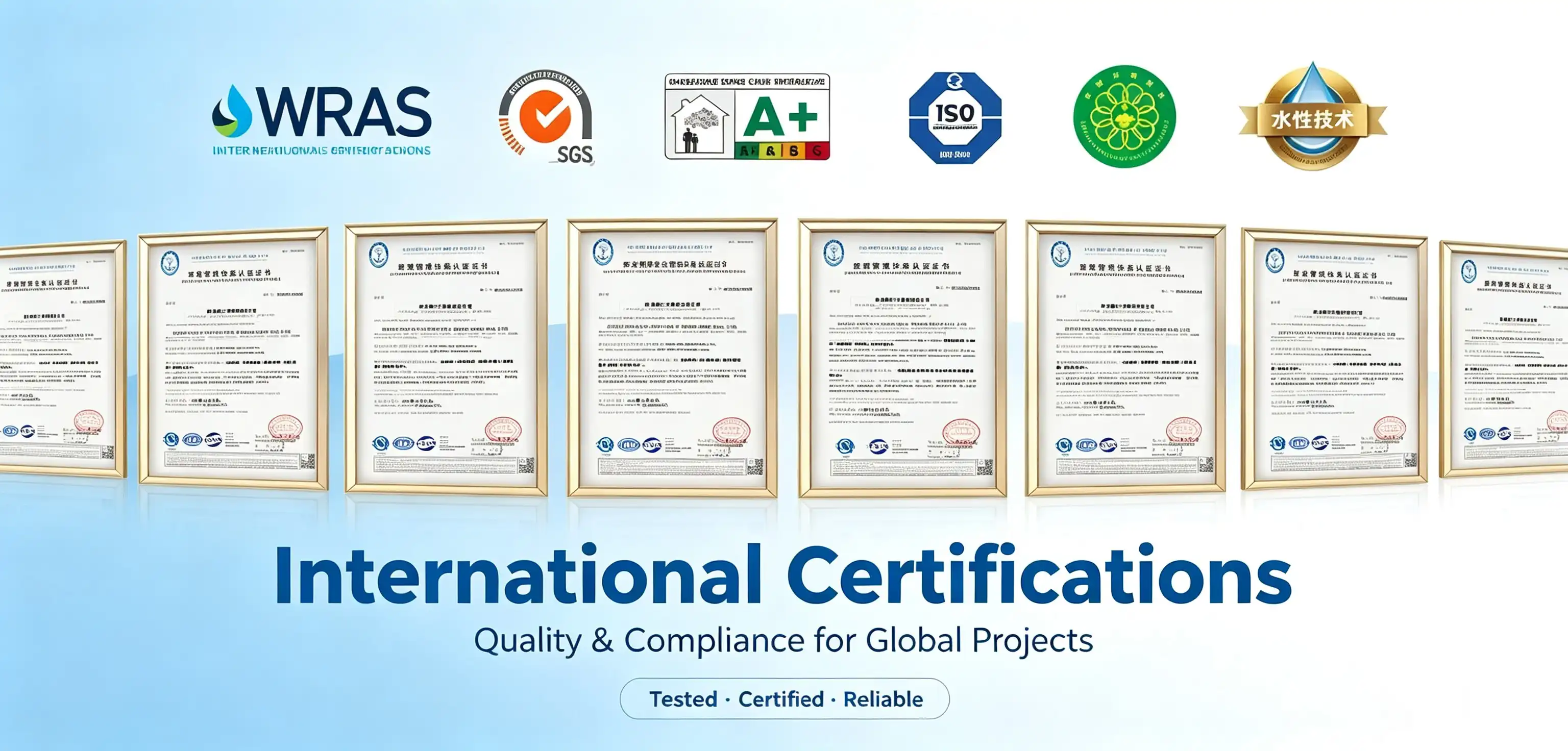
The international certifications that Chenyang has, including EU SGS, German TÜV, UK WRAS, and US FDA food-contact grade for some product lines, show that its quality standards meet the requirements of developed markets. Products are shipped as non-hazardous cargo with standard MSDS paperwork. This makes it easier for foreign business-to-business buyers to handle operations across borders. You can get full English TDS and MSDS documentation to help with project registration and customs clearance.
The company also offers OEM and private-label programs, which is very helpful for area contractors and wholesalers who need to keep prices fair in their own markets. Custom color matching with naturally colored sand makes it possible to make sample boards for specific projects before bids are sent in.
Conclusion
It is expected that paint will fail because of humidity, and it can be avoided. Coatings that last where others fail are those that can let moisture escape, fight alkalis, bend without breaking, and really stick when they're wet. Chenyang Water Paint's Natural Stone Paint has all of those things in one well-documented, globally certified method of anti-peeling paint for humidity. It's an important choice for contractors, marketers, and procurement managers who work in coastal, tropical, and high-humidity markets because it protects project margins, meets client standards, and builds long-term reorder relationships.
FAQ
Why does paint peel even when it was applied correctly?
The right way to apply something is necessary, but not enough. No matter how well the application was done, delamination can happen if the substrate is still wet above the product's tolerance level, the coats don't dry enough between them, or the primer doesn't work with the substrate. Always use a meter to check the substrate's wetness level before coating.
Does moisture-resistant paint also prevent mold growth?
A layer that lets air pass through and controls wetness makes it much harder for mold to grow on a surface. However, no coating can completely eliminate the risk of mold growth without proper ventilation and maintenance. The best products in this category are those that are made with low-VOC binders and alkali-resistant binders.
How long does an exterior humidity-resistant coating last?
If the substrate is prepared according to ASTM D4259 and the coating is applied correctly, high-performance exterior coatings in damp environments usually last 7–10 years, which is a lot longer than standard latex exterior paints in the same conditions.
Can this coating be used on older structures with existing moisture issues?
Yes. Chenyang's Natural Stone Paint can be used to fix up concrete, cement mortar, brick, and external insulation systems. It can also be used on buildings that have been wet in the past, as long as all loose material is taken off first.
Get Reliable Moisture-Resistant Coatings from Chenyang Water Paint
With over 1,000 patents, certifications from the EU SGS, German TÜV, and UK WRAS, Chenyang Water Paint is a reliable anti-peeling paint for humidity producer with 28 years of proven production experience. Our Natural Stone Paint comes from a factory that can automatically handle a million tons of paint per day. The paint is made over the course of seven to ten days, and there is full English TDS/MSDS paperwork for foreign buyers. There are OEM and private-label options to choose from. To get samples or a quote for a large order, email our technical sales team at sales@chenyangpaint.com or visit chenyangpaint.com.
References
1. Sørensen, P. A., Kiil, S., Dam-Johansen, K., & Weinell, C. E. — Progress in Organic Coatings, 2009.
2. Kensche, C. — Polymer Degradation and Stability, 2006.
3. Gu, J. D. — International Biodeterioration & Biodegradation, 2003.
4. Bierwagen, G. P. — Progress in Organic Coatings, 1996.
5. Masters Painters Institute — MPI Architectural Painting Specification Manual, 2022.
6. American Society for Testing and Materials — ASTM D4541: Standard Test Method for Pull-Off Strength of Coatings, 2022.
Send Inquiry
You may like