What is the best paint to use in tropical countries?
When choosing the right paint for warm areas, you need to think carefully about the problems that come with that temperature. The best paint for tropical countries is mold-resistant paint for tropics, which are water-based mixtures made to withstand high humidity, strong UV rays, and ongoing microbe threats. These high-tech coats have biocides that are enclosed and stop the growth of fungi while keeping the surface's ability to breathe. This keeps wetness from building up and causing blistering and peeling. Professional-grade antimicrobial water-based systems last five to seven years, while regular paints fail after 12 to 18 months of tropical stress. This means that they dramatically lower lifecycle costs while maintaining structural integrity and aesthetics in a wide range of industrial settings.

Understanding the Challenges of Painting in Tropical Climates
Tropical areas are very hard for building paints to work with. When relative humidity is high, it often goes above 80%, which is perfect for fungi to grow quickly. When mixed with temperatures that often go above 30 degrees Celsius, this humid environment speeds up the breakdown of paint films by living things. Heavy rain adds to the hydrostatic pressure, which tests the limits of bonding. At tropical latitudes, strong UV radiation breaks down polymer chains, which causes chalking and color fading.
These external stressors work together instead of against each other, making mold-resistant paint for tropics essential for long-term building protection. Both UV light and moisture can weaken the bonds between substrates, which makes it easier for mold spores to grow in covering layers that aren't strong enough. Standard waterproof paints only protect against surface wetness and don't stop vapor transfer, which means that humidity is trapped under films that can't let it through. This makes small areas where anaerobic bacteria can grow and make acids that eat away at the materials below.
Impact on Industrial and Commercial Facilities
When coatings fail, there are big practical risks for construction companies that run hotels, hospitals, food processing plants, and schools. Paint that wears down too quickly needs to be repainted often, which slows down business, costs more in work, and hurts the brand's image. In healthcare settings, mold spores in the air lower the quality of the air inside, which puts patients at risk. When wall treatments allow microbes to grow, food and drink facilities run the risk of getting sick or breaking the law. Purchasing managers know that picking the wrong paint systems can turn routine upkeep into emergency management. Because of this, choosing the right mold-resistant paint for tropics is more of a strategic goal than a simple buy.

What Is Mold-Resistant Paint, and Why Is It Crucial for the Tropics?
Specialized fungicides and biocides are used in mold-resistant paint for tropics to stop the growth of microbes in warm and humid environments. These active ingredients are very different from regular paints because they target fungus enzyme systems and mess up the metabolism of cells at the molecular level. Biological agents that protect the film stay incorporated in the covering matrix, continuing to kill microbes throughout the paint's useful life without washing away in rain.
It's important to know the difference between simple waterproofing and real mold defense. Waterproof coats only stop liquid water from getting through, but they often make walls that can't breathe. True tropical-grade antimicrobial systems balance resistance to moisture with openness to air. This lets surfaces release held humidity while blocking liquid entry. This ability to let air pass through stops the terrible burning and peeling that happens when water builds up behind films that don't let air pass through.
Technical Advantages for B2B Procurement
When quality assurance teams look at coating specs, they should give top priority to formulas that meet ASTM D3273 standards. These standards test how resistant a coating is to fungal growth in a controlled environment. High-volume solids content of 40 to 50 percent ensures strong film build, making physical walls that work with chemical antimicrobials to kill microbes. UV-stable dyes and glue systems stop surface porosity from forming, which keeps mold spores from finding the rough spots they need to settle down. These technical specs directly lead to longer periods of time between upkeep, lower lifecycle costs, and better building cleanliness, making mold resistant paint for tropics a preferred choice for large-scale projects. These are all very important things to think about when choosing coatings for big projects that will take place in several tropical locations.
| Parameter | Specification |
|---|---|
| Product Gloss | Matte |
| Theoretical Coverage | 7-9 m²/kg per coat |
| Dry Film Thickness | Approximately 30 microns |
| Maximum Water Dilution | 20% for roller/brush application |
| Surface Drying Time | 30 minutes (25-30°C) |
| Hard Drying Time | 60 minutes (25-30°C) |
| Recoat Interval | ≥2 hours |
| Application Methods | Roller or brush |
| Application Temperature | 5-35°C, humidity <85% |
| Substrate Moisture Content | <10% |
| Substrate pH Value | <10 |
| Tool Cleaning | Water-based, easy cleanup |
| Environmental Compliance | GB 24408-2009 standard |
Types of Mold-Resistant Paints Best Suited for Tropical Regions
Water-based antibacterial systems have become the best choice for tropical settings, and modern mold-resistant paint for tropics products performs especially well in these demanding environments. These mixtures give off very few volatile organic molecules and stick very well to surfaces that are damp and stable, which is common in humid places. Logistics, customs clearance, and storing needs are made easier when there is no classification for hazardous materials. This is a big plus for foreign buying operations.
Chenyang Water Paint's Wumeixin Weather-resistant Exterior Wall Water-based Paint is an excellent example of mold resistant paint for tropics technology. This matte-finish method covers an estimated 7 to 9 square meters per kilogram per coat and is in line with GB 24408-2009 standards that limit dangerous substances. At 25 to 30 degrees Celsius, the formula dries the surface in 30 minutes and the hard part in 60 minutes. This lets projects get done on time even when the weather is tough in the tropics. It can be used on brick walls, concrete floors, and masonry substrates, and it can be used in a wide range of places, such as hospitals, schools, living buildings, and factories.
Selection Considerations for Project Specifications
When technical teams compare mold-resistant paint for tropics products, they should look at a number of performance factors. Vapor penetration, which is measured by low SD values, makes sure that the ground can breathe. Scrub resistance testing according to ASTM D2486 shows that the film will last through the rigorous cleaning procedures needed in healthcare and food processing settings. Accelerated aging data from QUV tests proves that antimicrobial qualities can last for a long time in UV light. Certified color stability ensures the preservation of aesthetics, which is important for business and leisure properties where looks directly affect how people see a brand and the value of the property.
How to Choose and Apply the Best Mold-Resistant Paint for Tropical Climates
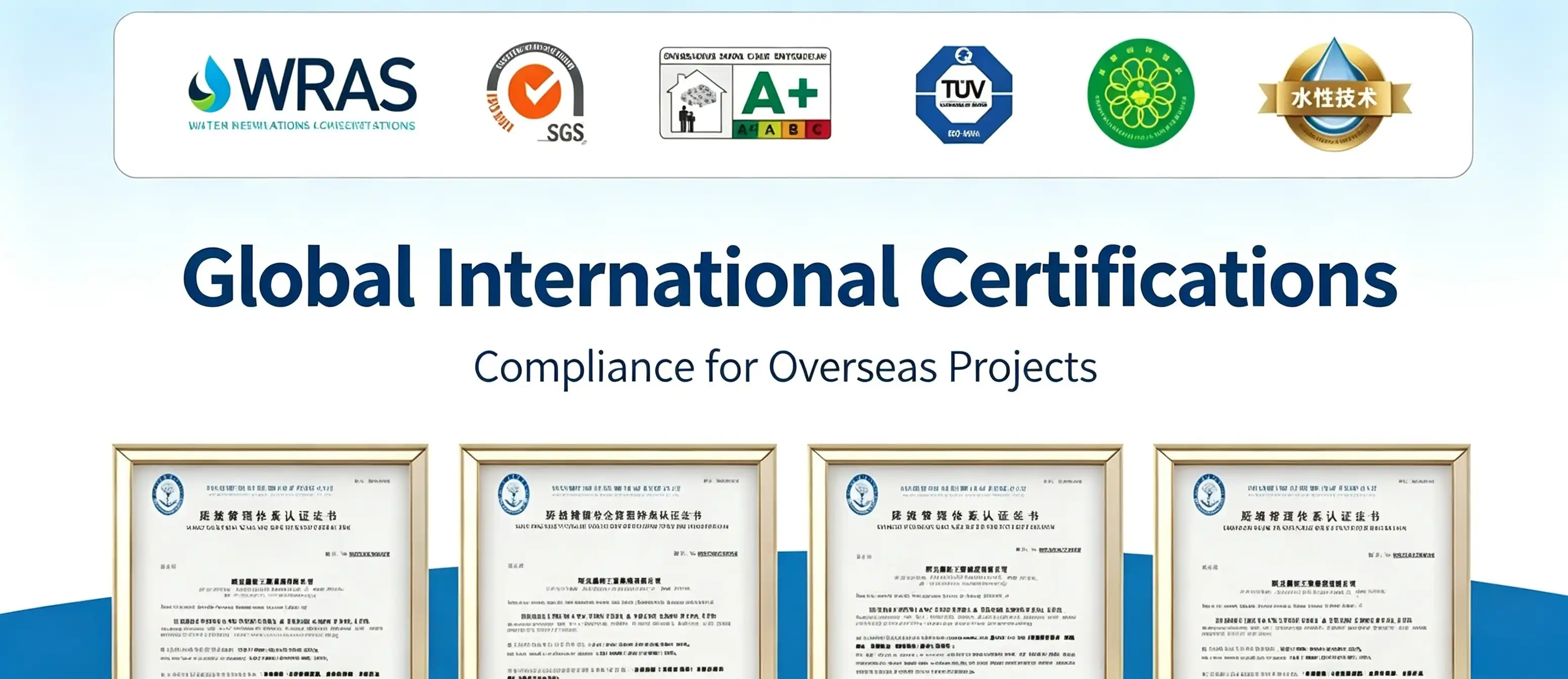
Procurement managers need to use a thorough evaluation strategy when selecting mold-resistant paint for tropics, evaluating both product specifications and supplier capabilities. Claims of success are objectively backed up by international approvals. EU SGS testing, German TÜV certification, UK WRAS standards, and US FDA food-contact approvals all show that the product has been thoroughly checked by a third party. Chenyang Water Paint has all of these certificates for all of its products, which shows that its quality standards meet the needs of the developed market. With more than 1,000 patents and involvement in more than 100 industry standards, Chenyang has a lot of scientific knowledge. This gives customers faith that their formulations use cutting-edge antimicrobial technology instead of common ingredients.
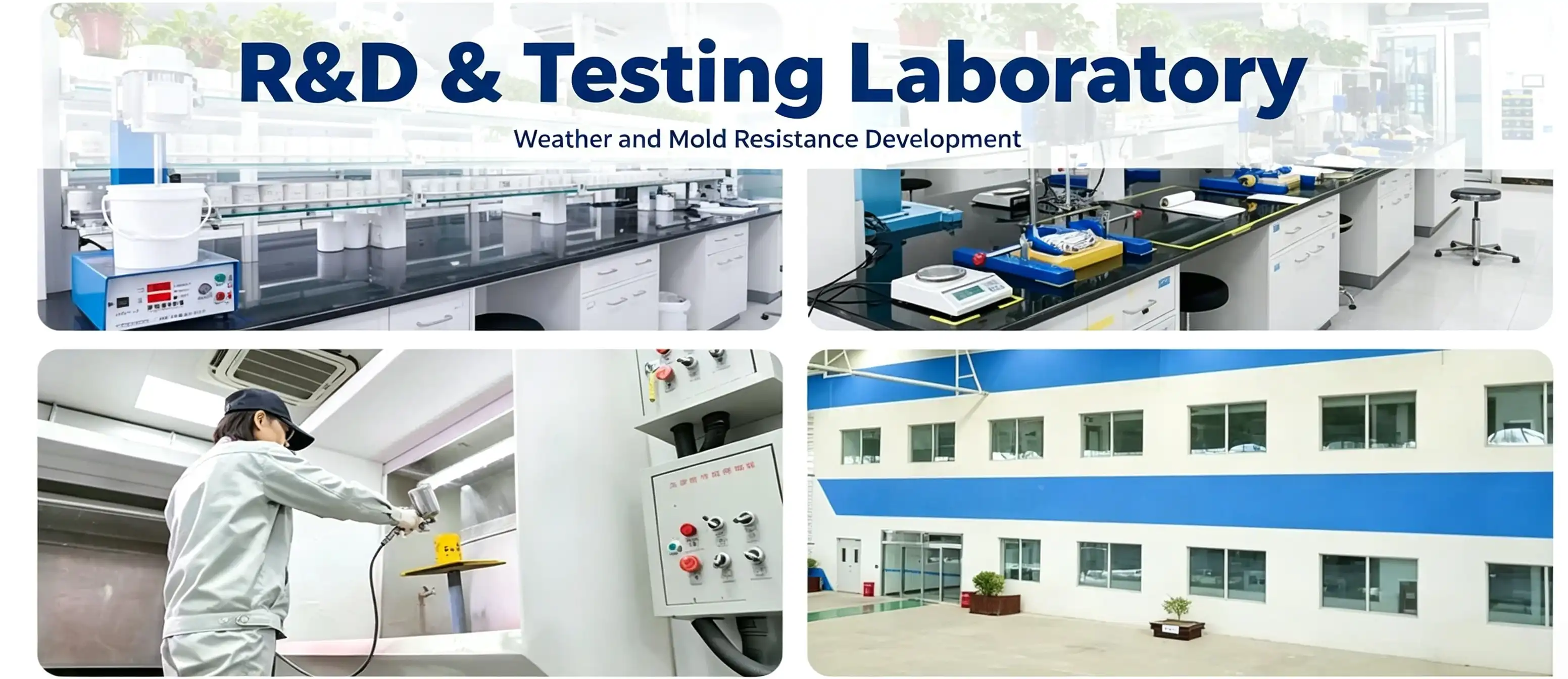
The ability to manufacture mold-resistant paint for tropics at scale has a direct effect on the success of a project, especially during peak construction seasons. With normal production rounds of 7 to 10 days and annual production of over 1 million tons, large-scale projects can be sure of a steady supply. Automated green factory operations keep batch quality uniform, so smaller providers don't have to deal with the problems that come with differences. This dependability is very important when managing multiple phases of projects in warm areas where weather windows limit when they can be used.
Application Best Practices
No matter how good the mold-resistant paint for tropics is, the finish will only last as long as the area is properly prepared. Before coating can begin, the substrate must have a pH value below 10 and a moisture content below 10%. Getting rid of mold growth mechanically and then treating the area with a fungicidal wash according to ASTM D4446 guidelines stops infection below the surface. This mold-resistant paint for tropical systems can be applied using either a roller or a brush, and the maximum dilution ratio is 20% water. This makes the system flexible for use on a wide range of projects. The best times to use something are when the temperature is between 5 and 35 degrees Celsius and the humidity is below 85%. Keeping recoat gaps of at least two hours makes sure that the layers stick together properly and that chemicals don't get stuck, which would lower the antimicrobial effectiveness.
Leading Brands and Suppliers of Mold-Resistant Paint for Tropical Markets
Supply chain risks can be reduced by working with established manufacturers of mold-resistant paint for tropics and other tropical-grade antimicrobial coatings. When it comes to water-based covering technology, Chenyang Water Paint has 28 years of experience in research, development, and production. Being a part of China's National 863 Program and working on famous projects like Tiananmen Square and the Bird's Nest Stadium is proof of high engineering quality and national technical recognition.
The company's classification of water-based goods as non-hazardous materials makes the shipping process a lot easier compared to solvent-based options. For customs clearance, only normal MSDS paperwork and transport condition certificates are needed. This gets rid of the costs and delays that come with sending dangerous goods. This organizational benefit speeds up project timelines and lowers overall landing costs, which are very important when managing building plans across multiple countries.
Customization and Technical Support
Large contractors and wholesalers have specific needs that can be met by OEM and ODM skills. Architectural needs can be met with custom color matching through specialized color centers, and brand differentiation strategies can be supported by private-label packages. Full English technical paperwork, including TDS and MSDS, makes it easier to register a project and follow the rules in many places. You can contact our expert sales team to get samples, discuss custom formulations, or request bulk pricing for your upcoming tropical building projects. With these service skills, connections with suppliers go from buying things one-time to strategic partnerships that improve the results of projects.
Conclusion
Coatings for tropical climates need special engineering that matches how well they kill microbes with how well they work in real life. The most dependable long-term answer is water-based mould-resistant paint for tropics that includes encapsulated biocides, high solids content, and UV-stable formulas. This technical profile is met by Chenyang Water Paint's Wumeixin Weather-resistant Exterior Wall Water-based Paint, which also meets strict international approval standards. Purchasing managers should give more weight to sellers who offer full expert help, flexible customization, and a history of making things. Along with choosing the right product, following the right steps for surface preparation and application is still very important to make sure that coating systems last as long as they are supposed to in harsh tropical settings.
FAQ
What makes antimicrobial paint different from standard exterior coatings?
Antimicrobial mixtures have active biocides that target fungal enzyme systems. This stops fungus colonies from forming instead of just covering up areas that are already there. Standard paints don't have these special ingredients, so they fail quickly in tropical heat that doesn't change.
Can coating application proceed directly over visible mold growth?
Professional standards don't allow painting over live pollution. To keep underground growth from getting through the protected film, ASTM D4446 says that the old coating must be mechanically removed and sterilized with a fungicide before a new one can be applied.
What service life should tropical projects expect from quality antimicrobial coatings?
Premium water-based systems designed for warm settings usually last five to seven years, which is a lot longer than the twelve to eighteen months that regular paints last in the same conditions.
Do antimicrobial coatings pose health risks in occupied buildings?
Modern formulas that meet international environmental standards use low-VOC pesticide technology that targets bacteria enzymes specifically. Products that are approved to REACH or Green Label standards keep people safe and keep their antibacterial properties.
Partner with a Trusted Mold Resistant Paint for Tropics Supplier
We welcome procurement managers, technical specifiers, and project leaders to look at Chenyang Water Paint's wide range of tropical-grade antimicrobial paints. Our Wumeixin weather-resistant exterior wall water-based paint has been approved by the EU SGS, the German TÜV, the UK WRAS, and the US FDA, so you know it works. We can promise supply security for projects of any size because we can make more than a million tons of goods every year and our production cycles last between 7 and 10 days. You can email our expert sales team at sales@chenyangpaint.com to get samples, talk about custom formulations, or get bulk prices for your future tropical building projects. As a top maker of mold-resistant paint for tropics, we offer full English documentation, adaptable OEM solutions, and engineering help throughout the entire lifetime of your project.
References
1. American Society for Testing and Materials. "Standard Test Method for Resistance to Growth of Mold on the Surface of Interior Coatings in an Environmental Chamber." ASTM D3273-16.
2. Building Research Establishment. "Tropical Building Design: Climate-Responsive Architecture and Coating Systems." BRE Global Research Paper Series, 2021.
3. International Journal of Civil Engineering and Technology. "Performance Evaluation of Water-Based Coatings in High-Humidity Environments." Vol. 12, Issue 4, 2020.
4. Society for Protective Coatings. "Best Practices for Coating Application in Tropical Marine Environments." SSPC Technical Guide, 2022.
5. Singapore Building and Construction Authority. "Green Building Product Certification for Low-VOC Coatings in Tropical Applications." BCA Standards, 2023.
6. World Health Organization. "Guidelines for Indoor Air Quality: Dampness and Mold Prevention in Tropical Climates." WHO Regional Office Publication, 2019.
Send Inquiry
You may like