What Is the Best Water Based Floor Paint for Concrete Floors?
The best water based floor paint for concrete floors is a high performance aqueous coating using innovative emulsion polymers such as modified acrylics that attach directly to concrete surfaces. It employs water as the principal carrier which means that unlike solvent-based alternatives VOC emissions are kept exceptionally low, while yet ensuring industrial-grade durability. For the facility manager or flooring contractor working in a factory, warehouse, garage, school or hospital, this type of coating provides the right combination of wear resistance, moisture tolerance, fast recoat times and environmental compliance without the complexity or hazardous handling of traditional epoxy self-leveling systems.
Understanding Water Based Floor Paint for Concrete Floors
What Makes These Coatings Different From Solvent-Based Alternatives?
Water rather than volatile chemical solvents is the transport medium for water-based floor treatments. This fundamental difference is that work sites are safer, there’s less odor when applied and schools, hospitals and food processing companies can comply with the tougher interior air quality regulations. The polymer matrix is commonly a modified acrylic or an aqueous resin . The water evaporates and the polymers will bind together and cure into a tough coating .
A common misunderstanding in the business world is that the best water based floor paint is naturally softer than epoxy. Data from independent tests disagrees with this point of view. If you make the waterborne floor coating correctly, it can have a Shore D hardness rating of 70 to 80 and an adhesion strength of more than 400 psi according to ASTM D4541. This means that the bond is often stronger than the concrete itself.
Key performance benefits that buying managers should check for before making a purchase are:
- Taber Abrasion Resistance (ASTM D4060): Weight loss below 100 mg after 1,000 cycles confirms industrial-grade durability, so the coating can be used in places where forklifts and a lot of people walk.
- Chemical Resistance (ASTM D1308): To protect the concrete substrate from long-term degradation, it must be resistant to vehicle fluids, oils, and typical industry chemicals.
- VOC Content: Premium formulations have less than 50 g/L of VOC, which meets both LEED v4 credit requirements and strict domestic environmental standards.
These standards are important because they give procurement teams data that they can show to facility owners who are still not sure about waterborne technology. This way, opinion is replaced with measurable evidence.

Comparison: Water Based Floor Paint vs. Epoxy and Polyurethane Coatings
Choosing the right floor coating type depends on the specific demands of each facility. The table below offers a practical comparison across the criteria that matter most to project managers:
| Criteria | Water-Based Floor Paint | Solvent Epoxy | Polyurethane |
|---|---|---|---|
| VOC Level | Very low (less than 50 g/L) | High (200–400 g/L) | Low to high level |
| Application Complexity | Low: brush, roller, or spray | High: mixing of two parts | Moderate |
| Recoat Window | 4 to 24 hours | 12 to 48 hours | 8 to 24 hours |
| Moisture Tolerance | Good—there are formulas that can handle moisture | Poor: water causes failure | Moderate |
| Cost Per Project | Lower overall cost per project | Higher costs for materials and labor | Moderate to high |
| Compliance (Schools/Hospitals) | Excellent | Not Enough | Moderate |
Epoxy self-leveling systems are very resistant to chemicals and can be used in harsh places like chemical plants or heavy manufacturing floors where they are constantly exposed to solvents. The difference in performance isn't as big for mid-range business projects like sheds, school gyms, lab hallways, and light industrial workshops. But the difference in project cost and installation difficulty is big. A waterborne floor coating system gets rid of mistakes made when mixing two components, makes the cure less sensitive to moisture in the substrate, and shortens project timelines by a large amount.
How to Select the Right Water Based Floor Coating for Your Project
Define Your Performance Requirements Before Comparing Products
Before you look at specific goods, write down what the floor will be used for: the type of traffic that will be there, the risk of chemical exposure, the moisture levels of the flooring, the temperature range that will be present during the application process, and any indoor air quality rules that the building owner or local government has put in place. Based on this standard, you can figure out what level of ability you need.
Evaluate the Full Application System, Not Just the Topcoat
A strong concrete floor paint system using the best water based floor paint has three layers: a primer that goes deep to help the paint stick and seal in moisture, a build coat that goes between the primer and the finish, and the topcoat is made to fight wear and stains. There are single-coat options, but in high-traffic areas, a full system always works better. When comparing suppliers, make sure that the technical data sheets you ask for describe the whole system configuration, not just the performance of the topcoat.
Prioritize Supplier Reliability for Large-Scale Projects
For contractors who are working on multiple projects at the same time, supply consistency is just as important as product performance. Key supplier attributes to evaluate include:
- Bulk packaging availability: 20 kg industrial pails lower the cost per unit and cut down on packaging waste on big job sites.
- Color customization capability: On-site color matching help cuts down on wasteful materials and project delays when architectural requirements change in the middle of a project.
- Technical documentation: Full English TDS, MSDS, and safety certificates make it easier for companies in different countries to buy things from each other.
- Lead time reliability: A source that can keep up a 7–10 day production cycle even during busy times keeps projects from being delayed, which costs a lot of money.
These operational factors often have a bigger impact on the project's profitability than the price per unit of the coating itself, which is why procurement professionals look at them with the same level of care.
Application Best Practices for Industrial Concrete Floors
Surface Preparation Is Non-Negotiable
Most coating fails in the field can be traced back to not properly preparing the base. Before filler is put on, the concrete must be clean of dust, oil, water that is still there, and top laitance. The surface shape needed for mechanical bonding can be made by shot blasting or diamond grinding. It is important to check the amount of moisture in the substrate. There are formulations that can handle moisture, but standing water always makes it harder to form a film.
The steps for application are clear: start with the primer, give it enough time to flash-off, then add the middle coat to build the film, and finally, use clean water to set the viscosity of the topcoat to the right level. For proper coalescence, the application temperature should stay at or above 10°C and the humidity in the air should stay at or below 70%. Tools can be cleaned right away with water, which is helpful on busy job sites.The polymer matrix is easy to maintain: just clean it regularly with pH-neutral detergents. The layer will last a lot longer if you don't use strong acidic cleaners.
Procurement Insights: Sourcing a Reliable Water Based Floor Paint Supplier
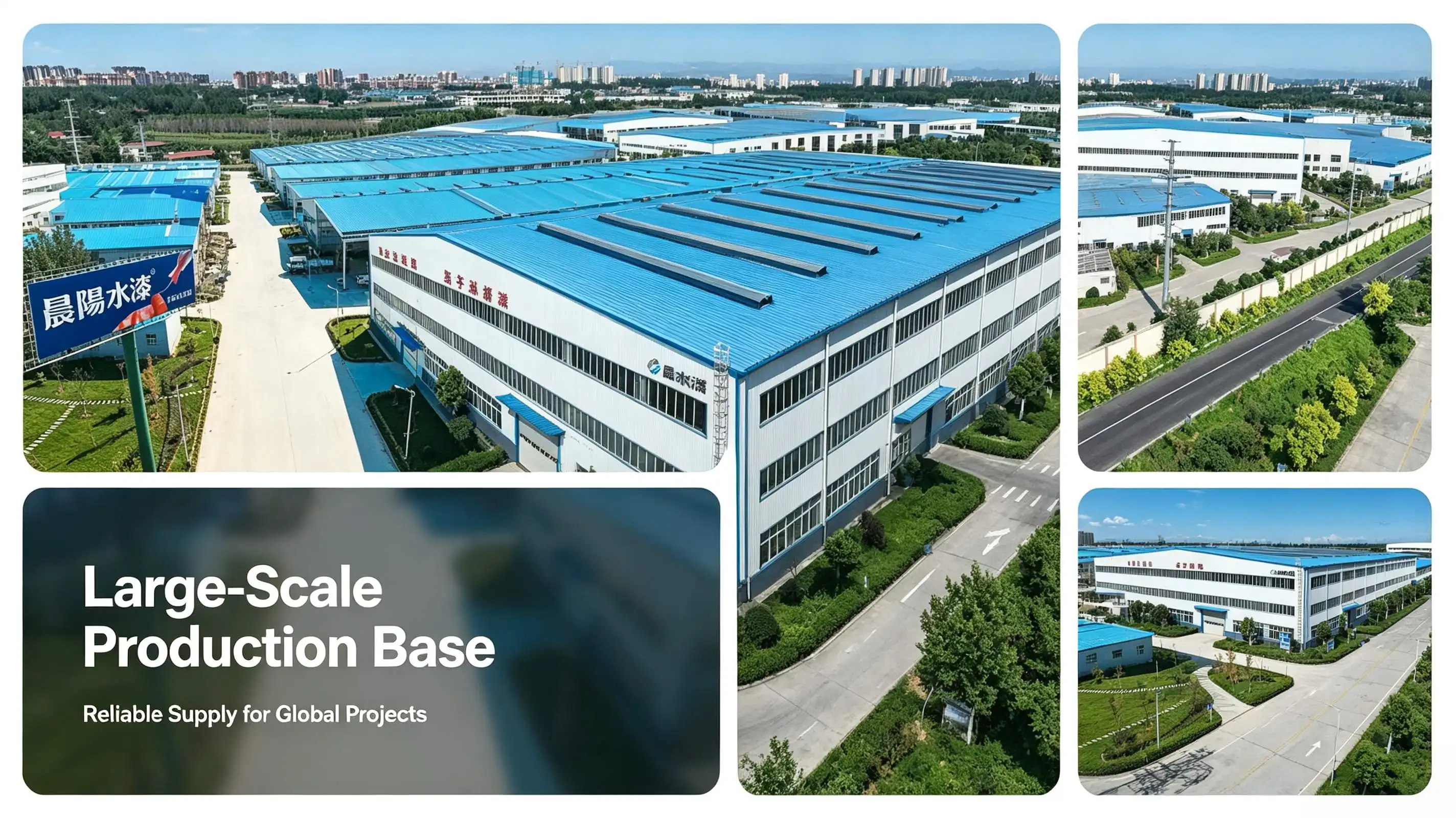
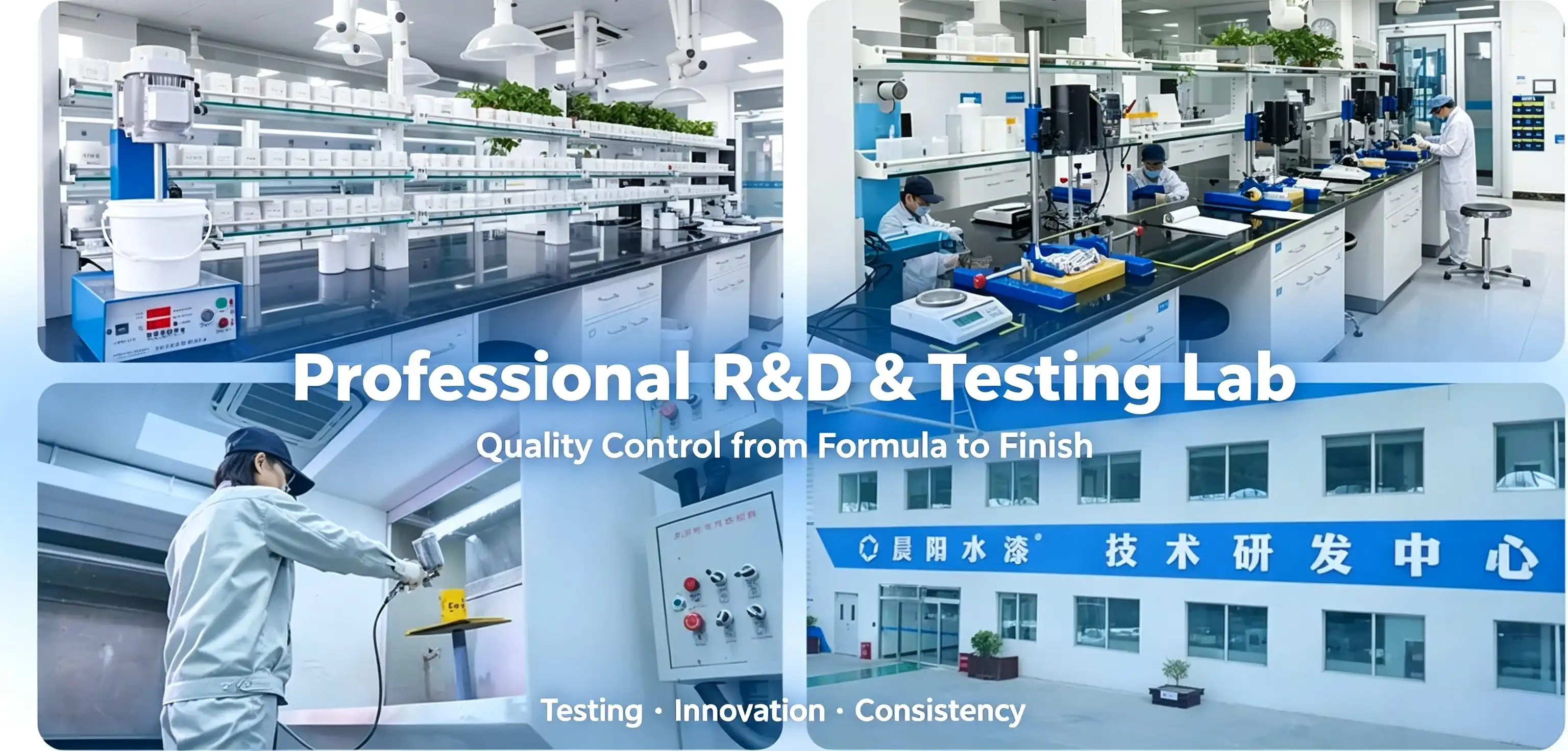
When B2B buying teams buy the best water based floor paint in bulk, the manufacturing infrastructure of the seller has a direct effect on how reliable your project will be. Chen Yang Water Paint runs one of China's biggest factories that makes waterborne coatings. Each year, they make more than 1.25 million tons. The company has more than 1,000 patents and more than 300 research and development (R&D) specialists working for it. It has been researching and making water-based paints for 28 years.
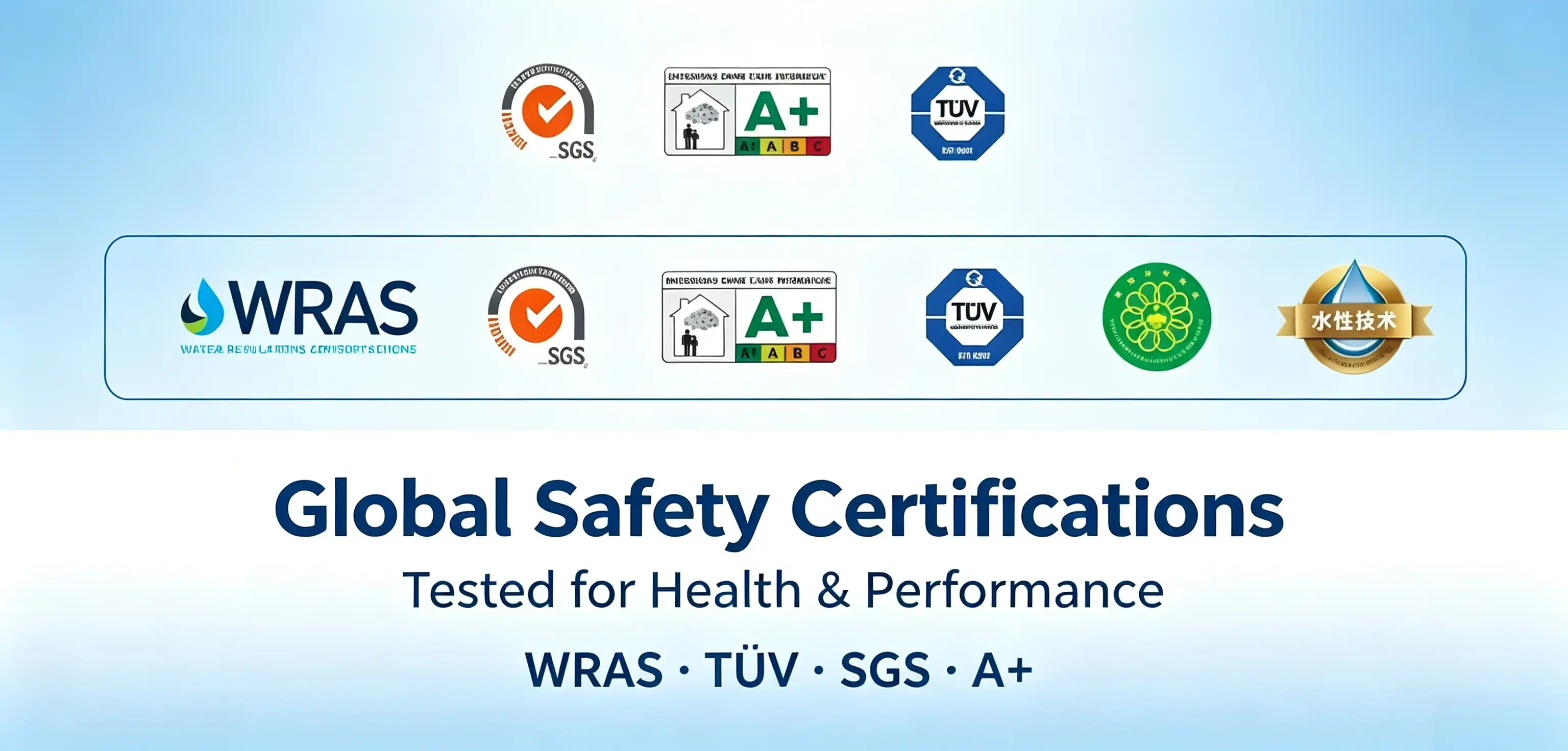
The Floor Water Paint Series from Chen Yang has six great qualities: a one-component, ready-to-use recipe, very little volatile organic compound (VOC), resistance to water and oil, resistance to high wear and wetness, strong adhesion, and high resistance to high wear. It comes in 20 kg industrial pails and can be customized in any color. The product has several certificates, such as EU SGS, German TÜV, ISO9001, and British WRAS, which show that it meets the standards for importing into developed markets.
Because the product ships as non-hazardous cargo, it is easier to get through customs and costs less to ship than solvent-based alternatives. Full TDS and MSDS paperwork in English helps projects get registered quickly in foreign markets.
Conclusion
To choose the best water based floor paint, you need to look at more than just the brand name. You also need to look at confirmed performance data, system compatibility, substrate conditions, and the stability of the provider. Water-based floor paint technology has grown up enough to really meet the needs of industrial and commercial buildings, as long as the right formula and application method are used. Waterborne floor coatings are a smart choice for purchasing managers and flooring builders who need uniform quality, compliance with regulations, and cheap project costs in a wide range of building types.
FAQ
1. Does water based floor paint require a primer on concrete?
On weak or previously unpainted concrete surfaces, you should definitely use a waterborne primer made just for that purpose. The primer goes through the substrate, fills in any holes on the surface, and makes a strong bond that stops the layers from coming apart when they're hit with heavy traffic. Some one-part formulas say they can prime themselves, but a full primer-intermediate-topcoat system always gives better adhesion and durability in tough conditions.
2. Can this type of coating handle moisture in the substrate?
Formulations that can handle moisture are specially made for surfaces that can't be completely dried. But no covering works right when there is water on it. Before applying, check the substrate's moisture vapor emission rate and look at the product's technical data sheet to find the acceptable level.
3. What is the recoat window?
Under the suggested temperature and humidity range, the usual recoat window is between 4 and 24 hours. Going beyond this window without light abrasion between coats could make it harder for the coats to stick together.
4. How soon can the floor return to service after application?
Within 24 hours, light foot traffic is usually okay. At normal conditions, it usually takes 7 days for the concrete to cure enough to handle full mechanical load, such as forklift traffic.
5. Is it compatible with brush, roller, and spray application?
Yes. The formula works with all three application methods, so contractors can change their method depending on the job site and the tools they have on hand without having to switch goods.
Partner With Chen Yang Water Paint — Your Trusted Water Based Floor Paint Supplier
Chen Yang Water Paint brings 28 years of experience with liquid paints to every job. Our Floor Water Paint Series is easy to use because it only needs one ingredient, lasts a long time, is fully compliant with international standards, and is backed by EU SGS, German TÜV, and ISO9001 certifications. Our team can help you whether you need bulk supplies for big facility projects or color-matched solutions for specific settings. You can email us at sales@chenyangpaint.com or visit chenyangpaint.com to get samples, technical information, or a price for your job right away.
References
1. Koleske, J. V. (Ed.). Paint and Coating Testing Manual (15th ed.). ASTM International, 2012.
2. Lambourne, R., & Strivens, T. A. (Eds.). Paint and Surface Coatings: Theory and Practice (2nd ed.). Woodhead Publishing, 1999.
3. ASTM D4060: Standard Test Method for Abrasion Resistance of Organic Coatings by the Taber Abraser. ASTM International, 2019.
4. ASTM D4541: Standard Test Method for Pull-Off Strength of Coatings Using Portable Adhesion Testers. ASTM International, 2017.
5. Wicks, Z. W., Jones, F. N., Pappas, S. P., & Wicks, D. A. Organic Coatings: Science and Technology (3rd ed.). Wiley-Interscience, 2007.
6. U.S. Green Building Council. LEED v4 Reference Guide for Building Design and Construction. USGBC, 2019.
Send Inquiry
You may like