What Is Water-Based Architectural Paint and How Does It Work?
Water-based architectural paint is a contemporary coating technology, where water serves as the main carrier instead of solvents based on petroleum. It is a mixture of acrylic, vinyl-acetate or polyurethane dispersions with pigments and functional additives. After evaporation of the water it forms a lasting protective coating. This process – known as coalescence – enables the resin atoms to fuse together to create a single, continuous, sticky film on materials such as drywall, concrete and masonry. It offers low volatile organic compounds (VOCs) for a healthier interior atmosphere and adheres to the stringent environmental regulations that are increasingly critical for procurement teams in the U.S. and worldwide construction industries.
What Makes Up Water-Based Architectural Paint
Composition and Film-Forming Mechanism
Water-based architectural paint is an emulsion, or a suspension of resin particles in water and additional materials such as pigments, dispersants, thickeners and stabilizers. When the resin is applied to a surface, the water evaporates and the resin particles cohere to form a film. Minimum Film Forming Temperature (MFFT) governs the coalescence process. If it falls below this temperature, the film might shatter, often known as “mud-cracking”. Maintain application temperature between 5°C and 35°C and relative humidity below 85% for perfect film formation every time.
Common Resin Types and Their Trade-Offs
Acrylic dispersions are used most often, since they combine just the perfect amount of UV protection, flexibility and stickiness. Vinyl-acetate-ethylene (VAE) copolymers are cheaper for indoor applications where weathering is not a concern. Polyurethane mixed with acrylics is the highest protection against abrasion and should be used in heavy traffic areas and commercial buildings. The hardness or flexibility of the finished film will be determined by the Glass Transition Temperature (Tg) of each kind of resin. This is a key consideration when selecting coatings for buildings located in areas where there is a large shift in temperature from season to season.
Benefits of Using Water-Based Architectural Paint in Building Projects
The move away from solvent-based systems isn't just a legal one; it's also a result of real speed improvements that procurement pros now take for granted.
Here are the main benefits that current water-based architectural paints offer for both business and home projects:
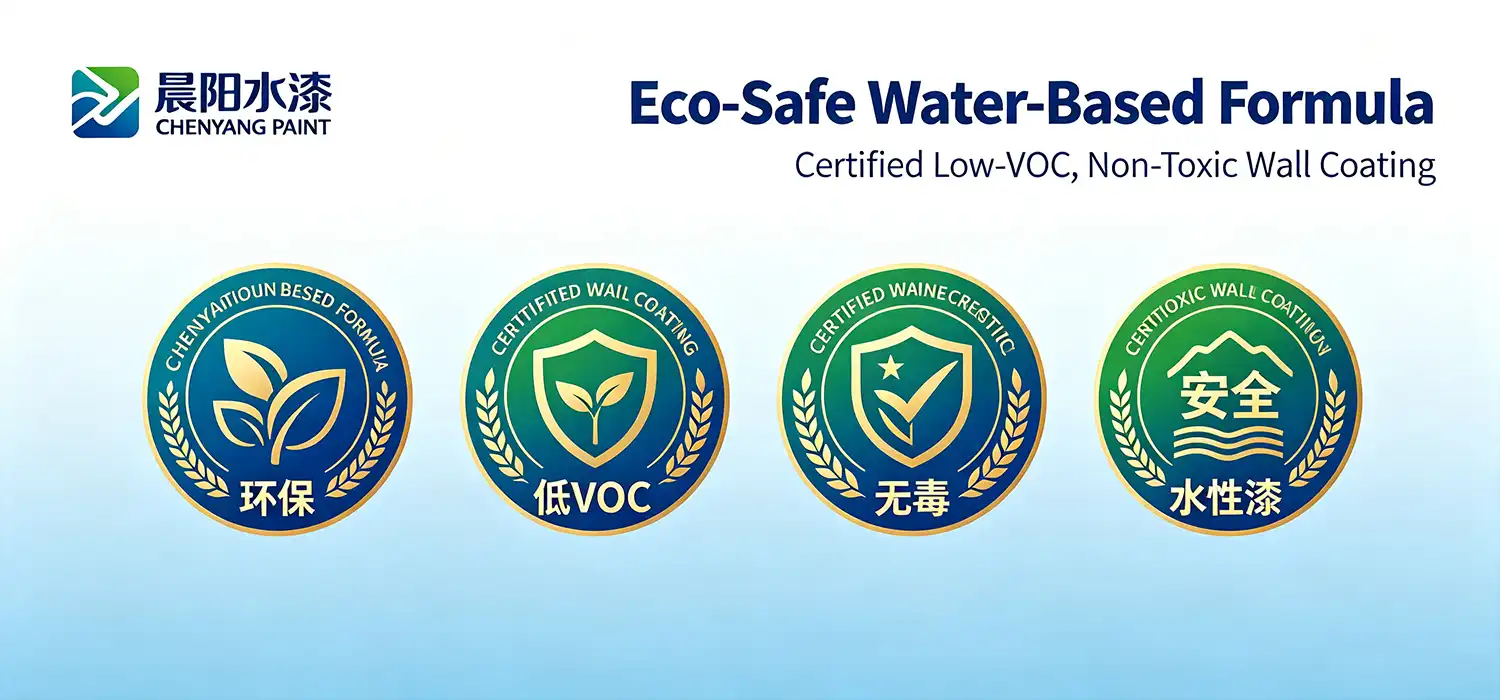
- Low VOC emissions: Water-based formulations give off a lot fewer volatile organic compounds than oil-based ones, which protects workers while they're applying them and building occupants after the job is done. This directly helps the REACH and LEED v4 compliance standards that more and more institutional and government buyers want.
- Rapid return-to-service: The surface can dry in as little as 30 minutes, and the paint is fully cured in 60 minutes at 25–30°C. This means that floors and rooms can be used again more quickly, which saves a lot of time and money on labor costs compared to solvent-based paints.
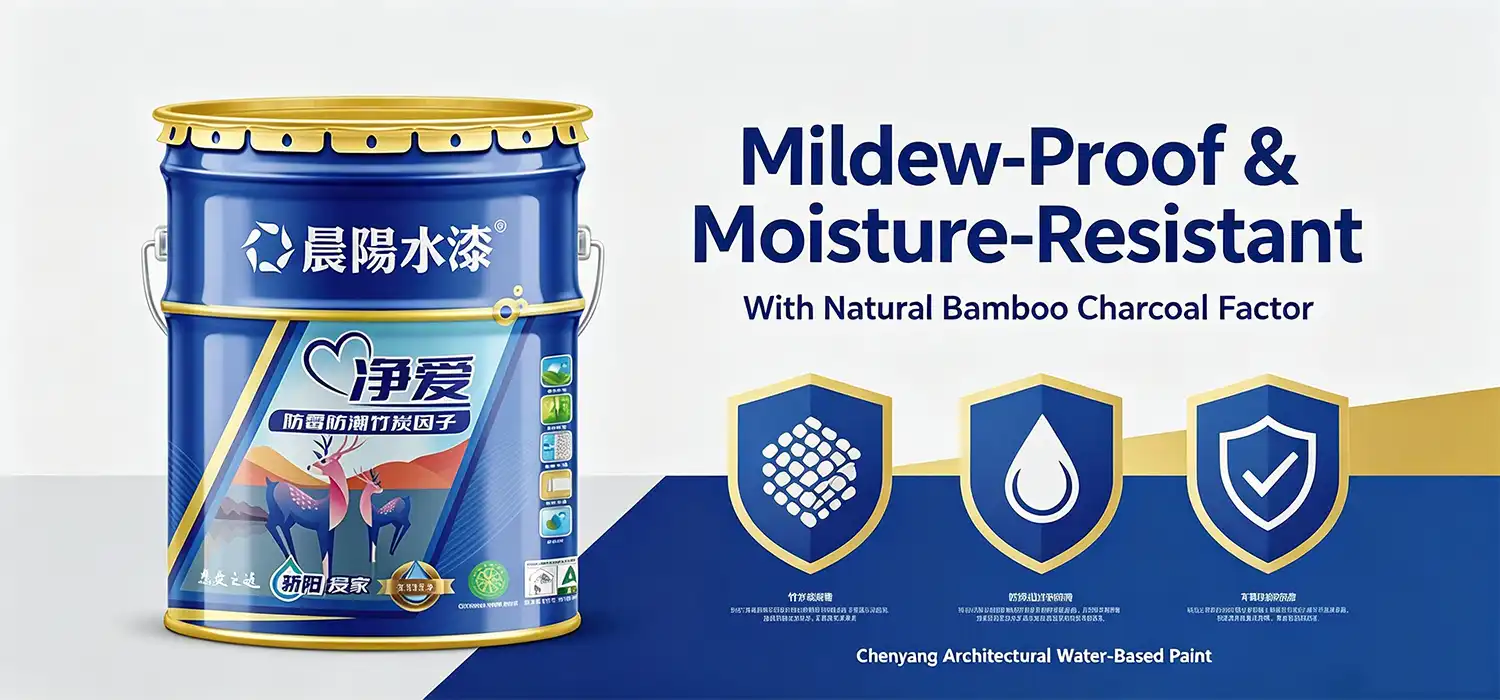
- Mold and moisture resistance: Newer formulas with useful ingredients like bamboo charcoal factors actively soak up outdoor pollutants and stop mold growth. This is very helpful in places like hospitals, schools, and building sites in humid climates where microbial protection is needed.
- Non-hazardous transport classification: Most waterborne coatings ship as non-hazardous goods because water replaces flammable solvents. This gets rid of the need for dangerous-goods fees and makes it easier for foreign sourcing teams to clear customs.
All of these benefits lower the overall project cost, lower the risk of not meeting regulations, and improve the occupant experience — results that matter whether you are buying paint for a hospital renovation or a large housing development.
How to Apply Water-Based Architectural Paint Professionally
Surface Preparation
More than any other factor, the water-based architectural paint's life depends on how well the base is prepared. The surface must be dry, clean, and free of efflorescence or grease. Some binders can become soapy if alkalis are still present in new masonry after it has been coated. Taking off the shine of old oil-based paint and then using a high-adhesion liquid primer fills in the surface-energy gap that would otherwise make adhesion failure.
Application Methods and Environmental Controls
Roller and brush application suit most interior walls, while high-pressure airless spray delivers a more uniform film on large, unobstructed facades. When diluting, follow the directions on the bottle. For roller or brush use, mix clean water with the product until it's 20% or less. For airless spray, mix water with the product until it's 10% or less. Temperature and humidity are important. Only use this method when the temperature is between 5°C and 35°C and the relative humidity is less than 85%. This is because high wetness slows down water drainage and coalescence.
Recoat Timing and Maintenance
Let at least two hours pass between coats before adding the next ones. Once the film is fully hardened, it can't be cleaned easily without wearing away. Modern high-performance acrylic systems meet or beat ISO 11998 Class 1 scrub-resistance standards. Clean with a mild detergent every so often and fix any technical problems right away to get the 5–10 years of service life that quality-certified goods are designed to provide.
Procurement and Bulk Buying Guide for Water-Based Architectural Paint
Choosing where to get water-based architectural paint for big projects depends on three things: the reliability of the approval, the ability to keep getting supplies, and the ability to customize the coatings. If a seller has certifications from EU SGS, German TÜV, the UK WRAS, and the US FDA, it means that its goods have been checked by a third party against the standards that regulators and specifiers in developed markets need. FDA and WRAS approval is required for buyers who work with food-contact areas, drinking water infrastructure, or healthcare buildings. It is not a choice.
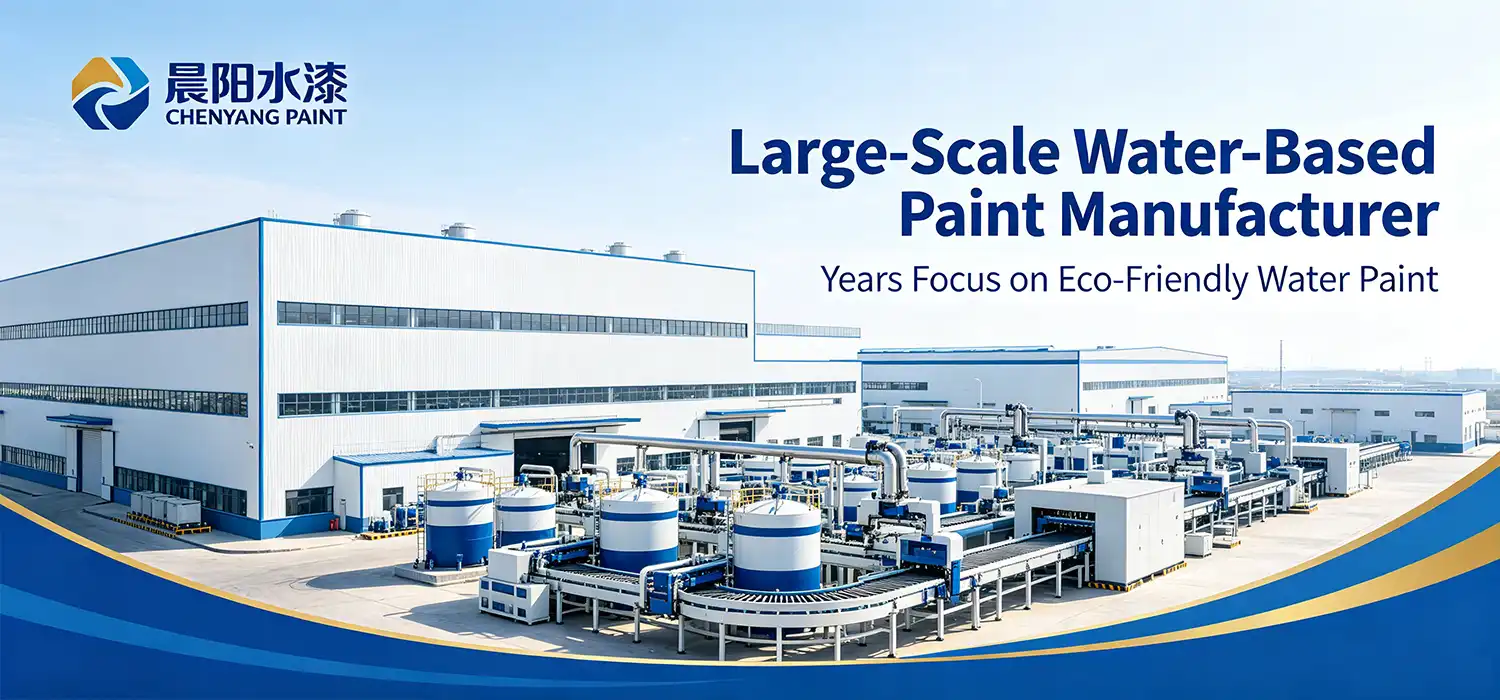
The availability of production and lead times are just as important as the product data sheet. A seller with a highly automated factory that makes more than a million tons of goods a year can handle large orders during busy building seasons without the quality problems and shipping delays that smaller companies have to deal with. International customs clearance is also made easier by a standard production cycle of 7–10 days and full English TDS and MSDS documentation.
When you buy in bulk, you might want to negotiate different prices based on the amount you buy, lock in delivery dates when you sign the contract, and ask for OEM/ODM options that let you match colors exactly, package items under your own brand name, and change the formula to fit the climate in your area. Freedom in packaging, like 6 kg, 20 kg, and 25 kg buckets with a minimum order of one unit, gives buying teams the supply chain freedom they need for projects of all sizes.

A Closer Look: Proud Sun Pure Love by Chenyang Water Paint
The Proud Sun Pure Love from Chenyang Water Paint, which is part of the Proud Sun Series, is a great example of a well-designed water-based architectural paint in real life. The formula does not contain any added benzene, formaldehyde, or APEO, and its odor-free technology makes sure that you can be comfortable while applying it and afterward. Adding a bamboo charcoal ingredient actively absorbs indoor pollutants — a big benefit for families, schools, and clinics that care about air quality.
Performance figures are straightforward: a theoretical spread rate of 11–12 ㎡/L per coat, a dry film thickness of about 30 microns, and drying times of 30 minutes for the surface and 60 minutes for full drying at 25–30°C. Standards for mold resistance are in line with GB/T 1741-2020, and the product is very resistant to water and UV light for indoor use. The white-base recipe lets you match colors exactly, and the 5–10 year warranty shows that you have faith in the film's long-term stability.
Conclusion
Water-based architectural paint has grown up from a compromise with the government to a technically better coating category. Its low-VOC profile, ability to dry quickly, non-hazardous transport status, and ability to work with sustainable building certifications make it the obvious choice for procurement teams working on residential, commercial, and institutional projects. Chenyang Water Paint has both widely known certifications and a manufacturing system that has been used for a long time. This gives buyers the supply reliability and compliance guarantee their projects need. Specificators can write better briefs and procurement managers can ask better questions of potential suppliers when they know how these coatings work at the formulation level.
FAQ
1. Is water-based paint safe for indoor commercial use?
Yes. Modern water-based architectural paints meet the VOC limits set by standards like REACH and LEED v4, and formulas like Chenyang's Proud Sun Pure Love that don't contain benzene, formaldehyde, or APEO haven't been shown to pose any health risks when used normally. They don't smell bad, so they can be used in places that are inhabited or mostly occupied.
2. How does drying time compare with oil-based paint?
Coatings that are water-based dry a lot faster. Solvent-borne goods usually need 6–24 hours between coats, but this one dries on the surface in 30 minutes and cures completely in 60 minutes at 25–30°C.
3. Can waterborne coatings handle harsh exterior conditions?
High-performance acrylic dispersions are resistant to UV light and flexible enough to fill in cracks caused by heat expansion. Interior-grade products, like Proud Sun Pure Love, are made to work best in indoor settings. For outdoor use, you need exterior-grade formulations that are made to withstand the elements better, as shown by ISO 16474 accelerated weathering tests.
4. What causes mud-cracking and how is it prevented?
If you put on the covering too thickly or when it's cold and damp below the MFFT, it will not properly combine. If you stick to the recommended wet film thickness and keep the application temperature between 5°C and 35°C and the humidity below 85%, this risk goes away.
5. What is the shelf life of a waterborne coating?
Usually between 12 and 24 months if kept in the right temperature range. A bad smell or a drop in pH could mean that the biocide has been used up and the product is going bad due to bacteria.
Partner with a Certified Water-Based Architectural Paint Manufacturer
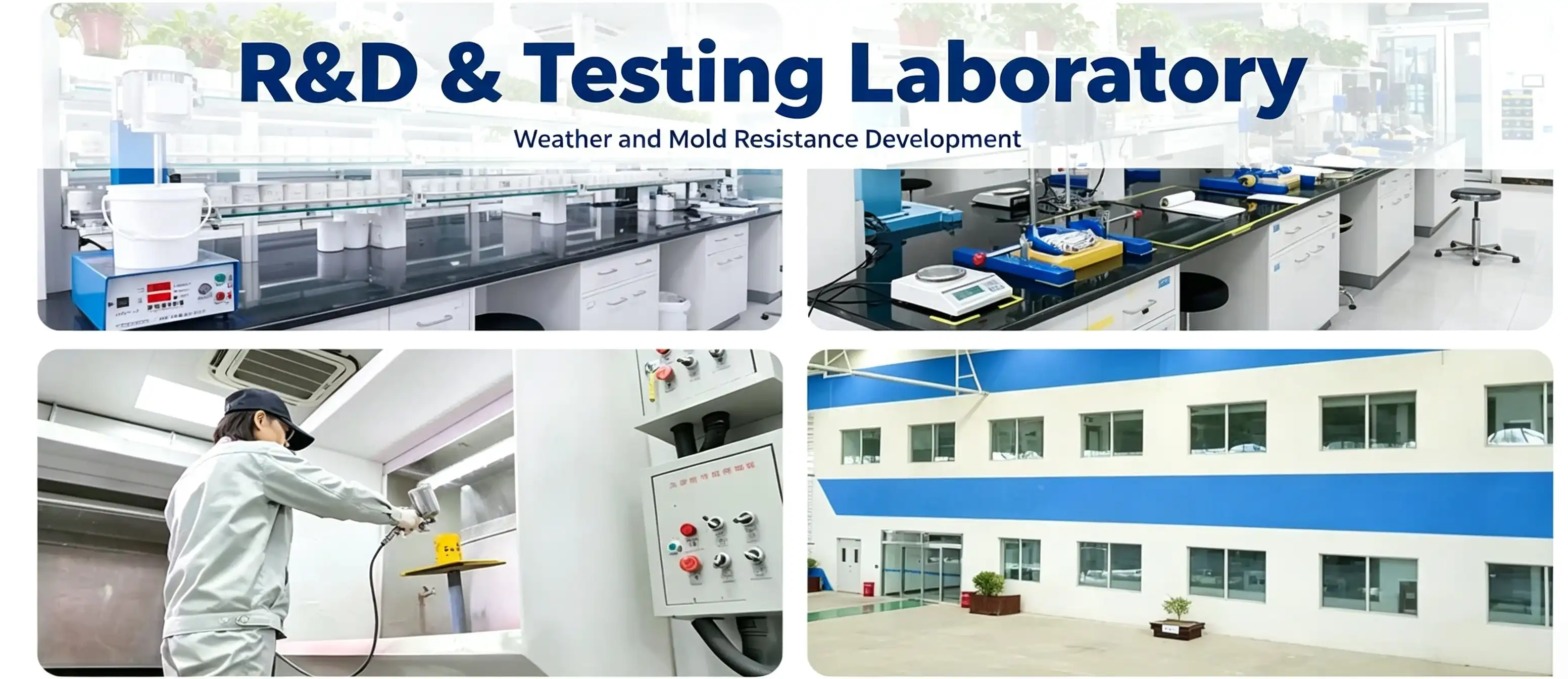
Chenyang Water Paint has been making paints for 28 years, has certifications from EU SGS, German TÜV, UK WRAS, and US FDA, and can make more than a million tons of paint every year. We are a reliable supplier of water-based architectural paint, and we offer full English TDS and MSDS documentation as well as shipping non-hazardous goods that go through customs without any problems. Contact our team at sales@chenyangpaint.com or visit chenyangpaint.com to request samples or discuss bulk procurement today.
References
1. Lambourne, R., & Strivens, T. A. (Eds.). Paint and Surface Coatings: Theory and Practice. Woodhead Publishing, 1999.
2. Schweitzer, P. A. Paint and Coatings: Applications and Corrosion Resistance. CRC Press, 2006.
3. Winnik, M. A., & Feng, J. "Latex Blends: An Approach to Zero VOC Coatings." Journal of Coatings Technology, 1996.
4. American Coatings Association. Coatings Industry Sustainability Report. ACA, 2022.
5. Jones, F. N., Nichols, M. E., & Pappas, S. P. Organic Coatings: Science and Technology (4th ed.). Wiley, 2017.
6. U.S. Environmental Protection Agency. Architectural Coatings: Volatile Organic Compound Emission Standards and Guidelines. EPA, 2021.
Send Inquiry
You may like