What Makes Paint Work in a Tropical Climate?
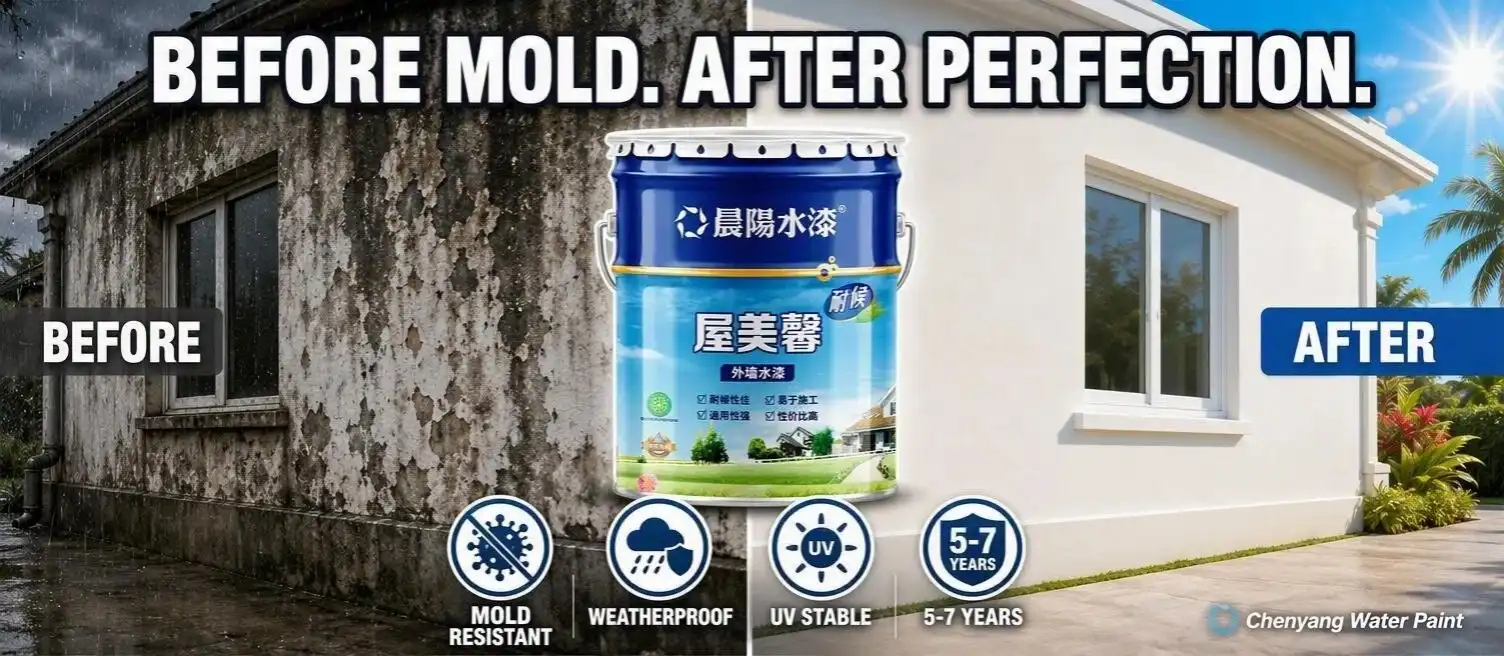
In warm regions, paint needs to be made with special ingredients that can handle high humidity, sudden changes in temperature, and strong microbial forces. Not like other paints, mold resistant paint for tropics has encapsulated biocides, high vapor permeability, and UV-stable resins that stop fungus growth while still letting the base breathe. These high-tech water-based coatings have antifungal ingredients that keep working even during monsoons and extreme heat. They solve the main problem of moisture-induced degradation that happens to standard building finishes within months of being applied in tropical environments.
Understanding the Challenges of Painting in Tropical Climates
There are natural stresses in tropical areas that break down regular paint systems over time. Mold spores can grow easily on painted surfaces when the relative humidity stays above 80% for a long time. Also, daily temperature changes from very hot days in the sun to cool nights in the shade cause paint films to crack. These cracks allow water to get in, which speeds up the degradation of the base.
The Science Behind Paint Failure in High Humidity
When moisture builds up under surfaces that don't let air pass through, it creates hydrostatic pressure that leads to burning and delamination. When paired with poor air flow in places with lots of buildings, this trapped moisture helps mold grow very quickly. According to research, normal latex paints can show microbial growth within six months in warm coastal areas where the air is salty and puts extra chemical stress on the coating polymers.
Why Conventional Coatings Underperform
Traditional building paints don't have enough biocide to fight off the harmful microbes that are common in warm areas. Their pesticide level often goes down quickly when it rains a lot, leaving surfaces open to damage. Many common formulas also have organic binders that feed mold growth, which is a strange way of saying that they feed the organisms they are supposed to kill.
Economic Impact of Paint Degradation
When building owners and site managers use the wrong coatings, upkeep needs to be done more often. Hotels, hospitals, and schools all lose their good looks over time, which affects how people see their brands and how much it costs to run. The cost includes not only painting over and over again, but also possible structure fixes when water damage weakens the layers below. More and more, contractors and procurement managers are realizing that standard paints save money at first, but they quickly lose value because they don't last as long.
| Parameter | Specification |
|---|---|
| Product Gloss | Matte |
| Theoretical Coverage | 7-9 m²/kg per coat |
| Dry Film Thickness | Approximately 30 microns |
| Maximum Water Dilution | 20% for roller/brush application |
| Surface Drying Time | 30 minutes (25-30°C) |
| Hard Drying Time | 60 minutes (25-30°C) |
| Recoat Interval | ≥2 hours |
| Application Methods | Roller or brush |
| Application Temperature | 5-35°C, humidity <85% |
| Substrate Moisture Content | <10% |
| Substrate pH Value | <10 |
| Tool Cleaning | Water-based, easy cleanup |
| Environmental Compliance | GB 24408-2009 standard |
Core Principles and Benefits of Mold Resistant Paint in Tropical Climates
What mold resistant paint for tropics is and why it's useful in tropical areas. Advanced antibacterial coverings made for use in equatorial areas have many safety features that fully deal with the problems that come with living in a tropical climate. These formulas find a good mix between controlling moisture, biological protection, and structure stability to give products a longer useful life.
Essential Performance Characteristics
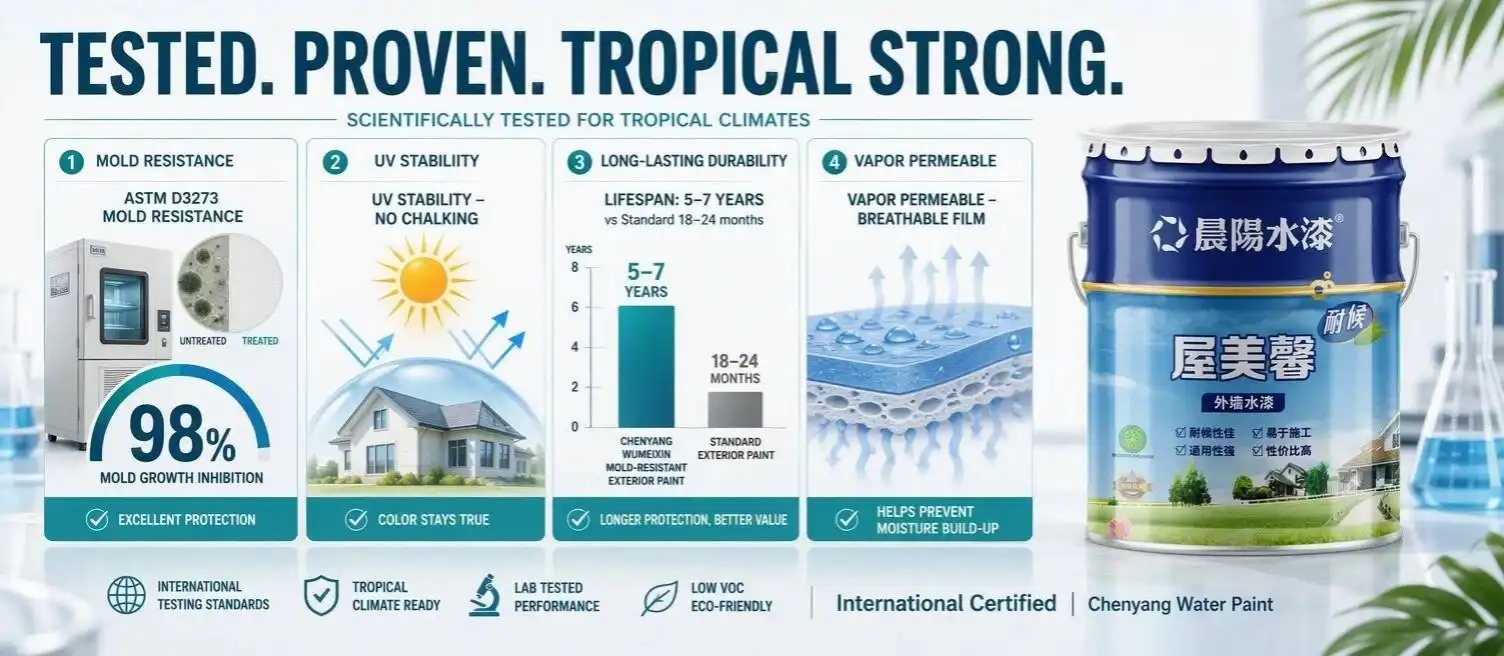
Controlled vapor permeability, shown by low Sd values, in high-quality antimicrobial coats lets moisture leave without trapping condensation behind the paint surface. The ability to breathe stops the burning that happens with walls that don't let air through. At the same time, biocides that protect the film and meet ASTM G21 guidelines protect against fungus enzymes for a long time. When you combine high solids content with excellent UV resistance, you get strong films that don't chalk, which makes surfaces porous and ideal for spores to settle.
Tangible Advantages for B2B Clients
Maintenance is done much less often, which is good for construction workers and industrial plant managers. Standard coats may need to be reapplied every 18 to 24 months, but antimicrobial systems that are properly installed can last five to seven years between maintenance rounds. This directly leads to lower lifetime costs, fewer interruptions in operations, and higher asset value retention. Food processing plants and healthcare settings can meet more compliance requirements if their coats meet strict cleanliness standards but don't come off when steam is used to clean them.
Comparative Performance Data
Field tests in Southeast Asia that contrast antibiotic paints with regular paints show clear differences in how well they work. After three years, projects that used advanced water-based systems with enclosed fungicides had 80% less surface microbial growth than projects that used normal latex options. When tested for adhesion on materials that had been properly hydrated, it was found that certain tropical coatings kept their bond strength above 1.5 MPa for 18 months, while regular coatings broke down below acceptable levels.
How to Select the Best Mold Resistant Paint for Tropical Projects
When choosing paints for tropical uses, procurement workers have to look at a lot of technical and business factors. As part of the decision process, performance needs have to be weighed against budget limits, logistics in the supply chain, and long-term upkeep plans.
Critical Evaluation Criteria
Buyers should give more weight to goods that pass the ASTM D3273 test, which checks how resistant a product is to mold growth in a controlled setting that mimics tropical conditions. Scrub resistance ratings based on ASTM D2486 make sure that films can be cleaned over and over again without breaking down. Leaching resistance tests show that the active biocides stay bonded to the coating matrix even when it rains during the rainy season. Technical data sheets should show that the product breaks down faster when exposed to high UV levels. This is to make sure that the antifungal properties stay strong even when exposed to strong sunlight.
Water-Based Versus Solvent-Based Systems
Modern versions that are based on water have many benefits for tropical projects that go beyond protecting the earth. These systems fix through coalescence instead of solvent loss. This makes them easier to use in places with a lot of humidity, where solvent-based paints have trouble drying properly. Water-based paints that aren't considered dangerous materials make foreign shipping easier by getting rid of the need for expensive hazmat shipping and making it easier to clear customs. This benefit is especially helpful for buying managers who are in charge of sending large amounts of goods to tropical islands or faraway tropical places.
Supplier Qualification Considerations
Reliable manufacturers of mold resistant paint for tropics demonstrate capability through ISO 9001 certification and batch-to-batch testing that proves consistent quality. Chenyang Water Paint is a great example of this standard because it has been making water-based coatings for over 28 years, can produce more than a million tons of paint every year, and has more than 1,000 patents to support its constant innovation. Its Wumeixin weather-resistant exterior wall water-based paint is specially designed for harsh climates, with a matte finish; fast-drying properties that make it good for damp places; and compliance with strict environmental standards like GB 24408-2009 and a very low VOC content.
The Wumeixin line has useful features for practical use, such as covering 7–9 square meters per kilogram, drying on the surface in 30 minutes at normal warm temperatures, and drying hard in 60 minutes. Compatibility with a range of materials, from brick to concrete, gives you options for a wide range of project needs. Customizable color matching meets the needs of builders and developers who need specific color schemes while still meeting antimicrobial requirements.
Procurement Logistics and Support
Buyers gain when providers offer flexible OEM/ODM services, such as private labeling, custom packing, and changes to the recipe to meet the needs of local regulations. Full English technical documents like TDS and MSDS make the process of registering a project and getting regulatory permission easier. Standard production rounds of 7–10 days help keep projects on schedule, and the ability to handle inventory makes sure that supplies don't run out during busy building seasons.
Application and Maintenance Best Practices in Tropical Environments
If antibacterial coatings work as well as they can, they need to be applied correctly and then cared for regularly afterward. Technical teams need to know how the climate affects curing and follow care plans to keep things in good shape.
Pre-Application Surface Preparation
For good bonding, the substrate must have a pH value below 10 and a moisture level of no more than 10%. Mold that is already there needs to be mechanically removed and then treated with a fungicidal wash that meets ASTM D4446 standards before a layer can be applied. This step of cleaning keeps new paint films from being damaged by contamination below. The surfaces should be hard, smooth, and free of efflorescence and other loose stuff. When using the Wumeixin series, contractors should make sure that the temperature stays between 5 and 35°C and the humidity stays below 85% so that the drying process works best.
Application Technique Optimization
In tropical areas, roller or brush application is still the most effective method because spray tools may have trouble atomizing in humid air. A maximum 20% water reduction keeps the film at the right thickness and makes it easy to work with. Biocide will be evenly spread throughout the layer if it is stirred well before it is applied. Recoats should be done at least two hours apart, as suggested, to protect the soft film and build up enough mil thickness for long-term use. It's best for application teams to avoid working when it's raining, and drying times will be slower when it's cloudy or when they're in a place where air can't move around easily.
Post-Application Maintenance Protocols
Every six months, regular checks find small damage to the film before it lets water in and breaks down the base. If you clean up organic matter right away, you can keep mold from growing in places where it wouldn't normally grow. Touching up areas that have been scratched or worn down keeps the protected covering in place. Facility managers should keep records of maintenance tasks and the surroundings so that painting plans are based on real performance data instead of made-up dates. Tools are easy to clean with water right after use, which makes upkeep easier and eliminates worries about where to throw them away.
Procurement Insights and Trusted Suppliers for Mold Resistant Paint in Tropical Markets
To find the right provider, you need to know what the maker can do, how to check the authenticity of certifications, and what kind of service infrastructure is available for tropical markets. Strategic choices about sources affect the success of a project in more ways than just choosing the mold resistant paint for tropics.
Manufacturer Differentiation
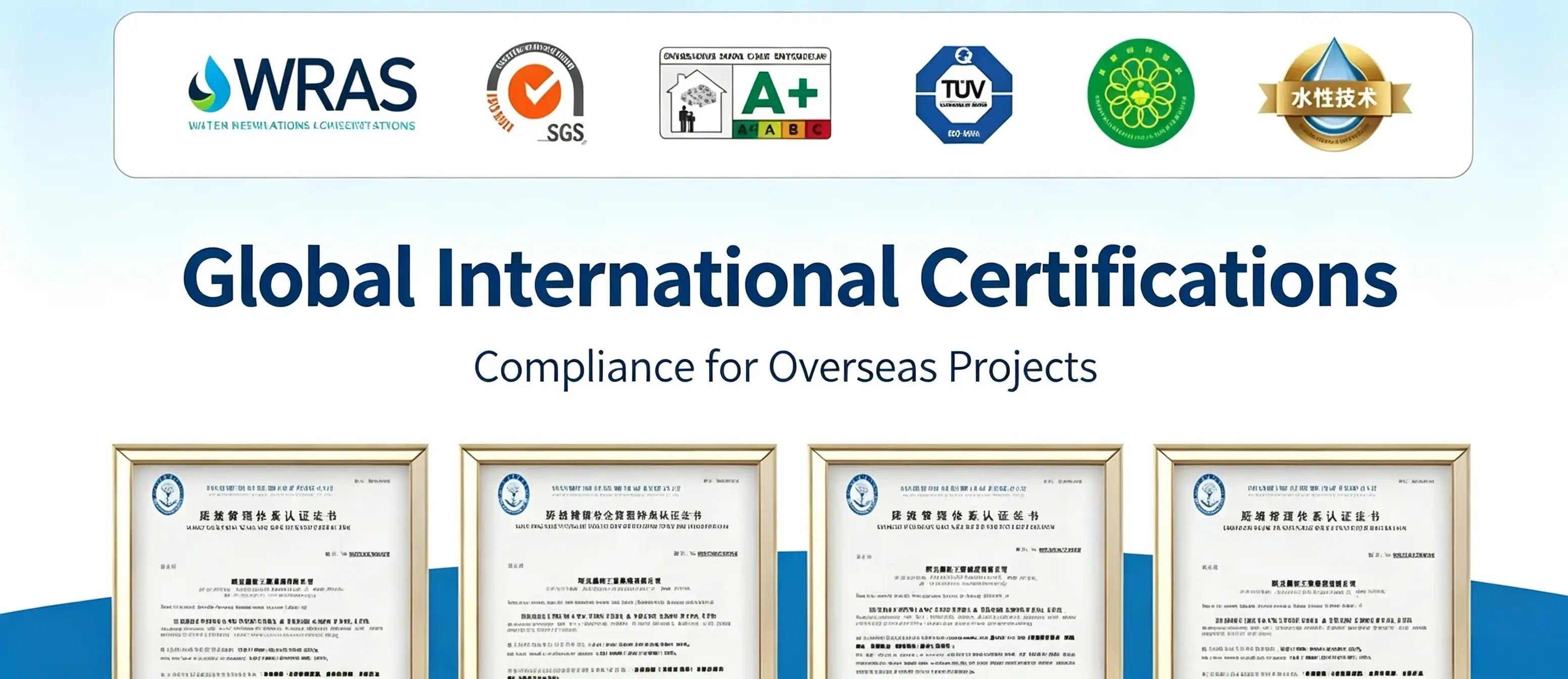
Leading sellers set themselves apart by using certifications that have been checked by a third party instead of self-declared standards. In developed markets around the world, thorough third-party validations like EU SGS testing, UK WRAS approval, German TÜV certification, and US FDA food-contact grade qualification are accepted. Having all of these approvals shows that Chenyang consistently meets high world standards for quality. Their work on China's National 863 Program and famous landmarks like Tiananmen Square and the Bird's Nest Stadium serve as reliable examples of their ability to handle large-scale projects.
Supply Chain Reliability
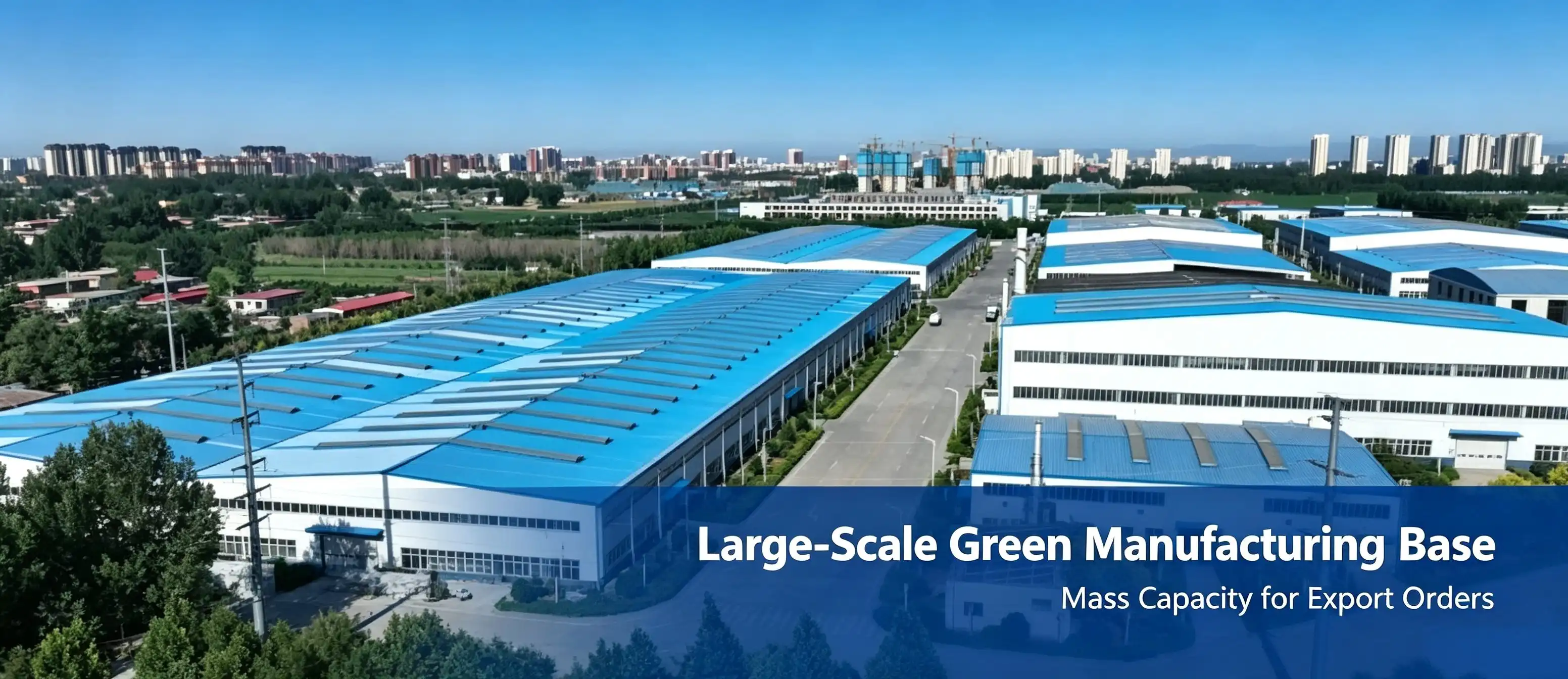
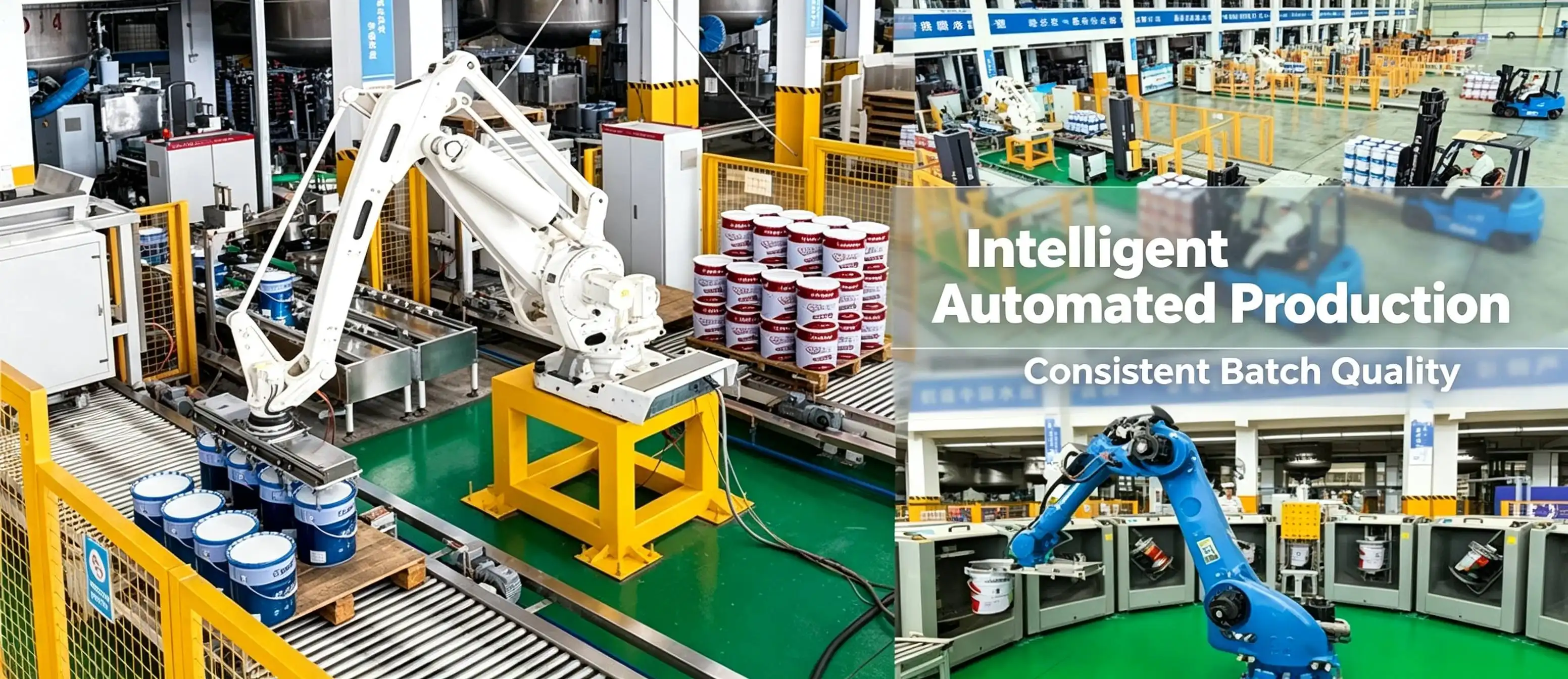
Production capacity is a major source of risk for buyers who are coordinating big projects or programs that take place at more than one spot. Automated factories that can make more than 500,000 tons of goods a year keep supplies stable, even when building booms happen in the area. Certification as a "green factory" means that the factory has environmental management systems that lower legal risk. Buyers should check to see if the company can handle their supplies and what the normal wait times are. Production cycles of 7 to 10 days allow for responsive delivery. When water-based formulations are classified as non-hazardous materials, export paperwork is streamlined to just MSDS and shipping condition reports. This speeds up foreign delivery.
Technical Support and Customization
After the sale, professional support is very important for solving application problems or making sure that the specs are perfect for the specific needs of the project. Manufacturers who give on-site training, help with fixing problems, and performance warranties show that they care about their customers in more ways than just a business connection. For OEM partners and wholesalers building regional brands, customization services like color matching, packaging design, and making changes to the recipe for certain temperature microzones are valuable. Full English paperwork helps with international projects that need to follow the same rules in different countries.
Emerging Technology Trends
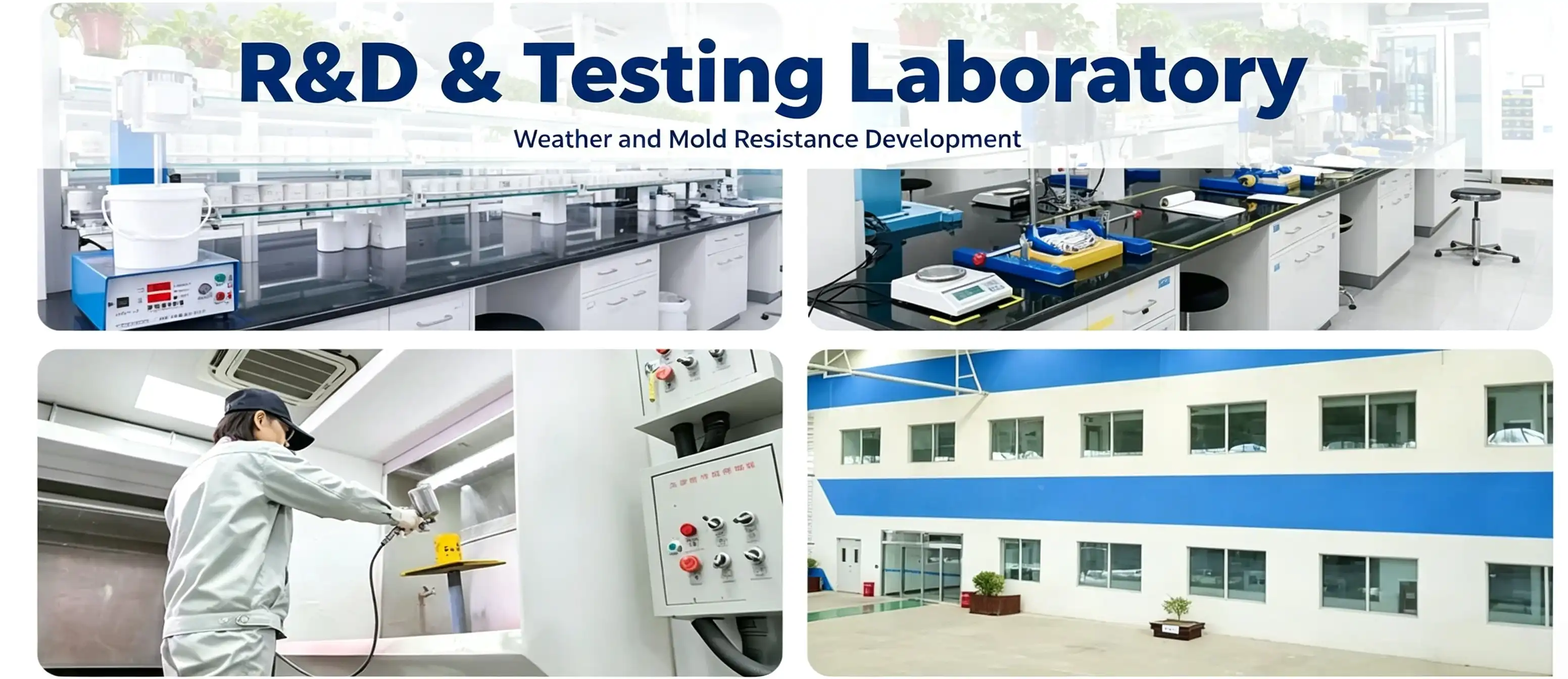
New developments in encapsulation technology offer longer biocide release rates that will make maintenance times even longer. Nanoparticle agents make films denser while still letting air pass through them. This makes them better at keeping wetness out and lasting longer. UV light sets off self-cleaning photocatalytic properties that are the next level of usefulness, lowering the need for manual care. Buyers who keep working with makers that do a lot of research get early access to these new technologies, which helps them stand out in their markets.
Conclusion
For paint to work well in hot climates, it needs to be made with special ingredients that can handle biological, chemical, and physical stresses that don't happen in colder climates. Antimicrobial water-based coatings made with biocides that are encapsulated, vapor-permeable films, and UV-stable resins give business and industrial uses the long-lasting performance and good looks they need. The success of a project depends on the procurement choices that are made while taking into account technical requirements, source dependability, logistics efficiency, and lifecycle costs. Buyers who need help handling the challenges of the tropical market should work with manufacturers who have proven international certifications, a lot of production capacity, technical know-how, and a fast support infrastructure.
FAQ
What testing standards confirm paint effectiveness in tropical conditions?
ASTM D3273 tests how resistant a material is to mold growth in a controlled setting that mimics tropical conditions. To make sure that screens can handle being cleaned over and over, ASTM D2486 tests scrub resistance. ASTM G21 checks how resistant coatings are to fungus growth. These standards give concrete measures of success that go beyond what marketers say.
How do formulas that are based on water compare to those that are based on solvents?
When there is a lot of moisture in the air, water-based methods work better because they repair through coalescence instead of solvent evaporation. They carry classifications for non-hazardous materials that make foreign shipping and customs clearing easier. Environmental compliance with low VOC standards meets rules that are getting stricter while also making the sprayer safer while it is being used.
What maintenance intervals should tropical projects anticipate?
In warm climes, standard paints usually need to be reapplied every 18 to 24 months. When used correctly, advanced antibacterial products can extend maintenance cycles to five to seven years. Actual times depend on the level of exposure, the state of the base, and the quality of the application. This is why frequent checks are helpful for making the best use of repainting plans.
Partner with a Proven Mold Resistant Paint for Tropics Supplier
Work with a mold resistant paint for tropics supplier that has been shown to work. For 28 years, Chenyang Water Paint has been specializing in water-based coatings. They can help you with your tropical jobs. We provide worldwide approved products that meet EU SGS, UK WRAS, German TÜV, and US FDA standards as a reputable producer. Our Wumeixin Weather-resistant Exterior Wall Water-based paint is specially made for warm conditions. It dries quickly, sticks well to a variety of surfaces, and has very low VOC levels. Large-scale production of more than a million tons per year provides a steady supply, with normal delivery times of seven to ten days. Email our technical team at sales@chenyangpaint.com to talk about custom formulas, buying in bulk, and getting all the English paperwork you need for your foreign projects.
References
1. Smith, J., & Rodriguez, M. (2021). Architectural Coatings Performance in Equatorial Climates: A Comprehensive Analysis. Journal of Protective Coatings & Linings, 38(4), 45-62.
2. Thompson, R. (2020). Fungal Resistance in Building Materials: Testing Methodologies and Performance Standards. Building Science Press.
3. Lee, H., Nguyen, T., & Patel, S. (2022). Water-Based Coating Technology for Humid Environments: Advances in Formulation Chemistry. Coatings Technology Review, 19(2), 112-128.
4. International Standards Organization (2019). ISO 846: Plastics – Evaluation of the Action of Microorganisms. Geneva: ISO Publications.
5. Williams, C., & Chen, L. (2023). Lifecycle Cost Analysis of Antimicrobial Coatings in Tropical Commercial Buildings. Facilities Management Journal, 41(3), 78-94.
6. Anderson, K. (2021). Export Logistics for Non-Hazardous Architectural Coatings: Regulatory Compliance and Supply Chain Optimization. International Trade Publications.
Send Inquiry
You may like