Which bolt coating offers the best corrosion resistance for marine and coastal environments?
Waterborne epoxy zinc-rich primers are the most dependable anti-corrosion coating for marine use to protect fasteners and structural steel in salt water exposed environments. The two-component solutions provide sacrificial zinc protection and excellent barrier adhesion, allowing for active cathodic protection even after surface damage. In accelerated salt spray tests over 5,000 hours under ISO 12944 C5-M classification standards, zinc-rich epoxy primers outperform galvanized and single-component coatings, making them the best choice for shipbuilding, offshore platforms, and coastal infrastructure projects.

Understanding Corrosion in Marine and Coastal Environments
Why Salt and Humidity Are Your Coating's Worst Enemies
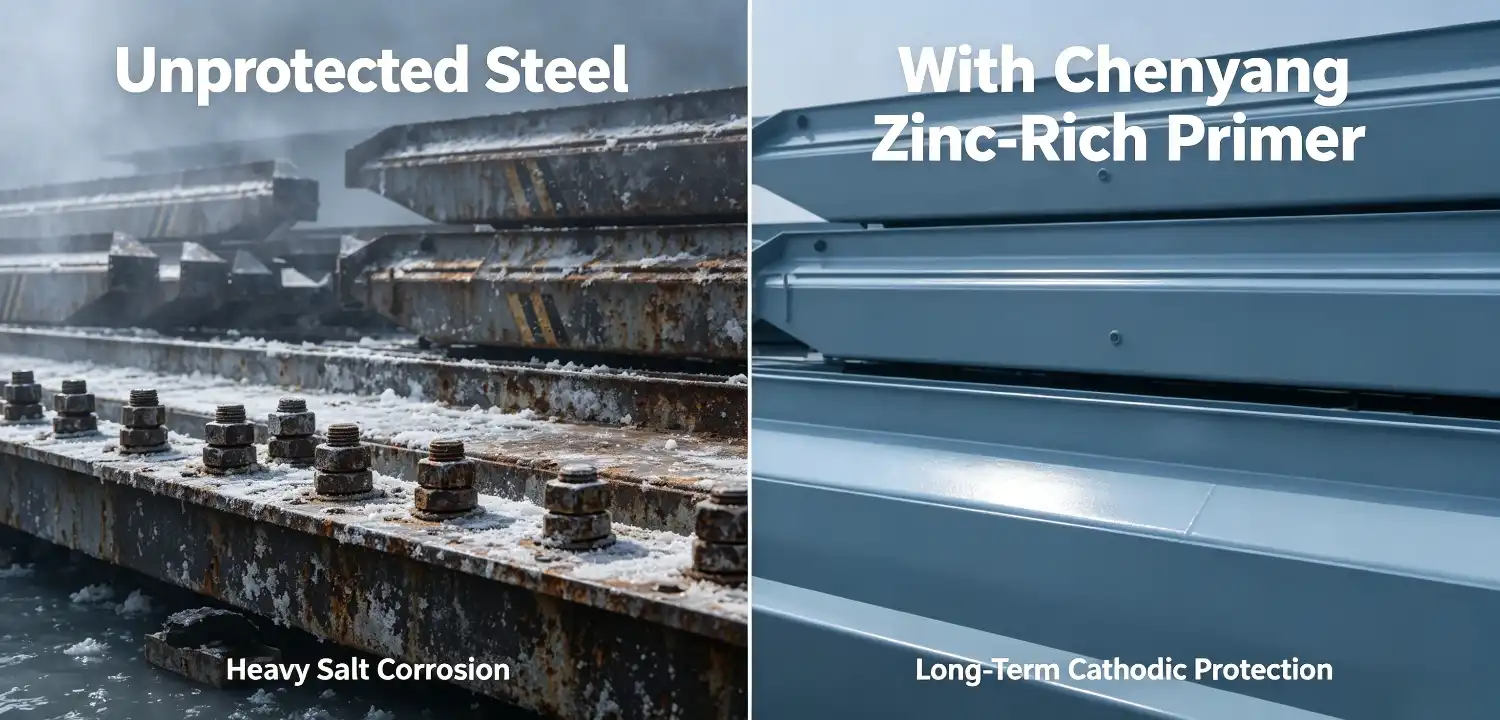
Steel fasteners are continuously attacked electrochemically in the marine environment. Chloride ions in saltwater will get through minuscule imperfections in the coating and speed up the cycle of oxidation much quicker than in an inland environment. Research from the European Federation of Corrosion indicates that maritime corrosion costs the sector more than $2.5 trillion a year throughout the globe. “If not corrected, bolts and structural connectors in splash zones and tidal areas will fail prematurely, requiring costly dry-dock repairs, and will be a serious safety hazard. There is no choice here – it’s an operational need to have the correct anti-corrosion coating for marine use from day one.
Types of Bolt Coatings for Marine Use and Their Corrosion Resistance
Marine bolt protection has come a long way beyond simple hot-dip galvanizing. Procurement teams need to grasp the difference between the technologies so they can make educated sourcing selections.
Here is a simple comparison of the major coating methods utilized today:
- Hot-Dip Galvanization: This process uses zinc for protection but has little resistance when immersed or splashed. Salt Spray Life: Typically under 1,000 hours under ISO 9227 testing. It is good for light coastal exposure but not for high maritime duty.
- Solvent-Based Epoxy Zinc-Rich Primer: This is a high zinc primer (usually over 80% zinc dry weight) with good corrosion resistance. However, high VOC content does not conform to IMO laws and current shipyard environmental policies and the hazardous shipping requirements greatly raise the cost of logistics.
- Waterborne Epoxy Zinc-Rich Primer: An active cathodic protection primer with minimal VOCs. Graphene-enhanced variations, such as Chenyang’s marine-grade formulation, provide a tighter molecular barrier against the ingress of oxygen and moisture. The product is suitable with epoxy midcoats and polyurethane topcoats for a complete system protection.
- Fluoropolymer and Ceramic Coatings: These coatings have excellent chemical resistance, but high unit prices and unique application requirements restrict their employment to specialist offshore equipment rather than wide structural applications.
All these alternatives have a place, but for shipbuilding, port structures and offshore steel exposed to C5-M corrosivity, aqueous zinc-rich epoxy primers provide the best combination of protection, compliance and lifespan cost.
How to Select the Best Bolt Coating for Marine and Coastal Environments
Matching Coating Performance to Your Project Requirements
Choosing a coating for a marine fastener is more than looking at a product datasheet. Procurement managers and coating contractors need to consider four practical aspects of the coating system; corrosion resistance data, compliance with regulations, compatibility with the system and the quality of supplier paperwork. The findings of salt spray tests on ISO 9227 or ASTM B117 are objective standards. Anti-corrosion coating for marine use suitable for C5-M conditions must provide at least 3,000 hours of resistance, with zinc-rich systems sometimes exceeding 5,000 hours. Weld-through compatibility is just as important in shipbuilding, where a primer that compromises weld integrity means longer production schedules and more rework expenses.
Compliance and Documentation Factors
Regulatory alignment is as important as performance. IMO PSPC criteria, VOC emission limitations under different national legislation and classification society certifications (such as CCS, DNV or ABS) are non-negotiable levels for most shipyard qualification procedures. Suppliers must supply comprehensive English language TDS, MSDS and system compatibility documents to facilitate project registration and customs clearance, especially for international and export vessel projects. Chenyang Water Paint, as usual, provides a complete set of English technical documents including all the necessary compliance records for international maritime procurement.
Application and Maintenance Practices for Optimal Corrosion Protection
Surface Preparation Determines Coating Longevity
No marine coating will perform to specification on a poorly prepared substrate. The industrial norm is abrasive blast cleaning to ISO 8501-1 Sa 2.5 and surface profile depth is checked using replica tape. Soluble salt contamination must be less than 20 mg/m² (Bresle Method) before primer application. Residual chlorides under the film will accelerate under-film corrosion regardless of coating quality.
It is also vital to monitor the environment during application. The substrate temperature should be maintained at least 3°C above the dew point to avoid moisture trapping in the curing layer. For shipyards with fluctuating humidity levels, waterborne epoxy zinc-rich solutions with modest activation durations, such as Chenyang’s two-component marine primer, provide application crews a workable window without losing film integrity.
Typical post-application inspection using calibrated electromagnetic dry film thickness gages and high voltage holiday detection per NACE SP0188 ensure anti-corrosion coating for marine use is continuous prior to topcoat application. The re-inspection interval is scheduled between 2.5 and 5 years, matching the IMO survey cycle, to guarantee that any coating deterioration is detected at an early stage, before steel loss occurs.
Cost, Performance, and Environmental Impact Analysis of Marine Bolt Coatings
Why Waterborne Systems Deliver Superior Lifecycle Value
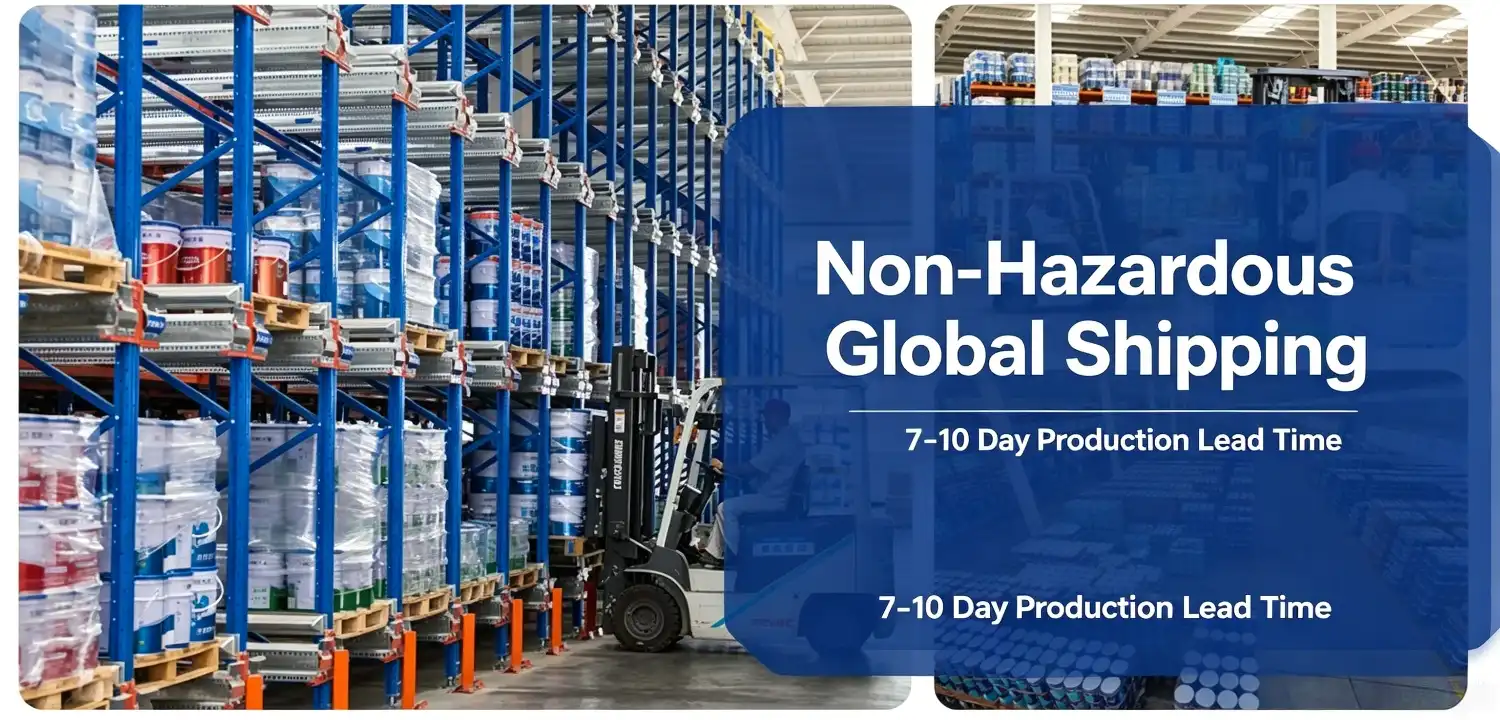
Waterborne epoxy zinc-rich primers may be more costly up front than simple galvanization or single component alternatives. However, when the overall cost of maintenance, dry-docking and compliance is taken into account, lifecycle analysis always favors high-performance systems. Chenyang’s marine grade waterborne epoxy zinc-rich primer is non-hazardous cargo under conventional transportation rules. This avoids hazardous shipping costs, streamlines customs paperwork and speeds up international project schedules – a real procurement benefit for contractors serving shipyards across different nations. Under normal circumstances, Chenyang’s production lead time is 7-10 days and with yearly production capacity of over 1 million tons in three automated factories, Chenyang is able to deliver on project timelines even during peak seasons. The purchase of low-VOC, water-based marine paints by shipyards continues to be driven by increased regulatory pressure throughout the U.S., Europe and IMO member nations. Selecting compatible items now might save you the expense of reformulating or switching suppliers mid-project.

Conclusion
Waterborne epoxy zinc-rich two-component primers are the most technically sound, regulatorily acceptable anti-corrosion coating for marine use today. High zinc concentration provides active cathodic protection. Excellent adherence to a variety of steel substrates and complete compatibility with existing topcoat systems. For procurement teams faced with IMO compliance, classification society approvals procedures and tight vessel deadlines, the choice of a certified, well-documented marine paint system is a strategic investment, not merely a materials choice.
FAQ
1. Why is zinc content so important in a marine primer?
Zinc provides sacrificial cathodic protection. When the coating film is scratched or damaged, the zinc corrodes preferentially, shielding the underlying steel substrate from oxidation. Higher zinc content directly correlates with longer active protection periods in aggressive C5-M marine environments.
2. Can waterborne coatings perform reliably in high-humidity shipyard conditions?
Yes, provided the substrate temperature stays at least 3°C above the dew point during application. Waterborne epoxy zinc-rich systems with professionally calibrated two-component packaging—like Chenyang's marine primer—maintain stable film formation across typical shipyard humidity ranges.
3. How often should marine coating systems be inspected?
IMO guidelines recommend major inspections during intermediate and special surveys, occurring every 2.5 to 5 years. Ultrasonic thickness gauging helps evaluate steel condition beneath the coating, while holiday detection identifies film discontinuities requiring targeted repair.
4. What documentation should a marine coating supplier provide?
At minimum: English-language TDS, MSDS, salt spray test reports, system compatibility documentation, and relevant classification society or regulatory compliance certificates. Chenyang Water Paint supplies all of these as standard for international marine projects.
5. Is a waterborne zinc-rich primer weld-compatible?
Quality formulations are designed with weld-through compatibility, meaning the primer does not need complete removal before welding operations. This protects shipbuilding schedules and reduces surface rework costs.
Partner with Chen Yang Water Paint for Proven Marine Corrosion Defense
Procurement teams seeking a reliable anti-corrosion coating for marine use manufacturer will find Chenyang's waterborne epoxy zinc-rich two-component primer a technically credible and commercially efficient solution. Backed by EU SGS, German TÜV, and UK WRAS certifications, 28 years of water-based coating expertise, and over 1,000 patents, Chenyang delivers certified performance at industrial scale. Contact our team at sales@chenyangpaint.com or visit chenyangpaint.com to request samples, technical documentation, or a project-specific consultation.
References
1. European Federation of Corrosion — EFC Publications: Corrosion in Marine Environments, 2019.
2. International Maritime Organization — IMO Performance Standard for Protective Coatings (PSPC), MSC.215(82), 2006, updated 2012.
3. NACE International — NACE SP0188: Discontinuity (Holiday) Testing of New Protective Coatings on Conductive Substrates, 2006.
4. ISO — ISO 12944: Paints and Varnishes — Corrosion Protection of Steel Structures by Protective Paint Systems, 2018.
5. ASTM International — ASTM B117: Standard Practice for Operating Salt Spray (Fog) Apparatus, 2019.
6. NORSOK Standard — NORSOK M-501: Surface Preparation and Protective Coating, Edition 6, 2012.
Send Inquiry
You may like