Why are automotive parts coated?
Automotive parts coating is the engineering practice of applying protective or functional layers onto vehicle and industrial components to defend them against corrosion, mechanical wear, chemical exposure, and environmental degradation. It goes far beyond surface aesthetics. For OEM production lines, commercial vehicle manufacturers, and agricultural machinery suppliers, the right coating system determines whether a finished product passes anti-corrosion validation, survives decades of field service, and meets tightening VOC compliance requirements. Choosing the correct protective coating system is, in practice, a structural engineering decision with direct cost and liability implications.
Understanding Automotive Parts Coating
Automotive parts coating is not painting. Painting makes things look better. Coating helps engineers figure out problems. If you choose the right coating system, it will protect a metal substrate from things that can damage it, like road salt, humidity, UV radiation, fuel, hydraulic fluid, and temperature changes.
Major Coating Technologies at a Glance
There are a number of well-known coating technologies used in industry, and each one is best for a different type of surface and set of performance goals.
- E-coating (Electrophoretic Deposition): An electrochemical method that uses dips to cover complicated shapes completely. OEM chassis parts usually need E-coat paints that can withstand ASTM B117 salt spray tests for 720 to 1,000 hours without showing any red rust.
- Powder Coating: A dry finish made of thermoplastic or thermoset that is put on using static electricity. The bigger, more impact-resistant layers it makes are perfect for parts that will be seen from the outside.
- Liquid Epoxy Zinc-Rich Primer: A two-part filler that has zinc particles that act as a protective galvanic shield, keeping steel safe even if the surface gets slightly damaged. This is the technology class where Chenyang Water Paint's zinc-rich water-based epoxy system works.
- Anodizing: An electrochemical process that changes metal plates by adding an oxide layer that is built in instead of a deposit on the surface.
To do responsible buying, you need to know which technology works with which material and what performance level is needed.
Why Are Automotive Parts Coated? A Problem-Solving Perspective
Every choice about covering has something to do with a certain threat. Commercial cars, farm equipment, and heavy-duty components all work in situations that speed up the breakdown of materials at a rate that is hard to replicate in a lab.
Corrosion: The Primary Driver
When steel is exposed to water and electrolytes, it rusts quickly. Electrochemical tests show that chloride ions can get through passive oxide layers and start pitting erosion within hours of being exposed continuously to road deicing salts. In salt-belt areas, a single chassis bracket that isn't coated can get structural rust in just one winter. Zinc-rich primers stop this from happening by providing cathodic protection: the zinc oxidizes more quickly, giving up its own life to protect the steel underneath. Formulations with added graphene create an extra layer of resistance that stops ions from getting in, even if the zinc layer gets thinner over time.
Regulatory and Compliance Pressure
Environmental laws in China, the EU, and the US now put strict limits on how much VOC an industrial coating business can emit. The national standard GB 30981-2020 sets limits on the amount of VOC that can be in industrial protective coatings based on the type of coating. By switching from solvent-based systems to water-based epoxy primers, VOC emissions on the shop floor are directly cut down. It is also easier to handle dangerous materials and there is no need to classify flammable goods for transport, which lowers both the cost of logistics and the risk of breaking the law.
Thermal and Chemical Resistance
In service, parts of the engine bay, exhaust brackets, and powertrain housings are heated and cooled between -40°C and 150°C. Some ceramic-based coverings can handle temps higher than 600°C. A well-mixed water-based epoxy intermediate coat and a suitable topcoat give standard chassis and structural steel enough thermal stability without the compliance load of solvent-borne options.
Comparing Coating Solutions for OEM Procurement
When buying engineers look at sealing systems, they look at more than just raw performance data. Reliability in the supply chain, accuracy in batches, and overall cost of ownership are all important.
Steel vs. Aluminum: Substrate Governs Selection
Zinc-rich paints can be used on steel parts because zinc and steel have similar electrical potentials. To stop galvanic rust from speeding up, aluminum parts need starters or pre-treatments that don't contain zinc. If you choose the wrong primer for the substrate, the component may not last as long as it should.
Here are the main things that automotive parts coating engineers always look at when deciding what to buy:
- Third-party test reports: Salt spray (ASTM B117 or GB/T 1771), wet heat cycling, thermal shock, and cross-hatch adhesion from accredited laboratories give objective performance benchmarks that are not based on what the supplier says.
- System compatibility documentation: The primer, the middle coat, and the finish must all be checked to make sure they work well together. When you mix goods from different science platforms, they often don't stick together properly.
- Batch-to-batch consistency: Color difference (ΔE) tolerances measured by spectrophotometer are very important for aftermarket touch-up supply. Most of the time, ΔE of 1.0 is fine for OEM-matched repair paint.
- Non-hazardous classification: Water-based systems with flash points above legal limits can ship without having to pay extra for dangerous goods. This makes logistics easier and lowers the cost of keeping track of inventory.
- Standardized A/B mixing ratios: Fixed-ratio matching sets cut down on operator mistake on production lines, where using the wrong amount of hardener is a major reason why coatings fail early.
The purchasing rules used for industrial vehicles and farm equipment OEM programs are exactly the same as these factors. Suppliers who can reliably document all five are the ones who become approved vendors and stay that way.
Advanced Technologies and Trends Reshaping Industrial Coatings
One of the most important new developments in anti-corrosion primer technology is the use of graphene for reinforcing. According to a study published in the journal Progress in Organic Coatings (2020), adding graphene nanoplatelets to epoxy matrices makes them up to 80% less permeable to air and water vapor than epoxy films that have not been changed. This directly means longer service life in conditions like wet/dry cycles and UV exposure that heavy-duty equipment finds outside.
Along with new materials, environmental policy is changing how long it takes to make new products. High-VOC solvent systems are being phased out faster because of the EU's Industrial Emissions Directive and China's "dual carbon" commitments. Once thought to be less suitable for heavy-duty uses, water-based coatings in Automotive parts coating now regularly meet or beat the rust resistance standards that were only possible with solvent-based systems, as long as the mixture underneath is properly designed.
How to Choose the Right Coating Partner for OEM Applications
Technical skill is not the only thing that makes a coating supplier trustworthy. When it comes to OEM production settings, uniformity, paperwork, and support infrastructure are all very important.
If you want to buy from a reliable provider for industrial vehicles or farm equipment, they should give you full paperwork for the coating system, not just a primer data sheet. The OEM validation program needs validated primer-to-intermediate-coat-to-topcoat compatibility data, full MSDS and transport appraisal certificates showing non-hazardous classification, and third-party laboratory reports covering the exact test procedures needed by the program.
Chenyang Water Paint's zinc-rich water-based epoxy two-component primer comes in matched A/B sets with standard mixing ratios, which gets rid of the most common reason for mixing mistakes that happen in the field. The system only uses clean water as a solvent, doesn't make any harmful volatile organic compounds when it's applied, and comes with full non-hazardous shipping paperwork. This gets rid of the compliance issues that make solvent-based systems harder to handle on a large scale.
Conclusion
Automotive parts coating is used on vehicle and industrial parts because metal that isn't protected breaks down too quickly for warranties to cover. Chemical contact, corrosion, and changes in temperature are all constant threats that can only be handled by a covering system that is properly designed. OEM production engineers who are moving away from primers that are based on solvents now have performance data and legal requirements to back up the case for water-based epoxy zinc-rich systems. The change goes smoothly if the coating system is finished, the source paperwork is thorough, and the production process is set up to handle two-component water-based materials in the right way.
FAQ
1. What salt spray performance does a water-based zinc-rich primer typically achieve?
If you use the right water-based epoxy zinc-rich primer and apply it at the right dry film thickness as part of a full three-coat system, it should last between 720 and 1,000 hours without red rust in ASTM B117 or GB/T 1771 salt spray tests. Graphene-enhanced versions can make this performance window even bigger. Instead of depending on what the seller says the values are, buyers should always ask for reports from a third-party laboratory.
2. Can water-based primers match the anti-corrosion performance of solvent-based systems?
Yes, as long as the mixture is made properly. As glue and additive technology has improved, the difference in performance between water-borne and solvent-borne starters has become much smaller. Zinc content, film build, and inter-coat adhesion to the topcoat system are all important factors that a qualified supplier should be able to back up with test results.
3. How do standardized A/B mixing ratios reduce production line risk?
When workers use fixed-ratio matched sets, they add the whole hardener part to the whole base part without measuring. This gets rid of volumetric measurement error, which is the main reason why films in two-component epoxy systems don't cure properly or become brittle. It also makes training easier and cuts down on quality hold events on OEM lines with a lot of work going through them.
4. What documentation is needed for non-hazardous water-based coatings in cross-border logistics?
For normal shipping, you need a Safety Data Sheet (SDS/MSDS) that confirms the flash point rating and a transport condition appraisal certificate from a reputable testing body. Products that are proven not to be burning or dangerous can be shipped under normal freight conditions without having to pay extra for risky goods.
Partner With Chen Yang Water Paint for Reliable Automotive Parts Coating Supply
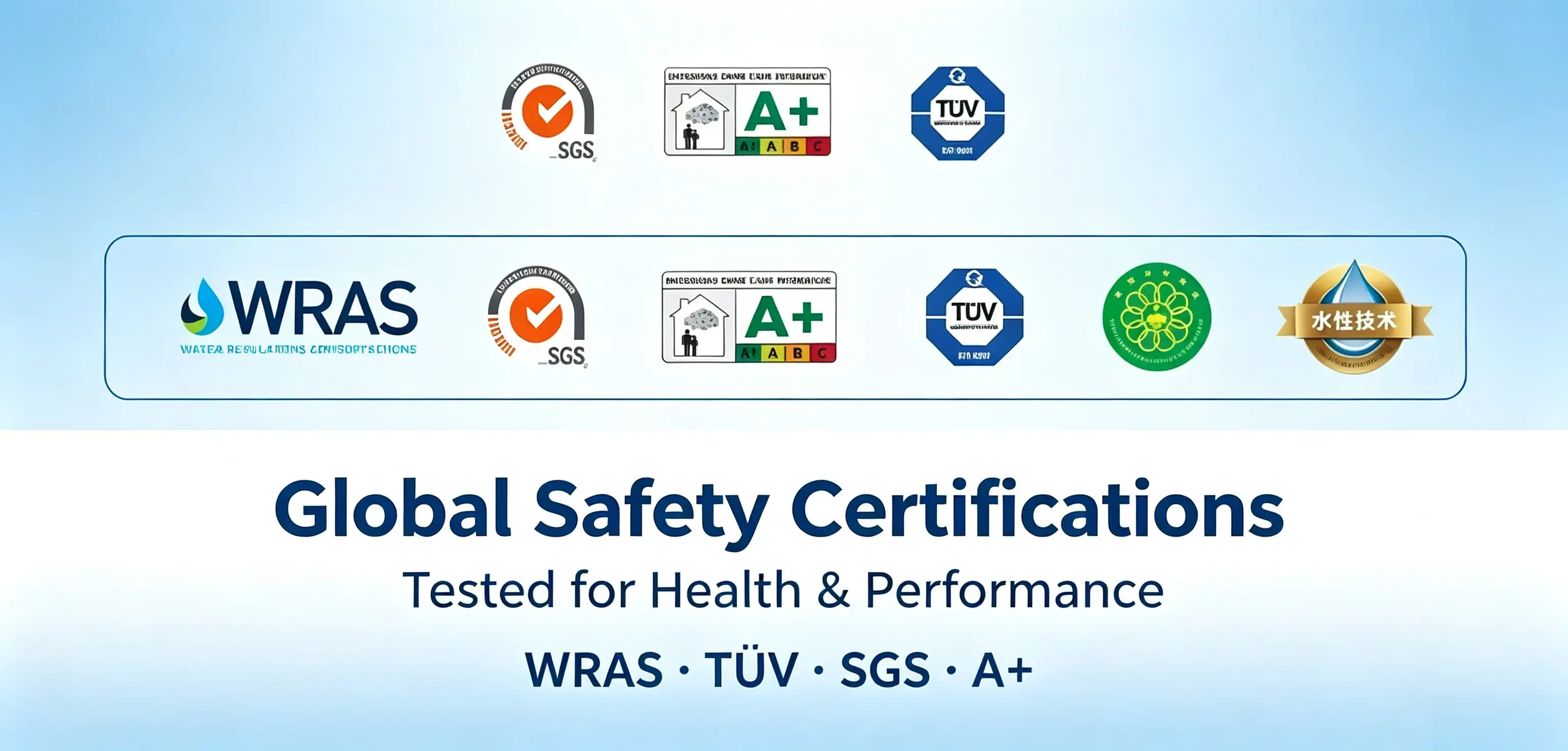
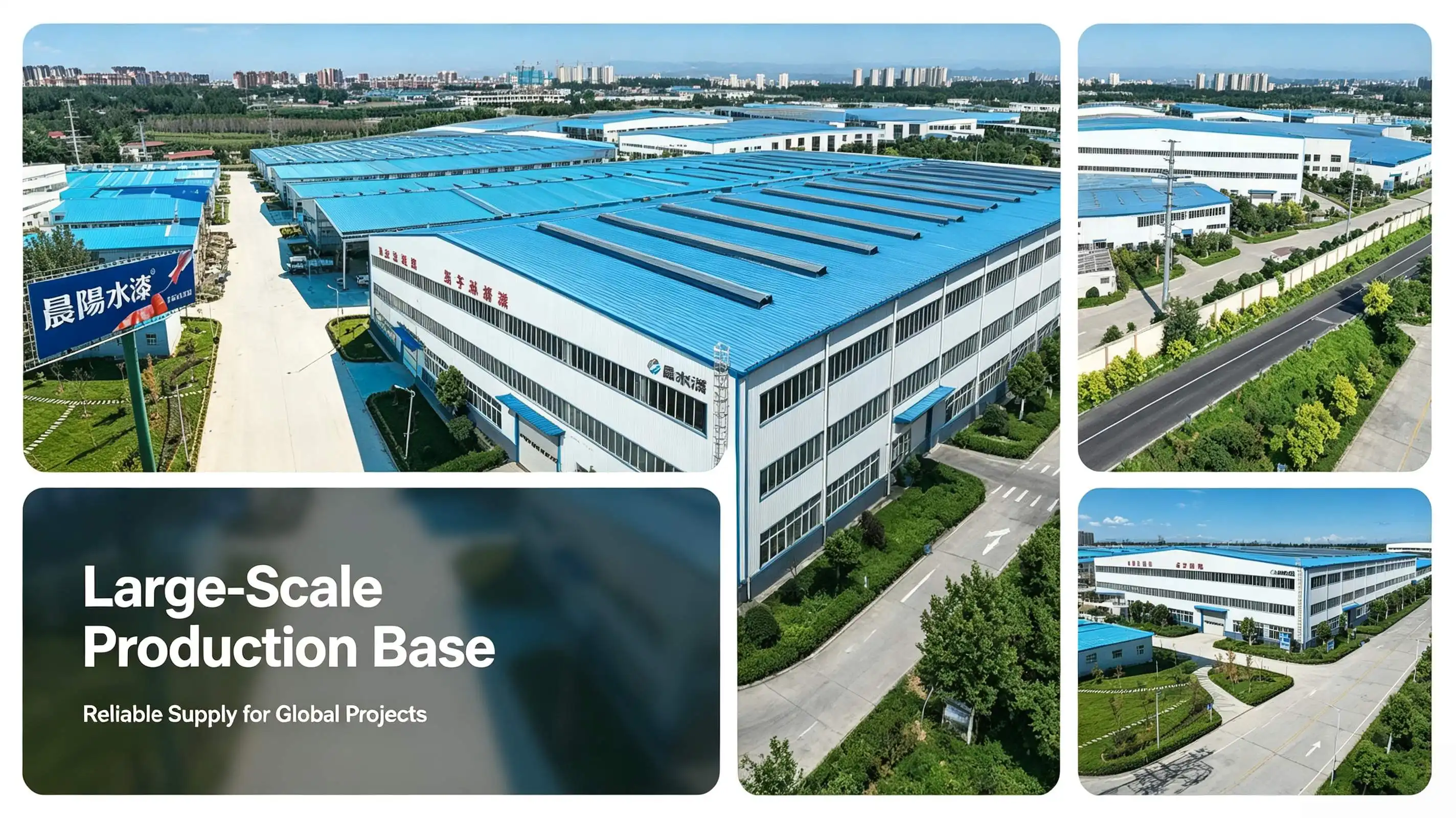
For a steady batch supply, Chen Yang Water Paint has been making its water-based epoxy zinc-rich paint for 28 years and has EU SGS and German TÜV licenses. They can also make more than one million tons of it every year. We are an automotive parts coating manufacturer serving OEM production plans. We offer matched-set packaging, full English TDS/MSDS paperwork, and open OEM customization. To get samples and third-party test reports, email our technical team at sales@chenyangpaint.com or go to chenyangpaint.com.
References
1. Hammer, C. B., & Sorensen, P. A. Corrosion Protection of Steel Structures by Protective Paint Systems. Progress in Organic Coatings, 2009.
2. Ramezanzadeh, B., & Attar, M. M. Studying the Effects of Micro-sized Zn Particles on Corrosion Resistance Properties of Epoxy Coatings. Progress in Organic Coatings, 2011.
3. Krishnamurthy, A., et al. Superiority of Graphene over Polymer Coatings for Prevention of Microbially Induced Corrosion. Scientific Reports, 2016.
4. ISO 12944: Paints and Varnishes — Corrosion Protection of Steel Structures by Protective Paint Systems. International Organization for Standardization, 2018.
5. ASTM B117: Standard Practice for Operating Salt Spray (Fog) Apparatus. ASTM International, 2019.
6. European Chemicals Agency. REACH Regulation (EC) No 1907/2006: Guidance on VOC Restrictions in Industrial Coating Products. ECHA, 2020.
Send Inquiry
You may like