The Benefits of Water-Based Paint - Environmental & Beyond
With water-based architectural paint, water carries resins and pigments instead of traditional organic solvents, which is a huge change in the coatings business. Water-based architectural paint products are better for the environment than traditional solvent-borne systems because they don't release as many volatile organic compounds. They also last longer and cover more area, which is important for demanding industrial uses. These high-tech coatings are essential for following international rules like REACH and LEED v4. This makes them essential for buying teams that work with hospitals, schools, and public building projects that must prioritize safety and sustainability.
Understanding Water-Based Architectural Paint
What Makes Water-Based Formulations Different
Water-based architectural paints use advanced emulsion polymerization technology to mix acrylic, vinyl-acetate, or polyurethane resins with water instead of using dangerous solvents. This basic difference eliminates the risk of fire during shipping and storage while greatly reducing the amount of toxic fumes produced during use. The shape of the polymer in these systems controls the lowest temperature at which a film can be formed. This lets the layer dry quickly even when the humidity is normal. Over the past 28 years, Chen Yang Water Paint has improved this technology, making formulations that meet EU SGS, German TÜV, UK WRAS, and US FDA standards. These are certifications that show that the paint is both technically excellent and good for the environment.
Technical Composition and Performance Standards
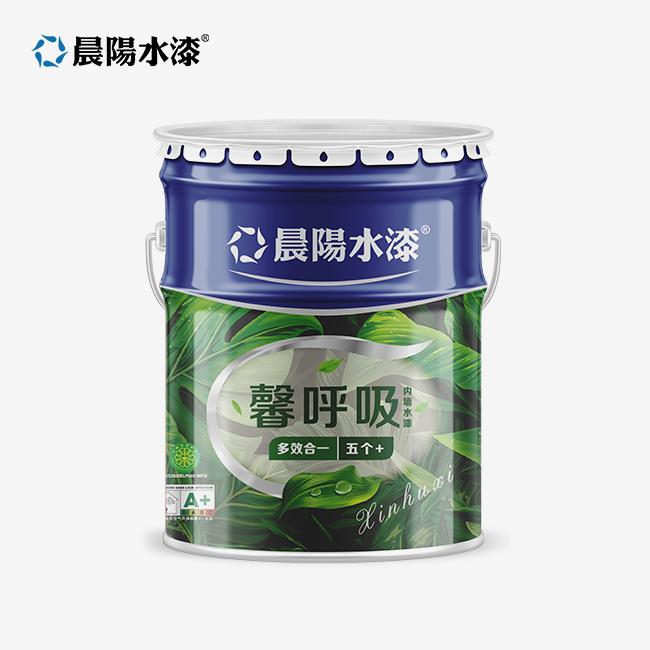
Modern water-based architectural paint systems work amazingly well because their ingredients are carefully matched. This new technology is shown by Chen Yang's Proud Sun Pure Love line, which has bamboo charcoal cleaning technology that makes the air inside better while the coating cures. This product gives professional-level covering, with an estimated spread rate of 11–12 square meters per liter per coat and a dry film thickness of around 30 microns. At the right temperatures, the surface dries in 30 minutes, and the whole thing cures in just 60 minutes. This speedy process keeps projects running as smoothly as possible. Between 5 and 15% resin is used, which gives the product good bonding and longevity while keeping the thickness low so it can be easily applied with a roller, brush, or airless spray system.
Application Scope Across Industries
These paints are used for more than just finishing walls in business-to-business settings. Healthcare facilities benefit from products that kill germs and don't smell, which lets them keep running during repair periods. Water-based architectural paint acrylics have a lot of flexibility, which means they can handle thermal growth without cracking in external thermal insulation composite systems. Finishes in public and educational buildings need to be able to stand up to rigorous cleaning methods. Chen Yang's formulations meet GB/T 1741-2020 anti-mold standards and show better brush resistance. The FDA's approval of certain product lines opens up job possibilities in food processing areas where coats must meet strict safety standards for accidental food contact.
Environmental Advantages of Water-Based Paint
Dramatic Reduction in VOC Emissions
The environmental case for water-based architectural paint is based on the fact that it has a unique VOC profile. Traditional paints that use solvents can give off more than 200 grams of VOCs per liter, which can cause smog and long-term breathing problems. Chen Yang's Proud Sun line keeps VOC levels well below the national standard limits, and no benzene, formaldehyde, or APEO are added during production. This success is due to special odor-free technology that gets rid of the strong chemical smell that comes with regular paints. This makes the job safer for the people applying the paint and speeds up the time it takes for end users to move back into the building. These goods meet the strictest air quality standards needed by LEED v4 and BREEAM certification systems, as shown by tests that were done against ASTM D6886 standards.
Supporting Green Building Certifications
Getting approval points is important for procurement teams that want to build in a way that is good for the environment. Compared to alkyd or epoxy systems, water-based architectural paint bonds last less time in the environment because they break down naturally. Low-emission formulations directly count toward indoor environmental quality points in LEED rating systems. This is especially important for business buildings and public buildings. Chen Yang's work on big projects like Tiananmen Square and the Bird's Nest Stadium shows that these environmental benefits can be applied to a wide range of famous infrastructure, where both performance and environmental duty are closely looked at.
Occupational Health and Safety Improvements
In addition to being better for the environment, water-based architectural paints make the workplace safer. Applicators don't have to deal with harmful solvents that are in oil-based options. This lowers both short-term and long-term health risks. Because water-based architectural paint systems aren't flammable, there is no risk of explosion during mixing and application. This is a very important benefit in industrial settings where open flame operations are common. The steps for getting rid of paint residues are greatly simplified because they are usually considered non-hazardous trash. This lowers the costs of getting rid of them and makes it easier for contractors and building managers to follow the rules.
Technical Performance and Application Insights
Efficient Drying Characteristics and Application Methods
Chen Yang's recipes have thixotropic qualities that keep the film from sagging on vertical surfaces and make sure it dries level. You can use the Proud Sun Pure Love line in a number of different ways, including roller application with up to 20% water dilution, brush techniques for fine details, or high-pressure airless spray with 10% water dilution for big areas. When compared to oil-based systems that take longer to cure, recoat intervals of just two hours speed up project plans. It's still important to prepare the surface correctly—substrates should be clean, dry, and free of efflorescence, and alkaline brick surfaces need the right bases to make sure they stick well.
Durability Under Environmental Stress
Standardized longevity testing is the best way to demonstrate long-term success. ISO 11998 Class 1 wet-scrub protection proves that these coatings can be cleaned over and over again without losing their film, which is important for business settings with a lot of foot traffic. According to ISO 16474, accelerated weathering tests are used to model years of UV exposure and changing levels of moisture. Chen Yang's formulas showed little chalking or color shift. The Proud Sun series' high water resistance keeps surfaces from getting wet, and its mold-resistant qualities stop living things from growing in damp places. Temperature tolerance between 5°C and 35°C during use and storage guarantees steady performance in a wide range of geographic areas.
Real-World Longevity and Maintenance
Case studies in Chen Yang's portfolio show warranty terms that range from 5 to 10 years, based on the conditions of the application and the quality of the surface preparation. The high concealment mixture covers a wide range of base colors well, which cuts down on the number of coats needed and the total cost of the material. Maintenance is easy—regular cleaning with light chemicals keeps the film looking good without hurting it. The bamboo charcoal ingredient cleans the air inside even after the coating has been used for a while, which is a long-lasting benefit that oil-based options can't match. Facility managers who want to optimize lifetime costs like this mix of resilience and low upkeep.
Comparison and Market Positioning of Water-Based Paint
Performance Versus Oil-Based Alternatives
Traditional oil-based paints stick well to difficult surfaces, but their benefits aren't as great when you consider how hard they are to use and how many rules and regulations there are. Oil-based systems that are considered dangerous materials need to be shipped in a special way, which raises the cost of freight and makes it take longer to clear customs. Chen Yang's water-based architectural paint items ship as non-hazardous goods with standard MSDS paperwork, which makes buying things from other countries easier. Advanced acrylic resin technology has made performance equal. Its ability to hide; stick strongly (per ASTM D3359), and keep its color now matches or beats oil-based standards, without the environmental problems.
Cost-Efficiency Analysis for B2B Procurement
When you add up the costs of application work, disposal fees, and following the rules, the total cost of ownership figures favor water-based architectural paint systems. On multi-coat plans, shorter work hours are gained by drying faster. Solvent buy costs were cut down, and it became easier to deal with waste, which also lowered running costs. Chen Yang can automatically make more than a million tons of goods every year, which makes sure that large orders are priced competitively. Standard lead times of 7–10 days support just-in-time stocking strategies. Flexible OEM/ODM services let wholesalers make their own product lines without having to invest in production facilities. These services include private labeling and custom color matching.
Identifying Reliable Manufacturing Partners
When choosing a supplier, you should put qualifications, production size, and expert help at the top of your list. Chen Yang has more than 1,000 patents and is involved in more than 100 industry standards. This shows that he is a star in creation, which means that his products are reliable. The company's participation in China's National 863 Program shows that the government values high-level technology. These qualifications lower the risk for procurement managers when it comes to suppliers and make sure they can get goods that meet the needs of developed markets. Full technical documentation in English, such as TDS and MSDS, makes it easier to register a project and get governmental permission in global markets.
Strategic Procurement & Usage Recommendations
Aligning Product Selection With Project Requirements
To make a specification work, you must first fit the coating's qualities to the substrate and surroundings. For indoor uses in climate-controlled areas, you have more product options, but for outdoor uses, you must improve UV stability and acidity protection. The Proud Sun Pure Love line works great in homes and small businesses where air quality is a big issue. The bamboo charcoal purification meets customer needs for healthy indoor settings. Heavy industrial settings may need special formulations that are more resistant to chemicals. Chen Yang's wide range of products, including paints for home art, engineering, industry, and wood, ensures that the right solutions are available in all situations.
Understanding the economics of packing can help with talks about purchase volumes. The Proud Sun line comes with 6kg, 20kg, and 25kg buckets, and the minimum order size is just one bucket. This gives you the freedom to choose the right amount of material for your project. Larger engineering projects should look into the benefits of buying in bulk and make sure that the building can store things properly between 5°C and 35°C. During busy building seasons, coordinating lead times is very important. Chen Yang's large production capacity lowers the risk of shortages, but placing orders early ensures that supply lines stay up and running.
Building Effective Supplier Relationships
As part of your due diligence, you should test a sample of the product in real-world circumstances before you make a big buy. Ask for certified test results that show the product meets the rules of the target market. Certifications from the EU's SGS, Germany's TÜV, the UK's WRAS, and the US's FDA give customers trust in the product's purity. When troubleshooting application problems, technical help accessibility is important; make sure that the seller responds quickly and has English-speaking technical staff available. Chen Yang has been in the industry for 28 years and has worked on many important projects. This shows that his company is stable and can help customers in ways that younger makers may not be able to.
Implementing Sustainable Sourcing Practices
Sustainability requirements for businesses are having a bigger effect on buying choices. Buying water-based architectural paint directly helps reduce carbon emissions because it uses less energy to make than paint that is made with solvents. Full lifecycle reviews are possible when vendors are open about where they get their raw materials and how they make their products. Chen Yang's national-level green plant title shows that the company is committed to environmental responsibility in ways other than making products. Keeping track of these seller traits improves the company's ESG reporting and meets the needs of stakeholders who want responsible buying practices.
Conclusion
Environmental performance, worker safety, and business effectiveness are all improved by the switch to water-based architectural paint. Chen Yang Water Paint has been specializing in water-based architectural paint technology for 28 years. They have made formulas like the Proud Sun Pure Love line that meet international approval standards and work well in real-world situations. For buying workers who have to deal with stricter environmental rules and tighter project deadlines, these advanced coatings get rid of the problems that usually come with eco-friendly goods. Because they cure quickly, last longer, and are easier to ship, water-based architectural paint systems are the best option for businesses that need to balance their commitment to sustainability with their budget needs and performance expectations.
FAQ
How do ambient conditions affect water-based paint drying times?
Temperature and humidity have a big effect on the rate of coalescence. At 25 to 30°C and less than 85% humidity, the Proud Sun line can dry the surface in 30 minutes. When temperatures are below 10°C, it may take two to three times longer for a treatment to fully fix. If the relative humidity goes above 85% during application, water will evaporate more slowly, which could lead to surfactant leaking or film flaws.
Can waterborne coatings withstand high-traffic commercial environments?
Modern versions meet or beat standards for stability for heavy use. The goods made by Chen Yang meet national wipe protection standards and GB/T 1741-2020 anti-mold standards. For long-lasting results in hallways, lobbies, and other high-traffic areas, make sure the surface is properly prepared and the dry film thickness is right (about 30 microns per coat). For very demanding uses, multiple coats make things last longer.
Are water-based paints suitable for exterior applications in harsh climates?
Performance depends on the details of the mixture and how the surface is prepared. Extreme temperature changing can cause cracks in materials, but products with better UV protection and elasticity can fix these problems. Chen Yang's engineering-grade coatings have been used on building surfaces in a variety of locations and have been successful. However, the best way to choose the right product is to talk to the company about your unique environmental conditions.
Partner With Chen Yang Water Paint for Certified Waterborne Solutions
Chen Yang Water Paint has goods designed for business and industrial use that can meet your needs for environmentally friendly coatings. Our Proud Sun Pure Love line uses bamboo charcoal to clean the air and has great coverage and quick fix times. It has been approved by the EU SGS, the German TÜV, the UK WRAS, and the US FDA. We provide constant quality, open OEM/ODM customization, and streamlined non-hazardous shipping to streamline your global supply chain as a reputable water-based architectural paint producer with over a million tons of yearly production capacity. You can email our technical team at sales@chenyangpaint.com to talk about project details, ask for samples of our products, or look into bulk purchasing choices that meet your performance and environmental goals.
References
1.American Coatings Association. (2022). "Waterborne Architectural Coatings: Technical Performance and Environmental Benefits." ACA Industry Standards Publication.
2. International Organization for Standardization. (2021). " ISO 11998:2006 - Paints and Varnishes: Determination of Wet-Scrub Resistance and Cleanability of Coatings." ISO Technical Committee 35.
3. U.S. Green Building Council. (2023). "LEED v4.1 Building Design and Construction: Indoor Environmental Quality Credits." USGBC Reference Guide.
4. European Chemicals Agency. (2020). "REACH Regulation and VOC Compliance in Architectural Coatings." ECHA Technical Guidance Document.
5. ASTM International. (2019). "ASTM D6886-19: Standard Specification for Latex and Waterborne Interior Paints." Annual Book of ASTM Standards, Volume 06.01.
6. China National Standardization Administration. (2020). "GB/T 1741-2020: Test Method for Resistance to Mold Growth on the Surface of Coatings. "National Standard of the People's Republic of China.