What kind of paint is best for drywall?
When you ask what kind of paint is best for drywall, the answer is high-performance water-based finishes that are made to work with gypsum board's porous nature. The best paint for gypsum board should stop the different rates of absorption between the joint compounds and paper facing, keep the paper fibers from rising, and cover all wall areas evenly. Water-based latex and acrylic paints with a lot of solids offer better bonding, longevity, and environmental friendliness for business and industry uses.
Understanding Drywall and Its Painting Requirements
Drywall, which is also known as gypsum board, is used a lot in business and industrial building because it is cheap and easy to install. However, this success comes with big painting problems that buying teams need to solve in a planned way.
Gypsum board's open structure makes it absorb water in an uneven way. It's possible to see "picture framing" or flashing around gaps because the paper face soaks up water at a different rate than the gypsum core and joint compound patches. Without the right prep work and selecting the best paint for gypsum board, these differences in the base show up on the finished surface, making it look bad and needing expensive repairs.
Common Surface Issues Affecting Paint Performance
When wetness gets stuck under the paint film while it's being applied or drying, blistering happens. The porous gypsum pulls water from the layer too fast, making spots where it doesn't stick well that bubble and peel off. When paint sticks to surface dust or leftover joint compound powder instead of the base itself, it usually starts to peel.
Preparing the surface is no longer an option. Cleaning gets rid of efflorescence and building dust that make it hard for paint to stick. When you repair something, you have to fill in flaws and sand it smooth to make the structure even. Priming covers the substrate, evens out the rate of absorption, and gives topcoats a stable base. When projects skip these basic steps, the finish always fails too soon, upkeep needs to be done more often, and the overall cost of the project goes up.
Substrate Moisture and pH Requirements
Details about technology are very important. Before painting, the wall surface must have a wetness level of less than 10%. Too much wetness makes it impossible for things to stick together and encourages mold growth behind the coating film. To keep the paint binding system from breaking down, the base pH value should stay below 10. To make sure the coating works well in the long term, these factors need to be measured and checked during pre-application checks.
Comparing Paint Types for Drywall: Which One Works Best?
To choose the best paint for gypsum board surfaces, you need to know how the different recipe chemicals work in real-world situations. The choice has a direct effect on project budgets, upkeep schedules, and keeping the building's look.
Latex and acrylic methods that are water-based have become standard for applying sheetrock. Compared to solvent-borne options, these paints dry quickly, don't have strong smells, and are easier to clean up. Latex paints use manmade polymer emulsions that stick together as they dry to make a continuous film of protection. Acrylic formulas use 100% acrylic resins that provide better bonding, color retention, and scrub resistance, all of which are important for business settings with a lot of foot traffic.
There are some big problems with oil-based paints in modern building, even though they are great at penetrating and leveling. Longer drying times make it take longer to finish a job. The presence of solvents poses health risks that require better air and safety gear for workers. To clean up, you need strong chemicals instead of water. As environmental laws get stricter, solvent fumes become less acceptable. This means that water-based systems are the best option for projects that need to get safety certifications.
Understanding Finish Options and Their Applications
The choice of finish affects both how something looks and how well it works. Matte or flat finishes are great for hiding flaws on the surface and making big areas of wall look similar. Their low reflection stops light from spreading, which brings out the flaws in the base. However, these finishes usually don't stand up to being scrubbed or stained as well.
Satin finishes are good for both looks and cleaning. The light sheen makes the film reflect light without drawing attention to flaws in the wall, and the thicker film structure makes it resistant to wear and tear and easy to clean again and again. Semi-gloss finishes are the most durable and resistant to water, which makes them perfect for places like business kitchens, hospitals, and food processing plants where things need to be cleaned often. The higher gloss level does put more emphasis on how well the base is prepared; for good results, you need to finish the drywall at Level 4 or Level 5.
Specialized covering formulas are made to meet the needs of each job. Paints that are resistant to moisture have mildewcides and better air permeability to stop fungus growth in damp places. Products with low or no VOCs meet strict standards for indoor air quality in places like schools and hospitals where people are present. Eco-friendly products get rid of harmful air pollutants while still meeting performance standards.
Decision Factors When Choosing Paint for Gypsum Board in Industrial and Commercial Projects
Decisions about the best paint for gypsum board affect a lot more than just the original buy price. Total cost of ownership includes standards for longevity, upkeep frequency, environmental compliance, and supplier dependability. These are all important factors that affect the long-term value of a project.
Standards for durability tell us how long a coating will last in real-world working circumstances. The ASTM D2486 test for scrub resistance checks how many times a paint coat can be cleaned without getting worn down. Premium industrial coatings can be scrubbed more than 6,000 times, which is a lot more than the 1,500 rounds that residential-grade goods can handle. This difference in performance directly means that site managers will have to paint less often and pay less over the course of the building's life.
In places where food is served, bathrooms, and mechanical rooms, moisture protection is very important. Coatings need to keep water out while still letting enough air pass through to let moisture from the base leave. Moisture that gets trapped can cause delamination, mold growth, and damage to the structure. Protocols for testing, like ASTM G21, check for fungal resistance in a lab setting under high-stress conditions. This gives buying teams solid data on performance.
Environmental Compliance and Green Building Standards
In businesses that are controlled and places with strict environmental standards, the products that are chosen are shaped by the rules that apply to them. VOC (Volatile Organic Compound) content limits are different in different areas. California's SCAQMD Rule 1113 has some of the toughest limits in the world. Zero-VOC products have less than 5 grams of VOC per liter, while low-VOC products usually have less than 50 grams.
Green building approval programs, such as LEED v4.1, give points to products that meet certain environmental standards. Products with third-party standards, like GREENGUARD Gold, French A+ Indoor Air Quality, or China Environmental Labeling (Ten-Ring), make it easier to get approvals and require less paperwork. These approvals show that goods meet strict limits on chemical emissions that protect people's health.
Supplier selection is affected by factors related to bulk purchases. Pricing structures based on volume, minimum order amounts, and shipping times must all work with the storage and project timelines. More value is added than just the unit cost when suppliers are flexible about color customization, package choices, and technology support services. Reliable sellers always provide high-quality products, full paperwork (TDS, MSDS, test reports), and helpful customer service during the whole application and purchase process.
Top Paint Brands and Products Recommended for Drywall in B2B Procurement
While well-known foreign names still have a strong position in the market, new companies providing the best paint for gypsum board through advanced formulations and competitive prices are becoming more appealing to buyers. Understanding comparison benefits helps buyers make smart choices that fit the needs of the project and their budget.
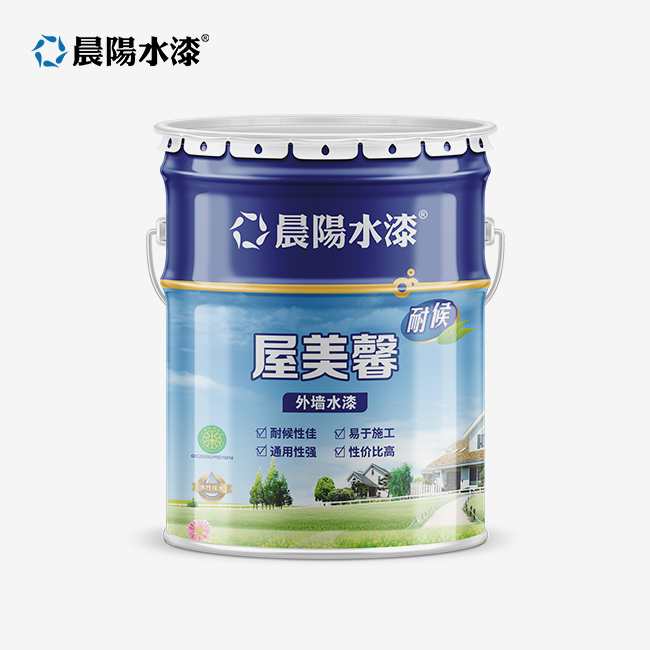
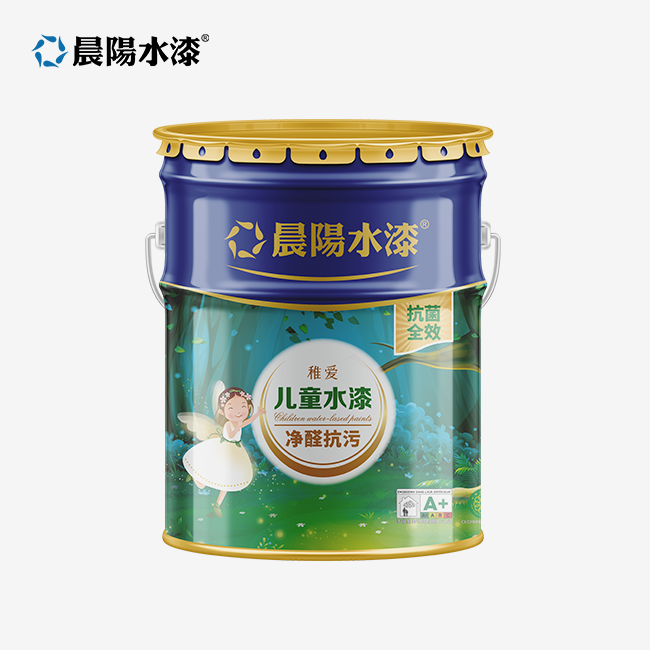
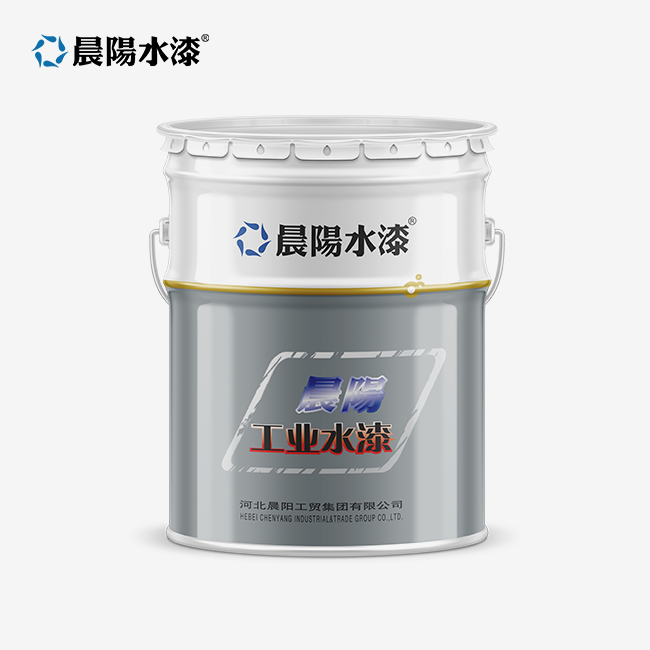
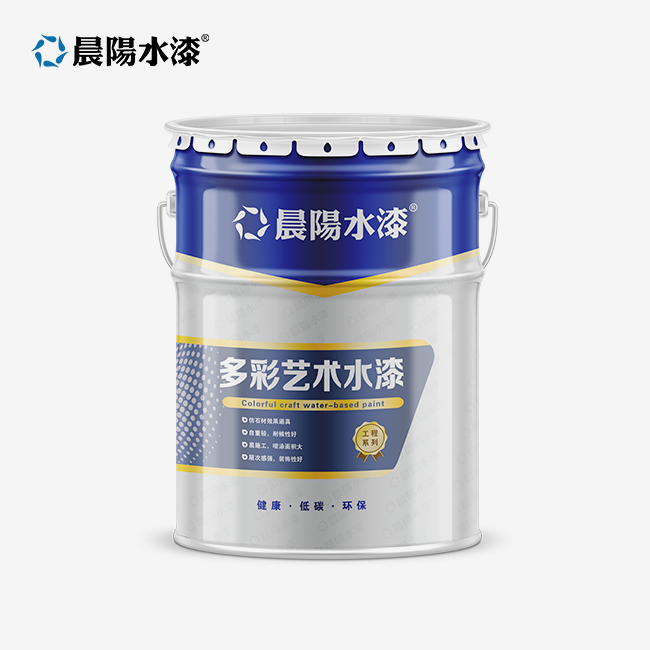
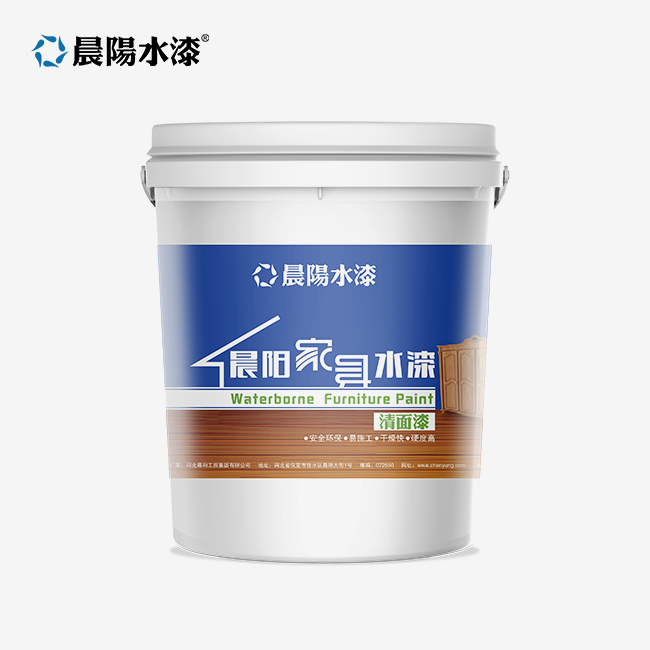
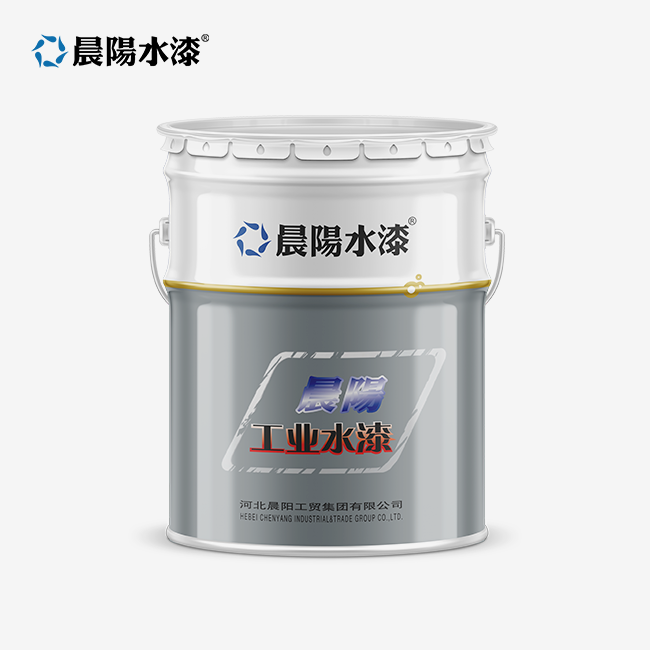
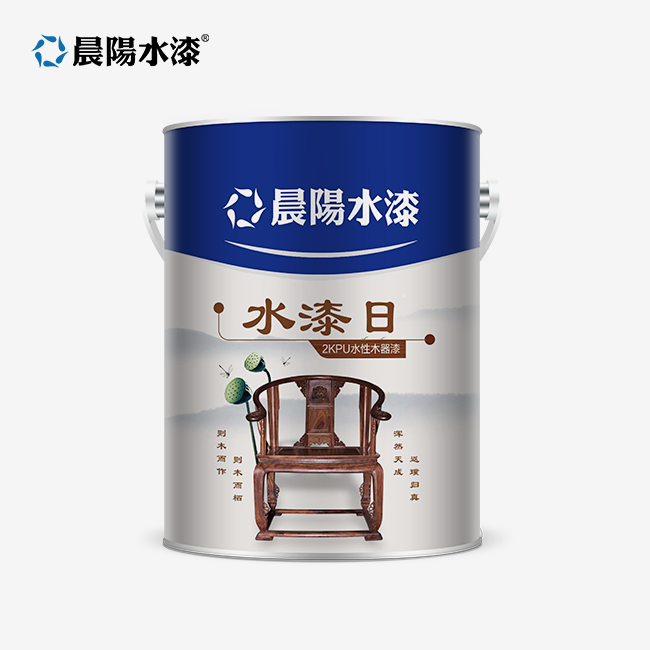
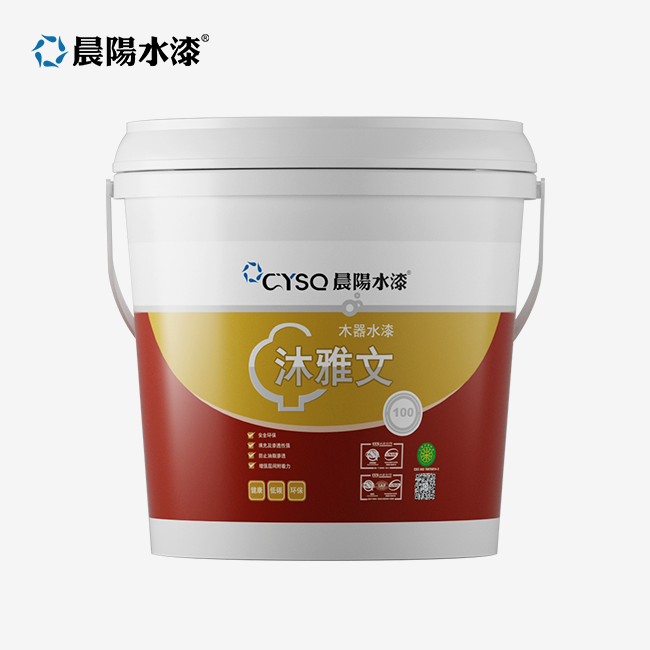
Chenyang Water Paint: Advanced Ceramic Moisture-Resistant Series
With its ceramic moisture-resistant water-based natural multi-functional inorganic coatings, Chenyang Water Paint has come up with unique ways to deal with the problems that come with treating gypsum board. This line of products shows how modern formulation chemistry can solve common problems with painting walls.
Instead of traditional organic bonds, the coating method uses natural inorganic minerals as its main materials. This chemistry provides Class A fire resistance; the artificial silicate film-forming material doesn't catch fire and doesn't give off any harmful smoke when exposed to fire. The recipe completely gets rid of benzene, formaldehyde, and APEO, earning it the China Environmental Labeling Ten-Ring Certification and the French Indoor Environment A+ Certification for its high-quality indoor air.
Moisture control is a very important benefit. The covering is mold-proof up to level 0 because it is made of alkaline chemicals. The high pH naturally stops fungus growth, so no extra biocides are needed. The breathable film structure lets water vapor pass through while stopping liquid water from getting in. This keeps the coating from failing when it gets wet, which happens a lot with regular coatings on gypsum surfaces.
Application efficiency supports tight project schedules. At normal conditions, the surface dries in 30 minutes, so it can be recoated the same day after at least two hours. Hard drying takes only 60 minutes, which speeds up the building process. The coating can be put on with a roller, a brush, or a spray. For big commercial projects, high-pressure airless spray is the most productive way.
With coverage rates of 11–14 square meters per liter per coat, less material is used and the job costs less. The high-opacity recipe covers differences in the base and joint compound patches more effectively and with fewer coats than regular products. Scrub resistance of more than 6,000 rounds guarantees long-term appearance retention when maintained according to industry standards.
Flexible packaging works for a range of project sizes. The product comes in 6 kg, 20 kg, and 25 kg containers, and you only need to order one bucket at a time. It can be used for both small fixes and large installs. The white base recipe lets you mix any color you want to match the look of your project.
Comparative Context with Established Brands
Major brands like Sherwin-Williams ProMar line, Benjamin Moore Regal Select, and Behr Premium Plus have strong names for being reliable and easy to find. These goods consistently meet industry standards for performance and are backed by large networks of distributors and technical help infrastructure.
When purchasing teams look at different suppliers, they should not only compare the features of the paint mixture but also the suppliers' ability to make the paint, their quality certifications, and the benefits of their operations. Suppliers who have been tested and approved by EU SGS, Germany's TÜV, the UK's WRAS, and the US FDA for food contact show that they are committed to meeting international quality standards. These licenses lower the risk of buying things and make the process of getting specifications approved easier for projects that are controlled.
Step-by-Step Guide to Painting Drywall for B2B Clients
To get the performance expected from the best paint for gypsum board, it needs to be applied in a planned way, following best practices in the business. Structured procedures should be used by project managers and application teams to make sure that quality results are always the same.
Surface Preparation and Inspection
Long-term covering success depends on how well the surface is prepared. Instead of brooms, which move the dust around, use HEPA-filtered vacuums to get rid of all the building dust. Use clean, wet cloths to wipe down surfaces to get rid of any fine dust that is still there. Look at all the joints, bolt heads, and surface flaws with a raking light to find flaws that need to be fixed.
Use the right joint compound formulas to fix broken areas. Fill in gaps and smooth out edges to match the roughness of the surrounding area. Let it dry all the way through—usually 24 hours, but this depends on the temperature and thickness of the solution. Using 120-150 grit sandpaper to smooth out fixed areas and feathering the edges to make them fit in with nearby surfaces. Get rid of all the sanding dust before moving on.
Make sure the material meets the standards for pH and moisture. Meters for moisture should show results below 10%. When used on cementitious substrates or places that have been damaged by water, pH test strips should show numbers below 10. Writing down these numbers will help you set a standard.
Priming and Topcoat Application
Use a primer that is made to work with gypsum board materials. Primers made of high-solids polyvinyl acetate (PVA) or acrylic fill in holes, make absorption rates similar, and give the surface a regular amount of energy for the topcoat to stick to. For good covering and a uniform wet film thickness, use roller application. Pay close attention to patches of joint cement and corner beads because that's where most of the changes in absorption happen.
As directed by the maker, let the primer dry completely before applying the finish. Depending on the temperature, humidity, and air flow, drying usually takes between 2 and 4 hours. Before moving forward, make sure the area is completely dry to the touch and doesn't feel sticky.
Use the given amounts to water down paint according to the way it will be applied. Most roller and brush uses need up to 20% clean water dilution, while airless spray systems only need up to 10% dilution. When you dilute a film too much, its defensive qualities are lost. Under-dilution makes it harder to apply and changes the roughness of the surface.
When you apply the finish, make sure that the thickness of the wet film is the same on all areas. Make sure there are no breaks or empty spots in your covering by using systematic designs. Keep the ends wet to avoid lap marks. Work in controlled lighting that makes it easy to see how the work is being done.
Drying, Curing, and Quality Control
Touch-dry times are just the start of the drying process. Even though surfaces may feel dry in 30 minutes to 2 hours, they need longer to fully cure so that a film forms and properties develop. As directed, wait at least the minimum amount of time between coats—usually between 2 and 4 hours for water-based systems—before adding more coats.
Full cure and best performance traits happen between 7 and 30 days, based on the chemistry of the coating and the factors in the surroundings. During this time, don't clean, abrade, or use the film heavily because it could damage the structure of the forming film. Make sure there is enough air flow to help the chemicals cure and the water evaporate.
Check finished work in different lighting situations to find mistakes that need to be fixed. Check that the finish has a uniform look, a steady sheen, full covering, and no flaws that can be seen in the substrate. Take care of any problems right away, before the job is turned over.
Conclusion
When choosing the best paint for gypsum board surfaces, you have to balance the need for good technical performance with the need to be environmentally friendly and the need to keep the project's costs low. When compared to standard options, water-based formulations that use modern acrylic chemistry offer better adhesion, longevity, and indoor air quality. Purchasing teams should give more weight to suppliers with certifications that are known around the world, stable production capacity, detailed technical documentation, and helpful customer service. Products like Chenyang's Ceramic Moisture-Resistant Series show how specific mixtures can solve problems with different substrates by using solid chemistry, the ability to control moisture, and quick application plans. No matter what product you choose, the best way to get long-lasting coating performance is still to properly prepare the surface, apply the coating correctly, and let it cure for the right amount of time.
FAQ
Does gypsum board always require a dedicated primer before topcoat application?
Some high-end paints say they "self-prime," but for new drywall installs, it's still best to use a specialized high-solids primer to achieve the results of the best paint for gypsum board. Primers made just for gypsum board seal the porous base, even out the differences in absorption between the joint compounds and paper face, and stop the "flashing" or uneven sheen that happens when topcoats are applied directly. There isn't much that costs to apply primer, but it protects against paint fails and cosmetic flaws that need expensive repairs.
What coating characteristics should buyers prioritize for healthcare facilities and educational buildings?
Coatings that meet strict indoor air quality guidelines and have been shown to have low pollution are needed in healthcare and educational settings. Products that have been approved to GREENGUARD Gold or French A+ standards give you proof that they are safe. High scrub strength (at least 6,000 rounds) lets the layer be disinfected over and over again without wearing down. Antimicrobial traits stop the growth of microbes on the skin. Low-odor formulas cause less trouble during busy applications. Water-based methods protect susceptible groups by getting rid of the dangers of solvent contact.
Partner with a Trusted Best Paint for Gypsum Board Supplier
Chenyang Water Paint has been developing and making water-based coatings for 28 years, and they can help you with your business projects. As a provider of the best paint for gypsum board, our production sites meet EU SGS, German TÜV, UK WRAS, and US FDA standards. This makes sure that the quality is always in line with what developed markets need. The Ceramic Moisture-Resistant Series has been shown to work well with gypsum board because it uses modern inorganic chemistry, has fast drying schedules, and is very durable—it can be scrubbed over 6,000 times. Our yearly production capacity is more than a million tons, and our normal delivery cycles of 7 to 10 days ensure a steady supply that meets tight project deadlines. Email our technical team at sales@chenyangpaint.com to talk about unique solutions, get product datasheets, or set up a sample review that fits your buying needs.
References
1. Weismann, Adam J. Commercial Paint Application Standards for Gypsum Board Assemblies. Construction Specifications Institute, 2021.
2. National Gypsum Company. Technical Manual for Paint and Coating Application on Gypsum Panel Products. Charlotte: National Gypsum Technical Services, 2020.
3. Turner, Robert K., and Mitchell, Sarah L. "Performance Evaluation of Water-Based Coatings on Porous Substrates." Journal of Protective Coatings and Linings 38, no. 4 (2021): 45-62.
4. American Society for Testing and Materials. ASTM D2486-17: Standard Test Methods for Scrub Resistance of Wall Paints. West Conshohocken: ASTM International, 2017.
5. Green Building Council. LEED v4.1 Building Design and Construction: Materials and Resources Credit Requirements. Washington: U.S. Green Building Council, 2020.
6. Chen, Wei, and Johnson, Mark. "Inorganic Silicate Coatings for Moisture Management in Commercial Building Envelopes." Building and Environment 189 (2021): 107-118.