What kind of paint do you use on gypsum board?
Most of the time, a high-performance water-based latex solution is the best paint for gypsum board because it is designed to work with the unique porosity and uneven absorption properties of paper-faced drywall. It is important for business and educational settings that these coatings provide sturdy, washable finishes that are the same level of opaqueness across joint compounds and gypsum paper. They also stop surface flaws like flashing or fiber raising. Because they stick better, dry faster, and don't break strict VOC rules, water-based formulas are the best choice for procurement managers in charge of big building projects.
Introduction
Gypsum board is still the main material used for interior wall systems in North America. It is used in home developments, hospitals, schools, and business buildings. Because it doesn't catch fire, stays the same size, and is easy to place, it is an essential part of modern building plans. When selecting the best paint for gypsum board, the right paint systems for a project have a direct effect on everything from the project's lifetime costs and surface stability to regulatory compliance and maintenance schedules. More and more, procurement workers, technical experts, and project managers have to find coatings that meet environmental standards and work the same way on thousands of square meters.
This guide talks about the problems that wholesalers, OEM clients, and building workers face when they are looking at coating options for gypsum board. We look at technical performance standards, application methodologies, and supplier selection factors that affect choices about what to buy. Our goal is to give you useful information that makes the buying process easier, lowers quality risks, and helps you build relationships with makers who can meet your project deadlines and specific needs.
Understanding Gypsum Board and Its Painting Requirements
Material Composition and Surface Characteristics
A core of gypsum paste is surrounded by two thick layers of heavy paper to make gypsum board. This design makes a base with different levels of porosity. For example, the paper face takes water and coatings in a different way than the joint compound patches. This uneven absorption shows up as "flashing" or "joint banding," where fixes look darker or glossier than the rest of the surface when the wrong coats are used. Choosing the best paint for gypsum board helps minimize these visible inconsistencies and improves overall finish quality.
When drawing, the surface of the paper makes things more difficult. When you sand joint solutions, you can raise cellulose fibers, which makes a fuzzy pattern that can be seen through thin paint films. Paint can leave behind moisture that can make paper temporarily swell, which can affect how smooth it is in the end. Knowing how these substrates behave helps technical teams choose coats that have the right sealing properties and film build to meet standards for a uniform look.
Environmental and Performance Demands
Commercial gypsum board installations can be found in a wide range of places, from offices with controlled humidity to tough hospital settings that need to be cleaned regularly. Coatings that can stand up to chemical cleaners and multiple washing cycles are needed for healthcare jobs. In high-contact areas like schools, wearing protection is very important. Specifiers have to find a balance between how something looks and how well it works. For example, they may need coatings that meet ASTM D2486 standards for scrub protection and keep a certain gloss level throughout the facility's working life. In these demanding conditions, selecting the best paint for gypsum board becomes critical for long-term durability.
Types of Paint Suitable for Gypsum Board
Water-Based Latex Systems
Professional gypsum board uses water-based acrylic latex finishes most often because they have a reasonable performance profile. These mixtures use 100% acrylic binders to make films that are bendable, airy, and stick well to paper and other surfaces. The chemistry lets the water evaporate quickly, so the surface is usually dry in 30 minutes and the whole thing is fully cured in 60 minutes under normal conditions. This shorter timeline cuts down on work costs and lets projects be finished faster than with traditional solvent-based methods. Many builders consider acrylic latex products the best paint for gypsum board because of their balance between performance and application efficiency.
Modern rubber technologies use ceramic nanoparticles and advanced rheology modifiers to make the material more concealing and easier to use. High-solids formulas have better clarity and can usually cover completely in two coats over materials that have been properly primed. Because it is water-based, it is easier to clean up tools, less dangerous materials don't have to be handled during transport, and there isn't too much paperwork that is needed for foreign shipping that is needed for solvent-based goods.
Specialty Moisture-Resistant Formulations
In places where there is a lot of humidity or short-term contact with wetness, coatings that let more vapor through and stop mold growth are needed. The Ceramic Moisture-Resistant Series from Chenyang Water Paint is an example of advanced manufacturing methods that meet these needs with natural inorganic mineral mixes. Inorganic silicate binders have an alkaline chemical makeup that makes it impossible for mold to grow. This means that manmade biocides are not needed for mold resistance. These features make such coatings an attractive option for the best paint for gypsum board in bathrooms, kitchens, and coastal environments.
These layers let water vapor pass through but stop liquid water from getting through. This keeps gypsum paper from coming apart in damp situations. The inorganic silicate film-forming process chemically bonds with mineral substrates, making the material very durable. It can withstand washing more than 6,000 times, which is four times the requirement for high-grade classes. This better wetness management doesn't hurt the quality of the air inside, so it's good for projects near the coast, in industrial kitchens, or in public shower rooms.
Primer Selection and System Design
Priming the gypsum board correctly is the first step in a good coating method. High-solids sealers even out differences in porosity between paper sides and joint compound patches. This stops the different absorption that leads to flashing. Specialized starters have resins in them that go deep into the paper and lay down raised fibers while still leaving enough tooth for the topcoat to stick. Technical data sheets should show that starters meet the mold resistance standards set by ASTM D3273 and have pull-off adhesion values that are higher than the core's combined strength. Pairing a quality primer with the best paint for gypsum board ensures better adhesion and a longer-lasting finish.
For new buildings, we've seen that PVA (polyvinyl acetate) sealers work well as a cheap first coat over taped and muddied surfaces. For projects that need a higher finish level, premium acrylic primer-sealers do a better job of keeping stains out and paint in place. Using primer and topcoat formula from the same maker makes sure that the system works well together and lowers the chance of adhesion problems during the guarantee period.
How to Prepare and Paint Gypsum Board: Step-by-Step Application Protocol
Surface Preparation Standards
Professional finishing results start with a thorough inspection and preparation of the base. The surfaces need to be dry, clean, and free of any oils, dust, or release agents that would make them less sticky. Calibrated meters should show that the moisture content is less than 10%, and the pH value should be less than 10 to keep paint bonds from being damaged by alkaline solutions. These starting conditions are in line with what the manufacturer recommends and keep the coating from failing too soon.
It takes a good amount of time for joint cement fixes to cure, usually 24 hours per coat at room temperature and humidity. When sanding, you should use progressively finer grits to get rid of tool marks without sanding too much, which damages the paper face. Vacuuming is a better way to get rid of dust than wiping it off with water, which can bring up more fibers. Before priming, you need to fix any damaged areas, nail pops, or surface flaws, since coats make flaws in the base stand out more than hide them.
Application Technique and Equipment
Professional workers use three main ways to apply: by roller, by brush, and by airless spray. Each works best for a different type of job. When you use a high-pressure airless spray to cover a big area, it works best because it atomizes coats at 2000 to 3000 PSI to make a smooth, wet film. This method works especially well with Chenyang's formulas, which say that the dilution ratio should not be more than 10% for airless application to keep the best film build and hiding. Correct application techniques are important for maximizing the performance of the best paint for gypsum board systems.
For medium-sized jobs, roller application gives you great control, and 3/8-inch nap covers are best for smooth gypsum surfaces. To avoid lap marks, the method needs constant pressure and designs that overlap. Brush work is still necessary for cutting in edges and small details. No matter the way, surface texture flaws can be avoided by keeping the edges wet and not overworking films that are only partially dry.
Common Application Errors and How to Avoid Them
The most common and expensive mistake people make when painting gypsum board is skipping the primer. The resultant flashing needs more topcoats and work to fix, which cuts into project profits and delays finish. When you use too thick of a film in a single coat, it sags, takes longer to dry, and has trouble sticking together because solvents get stuck under the top skins. It is important to follow the manufacturer's advice on dilution ratios and recoat times (at least two hours for ceramic moisture-resistant formulas). This will ensure that the film forms properly and works well.
Temperature and humidity levels during application have a big effect on how the layer behaves. Work that is done below 5°C or above 85% relative humidity takes longer to dry and could have problems because of the wetness. Coatings can dry and cure according to technical standards and meet performance goals when the temperature stays between 5 and 35°C and the humidity stays below 85%.
Evaluating Paint Performance for Gypsum Board in B2B Projects
Durability and Maintenance Requirements
Standardized testing methods must be used to measure how long commercial gypsum board coatings will last as part of the procurement requirements. According to ASTM D2486, washability scores show how well a coating can handle being cleaned over and over again without losing its film or color. Premium goods can be scrubbed more than 5,000 times, which is important for areas like hallways in hospitals and schools that need to be cleaned often. When it comes to durability, the Chenyang Ceramic Moisture-Resistant Series has been through more than 6,000 rounds. This saves money because it means less frequent painting and upkeep. These performance standards are often used to evaluate the best paint for gypsum board for commercial projects.
Abrasion resistance is very important in areas with a lot of foot traffic, where carts bumping into furniture and people walking on top of the layer test its toughness. Vinyl-acrylic mixes that are not as dense and cross-linked are easier to polish and scratch than dense acrylic films. Choosing coatings that have been used successfully in difficult situations lowers the chance of having to do the work again and saves the contractor's image. Before choosing a provider, project managers should ask for case studies that show long-term success in similar settings.
Drying Time and Project Scheduling Impact
Coating dry times have a direct effect on building plans and how well workers are used. Traditional alkyd and oil-based methods need 4 to 8 hours between coats, which slows down jobs that need to be finished quickly. Water-based technologies that dry the surface in 30 minutes and fully fix in 60 minutes allow multiple coats to be applied in one day, cutting down on wait times and costs. This productivity boost is especially useful during renovations that need to be finished quickly because the rooms are already filled.
Temperature and humidity affect the rate at which liquid evaporates, which changes how drying works. Chenyang's formulas say that they will work at 25–30°C and a dry film thickness of 30 microns, so the effects can be predicted under controlled conditions. Using HVAC during the application process speeds up the removal of wetness, but too much air movement can cause the surface to peel off before the film forms completely. Finding the right balance between air and maker instructions is important for both drying speed and coating integrity.
Cost-Benefit Analysis and Total Lifecycle Value
The initial cost of paint is only one part of the overall project pricing. For cheaper items, it usually takes more coats to get the right level of hiding and longevity, which drives up work costs that are usually three times higher than material costs. Premium coatings that cover more area, like Chenyang's high-opacity formulations that cover 11–14 square meters per liter, use less material and take less time to apply, which often results in cheaper fixed costs even though they cost more per unit.
Lifecycle costs models take into account how often upkeep needs to be done, how often areas need to be painted, and how long the building is closed for repairs. Coatings that stay looking good and being easy to clean for 7–10 years are a better deal than cheaper options that need to be replaced every 3–5 years. Facility managers are asking for more lifecycle paperwork during the buying process. This means that the original purchase price is no longer the only thing that is being considered, but also the long-term total cost of ownership.
Procurement Considerations for Gypsum Board Paints
Supplier Evaluation Criteria
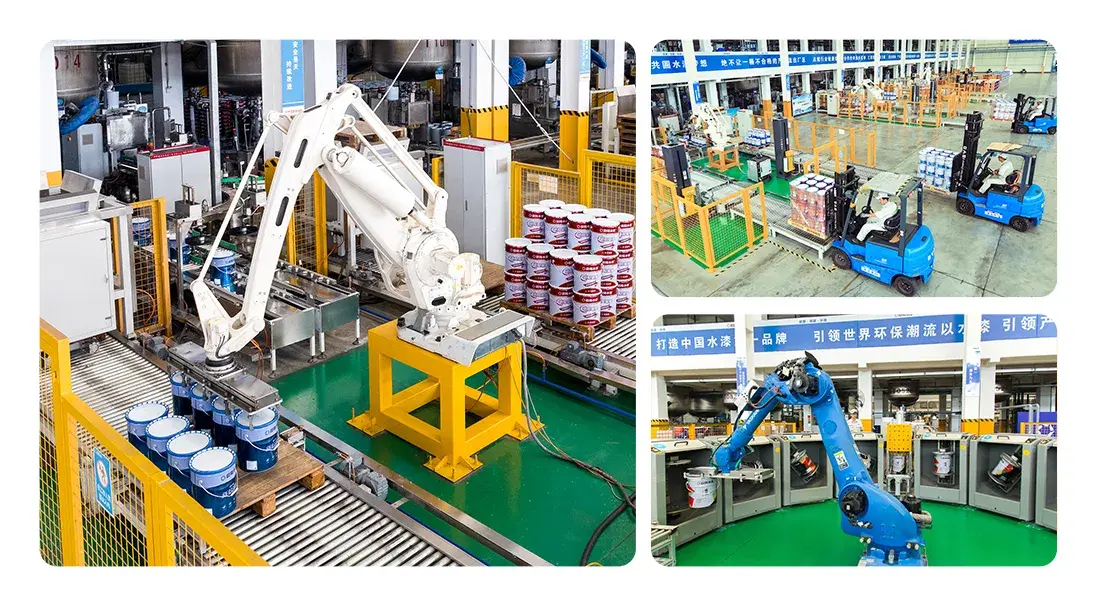
When choosing coating providers for large-scale gypsum board jobs, you need to look at more than just the product specs. Production capacity and the ability to handle inventory guarantee a steady supply during busy building seasons, when shortages of materials cause delays. Chenyang Water Paint has automated factories that make more than a million tons of paint every year. This gives them the size they need to work with international companies and distributor networks all over North America.
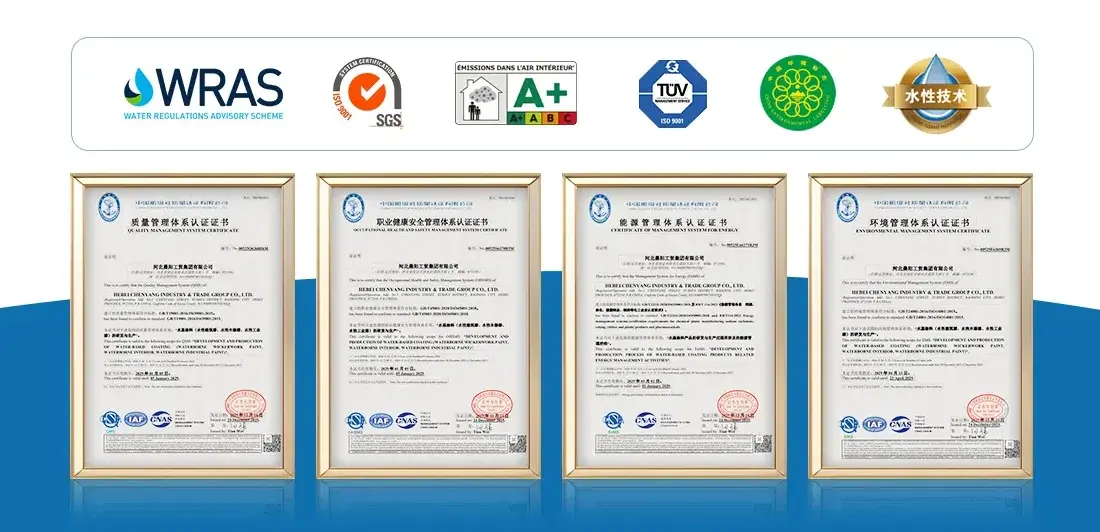
Controlling the industrial process and being disciplined about where to get raw materials are important for maintaining quality. Suppliers who take part in international quality programs, like ISO 9001 approval and third-party testing proof, show that they are dedicated to making sure that each batch of their products is the same. Chenyang has more than 1,000 patents and is involved in more than 100 industry standards. This shows that they have a lot of technical knowledge, which means their products work well. For certain uses, procurement teams should check certificates such as SGS testing, TÜV proof, and compliance with local rules such as FDA food-contact standards.
International Logistics and Documentation
Water-based coatings that aren't considered toxic materials make foreign trade easier than solvent-based coatings that need paperwork for dangerous goods. Standard Material Safety Data Sheets (MSDS) and transport condition statements meet the needs of customs clearance without having to pay extra fees or follow certain routes. This classification benefit cuts logistics costs by 15–30% for cross-border goods and speeds up delivery times by giving carriers more choices.
Chenyang offers complete English technical paperwork, such as Technical Data Sheets (TDS), MSDS, and certification packages, to help with project registration and regulatory applications in global markets. The business's export infrastructure includes flexible package options (6 kg, 20 kg, and 25 kg units) that can handle different project sizes and make the best use of containers. Lead times of 7–10 days from order confirmation to shipment allow for flexible inventory management without the need for too much safety stock.
OEM and Customization Services
Distributors building regional names are putting more emphasis on private label programs and recipe customization when it comes to buying things. Chenyang can do full OEM/ODM work, which includes matching colors, designing packages, and changing performance to fit the needs of each application. This gives paint wholesalers and building suppliers the freedom to offer different products while taking advantage of the large scale of production and technical know-how that they can't get from their own production.
Custom color tools help architects meet the exacting standards for how all of a building's systems should look together. Chenyang's color lab starts with white base formulations and can match almost any standard or custom shade. They do this by using spectrophotometric quality control to make sure that each batch is the same. Minimum order amounts starting at single buckets lower the risk of running out of certain colors, and bulk price systems reward customers who commit to buying a lot of different products.
Conclusion
To choose the right coatings for gypsum board uses, you need to think about how well they work technically, how well they work in the application, and what the seller can do. Water-based systems that use advanced acrylic and inorganic technologies give the best mix of longevity, environmental friendliness, and ease of use that is needed in today's building buying. Moisture-resistant formulations deal with certain weather problems while still having the fast-drying and low-odor properties that are needed for repairs in occupied buildings. By carefully selecting the best paint for gypsum board, buyers can improve project quality, reduce lifecycle costs, and ensure long-term coating performance.
A good buying strategy includes more than just the specs of the product. It also looks at the supplier's ability to produce the goods, keep the quality consistent, handle foreign logistics, and provide technical support. When you work with makers who have certifications from well-known testing bodies, a history of completing large-scale projects, and flexible customization services, you can lower the risks of procurement and increase the chances of project success from the initial planning stages to long-term facility care.
FAQ
What makes water-based paint ideal for gypsum board?
Water-based latex coats stick well to both paper facings and joint materials, but they let the water evaporate quickly. Their flexibility lets small changes in the base go through without cracking, and their low VOC content meets environmental standards for building projects.
How does primer improve gypsum board paint performance?
Different types of pores are sealed between the paper and repair chemicals by high-solids primers. This stops the uneven absorption that leads to flashes. They keep the raised paper fibers in place and give the topcoat a smooth surface to stick to, which means fewer coats are needed to get the look you want.
What certifications should B2B buyers look for?
Ask for proof that SGS tested the product for heavy metals and banned substances, made sure it met regional VOC rules, and had its performance checked by reputable testing labs. For some uses, you might need FDA approval for food contact or antibiotic effectiveness data according to ASTM G21 guidelines.
Can moisture-resistant paints prevent mold on gypsum board?
In settings with a negative pH, alkaline inorganic products stop fungi from growing while letting vapor pass through, which keeps wetness from building up. These coatings lower the risk of mold, but they don't get rid of it completely. In high-humidity areas, good airflow and moisture control are still very important.
Partner with Chen Yang Water Paint for Best Paint for Gypsum Board Solutions
Chenyang Water Paint has been making coatings for gypsum boards for 28 years and is committed to being a leader in water-based technology. This helps procurement managers who need to find trusted coating providers. Our Ceramic Moisture-Resistant Series has the performance qualities that industrial buildings need, like zero-level mold resistance, washability for 6,000+ cycles, and Class A fire ratings. It also has natural mineral formulations that are free of benzene, formaldehyde, and APEO. Our goods have been certified by the Ten-Ring Environmental Labeling program in China and the Indoor Environment A+ program in France. They meet the high standards needed for projects in North America's healthcare, education, and institutions.
As a reputable company that makes the best paint for gypsum board, we keep our production capacity at over one million tons per year by using automated facilities. This makes sure that we always have enough paint and that normal wait times are 7 to 10 days. Our non-hazardous classification makes foreign shipping easier, and our full English paperwork makes it easier to clear customs. Whether you need large quantities for delivery networks or OEM solutions that are tailored to your needs with private labeling, our expert team can help. They are backed by more than 1,000 patents and are a part of more than 100 industry standards. Get in touch with our sales team at sales@chenyangpaint.com to talk about your project's needs and find out how our certified coating systems provide measured value through top-notch performance and a trustworthy relationship.
References
1. American Society for Testing and Materials. "ASTM D2486: Standard Test Method for Scrub Resistance of Wall Paints." ASTM International Standards, 2022.
2. Gypsum Association. "GA-214: Recommended Levels of Gypsum Board Finish." Technical Manual, 2021 Edition.
3. National Paint and Coatings Association. "Water-Based Architectural Coatings: Performance and Environmental Benefits." Industry Technical Report, 2023.
4. Building a Research Establishment. "Moisture Management in Interior Wall Systems: Coating Permeability and Fungal Growth Prevention." Construction Technology Review, Volume 34, 2022.
5. U.S. Green Building Council. "LEED v4.1 Low-Emitting Materials Credit: Indoor Environmental Quality Standards. "USGBC Technical Guidance, 2023.
6. International Code Council. "ICC Evaluation Service Reports: Fire Performance of Inorganic Coatings on Gypsum Substrates." ESR Technical Documentation, 2023.